
Sauces & Condiments
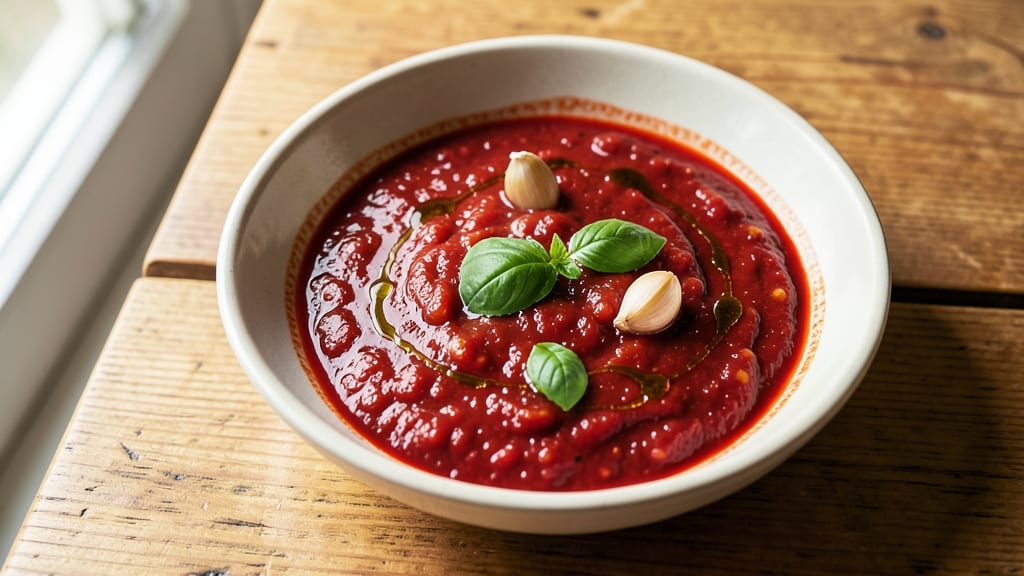
Marco's pizza sauce delivers that perfect balance of sweet, tangy, and herby flavors that elevate every slice. This isn't just any sauce—it's the foundation of a restaurant-quality pie, with a smooth texture and bright tomato essence that stays vibrant even after baking.
The secret lies in simmering crushed tomatoes with garlic and basil until the flavors meld into a rich, velvety consistency.
What sets this sauce apart is its simplicity: just a handful of ingredients, but each one plays a crucial role. The crushed tomatoes provide that classic sweetness, while a touch of sugar and vinegar brightens the acidity.
Fresh basil and garlic infuse the sauce with aromatic depth, ensuring every bite of your pizza is packed with flavor. It’s designed to be made in batches so you always have it on hand for pizza nights or pasta dishes.
The result is a sauce that’s foolproof—no lumps, no bitterness, just pure, concentrated tomato goodness. It clings beautifully to cheese and crust, delivering that familiar, comforting taste of a homemade pie.
Whether you’re a pizza enthusiast or a home cook looking to elevate your meals, this sauce will become your go-to for any tomato-based dish.
Store it in the fridge for up to a week or freeze for longer shelf life, so you’re always ready to create the perfect pie crust. Here’s how to make it—simple, reliable, and always delicious.
Ingredients for marco's pizza sauce
Nine simple ingredients transform into restaurant-quality pizza sauce—sweet, tangy, and herby perfection.
| Ingredient | Amount | Notes |
|---|---|---|
| Crushed Tomatoes (46 oz can) 🍅 | 1 can | San Marzano preferred for sweetness |
| Fresh Garlic Cloves 🧄 | 4 cloves | Minced for aromatic depth |
| Extra-Virgin Olive Oil 🫒 | ½ cup | High-quality for richness |
| Fresh Basil Leaves 🌿 | 1 cup | Packed, stems removed |
| Granulated Sugar 🍚 | 2 tbsp | Balances tomato acidity |
| White Vinegar 💧 | 1 tbsp | Brightens flavor profile |
| Salt 🧂 | 1 tsp | Diamond Crystal preferred |
| Black Pepper 🌶️ | ½ tsp | Freshly ground for warmth |
| Dried Oregano 🍃 | 1 tsp | Mexican oregano preferred |
The crushed tomatoes are non-negotiable here—San Marzano makes all the difference with its natural sweetness and low acidity. Trader Joe's and Whole Foods carry them year-round, but if you're in a pinch, any high-quality canned tomatoes work. Fresh garlic and basil are the aromatic stars, so don't skimp. I always grab extra basil—half goes in the sauce, half gets torn over the top of the pizza. The olive oil should be fruity and peppery, not harsh. California Olive Ranch is my go-to for consistent quality.
No fresh basil? Dried works at one-third the amount, but the flavor won't be as vibrant. Running low on white vinegar? Apple cider vinegar gives a slightly sweeter tang. The sugar and vinegar are about balance—adjust to taste, but don't skip them entirely. Want more depth? A pinch of red pepper flakes adds subtle heat. For storage, I use glass jars with tight lids—the sauce keeps beautifully for 1 week in the fridge or 6 months frozen.
This sauce is designed to be made in batches, so I always double the recipe. It reheats beautifully—just warm gently on the stove or microwave until steaming. The texture gets even better after a day in the fridge as the flavors meld. For freezing, portion into ice cube trays first—perfect for adding to pizzas or pasta later. One batch feeds 4-6 pies, so you'll have leftovers for days. Trust me, you'll want to make this every weekend.
Why You'll Love This Recipe
- Five-Ingredient Magic: This sauce starts with a single can of crushed tomatoes—no fancy prep, no peeling, no chopping. Just open, simmer, and let the garlic and olive oil work their flavor spell while you handle the rest of dinner.
- Garlic-Basil Bomb: That first hit of fresh garlic and basil when you pull it off the stove? It’s like a flavor grenade in the best way—bright, aromatic, and impossible to resist. A pinch of sugar balances the acidity so it’s never sharp or one-note.
- Game for Any Night: Use it on pizza, toss it with pasta, or slather it on grilled chicken. Honestly, I’ve even used it as a marinade for steak when I was out of soy sauce. The crushed tomatoes keep it rich enough to stand up to anything.
- Budget-Friendly Pantry Staple: A 46-ounce can of tomatoes lasts me weeks, and the rest of the ingredients cost pennies. No specialty items, no waste—just pure, reliable flavor that doesn’t break the bank. Plus, it freezes like a dream for when you’re too lazy to cook.
Step-by-step instructions for marco's pizza sauce
This sauce delivers that perfect balance of sweetness, acidity, and aromatic depth every time.
Prepare the Tomato Base
Pour the entire 46 oz can of crushed tomatoes into a large saucepan. I always use San Marzano if possible—their natural sweetness and lower acidity make a world of difference. Give it a quick stir to break up any large chunks, but don't overwork it. You want those tomato pieces to remain intact for texture.
Place the saucepan over medium heat and bring to a gentle simmer. Let it cook uncovered for 15-20 minutes, stirring occasionally. You're looking for the sauce to reduce slightly and develop a deeper, more concentrated tomato flavor. The edges should start to darken just a bit—this indicates the natural sugars are caramelizing. Don't rush this step; patience here builds flavor foundation.
Build Flavor with Aromatics
While the tomatoes simmer, add the 0.5 cup extra-virgin olive oil and stir to distribute evenly. This creates a luxurious texture that coats every bite of pizza. Next, add the 4 cloves minced fresh garlic and let it infuse for 1-2 minutes—just until fragrant. You'll smell that wonderful garlic aroma, but don't let it brown or it'll turn bitter.
Here's where the magic happens: stir in the 1 tbsp white vinegar and 2 tbsp granulated sugar. The vinegar brightens the sauce while cutting through any bitterness, and the sugar balances the tomatoes' natural acidity. Let everything simmer together for another 5 minutes, stirring occasionally. You'll notice the sauce becoming glossier and more cohesive as the flavors meld.
Season and Simmer to Perfection
Add the 1 tsp salt, 0.5 tsp black pepper, and 1 tsp dried oregano (Mexican oregano works best here). Give it a thorough stir to ensure even distribution. The oregano should dissolve completely into the sauce—if you see any specks remaining, keep stirring for another minute or two.
Now comes the most important part: simmer uncovered for 15-20 minutes until the sauce thickens to your desired consistency. You're aiming for something that coats the back of a spoon but still flows smoothly. The sauce should reduce by about 25%—when you lift the spoon, you'll see a slight trail but not a full drip. This concentrated flavor is what makes this sauce restaurant-quality.
Finish with Fresh Basil
Remove the sauce from heat and let it cool slightly for 5 minutes. This resting period allows all the flavors to fully meld together. Then, using a food processor or clean hands, finely chop the 1 cup fresh basil leaves (stems removed) and stir them into the warm sauce. The basil should be completely incorporated—you don't want any large pieces.
Taste and adjust seasoning if needed. I usually find it needs just a pinch more salt or a splash of vinegar to perfect the balance. The sauce should be vibrant, slightly sweet, and packed with aromatic depth. Let it cool completely before using on your pizza—this allows the flavors to develop even further. This sauce keeps beautifully in the refrigerator for up to 5 days or can be frozen for 3 months for future pizzas.
Pro Tips For Making Marco'S Pizza Sauce
- Simmer Low and Slow: Crushed tomatoes need time to break down—don’t rush this. After the garlic hits, drop the heat to a gentle bubble and let it cook uncovered for at least 20 minutes. I used to walk away after 10, thinking it was done, but the sauce never had that deep, jammy texture until I let it work.
- Crush Garlic Like a Pro: Peel and smash the cloves flat with the side of your knife before mincing. This releases more flavor and prevents burning—no need to fry them in oil first. (Yes, even if you’re impatient like me, resist the urge to toss them in raw.)
- Skip the Sugar Rush: That 1 tablespoon of sugar isn’t just for sweetness—it balances acidity. But don’t add it all at once. Taste after 10 minutes of simmering, then adjust. Too much too soon, and you’ll end up with a sauce that tastes like tomato syrup.
- Strain for Smoothness: After simmering, dump the sauce through a fine-mesh strainer to remove skins and seeds. It’s extra work, but the result is a velvety sauce that clings to dough like a dream. (I know, I know—your future self will thank you.)
Common mistakes when making perfect results
Overcooking the Sauce
One of the biggest mistakes is letting the sauce boil too vigorously or simmering it for too long. When you push the heat past medium, the sauce can turn bitter and lose its natural sweetness.
I’ve seen sauces go from perfect to inedible just by letting them boil dry—keep it at a gentle simmer (190-200°F) and stir occasionally to prevent scorching. The sauce should reduce by about 25%, not evaporate completely. 🔥
Skipping the Vinegar
Some cooks think they can skip the 1 tbsp white vinegar to save time, but that’s a flavor killer. The vinegar brightens the sauce and balances the tomatoes’ natural acidity. Without it, your sauce might taste flat or overly sweet.
I always add it right when the garlic goes in—this lets the acidity mellow while still cutting through any bitterness. Trust me, that little splash makes all the difference.
Using Low-Quality Tomatoes
Not all crushed tomatoes are created equal. If you grab a random can from the store instead of San Marzano tomatoes, you’ll end up with a sauce that’s either too acidic or bland. The 46 oz can is key—it gives you enough volume to reduce properly without adding water.
I’ve tried cheaper brands, and they just don’t hold up. Stick with the good stuff, and your sauce will thank you.
Adding Basil Too Early
Fresh basil is delicate and burns easily, so adding it at the end is crucial. If you toss it in too soon, the heat will turn it bitter and ruin the bright, herbal notes.
Wait until the sauce has cooled slightly (5 minutes off heat) before stirring in the 1 cup chopped basil. This keeps the flavor fresh and vibrant, just like in a real Italian pizzeria.
Ignoring the Resting Time
Rushing to use the sauce right after cooking is another common mistake. Let it rest for at least 5 minutes before adding the basil and another 10-15 minutes before using it on pizza.
This lets the flavors meld and the sauce thicken naturally. I’ve seen sauces that were too thin or unbalanced because someone couldn’t wait—patience is everything here. ✨
Over-Salting or Under-Seasoning
Salting the sauce too early can make it taste bland as it cooks down, while under-salting leaves it flat. Taste as you go! Start with the 1 tsp salt and adjust after the sauce has reduced.
The same goes for the vinegar and sugar—balance is key. I always taste the sauce before adding the basil to make sure everything is harmonious.
Nutrition facts
Frequently asked questions
Can I make this sauce without fresh basil?
Yes, but the flavor won't be as vibrant. Use 1/3 cup dried basil instead, but add it with the other dried herbs during simmering. For extra depth, try 1 tsp dried basil plus 1/2 tsp red pepper flakes—this mimics the fresh basil's brightness while adding subtle heat. The sauce will still taste good, just more earthy.
How much sauce should I use per pizza?
For a 12-inch pizza, use about 1/2 to 3/4 cup of sauce—spread it thinly to avoid soggy crust. This recipe makes enough for 4-6 pizzas, so plan accordingly. Pro tip: Thin the sauce slightly with water if needed, but never more than 1-2 tablespoons per pizza to maintain flavor concentration.
Can I substitute olive oil with another fat?
Olive oil is ideal for its fruity depth, but you can use avocado oil or vegetable oil in a pinch. Avoid butter—it can make the sauce too rich and may separate. If using a neutral oil, add 1/2 tsp dried oregano extra to compensate for the lost herbal notes. The texture will be slightly less luxurious, but still perfectly usable.
Why does my sauce look too thin after cooking?
This usually happens from one of three things: not simmering long enough, using too much liquid initially, or boiling too vigorously. To fix it, simmer uncovered for 5-10 more minutes on low heat, stirring occasionally. For future batches, reduce heat to medium-low and let it cook uncovered until it thickens to your desired consistency. A good test is the "spoon trail"—when you lift the spoon, you should see a slight trail, not a full drip.
How can I make this sauce spicier?
Add 1/2 tsp red pepper flakes during the final simmering stage, or stir in 1/2 tsp cayenne pepper with the other spices. For a smoky kick, add 1/2 tsp smoked paprika.