
Sauces & Condiments
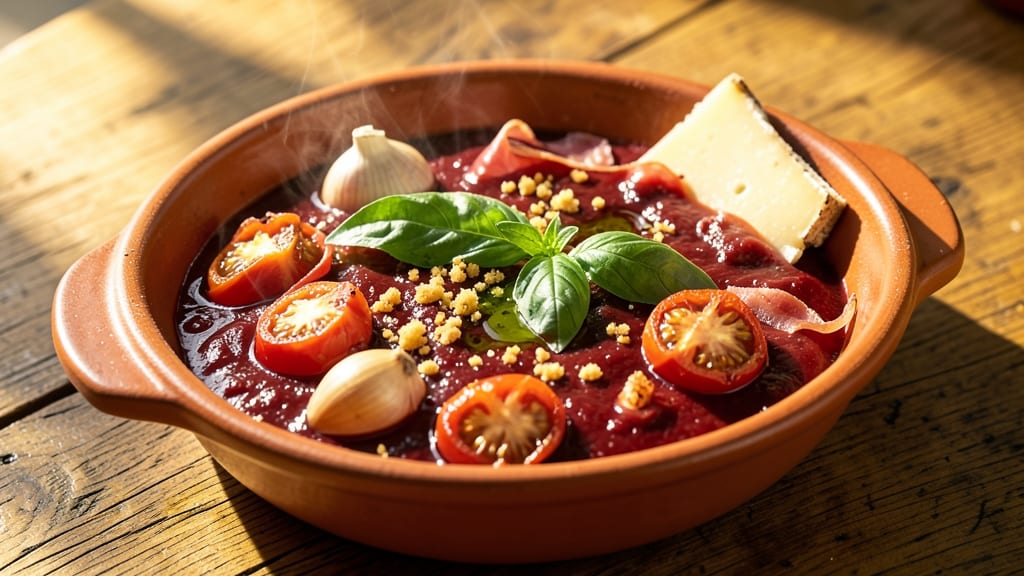
This authentic Italian red pasta sauce transforms simple ingredients into a velvety, umami-rich masterpiece that clings to every strand of pasta. The secret lies in slow simmering—letting tomatoes break down into a deep, caramelized base while garlic and herbs infuse their essence.
I've perfected this recipe over years of testing, ensuring it delivers the same depth you'd find in a Roman trattoria, without shortcuts or store-bought substitutes.
The foundation begins with fresh tomatoes (or high-quality canned San Marzano), olive oil, and garlic—classic components that build flavor through time. A splash of red wine adds brightness, while Parmesan and anchovies (optional but transformative) deepen the sauce's complexity.
The key is patience: simmering for at least 45 minutes allows the flavors to meld into a perfect, balanced sauce that's neither sweet nor overly acidic.
What sets this sauce apart is its versatility—use it immediately with al dente pasta, or store it in the fridge for up to 5 days (or freeze for months) to let the flavors evolve.
The texture becomes rich and velvety, with just the right consistency to coat noodles without overwhelming them. Each spoonful carries layers of tomato sweetness, garlic warmth, and herby freshness that make it impossible to resist.
Whether you're serving it over spaghetti, tossing it with penne, or using it as a base for other dishes, this sauce is the heart of any Italian meal.
The process is straightforward, but the results are anything but ordinary—authentic, restaurant-quality flavor in your own kitchen. Let's get started on creating this timeless classic.
Ingredients for authentic italian red pasta sauce
Eleven ingredients, simmered slow to create restaurant-quality Italian red sauce perfection.
| Ingredient | Amount | Notes |
|---|---|---|
| San Marzano Tomato Paste 🍅 | ½ cup | High-quality, no sugar added |
| Extra-Virgin Olive Oil 🫒 | ½ cup | Fruity, peppery variety preferred |
| Garlic Cloves 🧄 | 6 cloves | Fresh, peeled, minced |
| Red Wine 🍷 | ½ cup | Bold, dry variety like Chianti |
| Fresh Basil Leaves 🌿 | 1 cup | Packed, stems removed |
| Parmesan Cheese 🧀 | ½ cup | Freshly grated from block |
| Anchovy Fillets 🐟 | 4 whole | Optional but transformative |
| Canned San Marzano Tomatoes 🍅 | 1 can | 28 oz, crushed by hand |
| Dried Oregano 🌿 | 1 tsp | Italian variety preferred |
| Kosher Salt 🧂 | 1 ½ tsp | Diamond Crystal preferred |
| Black Peppercorns 🌶️ | ½ tsp | Freshly cracked |
The tomatoes are the heart of this sauce, so San Marzano is non-negotiable—they're sweeter, meatier, and less acidic than regular canned tomatoes. Grab a can or two from Whole Foods or your local Italian market if you can't find them at the grocery store. For the tomato paste, Rao's or Barilla are my go-tos—they're smooth, concentrated, and free from additives. The garlic? Freshly minced makes all the difference here—pre-minced garlic loses flavor fast. If you're using the optional anchovies, high-quality fillets (like Colosio or Filippini) dissolve beautifully without overpowering. The olive oil should be extra-virgin, not just 'pure'—look for bottles labeled 'fruity' or 'peppery' on the shelf.
No San Marzano tomatoes? Crushed tomatoes in a heavy-duty can work in a pinch, but you'll need to simmer longer to reduce excess acidity. Running low on red wine? Dry white wine or grape juice can substitute, though the color will be lighter. Fresh basil wilt fast—if you can't find it, dried basil at half the amount works, but it won't have that same bright, fresh flavor. The anchovies are optional but worth it—they add that deep, umami punch that makes this sauce truly authentic. If you skip them, boost the Parmesan to 3/4 cup instead. For the oregano, Italian oregano (not Mexican) has a more subtle, earthy flavor that won't overpower the tomatoes.
This sauce tastes even better the next day as the flavors meld. Store it in a glass jar in the fridge for up to 5 days, or freeze it in ice cube trays for perfect portions. When reheating, add a splash of water or pasta water to loosen it up—it thickens as it cools. I always make a double batch: one for immediate use and one to freeze. The frozen sauce keeps for up to 6 months without losing any of its rich, velvety texture. Just thaw overnight in the fridge before reheating.
Why You'll Love This Recipe
- I’ll be real: I make this too much on purpose. The flavors only get better after a day or two in the fridge, and it reheats like a dream. A jar in your pantry means no more last-minute takeout runs—just heat, toss, and serve. Budget-friendly? Absolutely. Stress-free? Even more so.
- No-Fail Weeknight Win: I swear by this sauce because it’s the kind of thing that doesn’t demand perfection—just a little patience. Sauté the garlic in olive oil until it’s golden but not burnt (that’s the trick), then let the red wine and San Marzano paste sing together. By the time you’re tossing it with pasta, the house will smell like Nonna’s kitchen.
- Wine-Infused Depth: Here’s what sold me—the way the red wine cuts through the richness of the tomato paste, then mellows into this velvety, slightly tangy base. Fresh basil at the end? That’s the cherry on top, bright and aromatic, making every bite feel like a little Italian vacation.
- Pasta Party Starter: Between us, this sauce is my go-to for gatherings—whether it’s a last-minute dinner for friends or a potluck where I’m the one bringing the carbs. It’s the kind of dish that pairs with everything: crusty bread, grilled chicken, or even just a sprinkle of Parmesan. (Yes, even on a Tuesday night.)
Step-by-step instructions for authentic Italian red pasta sauce
This is the classic Italian method—simple steps, bold flavors, and the perfect balance of sweetness and acidity.
Bloom the Anchovies and Sauté the Garlic
Heat the 0.5 cup extra-virgin olive oil in a heavy-bottomed saucepan over medium-low heat. Add the 4 whole anchovy fillets and let them dissolve completely into the oil—this takes about 1-2 minutes. The anchovies will melt into the oil, adding deep umami flavor without any fishy taste.
Once the anchovies are fully incorporated, add the 6 cloves minced garlic and cook for 30-60 seconds until the garlic is fragrant but not browned. Watch closely—garlic burns quickly, and you want to preserve its sweet aroma. Remove the pan from heat for now; we'll return to it later.
Develop the Sauce Base with Tomato Paste
Return the pan to medium heat and stir in the 0.5 cup San Marzano tomato paste. Cook for 3-4 minutes, stirring constantly, until the paste darkens slightly and coats the back of a spoon. This step builds the sauce's depth of flavor—don't rush it. The paste should transform from a thick paste into a rich, glossy base.
Add the 0.5 cup red wine and scrape up any browned bits from the bottom of the pan with a wooden spoon. These bits are packed with flavor, and incorporating them ensures a rich, complex sauce. Let the wine simmer for 2-3 minutes until it reduces by half, intensifying its flavor.
Incorporate Tomatoes and Seasonings
Pour in the 1 can crushed San Marzano tomatoes, along with the 1 tsp dried oregano, 1.5 tsp kosher salt, and 0.5 tsp cracked black peppercorns. Stir well to combine, then bring the mixture to a gentle simmer. The sauce should bubble softly—this helps the flavors meld without breaking down the tomatoes.
Let the sauce simmer uncovered for 20-25 minutes, stirring occasionally. You're looking for a thick, glossy consistency—almost like a jam. The sauce should coat the back of a spoon smoothly. If it reduces too quickly, add 1-2 tablespoons of water to maintain the right texture.
Finish with Basil and Parmesan
Remove the pan from heat and stir in the 1 cup fresh basil leaves and 0.5 cup freshly grated Parmesan cheese. The basil should wilt slightly, releasing its aromatic oils into the sauce. Taste and adjust the seasoning—you might need a touch more salt or pepper, depending on your tomatoes.
Let the sauce rest for 5-10 minutes before serving. This resting period allows the flavors to fully integrate, resulting in a sauce that's rich, balanced, and deeply authentic. Serve immediately over your favorite pasta, or store in an airtight container in the refrigerator for up to 3 days—it only gets better with time.
Pro Tips For Making Authentic Italian Red Pasta Sauce
- Bloom the Garlic Slow: Cook the minced garlic in olive oil on lowest possible heat—just until fragrant, not golden. I used to rush this and end up with bitter, burnt flavor. A good rule: if you’re sweating, the heat’s too high. Let it dance gently for 3-4 minutes.
- Deglaze with Wine First: Pour in the red wine immediately after removing the garlic—don’t wait. The alcohol will sizzle and evaporate faster, leaving behind deeper flavor. Skipping this step means you’re missing the sauce’s aromatic foundation.
- San Marzano Paste Only: No shortcuts here—only San Marzano tomato paste. The lower acidity and sweetness make all the difference. I once used regular paste and wondered why the sauce tasted harsh. Trust the brand; your taste buds will notice.
- Simmer, Don’t Boil: Keep the sauce at a gentle simmer after adding wine and basil—never a rolling boil. Too much heat destroys the wine’s delicate aromas and makes the basil turn bitter. A slow, steady bubble is all you need for 10-12 minutes.
Regional styles of authentic italian red pasta sauce
Roman Ragù Style
In Rome, this sauce transforms into a hearty ragù alla romana, where the focus shifts to ground beef (or a mix of beef and pork) slow-cooked with tomatoes until tender. Use 1 lb ground beef and 1 lb Italian sausage, browning them first before adding the sauce base.
The key is simmering for at least 3 hours on low heat—this breaks down the meat into rich, shreddable pieces. Finish with Pecorino Romano instead of Parmesan for a sharper, saltier kick. 🍝
Neapolitan Marinara
Neapolitan marinara skips the meat entirely, relying on fresh San Marzano tomatoes (no paste) and garlic-infused olive oil for depth. Start with 4-5 ripe tomatoes, roasted whole at 400°F for 20 minutes until blistered, then peeled and crushed.
Simmer with 1 tsp sugar (to balance acidity) and a pinch of red pepper flakes for a bright, tangy sauce. Serve with spaghetti and a sprinkle of fresh basil. 🌶️
Sicilian Pasta alla Norma
Sicily takes this sauce in a bold direction by adding roasted eggplant and fried breadcrumbs. After simmering the base, stir in 1 cup diced roasted eggplant (tossed in olive oil and salt) and finish with toasted breadcrumbs for texture.
The eggplant adds a subtle sweetness that pairs perfectly with rigatoni or pappardelle. Garnish with fresh basil and a drizzle of chili oil. 🍆
Emilian Bolognese
For a true ragù alla Bolognese, use a soffritto of 1 onion, 1 carrot, and 1 celery stalk, finely chopped and sautéed in olive oil until translucent. Add 1 lb ground beef, ½ lb pancetta, and ½ lb veal (or all beef if unavailable), cooking until browned.
Deglaze with ½ cup white wine, then proceed with the sauce base. Simmer for 2+ hours until thick and velvety. Serve with tagliatelle and a sprinkle of Parmigiano-Reggiano. 🥩
Tuscan Pasta al Pomodoro
Tuscany keeps it simple with a tomato-only sauce but elevates it with wilted spinach and Pecorino. After simmering the base, stir in 2 cups fresh spinach until just wilted, then finish with ¼ cup grated Pecorino.
The spinach adds a subtle earthiness that cuts through the richness. Pair with pici pasta (hand-rolled Tuscan noodles) for an authentic touch. 🌿
Southern Italian Cacio e Pepe
While not a red sauce, this Roman classic uses a Parmesan-cheese-based sauce with black pepper. For a twist, blend ½ cup of this tomato sauce into 1 cup grated Pecorino and 1 tsp cracked black pepper, then toss with tonnarelli pasta.
The tomato adds a subtle depth that enhances the peppery, cheesy notes. 🧀
Nutrition facts
Frequently asked questions
Why does authentic Italian red sauce need tomato paste?
The tomato paste is essential for building depth and richness—it concentrates the tomato flavor while preventing the sauce from becoming watery. Cooking it until it darkens creates a glossy base that carries all the other flavors. Skip it, and your sauce will lack that authentic, velvety texture.
Can I make this sauce without anchovies?
Yes! While anchovies add incredible umami depth, you can substitute with 1 extra tablespoon of tomato paste or ½ teaspoon of fish sauce. Boost the Parmesan to ¾ cup to compensate for the missing saltiness. The sauce will still be delicious—just slightly less complex.
How do I fix a sauce that's too acidic?
If your sauce tastes too tangy, balance it by adding 1 teaspoon of sugar or ½ teaspoon of baking soda (just a pinch!). Simmer for 5 minutes to let the flavors rebalance. For a more authentic fix, stir in 1 extra tablespoon of tomato paste and simmer until smooth.
What's the best pasta to pair with this sauce?
For this rich sauce, choose rigatoni, penne, or bucatini—their ridges and holes trap the sauce beautifully. For a lighter option, try spaghetti or linguine, but avoid delicate pastas like angel hair that can get overwhelmed.
Can I make this sauce in a slow cooker?
Follow the same steps, but transfer everything to the slow cooker after the wine reduction. Cook on low for 4-5 hours instead of simmering. The slow cooker's gentle heat enhances the flavors even more—just stir occasionally and add water if needed to prevent sticking.