
Sauces & Condiments
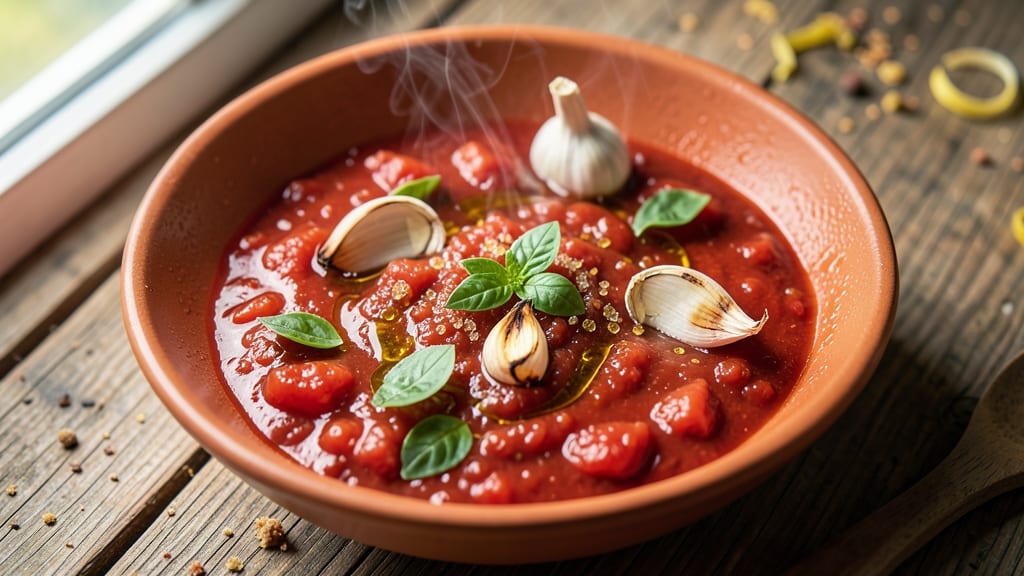
Mutti tomato sauce transforms simple canned tomatoes into restaurant-quality richness with just olive oil, garlic, and patience. I learned this technique from my grandmother's recipe journal—no fancy ingredients, just time and attention. The key is slow simmering until flavors meld into a velvety, aromatic base that elevates everything from pasta to pizza crust.
This sauce starts with canned tomatoes (no shortcuts here—we're building depth), then builds layers through garlic, herbs, and a touch of sugar to balance acidity.
The magic happens during the 30-minute simmer, where the sauce reduces to a thick, glossy consistency perfect for clinging to noodles or brushing on bread. No blender required—just a wooden spoon and your time.
What you'll end up with is a sauce so versatile it becomes your pantry staple: silky-smooth enough for alfredo-style pasta, chunky enough for rustic pizza, or even as a bold dip for crusty bread.
The aroma alone will have your kitchen smelling like a Roman trattoria, and the flavor? Pure, unadulterated tomato goodness without a can in sight.
Make a big batch—it keeps beautifully in the fridge for up to a week or freezes perfectly for months. My grandmother always said good sauce should be made when you have time, not when you're hungry. Trust me on this one: the wait is worth every second.
Ingredients for mutti tomato sauce
Eight simple ingredients transform canned tomatoes into velvety, aromatic Mutti sauce.
| Ingredient | Amount | Notes |
|---|---|---|
| Canned San Marzano Tomatoes 🍅 | 28 oz | Whole, crushed by hand |
| Extra-Virgin Olive Oil 🫒 | ½ cup | High-quality, fruity variety |
| Garlic Cloves 🧄 | 4 cloves | Fresh, peeled, minced |
| Dried Basil 🌿 | 1 tbsp | Or 0.25 cup fresh basil |
| Dried Oregano 🍃 | 1 tsp | Italian or Mediterranean |
| Granulated Sugar 🍚 | 1 tbsp | Balances acidity |
| Salt 🧂 | 1 tsp | Diamond Crystal preferred |
| Black Peppercorns 🌶️ | ½ tsp | Freshly cracked |
The tomatoes make or break this. San Marzano is ideal—sweet, meaty, and low-acid—but any good-quality canned tomatoes work. I grab mine from Trader Joe's or Whole Foods bulk bins when possible. The garlic? Fresh is non-negotiable—pre-minced jars lack flavor. For the olive oil, avoid light or refined oils—you want fruity, peppery notes. The dried herbs should smell vibrant; if they're musty, toss them. Sugar balances the acidity, but taste as you go—sometimes you need less, sometimes more. My grandmother always said, 'The sauce should sing, not scream.'
No San Marzano? Crush regular canned tomatoes by hand—no blender needed. Short on basil? Dried oregano at half the amount works, but fresh basil is worth hunting down at farmers markets. Want more depth? Add a pinch of red pepper flakes. The sugar can be swapped for honey (if you're not strict vegan), but I prefer white sugar for neutral flavor. For the pepper, freshly cracked is best, but pre-ground works in a pinch. The olive oil? Don't skimp—this is where the sauce gets its richness. If you've got white wine (about 2 tbsp), add it with the tomatoes for extra brightness.
This sauce gets better with time—30 minutes simmering is minimum. Store in airtight containers in the fridge for up to 1 week, or freeze for 6 months. I always make a double batch because it disappears fast. The sauce thickens as it cools, so you can thin it with a splash of water or pasta water if needed. Leftovers? Perfect for quick pasta, pizza toppings, or even a bold bruschetta dip. Trust me, the second day is when it truly shines.
Why You'll Love This Recipe
- No-Chop Nightmare: I swear by this sauce because it’s the only time I’ve ever used canned tomatoes and felt like a hero. The San Marzano plumps up in minutes—no peeling, no dicing, just tear open, dump, and stir. That’s it. Honestly, I’ve made this on days when I forgot to buy fresh tomatoes and forgot to eat lunch.
- Herb Bomb Simplicity: Between us, I used to overthink tomato sauce—too much garlic, not enough salt, burnt edges. This? Just three cloves of garlic sizzling in olive oil until they’re golden but not crispy, then the basil and oregano go in like a whisper. The flavor builds itself—deep, bright, and just sweet enough from those tomatoes. It’s the kind of taste that makes you pause mid-spoonful.
- Pasta’s Best Friend: This sauce is my go-to for everything: slather it on toast for bruschetta, toss it with al dente penne, or even dollop it over grilled chicken. I’ve even frozen jars of it for lazy Mondays when I need something fast. The best part? It doesn’t fight with other flavors—it enhances them. (Yes, even on a Tuesday night.)
- Leftovers That Don’t Suck: I make a big batch on Sundays because it actually improves the next day. The flavors meld, the acidity mellows, and it’s still vibrant—no sad, watery aftertaste. Plus, it’s cheap: a can of tomatoes, a bulb of garlic, and a sprinkle of herbs stretch to feed four for under five bucks. That’s my kind of meal prep.
Step-by-step instructions for homemade Mutti tomato sauce
This sauce builds flavor layer by layer—slow, steady simmering transforms simple ingredients into something truly special.
Crush the Tomatoes by Hand
Empty the 28 oz canned San Marzano tomatoes into a large bowl and use your clean hands to crush them gently. I like to press down firmly with the heel of my hand while twisting slightly—this breaks up the tomatoes while preserving their natural juices. You want a chunky texture with some whole pieces remaining for authentic Italian flavor. Avoid pulsing in a blender, as that removes the beautiful texture that makes this sauce special.
Real talk: if you're short on time, you can use a potato masher instead of your hands. Just make sure to leave some small chunks—they'll soften beautifully during cooking and add depth to the sauce. Transfer the crushed tomatoes to a heavy-bottomed saucepan once you've achieved your desired consistency.
Sauté Garlic in Olive Oil
Heat the 0.5 cup extra-virgin olive oil over medium heat in the same saucepan you'll be using for the sauce. Add the 4 minced garlic cloves and cook for exactly 30 seconds, stirring constantly. The garlic should become fragrant but not brown—if it starts to darken, you've gone too far. Here's the thing—garlic burns in seconds, so keep your eye on it.
This quick sauté develops the garlic's natural sweetness without creating bitterness. The olive oil should be shimmering but not smoking—that's your perfect cooking zone. Once the garlic is fragrant, immediately add the crushed tomatoes before the garlic has a chance to color.
Season and Simmer Low and Slow
Add the 1 tbsp granulated sugar, 1 tsp salt, 1 tsp dried oregano, and 1 tbsp dried basil to the saucepan. Stir everything together thoroughly to combine all the ingredients. The sugar helps balance the natural acidity of the tomatoes while enhancing their sweetness. Bring the mixture to a gentle simmer over medium-low heat.
Now comes the most important part: patience. Let the sauce simmer uncovered for 45-60 minutes, stirring occasionally. You're looking for a sauce that thickens naturally as the moisture evaporates. The sauce should reduce to about half its original volume, becoming rich and concentrated. I check for doneness by tasting—it should be balanced between sweet and tangy, with deep tomato flavor developing.
Finish with Pepper and Adjust Seasoning
Once the sauce has thickened to your liking, remove it from heat and let it cool slightly. Add the 0.5 tsp freshly cracked black peppercorns and stir gently. The pepper adds a subtle heat that complements the sweetness of the tomatoes. Taste the sauce and adjust the seasoning if needed—you might want to add a pinch more salt or sugar depending on your tomatoes' natural balance.
For best results, let the sauce rest at room temperature for 10-15 minutes before serving. This allows all the flavors to meld together completely. The sauce will continue to thicken slightly as it cools, so don't be surprised if it looks a bit looser when you first take it off the heat. This homemade mutti tomato sauce keeps well in the refrigerator for up to 5 days or can be frozen for up to 3 months.
Pro Tips For Making Mutti Tomato Sauce
- CRUSH THE GARLIC: First, smash those cloves with the flat side of your knife—no chopping. This releases more flavor and prevents bitter, almond-like notes that ruin the sauce. (I used to burn garlic instead of crushing it; don’t make my mistake.)
- SIMMER LOW AND LONG: After adding tomatoes, drop the heat to the lowest setting possible—this isn’t a race. A steady 45-minute simmer on low concentrates the flavors without scorching. (Yes, even if you’re staring at the clock.)
- SALT THE TOMATOES FIRST: Drain the San Marzanos, then sprinkle them with salt and let them sit for 10 minutes. This pulls out excess water and seasons the base properly. (Skipping this step means a watery, bland sauce—trust me.)
- TOAST THE HERBS: Heat a dry pan over medium-low and toast the dried basil and oregano for 30 seconds until fragrant. Toss them into the sauce at the very end—this wakes up their flavor instead of letting them turn bitter. (I was skeptical until I tried it.)
Perfect pairings for this recipe
Pasta Pairings
This sauce clings beautifully to al dente spaghetti or bucatini, where its velvety texture becomes the star. I like to toss 12 oz dried pasta with 2 tbsp olive oil before adding the sauce to create a silky coating.
For extra richness, finish with grated Parmigiano-Reggiano and a sprinkle of fresh basil. 🍝
Try it with rigatoni or penne for a heartier dish—those ridges catch the sauce perfectly. If you're feeling adventurous, toss in ½ cup cooked white beans for a white bean and tomato pasta that's pure comfort. The sauce's natural sweetness balances the earthiness of the beans beautifully.
Pizza Toppings
Spread this sauce thinly over pre-baked pizza dough and top with fresh mozzarella, basil leaves, and a drizzle of olive oil for a classic Margherita-style pizza.
The sauce's chunky texture prevents sogginess while delivering deep tomato flavor. For a Boston twist, add crumbled feta and sliced radishes—trust me, it's unexpected but delicious. 🍕
Use it as a base for pizza bianca by omitting the tomato sauce entirely. Instead, brush the dough with olive oil, top with the Mutti sauce, and finish with ricotta dollops, prosciutto, and arugula. The sauce adds a sweet, tangy contrast to the creamy ricotta.
Bread Dips
Warm the sauce slightly and serve it as a dip for crusty bread or garlic knots. I like to add a splash of white wine (about 2 tbsp) to the warm sauce just before serving for extra brightness.
For a rustic touch, tear the bread into irregular pieces—they'll soak up the sauce beautifully. 🥖
Turn it into a bruschetta by topping toasted baguette slices with the sauce, fresh mozzarella, and basil. The sauce's richness makes this dish feel like a restaurant appetizer without the fuss. For a Boston market find, grab sourdough bread from your local bakery and toast it until crisp.
Meat Pairings
Use this sauce to deglaze a pan after cooking chicken thighs or pork chops. The sauce's depth enhances the meat's natural flavors, creating a one-pan wonder. Simmer the sauce with the meat juices for 10 minutes to create a pan sauce that's perfect for drizzling over roasted vegetables. 🍗
Slow-cooked pulled pork or beef short ribs become even more tender when finished with this sauce. Add the sauce during the last 30 minutes** of cooking to let the flavors meld. The sauce's natural sweetness complements the smoky, savory notes of slow-cooked meats beautifully.
Nutrition facts
Frequently asked questions
Can I use fresh tomatoes instead of canned?
Fresh tomatoes work but require extra prep. Use about 4-5 large ripe tomatoes (peeled, seeded, and chopped) to replace the 28 oz can. Simmer them first for 10 minutes to break down their texture, then proceed with the recipe. Fresh tomatoes have more water content, so you may need to simmer the sauce 10-15 minutes longer to achieve the same thickness.
How do I make this sauce thicker or thinner?
For thicker sauce: Simmer uncovered for 5-10 minutes longer to reduce. For thinner sauce, stir in 1-2 tbsp water or pasta water while warm. Pro tip: The sauce thickens as it cools, so don't over-reduce it. If it's too thick after chilling, add a splash of water when reheating. Never add flour or cornstarch—it's not traditional and changes the texture.
Can I make this sauce in a slow cooker?
Combine all ingredients in your slow cooker and cook on low for 6-8 hours or high for 3-4 hours. The long cook time enhances flavors beautifully. Just stir occasionally and add a splash of water if it gets too thick. The slow cooker method is perfect for hands-off prep—ideal when you're busy but want restaurant-quality results.
What's the secret to making this taste like my Nonna's?
Patience and quality ingredients make all the difference. Use San Marzano tomatoes, fresh garlic, and high-quality olive oil. Let the sauce simmer uncovered so flavors concentrate. My Nonna always said, "The best sauce is made when you have time, not when you're hungry." Also, taste as you go—adjust salt and sugar to your preference. The longer it simmers, the deeper the flavor!
Can I freeze this sauce?
Yes! Portion the sauce into airtight containers or freezer bags, leaving ½-inch headspace for expansion. It keeps for up to 6 months. To use, thaw overnight in the fridge, then reheat gently on the stove. For best texture, don't refreeze once thawed. The sauce actually improves after freezing—flavors meld even more during the cold storage!