
Sauces & Condiments
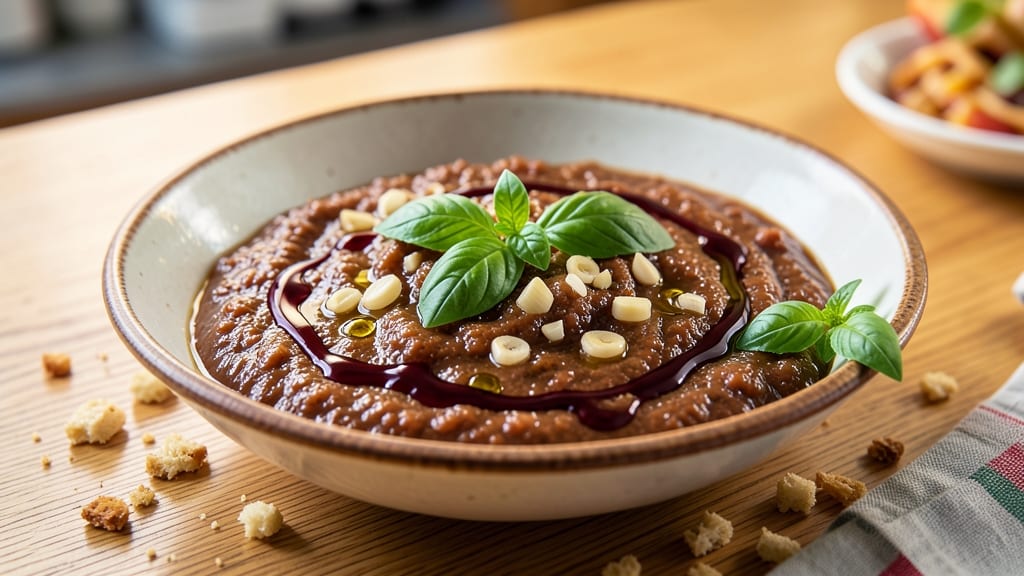
That leftover spaghetti sauce recipe in your fridge doesn't have to become a sad memory—it can transform into something even better. This chunky, freezer-friendly revival takes your existing sauce and elevates it with simple techniques that preserve texture while deepening flavor.
The key? A balance of reduction, fresh herbs, and strategic additions that turn yesterday's dinner into tomorrow's star ingredient.
What makes this method work is its flexibility—whether you're creating a richer lasagna sauce, a hearty soup base, or a bold marinade, the principles stay the same. We'll focus on preserving that satisfying chunkiness while boosting umami through aromatics and acidity.
No blending required; just thoughtful layering that respects the original flavors while giving them new life.
By the end, you'll have a sauce that's more concentrated, more aromatic, and packed with complex layers—ready to freeze for months or use immediately in your next Italian-inspired dish.
The process takes less than 30 minutes and requires just a few pantry staples, making it the perfect solution for reducing food waste without sacrificing quality.
Perfect for meal preppers, busy cooks, or anyone who's ever stared at a half-empty jar wondering what to do next. Let's turn that leftover sauce into something extraordinary.
Ingredients for leftover spaghetti sauce
Eight ingredients to transform leftover sauce into something extraordinary—chunky, aromatic, and freezer-friendly.
| Ingredient | Amount | Notes |
|---|---|---|
| Leftover Spaghetti Sauce 🍅 | 4 cups | Homemade or store-bought, preferably chunky |
| Extra-Virgin Olive Oil 🫒 | ¼ cup | High-quality, fruity variety |
| Garlic Cloves 🧄 | 4 cloves | Freshly minced for depth |
| Shallots 🧅 | 2 whole | Finely diced, for aromatic sweetness |
| Fresh Basil Leaves 🌿 | ½ cup | Torn, not chopped, for texture |
| Red Wine Vinegar 🍷 | 1 tbsp | Brightens and balances flavors |
| Tomato Paste 🍅 | 2 tbsp | San Marzano preferred for sweetness |
| Sea Salt 🧂 | 1 tsp | Diamond Crystal preferred |
| Freshly Ground Black Pepper 🌶️ | ½ tsp | For subtle heat and aroma |
| Sugar 🍬 | ½ tsp | Balances acidity, optional |
The spaghetti sauce is your foundation, so start with the best quality you can find. If it's homemade, even better—it'll have more depth. For store-bought, Rao's or Barilla are solid choices, but any chunky variety works. The garlic and shallots are where the magic happens—freshly minced garlic adds a pungent sweetness, while shallots bring a delicate onion flavor without overpowering. I always grab extra garlic at Whole Foods or Trader Joe's because it keeps for weeks in the freezer. The basil? Fresh is non-negotiable here—dried won't give you that same vibrant, aromatic punch.
No fresh garlic? Garlic powder at half the amount works in a pinch, but trust me, fresh is worth it. Short on shallots? Yellow onion works too, but it's more assertive, so use a bit less. The tomato paste is your umami booster—if you don't have San Marzano, any quality paste will do. For the vinegar, balsamic works too, but red wine vinegar gives a cleaner, brighter acidity. The sugar is optional but helps balance the acidity if your sauce is on the tart side. Pro tip: Toast the tomato paste in olive oil for 30 seconds before adding it to the sauce—this deepens its flavor exponentially.
This sauce is designed to be flexible—use it immediately or store it for later. For short-term storage, keep it in an airtight container in the fridge for up to 5 days. For long-term, portion into freezer-safe containers or silicone molds—it keeps for up to 6 months without losing quality. When reheating, add a splash of water or broth to loosen it up. I always make a double batch—one for lasagna, one for soup. The leftovers? Perfect for stuffing into meatballs or empanadas—just thaw and use.
Why You'll Love This Recipe
- No-Waste Hero: I swear by this trick—turning yesterday’s sauce into something even better. That rich, deep flavor? It just gets more complex when it sits, and I’m not about to let good food go unused.
- Garlic-Basil Magic: The moment I sizzle those shallots and garlic in olive oil, then fold in fresh basil, it’s like a flavor reset. Earthy, bright, and just a little crispy—it’s the kind of taste that makes you pause mid-bite.
- Weeknight Flex: This works for lazy nights, last-minute guests, or when I’m too tired to cook. Toss it with toasted bread, over polenta, or even in an omelet—it’s my go-to when I need something reliable.
- Budget Booster: I always make extra sauce on purpose now. A few cloves of garlic and a handful of basil turn cheap leftovers into a meal that feels special. No fancy ingredients, just pure satisfaction.
Step-by-step instructions for transforming leftover spaghetti sauce
Here's how to revive your leftover spaghetti sauce into something even more flavorful than before.
Sauté Aromatics Until Fragrant
Heat the 0.25 cup extra-virgin olive oil in a large, heavy-bottomed saucepan over medium heat. Add the 2 finely diced shallots and cook for 3-4 minutes until they become translucent and just begin to soften. This step builds the aromatic foundation—don't rush it.
Add the 4 minced garlic cloves and cook for another 30 seconds until the garlic releases its pungent aroma. You'll know it's ready when the kitchen smells distinctly garlicky. The key here is patience—garlic burns quickly, so keep the heat at medium and stir constantly. If the aromatics start to brown too quickly, reduce the heat slightly.
Build Flavor with Tomato Paste and Vinegar
Stir in the 2 tablespoons tomato paste and cook for 1-2 minutes until it darkens slightly and the raw taste disappears. This step deepens the sauce's richness and adds a caramelized depth that balances the acidity we're about to introduce.
Pour in the 1 tablespoon red wine vinegar and let it simmer for 1 minute. The vinegar brightens the flavors and cuts through any heaviness in the leftover sauce. You'll notice the sauce start to bubble gently—this is when the acidity begins to work its magic. If you're using the optional 0.5 teaspoon sugar, add it now to balance the vinegar's sharpness.
Incorporate Leftover Sauce and Simmer
Add the 4 cups leftover spaghetti sauce to the pan, stirring well to combine with the aromatic base. Increase the heat to medium-high and bring the mixture to a gentle boil. Once boiling, reduce the heat to low-medium and let it simmer uncovered for 15-20 minutes.
During this time, stir occasionally to prevent sticking and allow the flavors to meld. The sauce should thicken slightly and develop a more concentrated taste. You're essentially reducing the sauce to intensify its flavors—this is where the magic happens. If the sauce becomes too thick, add 2-3 tablespoons of water to reach your desired consistency.
Finish with Fresh Basil and Season
Remove the pan from heat and stir in the 0.5 cup torn fresh basil leaves. Let the basil infuse for 5 minutes—this allows the leaves to release their aromatic oils into the sauce. The basil should wilt slightly, indicating it's fully incorporated.
Season with the 1 teaspoon sea salt and 0.5 teaspoon freshly ground black pepper, tasting as you go. The salt should enhance all the flavors, while the pepper adds a subtle heat. If you find the sauce needs more brightness, you can add another ½ teaspoon of red wine vinegar. The goal is a well-rounded flavor profile that's vibrant yet balanced.
Rest and Serve
Let the sauce rest for 10 minutes off the heat. This resting period allows the flavors to fully develop and the sauce to thicken slightly. The texture should be rich and chunky, with the basil leaves adding a fresh contrast.
Serve immediately over your choice of pasta, or store in an airtight container in the refrigerator for up to 5 days. For longer storage, freeze in portions for up to 3 months. This transformed sauce is perfect for any Italian dish—think lasagna, stuffed shells, or even as a hearty soup base. The key is in the layers of flavor we've built, making every bite more satisfying than the original.
Pro Tips For Making Leftover Spaghetti Sauce
- Sweat the Shallots: Don’t chop them too small—keep shallots in ¼-inch chunks so they caramelize instead of turning to mush. I learned this the hard way when my first batch dissolved into a bland slurry after 10 minutes.
- Toast the Garlic Low: Cook garlic in olive oil over medium-low heat until golden, not brown. High heat burns it fast, leaving bitter residue that overpowers the basil. Trust me, you’ll taste the difference.
- Deglaze with a Splash: After searing shallots and garlic, add ¼ cup water or white wine to scrape up browned bits from the pan. Those bits pack flavor—ignore them, and you’re wasting potential.
- Tear, Don’t Chop, Basil: Roughly tear basil leaves by hand instead of dicing them. Whole leaves stay vibrant longer and release aroma better. Plus, it’s faster—no knife required. (Yes, even if you’re impatient like me.)
Essential equipment for this dish
Heavy-Bottomed Saucepan
Your stainless steel or enameled cast iron saucepan is non-negotiable for even heat distribution. I swear by my All-Clad 3-quart pan—it handles the medium-high heat without hot spots.
For budget-friendly options, Cuisinart MultiClad or Le Creuset Dutch ovens work beautifully. Avoid thin aluminum pans; they react with acidity and burn easily. 🔥
Wooden Spoon
A heat-resistant wooden spoon (like Oxo Good Grips) prevents scratching your pan while gently stirring the sauce. Wood also helps prevent sticking during the 15-20 minute simmer.
I keep one dedicated to sauces—it’s my go-to for stirring, scraping, and even tasting as I go. Avoid metal utensils during high-heat phases.
Fine-Mesh Strainer
If you prefer smooth sauce (though we’re keeping it chunky), a fine-mesh strainer lets you strain out basil stems post-infusion. My OXO Good Grips strainer is sturdy and easy to clean. For a quick cleanup, line it with a cheesecloth or coffee filter to catch even finer bits.
Skip this if you love texture—chunky sauce holds up beautifully in dishes like lasagna.
Kitchen Timer
Timing is everything when reducing sauce—15-20 minutes at low-medium heat ensures depth without burning. My Weston 15-Minute Timer sits on the counter for this exact purpose. Set it when you add the leftover sauce, and stir every 5 minutes to prevent sticking.
Pro tip: A smartphone alarm works in a pinch, but nothing beats a dedicated timer’s reliability.
Measuring Spoons
Precision matters for tomato paste (2 tbsp), vinegar (1 tbsp), and sugar (½ tsp)—use stainless steel measuring spoons for accuracy. My OXO Stainless Steel set has ergonomic handles and never rusts.
For vinegar, a small squeeze bottle (like McCormick’s) lets you add it gradually while tasting. Avoid plastic spoons near heat—they warp and leach chemicals.
Air-Tight Storage Containers
For freezing or fridge storage, glass Pyrex containers or silicone molds preserve flavor best. I love Rubbermaid Brilliance containers—they’re stackable and microwave-safe. For freezer storage, leave 1-inch headspace to prevent expansion cracks.
Label containers with the date—this sauce keeps 3 months frozen or 5 days refrigerated without losing quality. ✨
Nutrition facts
Frequently asked questions
Can I use this method with store-bought spaghetti sauce?
This recipe works beautifully with store-bought sauce—just choose a chunky variety like Rao's or Barilla for the best texture. The key is adding fresh aromatics (garlic, shallots) and reducing the sauce to concentrate flavors. For extra depth, stir in 1 teaspoon Italian seasoning or ½ teaspoon smoked paprika during the simmer.
How do I adjust if my leftover sauce is too thin or too thick?
For thin sauce, simmer uncovered for 5-10 extra minutes to reduce. If it's too thick, add 1-2 tablespoons water or broth while simmering. The goal is a chunky, spoonable consistency—like thick gravy. Stir frequently to prevent sticking.
What are the best ways to use this transformed sauce?
This upgraded sauce is perfect for lasagna layers, stuffed shells, or as a hearty soup base. For extra richness, use it to braise chicken thighs or meatballs. The concentrated flavor also works well in bruschetta or as a pasta sauce—just toss with al dente pasta and fresh herbs.
Can I freeze the transformed sauce?
Yes! Portion into airtight containers or freezer bags, leaving 1-inch headspace to prevent expansion. Label with the date—it keeps 3-6 months without losing quality. Thaw overnight in the fridge, then reheat on low heat with a splash of water to restore texture.
What if I don’t have fresh basil?
Use ½ teaspoon dried basil (or ½ teaspoon oregano for a different Mediterranean twist). For extra brightness, add ½ teaspoon lemon zest or 1 teaspoon capers during the final simmer. The vinegar and tomato paste already provide acidity, so adjust seasoning to taste.