
Sauces & Condiments
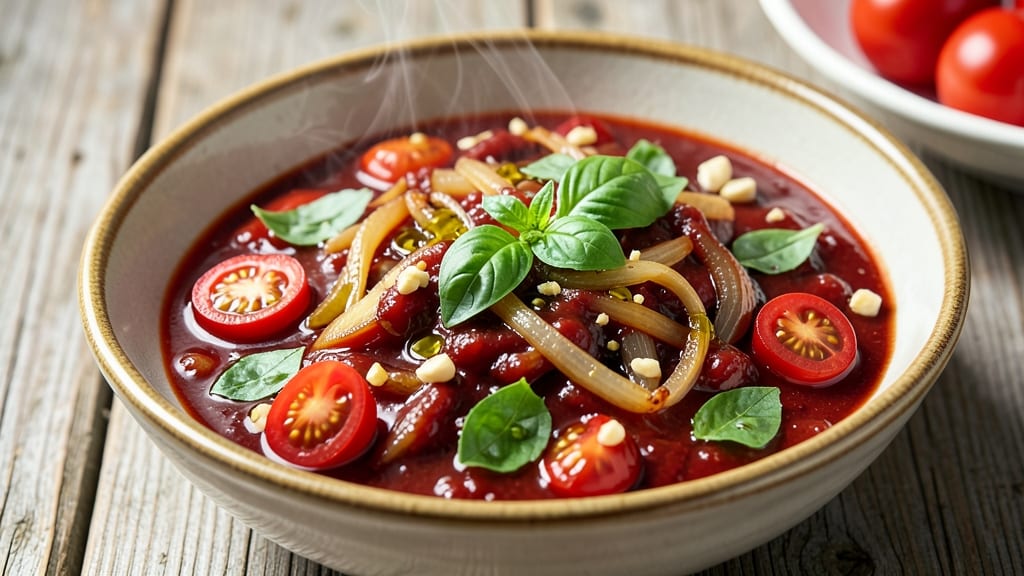
This freezer spaghetti sauce with fresh tomatoes captures summer's bright flavor in every jar—perfect for stocking your pantry with restaurant-quality sauce. I developed this recipe after realizing store-bought versions couldn't match the depth of homemade, especially when using peak-season tomatoes.
The key is balancing acidity and sweetness while creating a texture that reheats beautifully, whether you prefer classic chunky or smooth sauce.
What sets this sauce apart is its freezer-friendly formula designed to maintain vibrant color and rich flavor after months in storage. We start with fresh tomatoes—either garden-fresh or high-quality store-bought—simmered until their natural sweetness emerges.
Aromatic vegetables like onions and garlic form the flavor base, while herbs and spices create layers of complexity that develop even more during freezing.
The result is a versatile sauce that transforms into everything from weeknight pasta to lasagna layers or even a hearty dip. Each batch yields about 8 quarts, enough to fill your freezer with portions perfect for quick meals.
The sauce's balanced acidity prevents it from becoming too sweet or sour, while the tomato concentration ensures deep, authentic flavor that doesn't fade over time.
Whether you're prepping for winter or simply want to preserve summer's bounty, this recipe delivers professional-quality results with minimal effort. The secret lies in proper acidification, slow simmering, and portioning techniques that maintain texture after freezing. Let's create sauce that tastes like it was made yesterday, even months later.
Ingredients for freezer spaghetti sauce recipe with fresh tomatoes
Fresh tomatoes and aromatic vegetables create vibrant sauce perfect for freezing—bright flavor preserved for months ahead.
| Ingredient | Amount | Notes |
|---|---|---|
| Fresh Tomatoes 🍅 | 6 lb | Roma or vine-ripened, cored and chopped |
| Yellow Onion 🧅 | 2 whole | Diced, medium size preferred |
| Garlic Cloves 🧄 | 8 cloves | Peeled, roughly chopped |
| Extra-Virgin Olive Oil 🫒 | ½ cup | High-quality, fruity variety |
| Canned San Marzano Tomatoes 🍅 | 28 oz | Crushed, for acidity balance |
| Fresh Basil Leaves 🌿 | 1 cup | Packed, stems removed |
| Fresh Oregano Leaves 🍃 | ¼ cup | Or 1 tbsp dried oregano |
| Dried Thyme 🌿 | 1 tsp | Or 1 tbsp fresh thyme |
| Red Wine 🍷 | 1 cup | Bold, dry variety like Cabernet |
| Tomato Paste 🍅 | ½ cup | High-quality, no sugar added |
| Granulated Sugar 🍚 | 1 tbsp | Balances acidity naturally |
| Kosher Salt 🧂 | 2 tsp | Diamond Crystal preferred |
| Black Peppercorns 🌶️ | ½ tsp | Freshly cracked |
| Bay Leaves 🌿 | 2 whole | Removed before freezing |
| Lemon Juice 🍋 | 1 tbsp | Freshly squeezed, for brightness |
The tomatoes are the heart of this sauce, so don't skimp. Roma tomatoes from the farmers market pack the most flavor, but any vine-ripened variety works—just avoid those mealy grocery store ones. For the fresh herbs, Whole Foods or local markets usually have the freshest basil and oregano. If you're using dried herbs, measure carefully—dried is more concentrated. The San Marzano canned tomatoes are worth the splurge for their sweetness and low acidity. I always buy them in bulk from Trader Joe's when they're on sale, then freeze extras for future batches.
No fresh tomatoes? High-quality canned crushed tomatoes work in a pinch, but add an extra splash of red wine to compensate for lost freshness. Running low on basil? Fresh parsley at double the amount keeps the color green but lacks the same depth. The red wine can be swapped for tomato paste mixed with water if you're avoiding alcohol, but you'll lose some complexity. For the tomato paste, store-bought tubes are more convenient than cans—just squeeze out exactly what you need. The sugar might seem odd, but it balances the acidity beautifully, especially after freezing. Don't skip it.
This sauce freezes like a dream—just portion into quart-sized freezer bags with a straw for easy scooping later. Lay flat to freeze, then stack like pancakes to save space. Thaws in the fridge overnight or microwave portions directly from frozen. Labeled with dates, these keep for up to 12 months without losing quality. I always make a double batch—one for the freezer, one for immediate use. The flavor actually improves after freezing, developing deeper layers of complexity.
Why You'll Love This Recipe
- This sauce is my meal-prep MVP: freeze it in portions, and boom—you’ve got dinner for a week. Toss it with pasta for a quick weeknight meal, use it as a pizza base, or even ladle it over grilled chicken. It’s the kind of sauce that makes you feel like a hero, even when you’re just reheating leftovers. (My kids don’t even know it’s the same sauce.)
- No-Chop Nightmare: I swear by this sauce because the prep is actually minimal—just dice one onion and crush a few garlic cloves while the tomatoes roast themselves in the oven. That’s it. The fresh tomatoes caramelize into sweet, jammy perfection with zero effort, and the San Marzanos handle the rest. (Yes, even on a Tuesday night when I’d rather be scrolling.)
- Sunshine in a Jar: The moment I blend those roasted fresh tomatoes with the canned San Marzanos? Pure summer magic. The fresh ones bring bright acidity, while the canned ones deliver that deep, meaty sweetness—like a hug from Italy. A splash of olive oil ties it all together, and suddenly, you’ve got a sauce that tastes like you simmered it for hours (but you didn’t).
- Freezer Fairy Godmother: This sauce is my meal-prep MVP: freeze it in portions, and boom—you’ve got dinner for a week. Toss it with pasta for a quick weeknight meal, use it as a pizza base, or even ladle it over grilled chicken. It’s the kind of sauce that makes you feel like a hero, even when you’re just reheating leftovers. (My kids don’t even know it’s the same sauce.)
Step-by-step instructions for freezer spaghetti sauce with fresh tomatoes
Here's how to build a rich, vibrant sauce that freezes beautifully while keeping that bright tomato flavor intact.
Sauté Aromatics Until Deeply Fragrant
Heat the 0.5 cup extra-virgin olive oil in a large Dutch oven over medium heat. Add the 2 whole diced yellow onion and cook for 8-10 minutes until softened and translucent. The onions should become sweet and caramelized at the edges—this builds flavor depth.
Add the 8 roughly chopped garlic cloves and 1 tsp dried thyme, stirring constantly for 1 minute until the garlic releases its pungent aroma. You'll know it's ready when the kitchen fills with that unmistakable garlic scent. Be careful not to let the garlic burn—it turns bitter quickly. Remove the pan from heat momentarily if needed to control the color.
Build the Tomato Base with Wine and Paste
Return the pan to medium heat and pour in the 1 cup red wine, scraping up any browned bits from the bottom with a wooden spoon. This deglazing step captures all the flavor you've built so far. Let it simmer for 3-4 minutes until reduced by half, then stir in the 0.5 cup tomato paste and cook for another 2 minutes to thicken slightly.
Add the 6 lb chopped fresh tomatoes, 28 oz crushed canned San Marzano tomatoes, 1 tbsp granulated sugar, 2 tsp kosher salt, 0.5 tsp cracked black peppercorns, 2 whole bay leaves, and 1 tbsp lemon juice. The sugar balances the acidity while preserving the fresh tomato brightness. Stir well to combine all ingredients thoroughly.
Simmer Until Thick and Flavor-Intense
Bring the sauce to a gentle boil, then reduce heat to low and let it simmer uncovered for 45-60 minutes. Stir occasionally, especially toward the end when it thickens. You're looking for a sauce that coats the back of a spoon but still has some body—this consistency freezes beautifully without becoming gluey.
I like to taste and adjust seasoning at the 30-minute mark. Add more salt if needed, or a splash of water if the sauce becomes too thick. The sauce should smell rich and complex, with layers of tomato, wine, and herbs. The fresh basil and oregano will infuse their flavors during this long simmer.
Finish with Fresh Herbs and Cool Completely
Remove the sauce from heat and stir in the 1 cup packed fresh basil leaves and 0.25 cup fresh oregano leaves. Let the herbs steep in the warm sauce for 10 minutes, then remove the bay leaves. Taste again—this is where the sauce comes together. The herbs should brighten the flavors and add freshness that holds up well when frozen.
Spread the sauce in a thin layer on a baking sheet and refrigerate for 2 hours to chill completely. This step prevents ice crystals from forming when frozen. Once fully chilled, transfer to airtight freezer containers, leaving 1-inch headspace for expansion. Label with the date—this sauce keeps for up to 6 months in the freezer.
Thaw and Reheat for Maximum Flavor
When ready to use, transfer the frozen sauce to the refrigerator and let it thaw overnight. For a quick thaw, place the sealed container in a bowl of warm water, changing the water every 30 minutes until thawed. Gently reheat the sauce in a saucepan over low heat, stirring occasionally, until warmed through.
The sauce should thicken slightly as it reheats—if it becomes too thick, add a splash of water or pasta water to reach your desired consistency. Serve immediately over freshly cooked spaghetti, reserving some pasta water to adjust the sauce if needed. The bright tomato flavor and fresh herbs will transport you straight to a summer kitchen garden.
Pro Tips For Making Freezer Spaghetti Sauce Recipe With Fresh Tomatoes
- CRANK THE HEAT FIRST: Don’t simmer the onions and garlic—start them over medium-high heat until they’re golden brown, not just translucent. I used to rush this, and the sauce always tasted flat; now I wait until the onions smell sweet and caramelized before adding anything else.
- PEEL THOSE TOMATOES: Skip the skins on fresh tomatoes—blanch them in boiling water for 30 seconds, then ice bath, then peel. The texture’s smoother, and the sauce won’t turn grainy when frozen. (Yes, it’s extra work, but your future self will notice the difference.)
- DON’T SKIP THE DEGLAZE: After cooking the onions and garlic, splash in ½ cup water or white wine and scrape the browned bits off the pot. Those bits pack flavor, and skipping this step means losing half the taste—no exaggeration.
- FREEZE IN PORTIONS: Divide the sauce into 16-ounce freezer bags, lay them flat, and freeze. Thawing takes 24 hours this way, and you won’t end up with a giant ice block that takes forever to reheat. (Pro move: Label them with the date—trust me.)
Best sauces and condiments for freezer spaghetti sauce recipe with fresh tomatoes
Pasta Perfection
This sauce transforms into a restaurant-quality spaghetti dish with just a few simple steps. Start by cooking 8 oz spaghetti according to package instructions, reserving ½ cup pasta water.
Toss the drained pasta with 1 cup of the reheated sauce, adding reserved pasta water as needed to loosen the sauce. Finish with 2 tbsp grated Parmesan cheese and 1 tbsp chopped fresh basil for that final bright touch. 🍝
Lasagna Layers
For lasagna, spread ½ cup sauce on a layer of no-boil lasagna noodles, then add ¼ cup ricotta cheese mixed with 1 egg and ¼ cup grated mozzarella. Repeat layers in a 9x13-inch baking dish, finishing with sauce and extra mozzarella.
Bake at 375°F for 25-30 minutes until bubbly. The freezer sauce maintains its vibrant flavor through baking, making each layer taste homemade.
Meatball Magic
Use this sauce as a dipping sauce for homemade meatballs by simmering 1 lb frozen meatballs in 2 cups sauce for 10 minutes. Serve with toasted baguette slices for a cozy appetizer.
For extra richness, stir in 2 tbsp heavy cream during the last 5 minutes of reheating. The sauce's balanced acidity cuts through the meatballs' richness beautifully. 🍴
Pizza Base
Spread 1½ cups sauce evenly over a 12-inch pizza crust, then top with 1 cup shredded mozzarella, ¼ cup sliced pepperoni, and 2 tbsp chopped fresh basil. Bake at 425°F for 12-15 minutes until the crust is golden.
The sauce's vibrant flavor shines through the cheese, making every bite taste like a summer garden. For a white pizza twist, mix ½ cup sauce with ½ cup ricotta before spreading.
Baked Ziti
Combine 2 cups sauce with 1 lb ziti pasta, 1 cup marinara sauce, and 1½ cups ricotta cheese in a 9x13-inch baking dish. Top with 2 cups shredded mozzarella and bake at 375°F for 30 minutes.
The freezer sauce's depth of flavor makes this baked ziti heartier than store-bought versions. For extra texture, sprinkle ½ cup breadcrumbs on top before baking. 🍲
Dip Delight
Blend 2 cups thawed sauce with ½ cup sour cream and ¼ cup grated Parmesan for a creamy tomato dip. Serve with warm tortilla chips or crusty bread. For a spicy kick, add ½ tsp red pepper flakes and 1 tsp hot honey.
This dip is perfect for game day or movie nights, and the sauce's bright flavor holds up beautifully in the blend. 🎉
Nutrition facts
Frequently asked questions
Can I use frozen tomatoes instead of fresh?
Frozen tomatoes work in a pinch, but fresh tomatoes give the brightest flavor. If using frozen, thaw them first and drain excess water to prevent a watery sauce. For best results, stick with fresh tomatoes—either garden-fresh or high-quality store-bought. The freshness makes all the difference in that vibrant, summery taste.
How do I adjust the thickness of the sauce after freezing?
After thawing, the sauce may thicken slightly. If it's too thick, add 1-2 tablespoons of water or pasta water while reheating and stir until smooth. For a smoother texture, blend a portion before freezing—just leave some chunks for traditionalists! The key is reheating on low heat to avoid breaking down the sauce's structure.
What's the best way to portion sauce for freezing?
Use quart-sized freezer bags with a straw for easy scooping later. Lay bags flat to freeze, then stack like pancakes to save space. Leave 1-inch headspace for expansion. For individual servings, freeze in 1-cup portions—perfect for quick pasta meals. Label with the date (up to 6 months for best quality).
Can I add meat to this sauce before freezing?
Brown 1 lb ground beef or Italian sausage first, then mix into the sauce before simmering. Drain excess fat to keep the sauce rich but not greasy. For a vegetarian option, use mushrooms or lentils instead. Just ensure the meat is fully cooked before freezing—it reheats beautifully without drying out.
Why does my freezer sauce taste dull after thawing?
This usually happens if the sauce wasn't properly acidified (lemon juice, wine, or canned tomatoes) or if it sat too long before freezing. To fix it, stir in 1 tbsp lemon juice or balsamic vinegar while reheating. For future batches, ensure you've balanced acidity and cooled the sauce completely before freezing. Fresh herbs added after thawing can also brighten flavors!