
Sauces & Condiments
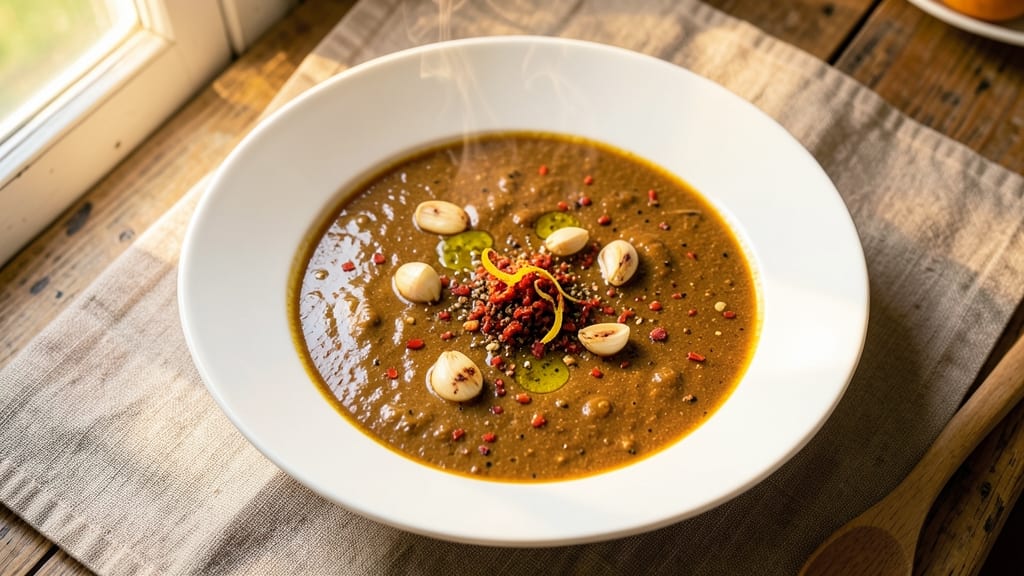
A creamy spiced curry sauce transforms simple one-pot meals into restaurant-quality dishes with minimal effort. This UK-inspired blend balances rich coconut milk, aromatic spices, and tender tomatoes into a velvety sauce that clings perfectly to rice, chicken, or vegetables.
The secret lies in slow simmering—letting flavors meld without burning—while keeping ingredients simple and accessible.
Perfect for weeknight dinners, this sauce delivers depth with just five core spices: turmeric for warmth, cumin for earthiness, coriander for brightness, and a pinch of chili to wake up the flavors.
No need for complicated techniques—just chop, simmer, and blend until silky smooth. The result? A sauce that’s creamy without heavy cream, packed with umami, and ready in under 30 minutes.
What makes this sauce stand out is its versatility. Use it as a base for curries, drizzle over roasted meats, or serve with store-bought rice for an instant meal upgrade. The recipe also stores well in the fridge for up to five days, making it ideal for meal prep.
Whether you’re feeding a family or cooking for one, this sauce cuts through the effort while delivering bold, comforting flavors.
For extra richness, stir in a splash of yogurt at the end, or swap coconut milk for a lighter alternative if preferred. The key is patience—letting the spices bloom in oil before adding liquids ensures every spoonful is packed with flavor. Let’s get cooking!
Ingredients for curry sauce recipe uk
Five spices, one-pot magic: these ingredients blend into velvety sauce perfect for weeknight curries.
| Ingredient | Amount | Notes |
|---|---|---|
| Extra-Virgin Olive Oil 🫒 | 2 tbsp | For spice blooming and cooking |
| Ground Turmeric 🌿 | 1 tbsp | Freshly ground for vibrant color |
| Ground Cumin 🌿 | 1 tbsp | Toasted for deeper aroma |
| Ground Coriander 🌿 | 1 tbsp | Freshly ground preferred |
| Cayenne Pepper 🔥 | ½ tsp | Adjust for heat preference |
| Garlic Cloves 🧄 | 4 cloves | Peeled and roughly chopped |
| Ginger Root 🌿 | 1 tbsp | Freshly grated, organic preferred |
| Canned Crushed Tomatoes 🍅 | 14 oz | San Marzano preferred for sweetness |
| Coconut Milk 🥥 | 13 ½ oz | Full-fat for creaminess |
| Plain Yogurt 🥛 | 2 tbsp | Greek or full-fat preferred |
| Diamond Crystal Kosher Salt 🧂 | ½ tsp | Adjust to taste |
The spices are non-negotiable for authentic flavor. Penzeys Spices or bulk bins at Whole Foods deliver the freshest ground spices—look for vibrant color and no clumping. For ginger, organic root from the produce section is ideal, but jarred works in a pinch. Garlic should be firm and free of sprouts. The San Marzano canned tomatoes at Trader Joe's are worth the splurge—they're sweeter and less acidic than standard brands, which balances the sauce perfectly. Coconut milk? Full-fat Thai Kitchen brand gives the richest texture without separating.
No turmeric? Curry powder at double the amount covers it, though you'll lose that signature color. Short on cumin? Smoked paprika at half the quantity adds depth. The yogurt adds creaminess without dairy—Greek yogurt works best, but any plain variety thickens the sauce beautifully. Swapping coconut milk? Cashew cream (blend soaked cashews with water) mimics the texture. For extra umami, add 1 tsp soy sauce or a pinch of fish sauce if vegetarian-friendly isn't required. The tomatoes can be fresh if you're ambitious—just crush them by hand for maximum flavor.
This sauce keeps beautifully in the fridge for 5 days, though it tastes even better the next day as flavors meld. For freezing, portion into ice cube trays—thaw and reheat gently to preserve texture. The yogurt may separate slightly when refrigerated; just stir before using. To reheat, warm on low heat with a splash of water or coconut milk. For meal prep, double the batch and freeze half—perfect for lazy nights when you just need to throw something together.
Why You'll Love This Recipe
- Pantry Magic: The moment I realized this sauce lives in my spice rack, not the fridge—just toast the cumin and coriander in olive oil until it smells like a London curry shop. No fresh ginger or onions needed if you’re in a rush.
- Golden Heat Balance: That cayenne gives it a slow burn, but the turmeric’s earthy warmth and olive oil’s richness keep it from being overpowering. Honestly, it’s the kind of spice blend that makes you want to eat soup for dinner.
- Meal Prep MVP: Double the batch and freeze half—thaw it straight into stir-fries, roasted veggies, or even scrambled eggs. (Yes, even on a Tuesday night.) The cumin stays vibrant, and the sauce just gets deeper in flavor over time.
- Budget Booster: A single jar of ground spices and a bottle of olive oil stretch to feed four for under £3. Between us, this is how I trick myself into eating well when payday’s still a week away.
Step-by-step instructions for creamy spiced curry sauce
This method delivers a velvety, aromatic curry sauce with balanced heat and depth—ideal for one-pot dishes.
Bloom the Spices in Olive Oil
Heat the 2 tbsp extra-virgin olive oil in a medium saucepan over medium-low heat. Add the 1 tbsp ground turmeric, 1 tbsp ground cumin, 1 tbsp ground coriander, and 0.5 tsp cayenne pepper, stirring constantly for 1-2 minutes until fragrant but not browned. This step unlocks their full flavor—don't rush it.
Watch closely: the spices should smell earthy and warm, not bitter. If the oil starts to smoke, reduce the heat immediately. The turmeric will give the sauce its signature golden hue, while the cumin and coriander build aromatic complexity. This foundational step ensures your sauce develops rich, layered flavor.
Sauté Garlic and Ginger
Add the 4 cloves garlic cloves and 1 tbsp ginger root to the spice mixture. Cook for 2-3 minutes over medium heat, stirring frequently, until the garlic turns light golden and the ginger softens. This prevents burning, which would make the sauce bitter.
The garlic should sizzle gently and become translucent before browning. Here's the thing—ginger releases its pungent aroma when heated, so don't skip this step. If the mixture darkens too quickly, reduce the heat slightly. You want aromatic depth, not charred bits that overpower the sauce.
Build the Tomato Base
Pour in the 14 oz canned crushed tomatoes, scraping up any browned bits from the bottom of the pan. Stir well and simmer over medium heat for 5-7 minutes until the mixture thickens slightly and the raw tomato taste mellows. This step develops the sauce's foundational flavor—don't skip the simmering time.
You'll notice the sauce reduce slightly and deepen in color. This reduction concentrates the flavors and removes excess acidity from the tomatoes. Taste at this stage—the sauce should be tangy but balanced. If it's too acidic, simmer for another minute or two to mellow the flavor further.
Incorporate Coconut Milk and Yogurt
Reduce the heat to low and slowly whisk in the 13.5 oz coconut milk and 2 tbsp plain yogurt. Stir continuously for 3-4 minutes until the sauce thickens to a velvety consistency. The yogurt adds tanginess that cuts through the richness of the coconut milk, creating that perfect balance.
This is where the sauce transforms from rustic to restaurant-quality. The coconut milk should create a luxurious creaminess while the yogurt prevents it from becoming too heavy. If the sauce separates, whisk vigorously to re-emulsify it. The final texture should coat the back of a spoon smoothly.
Season and Adjust
Remove the sauce from heat and stir in the 0.5 tsp diamond crystal kosher salt. Let it rest for 5 minutes, then taste and adjust the seasoning. You might need more salt, a pinch of cayenne for heat, or a splash of water if it's too thick. The sauce should be harmoniously balanced between sweet, spicy, and savory notes.
This resting period allows all the flavors to meld completely. The sauce will thicken slightly as it cools, so don't over-thicken it now. For best results, use the sauce immediately in curries, stir-fries, or as a dipping sauce. The one-pot method keeps everything simple while delivering professional-quality results every time.
Pro Tips For Making Curry Sauce Recipe Uk
- Bloom the Spices First: Heat that olive oil until it shimmers, then toss in your cumin and coriander right away—this wakes up their flavors instead of letting them sit like wallflowers. I used to just dump everything in together, but now I give these two a solid 30 seconds to sizzle before adding turmeric and cayenne. The difference? Your sauce won’t taste like dusted spices.
- Toast the Cayenne: Don’t just sprinkle cayenne—let it dance. After adding turmeric, throw in the cayenne and cook it for 10 seconds until it smells sharp and slightly smoky. I learned this the hard way when my sauce tasted like raw heat instead of layered warmth. This step makes the spice work with the oil, not against it.
- Sweat the Turmeric: Turmeric burns faster than you’d think. As soon as you add it, lower the heat to medium and stir constantly for 20 seconds—just enough to soften it without turning it bitter. I was skeptical until I tried it: the sauce now has a deeper golden hue and none of that acrid aftertaste.
- Finish with a Splash: Right before removing from heat, add a tablespoon of cold water or a splash of lemon juice. This cools the spices slightly and loosens any gritty bits clinging to the pan. It’s not a huge step, but it makes your sauce silky instead of grainy—like the difference between a smoothie and a blender full of ice cubes.
Perfect pairings for this dish
Rice Pairings
This curry sauce clings beautifully to jasmine rice or basmati rice, both staples in UK households. Cook 1 cup rice with 1.5 cups water (or follow package instructions) and serve alongside the sauce.
For extra flavor, add ½ tsp turmeric to the cooking water—it enhances the sauce's golden hue. 🍚
For a heartier option, try brown rice or quinoa, which hold up well to the sauce's richness. I often make a big batch of rice ahead and store it in the fridge for quick weeknight meals.
The sauce's velvety texture contrasts perfectly with the nutty, chewy texture of brown rice.
Protein Pairings
This sauce elevates simple proteins like chicken thighs or lamb chops to restaurant-quality. Toss 1 lb boneless chicken thighs with 1 tbsp olive oil and 1 tsp garam masala, then pan-sear until golden before simmering in the sauce for 15-20 minutes.
The fat in the thighs keeps the sauce luscious.
For vegetarian options, chickpeas or tofu work beautifully. Toss 1 can chickpeas (15 oz) with 1 tbsp olive oil and roast at 400°F for 20 minutes before adding to the sauce. The crispy edges add texture that balances the sauce's creaminess.
Bread and Flatbreads
Serve the sauce with garlic naan or homemade flatbread for dipping. Warm the bread in a skillet with 1 tbsp ghee for 30 seconds per side until golden and crisp. The sauce soaks into the bread while keeping its structure—perfect for messy, satisfying meals.
For a lighter option, try whole wheat pita or tortillas. Brush with olive oil and toast briefly before serving. The sauce's tangy-sweet balance makes it ideal for dipping, especially when paired with grilled meats or roasted vegetables.
Vegetable Sides
Add steamed broccoli or roasted cauliflower to round out the meal. Toss 2 cups broccoli florets with 1 tbsp olive oil, ½ tsp turmeric, and ¼ tsp black pepper, then steam for 5-7 minutes. The sauce's creaminess complements the broccoli's natural sweetness.
For a heartier side, try sautéed spinach. Cook 4 cups baby spinach with 2 cloves garlic and 1 tbsp butter for 2-3 minutes. The spinach wilts beautifully when mixed into the sauce at the end, adding freshness to the dish.
Beverage Pairings
A mango lassi or sparkling lime drink cuts through the sauce's richness. Mix 1 cup plain yogurt, ½ cup mango puree, 1 tbsp honey, and ½ cup sparkling water for a refreshing contrast. The tangy-sweet balance mirrors the sauce's flavors.
For a classic pairing, try UK bitter like Stella Artois or Carling. The crisp, clean taste cleanses the palate between bites of rich, spiced sauce. Avoid heavy ales—they can overpower the delicate spices in the sauce. ✨
Nutrition facts
Frequently asked questions
Can I make this sauce without coconut milk?
For a lighter option, replace the coconut milk with 1 cup cashew cream (blend soaked cashews with water) or ½ cup Greek yogurt + ½ cup vegetable stock. The yogurt adds tanginess while the stock keeps it creamy. For extra richness, use 2 tbsp cream cheese instead—it melts beautifully into the sauce.
How do I adjust the spice level?
Start with the 0.5 tsp cayenne and taste as you go. For milder heat, reduce to ¼ tsp or swap for ½ tsp smoked paprika. Need more kick? Add ½ tsp extra cayenne or a pinch of chili flakes at the end. Remember, spices intensify when cooled—always taste before serving.
Why did my sauce separate?
Sauce separation usually happens when coconut milk and yogurt aren't combined gently. Fix it by whisking vigorously while reheating over low heat for 2-3 minutes. For prevention, stir continuously when adding liquids and avoid high heat. A splash of cold water can also help re-emulsify it. The yogurt's acidity is the culprit—always use room-temperature yogurt.
Can I use fresh tomatoes instead of canned?
Yes, but you'll need to pre-cook them first. Roughly chop 4 medium tomatoes, simmer in a pan for 10 minutes until softened, then blend until smooth before adding to the sauce. Fresh tomatoes add brightness but require more simmering time to mellow their acidity. Canned tomatoes (especially San Marzano) are more consistent for this recipe.
How long will this sauce keep in the fridge?
The sauce stays fresh for 5 days in an airtight container. For longer storage, portion into ice cube trays, freeze, then transfer to a bag. Thaw overnight in the fridge and reheat gently—never microwave directly from frozen. The yogurt may separate slightly when refrigerated, but stir before using. Freezing works best for up to 3 months.