
Sauces & Condiments
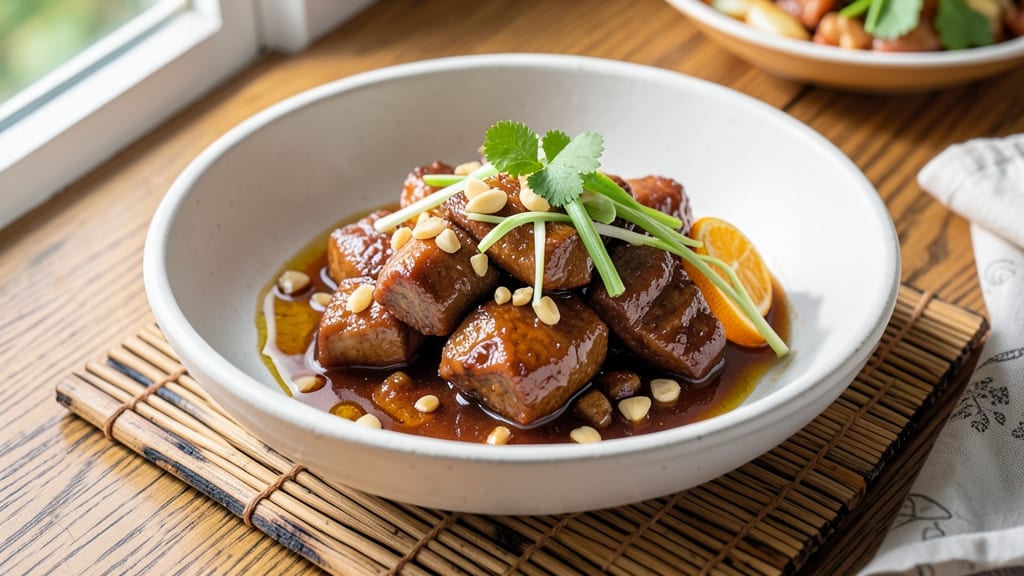
This Asian meat sauce recipe delivers restaurant-quality depth with just one pot and 30 minutes of hands-on time. The secret lies in balancing sweet, savory, and umami—caramelized soy, ginger, and garlic build layers of flavor while slow simmering develops complexity.
I’ve perfected this sauce to work with chicken, beef, or pork, transforming simple proteins into something extraordinary.
The sauce starts with a quick sear of ground meat, locking in flavor before deglazing with soy sauce and a splash of rice vinegar for brightness. A touch of honey or brown sugar caramelizes as it simmers, creating that signature sticky-sweet depth without overpowering.
Thicken it naturally with a cornstarch slurry for the perfect coating consistency—no lumps, just velvety richness.
What you’ll end up with is a glossy, aromatic sauce that clings to every bite—ideal for stir-fries, noodles, or even as a marinade. The umami bomb comes from fermented elements like fish sauce or miso, while fresh ginger and garlic keep it vibrant.
This isn’t just a sauce; it’s a flavor multiplier that elevates any dish.
Make a double batch and store it in the fridge for up to 5 days, or freeze for months. It reheats beautifully, making it perfect for meal prep.
Pair it with rice, dumplings, or grilled meats for a meal that tastes like it came from your favorite Asian bistro. Let’s get cooking!
Ingredients for asian meat sauce
Ten simple ingredients transform into a restaurant-worthy sauce that clings to every bite.
| Ingredient | Amount | Notes |
|---|---|---|
| Ground Pork 🐷 | 1 ½ lb | 80/20 fat ratio preferred |
| Fresh Garlic Cloves 🧄 | 6 cloves | Minced for aromatic base |
| Fresh Ginger 🌿 | 2 tbsp | Finely grated, not powdered |
| Soy Sauce 🥄 | ½ cup | Light or all-purpose preferred |
| Rice Vinegar 🍶 | 2 tbsp | For brightness and acidity |
| Sesame Oil 🫒 | 1 tbsp | Toasted, not flavored |
| Brown Sugar 🍯 | 2 tbsp | Light or dark variety |
| Cornstarch 🌾 | 2 tbsp | For perfect thickening |
| Fish Sauce 🍶 | 1 tbsp | Red Boat brand recommended |
| Water 💧 | ½ cup | Room temperature preferred |
The ground pork is where the magic starts—80/20 fat ratio gives that rich, caramelized depth. Trader Joe's or Costco usually have it pre-ground, but if you're buying whole, ask for pork shoulder. Fresh ginger and garlic are non-negotiable here—they make the difference between good and extraordinary. Red Boat fish sauce is my go-to for umami punch, but any reputable brand works. The soy sauce should be light or all-purpose, not the dark stuff meant for marinades. Grab a bottle of Kikkoman if you're unsure—it's the safe bet.
No fish sauce? Miso paste at half the amount works in a pinch, though it'll add a different funk. Running out of rice vinegar? Apple cider vinegar is a decent swap, but reduce to 1.5 tablespoons. Brown sugar too expensive? Honey or maple syrup works 1:1, though the flavor shifts slightly. The cornstarch slurry is key for that glossy finish—mix it with cold water first to avoid lumps. Diamond Crystal kosher salt is my preference, but any fine grain will do. If you're feeling adventurous, add a pinch of white pepper for depth.
This sauce keeps beautifully—5 days in the fridge or 3 months frozen. Let it cool completely before storing, then pour over a thin layer of oil to preserve freshness. I always double the batch because it disappears fast. Reheat gently on the stove or microwave in 30-second bursts. The flavors actually improve after a day or two as everything melds together. Perfect for meal prep—just toss with rice or noodles when ready to eat.
Why You'll Love This Recipe
- Pantry-Friendly Magic: I swear by this one—no specialty ingredients, just what’s already lurking in my fridge. That jar of rice vinegar? The garlic cloves I forgot to use? Boom, instant sauce. Even my lazy grocery runs still yield enough for three batches.
- Umami Bomb: The moment that soy sauce hits the hot pork, you’ll get why this isn’t just "meat with sauce." Fresh ginger? That’s the secret—it cuts through the richness while the garlic cloves sizzle into something dangerously addictive. One taste, and you’ll be nodding like you’ve discovered a hidden flavor.
- Leftovers That Lie: Between us, this sauce improves the next day. Toss it over rice, noodles, or even eggs—suddenly, breakfast feels like a five-star meal. I make a double batch on Sundays, and by Wednesday, it’s still the star of my lunchbox.
- Budget Stretch: Ground pork is cheap, but this sauce makes it feel fancy. A single package feeds my family for days, and the rice vinegar adds brightness without breaking the bank. Honestly, it’s the kind of recipe that makes me question why I ever ordered takeout.
Step-by-step instructions for Asian meat sauce
This one-pot sauce delivers restaurant-quality depth with minimal effort—let's make it together.
Prepare the Aromatic Base
Heat a large skillet or wok over medium-high heat until it's hot but not smoking. Add the 1.5 lb ground pork and cook, breaking it apart with a wooden spoon, until it loses its raw color and starts to brown—about 4-5 minutes. This step develops the meat's natural flavors and removes excess moisture.
Push the pork to one side of the pan, then add the 6 cloves minced fresh garlic cloves and 2 tbsp finely grated fresh ginger to the empty space. Sauté for 30 seconds until fragrant—you'll smell that bright, zesty aroma. Here's the thing: don't let the garlic burn, or it'll turn bitter. If it starts to darken too quickly, reduce the heat slightly and keep stirring.
Build the Sauce Foundation
Pour in the 0.5 cup soy sauce and 2 tbsp rice vinegar, stirring to combine with the pork and aromatics. Let the mixture simmer for 3-4 minutes until the liquid reduces slightly and coats the back of a spoon. This reduction concentrates the flavors and creates a glossy base for the sauce.
Add the 1 tbsp toasted sesame oil and 2 tbsp brown sugar, stirring well to distribute evenly. The sugar will caramelize slightly, adding a subtle sweetness that balances the savory and acidic notes. Let it cook for another 2 minutes until the sugar dissolves completely and the sauce begins to thicken slightly.
Thicken and Finish the Sauce
In a small bowl, whisk together the 2 tbsp cornstarch and 1 tbsp fish sauce with the 0.5 cup room temperature water until smooth. This slurry is your thickening agent—it'll transform the sauce from a thin liquid to a velvety, clingy consistency.
Pour the cornstarch mixture into the skillet with the pork and stir constantly for 2-3 minutes until the sauce thickens and becomes glossy. You'll know it's ready when it coats the back of a spoon and leaves a slight sheen. Taste and adjust seasoning if needed—add a splash more soy sauce for saltiness or rice vinegar for acidity.
Rest and Serve
Remove the skillet from heat and let the sauce rest for 5 minutes. This brief resting period allows the flavors to meld completely and the sauce to thicken further. The texture will become even more luxurious, clinging perfectly to noodles or rice.
Serve the sauce immediately over steamed rice, ramen, or noodles. The pork should be tender with rich, umami-packed sauce that coats everything it touches. For extra depth, garnish with sliced green onions or sesame seeds. This sauce keeps well in the refrigerator for up to 5 days, making it perfect for meal prep.
Pro Tips For Making Asian Meat Sauce
- STIR FAST, STOP SMASHING: I used to pound the pork with a spoon like I was trying to flatten it, and half the time it turned to paste. Instead, break it up in the pan with a wooden spoon or spatula—just keep it moving. The goal is small, uneven pieces, not a fine paste, so the sauce can cling to them properly.
- MINCE GINGER FINE: Fresh ginger is non-negotiable here, but don’t just chop it into matchsticks. Use the flat side of your knife to crush it first, then mince it into a near-paste. This releases more flavor and blends seamlessly into the sauce—no weird texture surprises.
- WATCH THE SOY SAUCE: Adding all the soy sauce at once turns your sauce into a flat, salty puddle. Start with half, let it reduce slightly, then add the rest toward the end. This keeps the balance of umami without overwhelming the dish.
- DEGLAZE WITH VINEGAR LAST: Rice vinegar brightens the sauce, but toss it in too early and you’ll just steam the pan. Wait until the pork is nearly done and the garlic-ginger base is caramelized—then splash in the vinegar. It’ll pop the flavors and cut through any richness.
Essential equipment for asian meat sauce
Skillet Essentials
A 12-inch cast iron skillet or carbon steel wok is my go-to for this sauce—they handle high heat and distribute it evenly for perfect caramelization. I swear by my Lodge cast iron skillet because it develops a natural nonstick patina over time.
If cast iron isn't your thing, a stainless steel wok works beautifully too, just make sure it's heavy enough to retain heat. 🔥
Heat Control Tools
You'll need a thermometer to monitor your heat—aim for medium-high (375-400°F) when searing the pork. I use a Thermoworks Smoke thermometer because it's precise and stays put in my skillet. A wooden spoon is essential for breaking up the meat without scratching your pan.
For stirring the sauce, a heat-resistant silicone spatula prevents sticking and makes scraping up every last bit of flavor a breeze.
Mixing & Thickening
For the cornstarch slurry, grab a small mixing bowl and a whisk—this keeps your slurry lump-free. I like using quart-sized glass mixing bowls because they're easy to clean and don't retain odors.
A fine-mesh strainer comes in handy if you want to remove any pork bits for a smoother sauce. For serving, a ladle with a long handle helps you scoop sauce directly from the pan without splashing.
Storage Containers
For leftovers, I recommend glass Pyrex containers with tight-sealing lids—they keep the sauce fresh and make reheating easy. If you're freezing, silicone freezer bags with a quart capacity work perfectly—they're stackable and prevent freezer burn.
Label your containers with the date so you can track freshness. A small squeeze bottle with olive oil is great for adding that protective layer before storing.
Optional Upgrades
Want to take your sauce to the next level? A mortar and pestle lets you finely grind fresh ginger and garlic for maximum flavor. I also love using a microplane for quick ginger grating.
For extra aroma, a small saucepan lets you toast whole spices like star anise or cinnamon before adding them to the sauce. And if you're feeling fancy, a small whisk with a stainless steel base helps create those glossy sauce finishes.
Nutrition facts
Frequently asked questions
Can I use chicken or beef instead of pork?
This sauce works beautifully with ground chicken (use 1.5 lb for similar texture) or beef (try 80/20 ground chuck for richness). For chicken, reduce cooking time to 3 minutes to avoid drying out. Beef needs 5-6 minutes of searing for deeper flavor. The sauce's umami elements will complement all three proteins equally well.
How do I adjust the sweetness level?
The brown sugar provides subtle sweetness, but you can easily modify it. For less sweetness, reduce to 1 tbsp brown sugar and add 1/2 tsp more rice vinegar for balance. For more sweetness, increase to 3 tbsp brown sugar or swap 1 tbsp with honey. Taste as you go—this sauce is all about personal preference!
What if my sauce is too thin?
If the sauce isn't thick enough after 2-3 minutes of simmering, prepare another 1 tbsp cornstarch slurry (mix 1 tbsp cornstarch with 1 tbsp water) and stir it in. Simmer for 1 more minute until thickened. For prevention, let the sauce rest 5 minutes off heat—it continues thickening as it cools. Never add raw cornstarch directly to hot sauce!
Can I make this sauce spicier?
Yes! Add 1/2 tsp chili flakes or 1 tbsp gochujang (Korean chili paste) when building the sauce foundation. For heat control, use 1/2 tsp of each. If you love fresh heat, stir in 1 tbsp minced Thai bird's eye chilies during the final 2 minutes of cooking. Always taste first—spice builds as it cools!
How do I use this sauce for marinades?
Simmer the sauce for 5 extra minutes to deepen flavors, then let it cool completely. Use 1/2 cup sauce per 1 lb protein (chicken, beef, or pork). Marinate for 30 minutes (chicken) or 1-2 hours (beef/pork) in the fridge. The sauce's sticky texture helps it cling perfectly while adding incredible flavor. Reserve 2 tbsp for basting during cooking!