
Sauces & Condiments
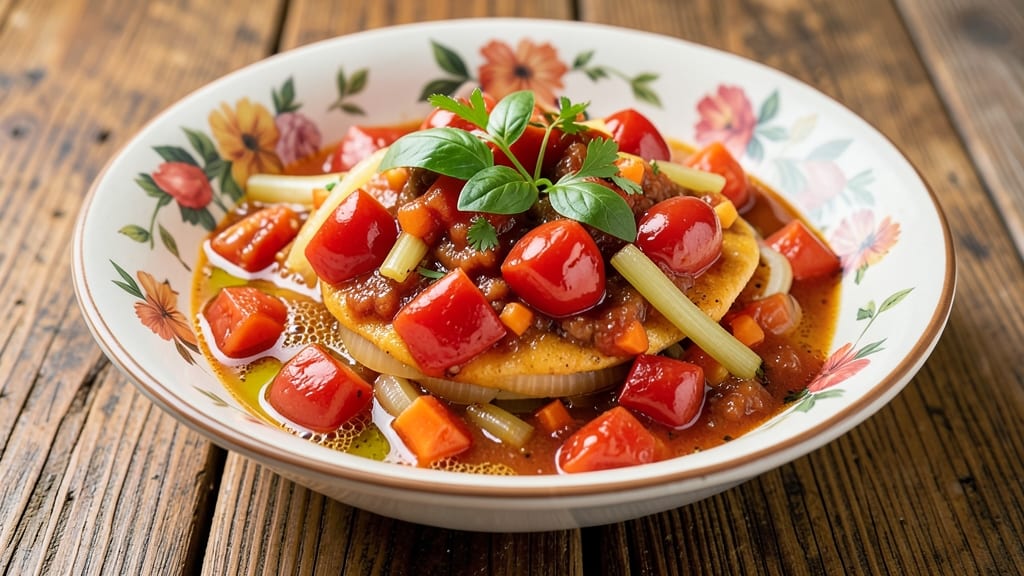
This chunky tomato sauce recipe with fresh tomatoes transforms summer's bounty into a vibrant, garden-fresh condiment that refuses to lose its texture. I remember Nana Mae's kitchen in Atlanta—where fresh tomatoes from the backyard would disappear into sauces that tasted like summer itself.
The secret lies in preserving those juicy chunks while building depth through slow simmering and aromatic vegetables.
What makes this sauce special is its balanced approach: we blend just enough to create a silky base while leaving generous chunks of tomatoes for texture and brightness. Quality ingredients—ripe tomatoes, fresh basil, and garlic—form the foundation, while a touch of tomato paste adds richness without overpowering.
The sauce thickens naturally as it simmers, creating a perfect consistency that clings beautifully to pasta or pizza.
By the time you're done, you'll have a sauce that's bursting with summer flavor—bright, aromatic, and packed with fresh tomato pieces that add visual appeal and satisfying texture.
It's versatile enough for weeknight dinners or special occasions, and stores perfectly in the fridge for up to 5 days or freezes beautifully for later use. This isn't just tomato sauce; it's a celebration of fresh produce that tastes like it came straight from your garden.
Whether you're drizzling it over fresh pasta, using it as a pizza sauce, or serving it as a dip with crusty bread, this recipe delivers restaurant-quality results with minimal effort.
The best part? Every bite reminds you why we cook with fresh, seasonal ingredients in the first place. Let's make this sauce that tastes like summer all year round.
Ingredients for chunky tomato sauce recipe with fresh tomatoes
Bright tomatoes, aromatic vegetables, and fresh basil create summer's most vibrant sauce—chunky, fresh-tasting, and full of garden flavor.
| Ingredient | Amount | Notes |
|---|---|---|
| Fresh Roma Tomatoes 🍅 | 2 lb | Ripe, firm, cut into chunks |
| Yellow Onion 🧅 | 1 whole | Medium, diced finely |
| Garlic Cloves 🧄 | 4 cloves | Fresh, minced finely |
| Carrots 🥕 | 2 medium | OR 1 cup diced (peeled) |
| Celery Stalks 🧅 | 2 whole | Medium, diced finely |
| Tomato Paste 🍅 | 2 tbsp | Squeeze tube or canned |
| Extra-Virgin Olive Oil 🫒 | ½ cup | High quality, fruity |
| Fresh Basil Leaves 🌿 | ½ cup | Packed, stems removed |
| Red Wine Vinegar 🍷 | 1 tbsp | Dry, not sweet |
| Salt 🧂 | 1 ½ tsp | Diamond Crystal preferred |
| Black Pepper 🌶️ | ½ tsp | Freshly ground |
| Sugar 🍚 | 1 tsp | Balances acidity |
The tomatoes are everything here—Roma tomatoes are ideal for their meaty texture, but any ripe, flavorful variety works. Local farmers markets often have the sweetest tomatoes in summer, but grocery store tomatoes can work too if they're firm and red all over. The carrots and celery are your aromatic base, so don't skip them—they add sweetness and depth. I usually grab organic carrots from Whole Foods for their consistent quality, but regular grocery store carrots work fine if you peel and dice them uniformly. Fresh basil is non-negotiable for that bright, summery flavor, but if you're out, dried oregano at one-third the amount will do in a pinch.
No fresh basil? Dried oregano or thyme can stand in, though the flavor will be different. Running low on tomato paste? Sun-dried tomatoes packed in oil work in a bind, but reduce them first to concentrate the flavor. The red wine vinegar adds brightness—substitute lemon juice if you don't have it, but you'll lose that subtle wine funk. For the carrots and celery, if you can't find fresh, frozen chopped vegetables thawed and drained work surprisingly well. The sugar balances the acidity from the vinegar and tomatoes, so don't skip it unless your tomatoes are naturally very sweet.
This sauce keeps beautifully—5 days in the fridge or 6 months in the freezer. For freezing, portion into ice cube trays first, then transfer to a bag. The texture holds up perfectly when reheated, though it's even better at room temperature. I always make a double batch—one for dinner, one to freeze for lazy nights. The sauce thickens as it cools, so if it seems too thick after chilling, just add a splash of water or broth when reheating. Trust me, it's worth the extra effort to use fresh, seasonal ingredients.
Why You'll Love This Recipe
- No Chopping Nightmare: I’ll be real—this sauce only needs a knife for the onions and garlic. Toss the tomatoes whole (or halve them if you’re feeling fancy), and the carrots and celery go in raw—no peeling or dicing. The pot does all the work while you sip wine and pretend you’re a Michelin chef.
- Sweet-Savory Magic: That carrot and celery combo sweeten as they cook, balancing the bright acidity of the tomatoes. The onions caramelize just enough to add depth, and the garlic? Oh, it hits at the perfect moment—like a warm hug in every bite.
- Pantry Stretch Star: Between us, this sauce turns cheap veggies into something luxurious. Use up wilted herbs, a half-onion, or even overripe tomatoes—it’s forgiving. Freeze what you don’t use, and you’ve got a weeknight hero for pasta, grilled cheese, or even a quick stew.
- Weeknight Workhorse: I make this when I’m tired, when the fridge is bare, and when I need something fast. It’s the base for dinner tonight, tomorrow’s soup, and the freezer backup for when takeout feels like too much effort. Honestly, it’s my lazy-day savior.
Step-by-step instructions for chunky tomato sauce with fresh tomatoes
Here's how to make a vibrant, garden-fresh tomato sauce that keeps those beautiful chunks intact.
Sauté the Vegetable Base
Heat the 0.5 cup extra-virgin olive oil in a large, heavy-bottomed pot over medium heat. Add the diced yellow onion, diced carrots, and diced celery stalks all at once. Cook for 8-10 minutes until the vegetables soften slightly and become translucent, stirring occasionally.
This step builds the flavor foundation while preventing the sauce from becoming watery later. You're looking for the vegetables to lose their raw edge but not brown—they should still hold their shape. If they start to stick, reduce the heat slightly and add a splash of water to deglaze.
Add Aromatics and Tomato Paste
Push the vegetable mixture to one side of the pot and add the minced garlic cloves to the empty space. Cook for 30 seconds until fragrant—this prevents the garlic from burning, which would make the sauce bitter. Stir well to combine with the vegetables.
Add the 2 tablespoons tomato paste and cook for another 1 minute, stirring constantly. The paste will deepen in color as it cooks, creating a rich base for your sauce. This is where the umami flavor develops, so don't skip this step. The paste should be fully incorporated before moving forward.
Incorporate Tomatoes and Seasonings
Add the 2 pounds fresh Roma tomatoes cut into chunks, 1 tablespoon red wine vinegar, 1.5 teaspoons salt, 0.5 teaspoon black pepper, and 1 teaspoon sugar to the pot. Stir gently to combine everything. The vinegar will help brighten the flavors while the sugar balances the acidity of the tomatoes.
Bring the mixture to a gentle simmer over medium-low heat. Let it cook uncovered for 20-25 minutes, stirring occasionally. You want the tomatoes to soften slightly but still maintain their chunky texture—this is where the magic happens. The sauce shouldn't reduce significantly; we're preserving that fresh, garden-like quality.
Finish with Fresh Basil
Remove the pot from heat and stir in the 0.5 cup fresh basil leaves. The basil adds a bright, herbal note that complements the sweetness of the tomatoes. Let the sauce sit for 5 minutes off the heat to allow the flavors to meld together completely.
Taste and adjust the seasoning if needed—you might want to add a pinch more salt or a splash of vinegar to balance the flavors. The sauce should be vibrant with visible tomato chunks, slightly thick but not reduced to a paste. Serve immediately over pasta or store in an airtight container in the refrigerator for up to 5 days.
Pro Tips For Making Chunky Tomato Sauce Recipe With Fresh Tomatoes
- CHAR THE VEGETABLES FIRST: Don’t skip browning the onion, celery, and carrots—this builds flavor. Cook them in a dry pan over medium heat until the edges darken slightly (about 8-10 minutes), stirring occasionally. I learned this the hard way: skipping this step leaves your sauce tasting flat, like a tomato-based soup instead of a rich, layered sauce.
- CUT TOMATOES UNIFORMLY: Slice Roma tomatoes into even ½-inch chunks—no more, no less. Uneven pieces mean some cook faster and turn mushy while others stay raw. Use a sharp knife and a mandoline if you’re impatient (yes, even if you’re impatient like me), because consistency is the thing that matters most for that perfect chunky texture.
- SALT THE TOMATOES BEFORE COOKING: Sprinkle a generous pinch of salt (about ½ teaspoon) over the raw tomato chunks and let them sit for 10 minutes. This draws out excess water, which prevents a watery sauce later. Sounds weird, but it works—my grandmother swore by this, and she was right.
- USE A LID FOR THE FIRST 20 MINUTES: After adding the tomatoes to the pot, cover with a lid and let the sauce simmer gently. This traps steam and helps break down the tomatoes faster without burning them. I was skeptical until I tried it—now I never skip it, because it cuts cooking time by nearly half while keeping the texture intact.
Essential equipment for great chunky tomato sauce recipe with fresh tomatoes
Heavy-Bottomed Pot
You'll need a large, heavy-bottomed pot with at least 6-quart capacity—I swear by my All-Clad 6-quart Dutch oven for even heat distribution. A stainless steel pot (like Cuisinart MultiClad) works too, but avoid nonstick—it can't handle the prolonged simmering without releasing harmful fumes.
The key is maintaining consistent heat so your sauce develops depth without burning. I've ruined sauces in thin, lightweight pots when the heat fluctuates—trust me, you don't want that sad, scorched tomato experience. 🔥
Immersion Blender
While this recipe preserves chunks intentionally, an immersion blender (like Ninja CB1001) becomes your secret weapon for partial blending when needed. Use it to smooth just the edges if you prefer a slightly silkier texture while keeping most chunks intact.
I blend only 10-15 seconds in short bursts to avoid over-processing. The blender also helps emulsify the sauce if it separates during storage—just a quick pulse brings everything back together beautifully. 💫
Fine-Mesh Strainer
For when you want perfectly chunky texture without any seeds or skins, a fine-mesh strainer (like OXO Good Grips) is essential. After simmering, transfer the sauce to the strainer over a bowl and gently press with a wooden spoon to remove excess liquid while keeping the tomato pieces.
This step isn't mandatory—your sauce will still taste amazing without it—but it creates that restaurant-quality presentation that makes guests ask for seconds. I keep one in my kitchen specifically for sauces and soups. ✨
Wooden Spoon
Never use metal utensils when simmering your sauce—a wooden spoon (preferably olive wood for durability) prevents scratching your pot and helps maintain the sauce's natural thickness. I've seen aluminum spoons create tiny metal particles in sauces that ruin the texture over time.
The wooden spoon also helps you gently stir without breaking up the tomato chunks too much. Pro tip: Soak your wooden spoon in hot, soapy water for 10 minutes after each use to remove any residual tomato stains—it keeps them looking new for years. 🌟
Kitchen Scale
A digital kitchen scale (like OXO Good Grips) ensures precision when measuring ingredients—especially important for the 2 pounds of tomatoes and 0.5 cup olive oil. I measure my tomatoes by weight rather than volume because their density varies wildly between seasons.
For the olive oil, a scale gives you the most accurate measurement for that rich, fruity quality we want. Even a $20 basic scale makes a noticeable difference in consistency between batches. Trust me, your sauce will taste more professional when every ingredient is measured with care. ⚡
Glass Storage Containers
For storing your finished sauce, glass containers with airtight lids (like Le Parfait or Ball mason jars) are non-negotiable. Glass preserves flavors better than plastic and won't absorb odors from your fridge. I always portion my sauce into 16-ounce jars—perfect for single servings or freezing.
The glass also lets you see the beautiful vibrant red color and chunky texture, which makes me want to eat it immediately. Just
Nutrition facts
Frequently asked questions
Why do you use both fresh tomatoes AND tomato paste in this recipe?
The fresh tomatoes provide that bright, garden-fresh flavor and chunky texture we love, while the tomato paste adds depth and richness. The paste contains concentrated tomato flavor without water, which helps build a more complex sauce foundation. Together, they create a perfect balance between freshness and umami.
Can I substitute canned tomatoes for fresh ones?
You can, but the texture will be different. Canned tomatoes work best if you drain them well and add a splash of water to replace the lost juices. For chunkiness, use whole peeled tomatoes instead of crushed. The sauce will be slightly smoother but still delicious. I recommend using high-quality canned tomatoes if you're in a pinch.
How do I adjust the thickness of the sauce?
If your sauce is too thick, add 1-2 tablespoons of water or broth at a time while stirring. For a thicker sauce, simmer uncovered for an extra 5-10 minutes to let the liquid reduce naturally. Remember, this sauce is designed to be slightly thick but still vibrant with chunks—don't over-reduce it or you'll lose that fresh tomato character.
What's the best way to store leftover sauce?
Store in an airtight glass container in the fridge for up to 5 days. For longer storage, freeze in 16-ounce portions for up to 6 months. When reheating, warm gently on the stove or microwave until hot. The texture holds up beautifully—just stir well before serving to redistribute any separated liquid.
Can I make this sauce in a slow cooker?
Yes! Sauté the vegetables and garlic first, then transfer everything to your slow cooker and cook on low for 3-4 hours. The texture will be slightly softer but still delicious. For best results, use a 6-quart slow cooker and stir occasionally to prevent sticking. The slow cooking enhances the flavors beautifully.