
Sauces & Condiments
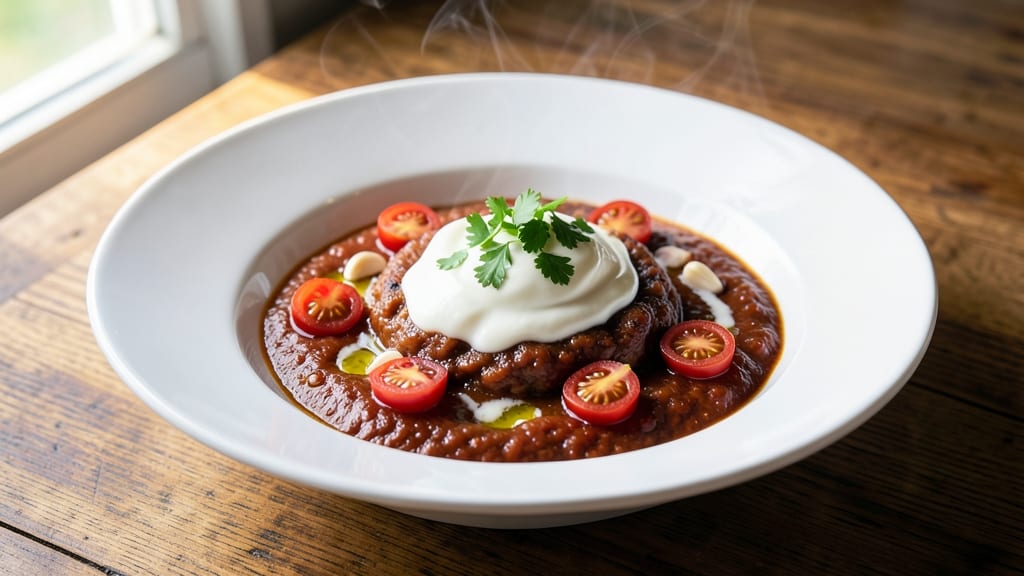
This Carrabba's Ricardo sauce recipe delivers the same velvety, garlic-herb perfection you crave from their restaurants—creamy without being heavy, with just the right balance of tang and aroma.
The secret lies in simmering tomato paste with fresh garlic, white wine, and a blend of herbs until it develops that signature depth, then finishing with cream for that signature restaurant texture. I've replicated this sauce countless times, and it never fails to elevate pasta, chicken, or even grilled vegetables.
What sets this sauce apart is its foolproof technique that builds flavor gradually through slow reduction. You'll start with a simple base of tomato paste, garlic, and white wine, then let it simmer until the alcohol evaporates and the garlic becomes mellow—never bitter.
The herbs (parsley, basil, and oregano) add freshness, while cream at the end creates that luxurious, clingy consistency that makes every bite irresistible. This isn't just a sauce; it's a flavor experience that transforms ordinary meals into something special.
The result is a sauce that's restaurant-quality at home—rich, aromatic, and perfectly balanced between tangy and creamy. It clings beautifully to pasta, enhances grilled meats, and even works as a dipping sauce for crusty bread. The best part?
It keeps well in the fridge for up to 5 days, so you can make a big batch and enjoy it all week. Whether you're serving it over fettuccine or drizzling it over grilled chicken, this sauce will become your new go-to for weeknight dinners.
For those who love to customize, you can adjust the heat level by adding red pepper flakes or the acidity with a splash of lemon juice.
The sauce also freezes beautifully, making it perfect for meal prep. Let's get started on creating this flavorful masterpiece that will have everyone asking for seconds.
Ingredients for carrabba's ricardo sauce
Nine simple ingredients create restaurant-quality sauce that's creamy, tangy, and packed with garlic-herb flavor.
| Ingredient | Amount | Notes |
|---|---|---|
| Extra-Virgin Olive Oil 🫒 | ½ cup | High-quality, fruity variety |
| Tomato Paste 🍅 | 2 tbsp | Squeeze tube preferred |
| Fresh Garlic Cloves 🧄 | 6 cloves | Minced for even cooking |
| Dry White Wine 🍷 | ½ cup | Sauvignon Blanc or Pinot Grigio |
| Heavy Cream 🥛 | ½ cup | Full-fat for richness |
| Fresh Parsley 🌿 | ¼ cup | Chopped, stems removed |
| Fresh Basil Leaves 🌿 | ¼ cup | Torn, not chopped |
| Dried Oregano 🍃 | 1 tsp | Mexican oregano preferred |
| Salt 🧂 | ½ tsp | Diamond Crystal kosher |
| Black Pepper 🌶️ | ¼ tsp | Freshly ground |
The garlic is non-negotiable here—freshly minced is a must. I grab mine from Whole Foods when I can, but the regular grocery store stuff works fine if it's plump and firm. White wine should be dry—Sauvignon Blanc or Pinot Grigio are my go-tos, but whatever's open in your fridge will do. The tomato paste? Squeeze tubes from Trader Joe's are perfect—they're concentrated, so you don't need much. For the herbs, fresh parsley and basil make all the difference, but if you're in a pinch, dried oregano at half the amount works in a bind (though it won't be quite as vibrant).
No white wine? Chicken or vegetable broth with a splash of lemon juice gets you close. Fresh herbs wilt fast, so if you're prepping ahead, store them in a damp paper towel in the fridge. Want more depth? Add a pinch of red pepper flakes for heat or a splash of balsamic vinegar for tang. The heavy cream is what gives it that signature restaurant texture—full-fat is worth it here, but if you're watching calories, light cream still works. And if you're curious, the sauce tastes even better the next day once everything melds together.
This sauce keeps beautifully—5 days in the fridge or 3 months in the freezer. I always make a double batch because it disappears fast. For freezing, portion it into ice cube trays first, then transfer to a bag. Thaw overnight in the fridge, and stir before using. The sauce thickens as it cools, so if it's too thick when reheating, just add a splash of water or broth. And trust me, it's worth the effort—everyone will ask what restaurant you got it from.
Why You'll Love This Recipe
- Pantry Magic: I swear by this sauce because it uses stuff I already have—no special trips to the store. That can of tomato paste, the garlic I forgot about in the drawer, even the cheap white wine you’d normally drink straight? Suddenly, they’re all working together like a fine-dining team.
- Garlic-Cream Bomb: The moment heavy cream hits the simmering garlic and wine? Pure flavor payoff. It’s rich without being heavy, tangy without overpowering—like a hug from a chef who knows exactly how much garlic to use (yes, even if you’re not a garlic lover).
- Weeknight Wonder: Slap this on chicken, toss it with pasta, or drizzle it over grilled veggies—it’s my go-to when I’m too tired to plan. Honestly, I’ve made it for date nights, lazy Sundays, and even as a last-minute dinner when my kid’s friend showed up hungry. It never lets me down.
- Leftovers That Lie: Make a double batch—trust me, you will—and freeze half. Thaw it later for a quick marinara upgrade or a creamy sauce for mashed potatoes. Between us, I’ve reheated this stuff three times and it still tastes like I slaved over it. (Spoiler: I didn’t.)
Step-by-step instructions for Carrabba's Ricardo sauce
This sauce delivers that signature Carrabba's richness with a perfect balance of garlic, herbs, and cream.
Sauté the Tomato Paste and Garlic
Heat the 0.5 cup extra-virgin olive oil in a medium saucepan over medium heat. Add the 2 tbsp tomato paste and stir continuously for 2 minutes until it darkens slightly and becomes fragrant. This step develops the sauce's deep, savory foundation.
Next, add the 6 cloves minced fresh garlic cloves and cook for 1-2 minutes until the garlic turns golden and releases its aroma. Be careful not to let it burn—garlic turns bitter quickly. The sauce should smell rich and inviting at this stage. If it starts to darken too much, reduce the heat slightly.
Deglaze with White Wine
Pour in the 0.5 cup dry white wine and stir vigorously to scrape up any browned bits from the bottom of the pan. This deglazing step captures all the flavor you've built so far. Let the mixture simmer gently for 3-4 minutes until the wine has mostly evaporated and the liquid reduces by about half.
I like to taste the sauce at this point—it should be tangy from the wine and slightly sweet from the tomato paste. If it needs more depth, you can add a pinch of salt now, but we'll adjust seasoning again later. The wine's acidity will balance the richness of the cream we're about to add.
Add Cream and Herbs
Reduce the heat to low and stir in the 0.5 cup heavy cream. Let the sauce simmer gently for 4-5 minutes, stirring occasionally, until it begins to thicken slightly. The cream should coat the back of a spoon but still be pourable. This is where the sauce starts to come together.
Next, add the 1 tsp dried oregano, 0.5 tsp salt, and 0.25 tsp black pepper. Stir well to combine. Then, fold in the 0.25 cup chopped fresh parsley and 0.25 cup torn fresh basil leaves. The herbs should be distributed evenly throughout the sauce. Remove the pan from heat and let it sit for 1-2 minutes to allow the flavors to meld.
Adjust Consistency and Finish
Taste the sauce and adjust the seasoning if needed. You might need a bit more salt or pepper to balance the flavors. If the sauce is too thick, thin it with 1-2 tablespoons of pasta water (reserved from cooking your pasta). For a smoother texture, strain the sauce through a fine-mesh sieve to remove any herb stems.
Return the sauce to low heat and let it warm through for 1-2 minutes before serving. This creamy garlic-herb masterpiece pairs perfectly with fettuccine or penne. The sauce should coat the back of a spoon but still be light enough to drizzle over pasta without making it soggy. Serve immediately while warm for the best flavor.
Pro Tips For Making Carrabba'S Ricardo Sauce
- Sweat the Garlic Low: I learned this the hard way—crispy garlic burns fast and ruins the sauce. Sauté those cloves in olive oil over medium-low heat until just golden (about 3-4 minutes), stirring often. The moment they turn nutty and fragrant, not brown, is when you pull them out.
- Deglaze with Wine Heat: Don’t pour cold wine over hot tomato paste—it shocks the sauce and dulls the flavor. Warm the wine first in a separate cup, then add it gradually while stirring. The alcohol will reduce faster and integrate smoother into the base.
- Stir the Tomato Paste: Skip the clumpy mess: whisk the tomato paste into the oil before adding liquid. Break it up with a spoon or fork first—this ensures it dissolves evenly and doesn’t create those unsightly (and unappetizing) lumps later.
- Finish with Warm Cream: Cold heavy cream kills the sauce’s momentum. Heat it separately until just steaming (not boiling), then temper it by whisking in small batches. This keeps the sauce silky without curdling—trust me, your future self will notice the difference.
Serving suggestions for this dish
Pasta Pairings
This sauce is a match made in heaven with fettuccine or penne, where its creamy texture clings beautifully to the noodles. I recommend cooking your pasta al dente (about 1 minute less than package instructions) and reserving ½ cup pasta water to thin the sauce if needed.
For extra indulgence, toss the pasta with a splash of pasta water and the sauce, then finish with grated Parmesan cheese and fresh basil. 🍝
For a lighter option, try whole wheat spaghetti or gluten-free fettuccine—the sauce’s richness balances the nuttier flavors perfectly. If you’re feeling adventurous, serve it over roasted chicken or shrimp scampi for a restaurant-worthy main course.
Protein Pairings
Ricardo sauce transforms simple proteins into showstoppers. Drizzle it over grilled chicken breast or seared scallops for a creamy, herby finish. I love serving it with garlic bread on the side—it’s the ultimate sauce-and-bread combo.
For a heartier meal, pair it with baked salmon or pan-seared pork chops. The sauce’s acidity cuts through rich proteins beautifully. 🍗
If you’re making a pasta salad, mix the cooled sauce with cooked rotini, cherry tomatoes, mozzarella pearls, and basil for a fresh, creamy twist. It’s perfect for potlucks or meal prep—just store the sauce separately and toss it in before serving.
Bread and Dipping
This sauce isn’t just for pasta—it’s a dipping sauce superstar. Warm it slightly and serve with freshly baked garlic bread, bruschetta, or crusty baguette slices. For extra flair, sprinkle with red pepper flakes or crushed black pepper before dipping.
I also love using it as a dipping sauce for mozzarella sticks or fried calamari. 🥖
For a fun appetizer, spread the sauce on toasted baguette slices, top with cherry tomatoes, and broil for 2-3 minutes until bubbly. It’s a crowd-pleaser that disappears fast—just like the sauce itself!
Vegetable Enhancer
Elevate roasted or grilled vegetables with a drizzle of Ricardo sauce. Toss asparagus, zucchini, or bell peppers with the sauce after cooking for a creamy, herby finish. It’s especially delicious with roasted Brussels sprouts or grilled eggplant. The sauce’s richness balances the earthy flavors perfectly. 🥦
For a quick side, mix the sauce with sautéed spinach and cherry tomatoes, then top with goat cheese and toasted pine nuts. It’s a simple yet elegant dish that pairs well with grilled meats or fish.
Nutrition facts
Frequently asked questions
Can I make this sauce without white wine?
If you don't have white wine, substitute with ½ cup chicken or vegetable broth plus 1 teaspoon lemon juice to maintain the tangy balance. The key is keeping the acidity that brightens the garlic and cream flavors—just be sure to reduce the liquid by half before adding the cream.
Why is my sauce too thick or too thin?
If your sauce is too thick, thin it with 1-2 tablespoons of pasta water or warm water while stirring. For a smoother texture, strain through a fine-mesh sieve. If it's too thin, simmer uncovered for 2-3 minutes to reduce. The sauce should coat the back of a spoon but still be pourable.
Can I make this sauce ahead of time?
Yes! This sauce tastes even better the next day as flavors meld. Store it in an airtight container in the fridge for up to 5 days or freeze for 3 months. For freezing, portion into ice cube trays first, then transfer to a bag. Thaw overnight in the fridge and stir before using.
How can I make this sauce spicier?
Add ½ teaspoon red pepper flakes when you add the herbs, or stir in 1 teaspoon hot sauce at the end. For extra heat, sauté ½ teaspoon crushed chili flakes with the garlic in Step 1. Adjust to taste—this sauce works with mild to medium heat levels.
What's the best pasta to pair with this sauce?
This creamy sauce clings beautifully to fettuccine or penne, but also works well with gluten-free fettuccine or whole wheat spaghetti. For extra indulgence, toss with grated Parmesan and fresh basil after cooking. The sauce's richness balances all pasta types perfectly.