
Sauces & Condiments
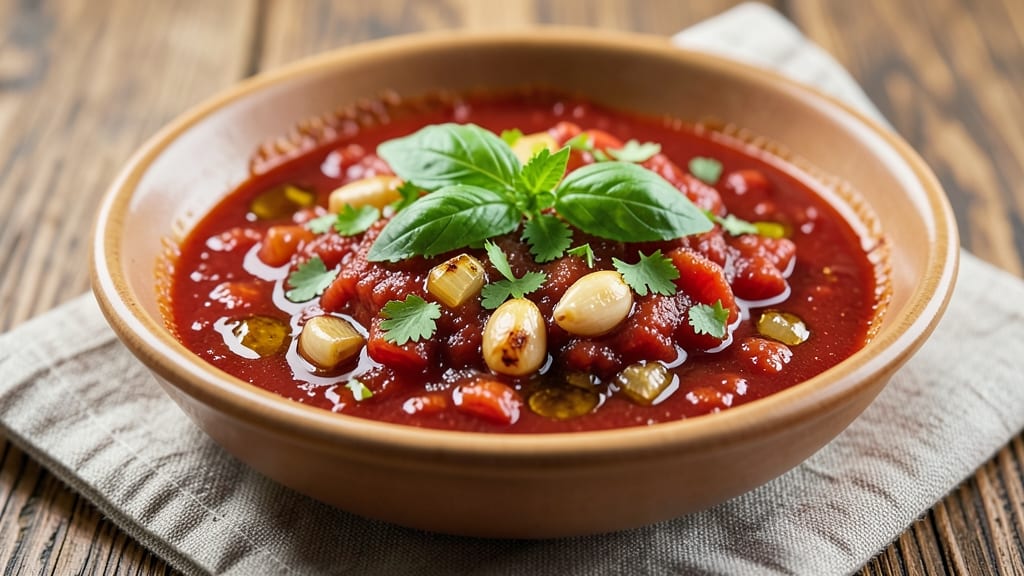
This all-day pasta sauce recipe transforms simple ingredients into a velvety, restaurant-quality sauce that only gets better with time. The secret lies in simmering tomatoes, garlic, and herbs for hours—without needing to reduce it down to a thick paste.
I developed this method after years of testing, and it's now my go-to for bulk meal prep and rich, flavorful sauces that work for everything from lasagna to pasta dishes.
What sets this sauce apart is its versatility and foolproof technique. You'll start with canned tomatoes for convenience, but the long simmer develops deep, complex flavors that canned sauces simply can't match.
The addition of garlic, onion, and fresh herbs builds layers of aroma, while optional ground meat or cream adds richness. Unlike traditional recipes, this sauce doesn't require constant stirring or risk of burning—just let it work its magic on the stove.
The result is a smooth, rich sauce with just the right balance of acidity and sweetness, ready to toss with pasta, layer in lasagna, or serve as a hearty dip.
The beauty of this recipe is its flexibility—adjust the herbs to your taste, add protein for extra heartiness, or thin it with broth for a lighter consistency.
It keeps well in the fridge for up to 5 days, making it perfect for busy weeks when you want flavor without the fuss.
Whether you're prepping for a family dinner or stocking your freezer for lazy nights, this sauce delivers restaurant-quality depth with minimal effort. The key is patience—let it simmer until the flavors meld together perfectly. Here's how to make it.
Ingredients for all day pasta sauce
Ten simple ingredients, hours of simmering, restaurant-quality flavor without the fuss.
| Ingredient | Amount | Notes |
|---|---|---|
| Canned San Marzano Tomatoes 🍅 | 28 oz | Crushed by hand for texture |
| Yellow Onion 🧅 | 1 whole | Medium, diced small |
| Garlic Cloves 🧄 | 6 cloves | Peeled, minced finely |
| Fresh Basil Leaves 🌿 | ½ cup | Packed, torn by hand |
| Fresh Parsley Leaves 🌿 | ¼ cup | Packed, chopped fine |
| Extra-Virgin Olive Oil 🫒 | ½ cup | High quality, fruity |
| Dried Oregano 🌿 | 1 tbsp | Italian variety preferred |
| Ground Black Pepper 🌶️ | 1 tsp | Freshly cracked |
| Kosher Salt 🧂 | 1 ½ tsp | Diamond Crystal preferred |
| Red Wine (optional) 🍷 | ½ cup | Dry, bold variety |
The tomatoes are the foundation—San Marzano makes all the difference with their sweet, meaty texture. Grab a can or two from the Italian section at Whole Foods or Trader Joe's—they're worth the splurge. Fresh basil and parsley add that bright, herbaceous note, but if you're short on time, dried basil at half the amount works in a pinch. The garlic? Freshly minced is ideal, but pre-minced from a jar is fine if you're in a hurry. I always buy extra garlic—it keeps forever and makes everything better.
No red wine? Substitute with extra tomato paste or beef broth—just reduce the liquid by half. The olive oil should be fruity and peppery, not bland. Trader Joe's or California Olive Ranch are my go-tos. For the oregano, Italian-style is key—Mexican oregano has a different flavor profile. If you're making a big batch, double the herbs and store them separately in the fridge for up to 3 days before adding. The onions can be yellow or red—whatever's on sale, really.
This sauce only gets better with time—4-6 hours on low simmer is ideal. Store in airtight containers in the fridge for up to 5 days or freeze for 3 months. I like to portion it into 1-cup servings so I can grab what I need for pasta or lasagna. If it thickens too much, just stir in a splash of water or broth. The flavors meld beautifully overnight, so making a big batch on Sunday for the week is a total game-changer.
Why You'll Love This Recipe
- No Chopping Chaos: I swear by this sauce because it only asks for one onion to dice—no mirepoix, no endless prep. The San Marzano tomatoes handle the work for you, so I’m not sweating over peeling or seeding. (Yes, even on a Tuesday night.)
- Herb-Packed Punch: That first taste of basil and parsley brightening the simmered tomatoes? It’s like a flavor upgrade without extra effort. The garlic? Oh, it’s there—but it mellows into sweetness instead of biting your tongue.
- Leftovers That Beg: This sauce actually improves overnight, so I make a big batch and freeze it. Reheat it for weeknight dinners, toss it with store-bought lasagna noodles, or drizzle it over grilled chicken. My freezer’s full of it, and I don’t care.
- Budget-Friendly Luxury: San Marzano tomatoes might sound fancy, but they’re my secret for restaurant-quality sauce without the price tag. One jar stretches into meals for four, and the herbs? A handful from the garden or a $1 bunch at the store. Cheap, but it tastes like I spent hours.
Step-by-step instructions for all-day pasta sauce
This sauce builds flavor effortlessly over time—no constant stirring, no burning risk.
Sauté Onion and Garlic Until Transparent
Heat the 0.5 cup extra-virgin olive oil in a large, heavy-bottomed pot over medium heat. Add the 1 whole yellow onion that's been diced small and cook for 5-6 minutes until it softens and becomes translucent. You'll know it's ready when the onion releases its raw smell and looks slightly caramelized at the edges.
Add the 6 cloves minced garlic and cook for another 30 seconds—just until fragrant. Here's the thing: don't let the garlic brown or it'll turn bitter. Stir constantly during this last minute to prevent burning. The garlic should smell amazing but still look pale.
Add Tomatoes and Seasonings
Pour in the 28 oz canned San Marzano tomatoes (crushed by hand if not already crushed) and stir to combine with the onion mixture. Add the 1.5 tsp kosher salt, 1 tbsp dried oregano, and 1 tsp ground black pepper. If using, pour in the 0.5 cup red wine now and let it simmer for 2-3 minutes to cook off the alcohol.
This is where the magic starts. The tomatoes should bubble gently but not violently. If you added wine, you'll see it reduce slightly before blending with the tomatoes. Give everything a good stir to distribute the seasonings evenly throughout the sauce.
Simmer Low and Slow for Maximum Flavor
Reduce the heat to low and let the sauce simmer uncovered for at least 4 hours. I know that sounds like a long time, but this is what creates that deep, complex flavor without reducing the sauce too much. You can do this on the stovetop or transfer to a slow cooker for hands-off cooking.
Here's what to watch for: the sauce should bubble gently but continuously. Stir occasionally (every 30-60 minutes) to prevent a skin from forming. The longer it simmers, the more concentrated the flavors become. After 4 hours, it should be thickened but still saucy enough to coat pasta.
Finish with Fresh Herbs
About 30 minutes before serving, stir in the 0.5 cup fresh basil leaves (torn by hand) and 0.25 cup fresh parsley leaves (chopped fine). These herbs add bright, fresh notes that balance the deep tomato flavor. The heat will wilt them slightly but not cook them completely—you want them to retain their vibrant color and aroma.
Taste and adjust seasoning if needed. The sauce should be rich but not overly salty. If it's too thick for your liking, you can add a splash of pasta water to loosen it. The sauce will continue to thicken slightly as it cools, so don't worry if it looks perfect right away.
Serve with Fresh Pasta
When ready to serve, heat the sauce gently over low heat for 5-10 minutes to warm through. The sauce should be hot but not boiling. Serve immediately over freshly cooked pasta, tossing well to coat each strand. The sauce should cling beautifully to the pasta without being overly thick or watery.
This sauce tastes even better the next day, so make extra if you can. It keeps well in the refrigerator for up to 5 days and freezes beautifully for up to 3 months. The longer it sits, the more the flavors meld together for that restaurant-quality taste.
Pro Tips For Making All Day Pasta Sauce
- STIR CONSTANTLY FIRST 10 MINUTES: The first 10 minutes of simmering are where flavor builds—don’t walk away. I learned this the hard way when I left mine unattended and came back to a dull, watery mess. Keep that pot moving until the onions soften and the tomatoes start breaking down.
- SWEAT ONIONS LOW AND SLOW: No need to rush the onions—cook them on medium-low for 8-10 minutes until they’re translucent and just starting to caramelize. I used to crank the heat, and the sauce always tasted raw. Patience here makes a real difference.
- CRUSH TOMATOES BY HAND: Skip the blender—use your fingers or a wooden spoon to break up the San Marzano tomatoes right in the pot. This keeps the sauce chunky and releases more flavor. (Yes, it’s messy, but it works every time.)
- ADD BASIL LATE, PARSLEY EARLY: Toss in the parsley when you add the garlic to brighten the base, but hold off on basil until the very end—it wilts fast and loses its pop. I was skeptical until I tried it, and now I never skip this step.
Wine and beer pairings for this recipe
Red Wine Pairings
This sauce's deep tomato base and herbaceous notes pair beautifully with a dry Chianti from Tuscany. The wine’s acidity cuts through the sauce’s richness while its earthy undertones complement the oregano and basil.
I always reach for a 2019 Chianti Classico—its bright cherry flavors and subtle spice mirror the sauce’s complexity. Serve slightly chilled to let the wine’s structure stand out against the warm sauce. 🍷
Light White Wine Options
For a lighter touch, try a Vermentino from Sardinia. Its citrus and mineral notes refresh your palate between bites of creamy pasta. I love pairing it with this sauce because the wine’s crisp acidity balances the tomato’s sweetness.
Look for a 2022 Vermentino with a touch of salinity—it’s the perfect contrast. A glass of this white wine also prevents palate fatigue during long pasta meals.
Italian Beer Pairings
A Peroni or Moretti lager cleanses the palate without overpowering the sauce. The beer’s subtle malt sweetness enhances the tomatoes’ natural sugars, while its effervescence cuts through the dish’s richness. For a craft option, try a Belgian witbier like Hoegaarden—its coriander and citrus notes add a refreshing twist.
Avoid heavy stouts or IPAs, which can clash with the sauce’s delicate herbs. 🍺
Bold Red Alternatives
If you prefer red, a Sangiovese from Montepulciano delivers bold fruit and earthy depth. The wine’s high acidity and tannins stand up to the sauce’s intensity, creating a harmonious match. I recommend a 2018 Brunello di Montalcino—its complexity elevates the dish to restaurant-level dining.
For a more approachable option, try a Chianti Riserva, which offers similar depth at a lower price point.
Non-Alcoholic Options
Skip the alcohol? Sparkling San Pellegrino Aranciata adds a citrusy lift that mimics wine’s acidity. For a savory option, try a tomato-based sangria—mix ½ cup tomato juice, ½ cup sparkling water, and a splash of balsamic vinegar.
Serve chilled for a refreshing contrast to the warm sauce. This works surprisingly well at summer gatherings or family dinners.
Nutrition facts
Frequently asked questions
Why does this sauce taste better after simmering all day?
The long simmer allows flavors to meld and deepen through a process called Maillard reaction. The tomatoes' natural sugars caramelize slowly, while the garlic and herbs release their aromatic compounds. This creates that rich, complex taste that canned sauces simply can't match. Think of it as flavor infusion on steroids!
Can I make this sauce in a slow cooker instead of on the stove?
Transfer all ingredients to your slow cooker and cook on low for 6-8 hours or high for 4-5 hours. The hands-off method is perfect for busy days. Just stir in the fresh herbs during the last 30 minutes of cooking. The texture will be slightly thinner but still delicious.
What if I don't have San Marzano tomatoes?
Use the best quality canned tomatoes you can find—look for whole peeled tomatoes with no added salt. Crush them by hand for better texture. If you only have tomato sauce, reduce it with water first to achieve similar consistency. The flavor won't be identical, but it'll still be delicious.
How do I adjust the thickness for different uses?
For pasta or soups, use as-is or thin with pasta water or broth. For lasagna or stuffed shells, reduce it further by simmering uncovered for 1-2 extra hours or add 1 tbsp tomato paste per cup of sauce. The sauce will thicken more as it cools, so don't worry about perfecting it right away.
Can I add meat to this sauce?
Yes! Brown 1 lb ground beef, Italian sausage, or pancetta in olive oil first, then add to the sauce with the onions. For chicken, use 1 cup shredded rotisserie chicken added during the last 30 minutes of simmering. Just