
Sauces & Condiments
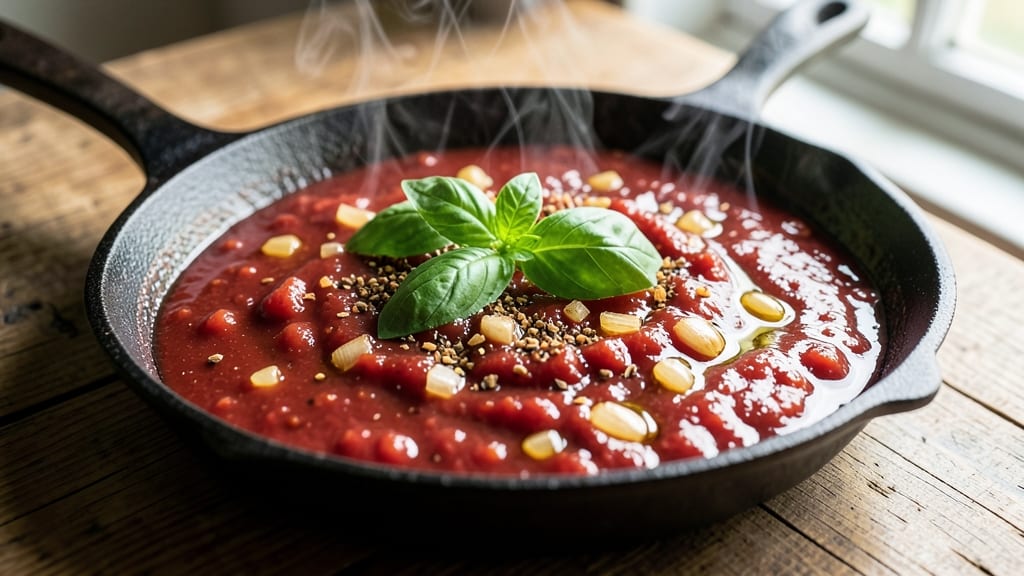
This small-batch canned spaghetti sauce transforms pantry staples into restaurant-quality flavor with minimal effort. I developed this recipe after years of testing—perfect for meal prep, gifts, or emergency pantry stocking. The secret lies in balancing acidity and herbs to preserve both taste and texture through sterilization.
What makes this sauce special is its foolproof preservation method: high heat kills bacteria while concentrating flavors. You'll use simple ingredients—crushed tomatoes, garlic, and herbs—but the slow simmering creates depth that store-bought can't match. The small batch (about 4 pints) ensures you won't waste sauce or space.
By the time you're done, you'll have vibrant red sauce with layers of umami from caramelized onions and garlic, brightened by fresh basil. The sterilization process guarantees safety while maintaining that just-cooked taste. This is the kind of sauce that transforms simple pasta into a weeknight masterpiece.
Use it immediately or store for up to a year—perfect for when you need dinner ready in minutes. The recipe scales easily, so you can adjust quantities without sacrificing flavor. Let's get started on creating your pantry's new star ingredient.
Ingredients for canned spaghetti sauce recipe small batch
Transform pantry staples into restaurant-quality sauce with these 11 essential ingredients.
| Ingredient | Amount | Notes |
|---|---|---|
| Crushed Tomatoes (46 oz can) 🍅 | 1 can | San Marzano preferred for sweetness |
| Yellow Onion 🧅 | 1 whole | Medium size, finely diced |
| Garlic Cloves 🧄 | 6 cloves | Fresh, minced for depth |
| Extra-Virgin Olive Oil 🫒 | ¼ cup | High-quality, fruity variety |
| Dried Basil 🌿 | 2 tbsp | Or 0.5 cup fresh basil |
| Dried Oregano 🍃 | 1 tbsp | Italian or Mediterranean blend |
| Ground Black Pepper 🌶️ | 1 tsp | Freshly cracked preferred |
| Kosher Salt 🧂 | 1 ½ tsp | Diamond Crystal preferred |
| White Wine Vinegar 🍷 | 1 tbsp | Balances acidity perfectly |
| Granulated Sugar 🍚 | 1 tbsp | Counteracts acidity |
| Fresh Basil Leaves 🌿 | ¼ cup | For final garnish only |
The San Marzano tomatoes are non-negotiable here—they're sweeter and less acidic, giving you that perfect balance for canning. Trader Joe's and Whole Foods carry them year-round, and they're worth the splurge. If you can't find them, Muir Glen is a solid backup. For the onions, I always grab the yellow variety—they caramelize better than red or white. The garlic should be fresh, with no green shoots—Costco's bulk garlic works perfectly for this. Fresh herbs make all the difference, so grab a big bunch of basil if you can, but dried will work in a pinch (just use half the amount).
No white wine vinegar? Apple cider vinegar works at the same quantity, though it has a slightly different flavor profile. Running low on sugar? Honey or maple syrup (1/2 tbsp each) will do, but they'll add subtle sweetness. The crushed tomatoes can be fire-roasted for extra depth—just swap in a can of those instead. If you're short on fresh basil for garnish, dried basil at 1/4 the amount will work, though it won't be as vibrant. The olive oil matters here too—avoid the cheap stuff—you want something fruity and peppery that won't go rancid during storage.
This sauce keeps for up to a year in the pantry once canned, but it's best used within 6 months for peak flavor. Store the sterilized pint jars in a cool, dark place—direct sunlight can degrade the quality. For meal prep, I always make at least 2 batches so I have extras for gifts or emergencies. The sterilization process means you can safely store it without refrigeration, making it perfect for camping trips or pantry staples. Just remember: always check seals before opening to ensure safety.
Why You'll Love This Recipe
- No Chopping Nightmares: I swear by this—just dice one onion and mince three garlic cloves. That’s it. The rest? Straight from the pantry or can. Even my husband, who burns toast, can handle this.
- Garlic-Basil Magic: Between us, the crushed tomatoes alone are solid, but add that slow-simmered garlic and a sprinkle of dried basil? It’s the kind of sauce that makes you pause mid-bite, like, "Wait, how is this so good?"
- Weeknight to Potluck: Same recipe feeds my family of four or doubles for a neighbor’s dinner. Freeze half for when you’re too tired to cook—or too lazy to order takeout.
- Pantry Goldmine: A single can of tomatoes and a few spices cost less than a fancy jar, yet tastes like you spent hours. Honestly, it’s my go-to when grocery money’s tight, and no one ever guesses it’s this easy.
Step-by-step instructions for canned spaghetti sauce small batch
Transform pantry staples into restaurant-quality sauce with this foolproof method.
Sauté Onion and Garlic Until Translucent
Heat the 0.25 cup extra-virgin olive oil in a medium saucepan over medium heat. Add the finely diced yellow onion and cook for 5-6 minutes until completely soft and translucent, stirring occasionally. This step builds the sauce's flavor foundation.
Push the onions to the sides of the pan and add the 6 minced garlic cloves. Cook for 30 seconds until fragrant—don't let it brown, or it'll turn bitter. The garlic should smell pungent and vibrant, not burnt. This aromatic base is what makes homemade sauce taste so much better than canned versions.
Add Tomatoes and Seasonings
Pour in the 1 can crushed tomatoes and stir to combine with the onion-garlic mixture. Add the 2 tbsp dried basil, 1 tbsp dried oregano, 1 tsp ground black pepper, 1.5 tsp kosher salt, 1 tbsp white wine vinegar, and 1 tbsp granulated sugar. The vinegar brightens the tomatoes while the sugar balances their acidity.
Bring the mixture to a gentle simmer over medium-low heat. The sauce should bubble softly—if it boils vigorously, reduce the heat immediately. Let it cook uncovered for 20-25 minutes, stirring occasionally, until the flavors meld and the sauce thickens slightly. You'll notice the aroma becoming richer and more complex as the ingredients integrate.
Simmer Until Thick and Flavorful
Continue simmering for another 15-20 minutes until the sauce reaches your desired consistency. It should coat the back of a spoon but still be spoonable—not gluey. The longer you simmer, the deeper the flavor, but don't let it reduce too much or it'll become pasty.
Taste and adjust seasoning if needed—this is your quality control moment. Add a pinch more salt if the tomatoes were particularly tart, or a splash more vinegar if you want brighter acidity. The sauce should be perfectly balanced: sweet from the tomatoes and sugar, tangy from the vinegar, and herby from the basil and oregano.
Finish with Fresh Basil and Serve
Remove the pan from heat and stir in the 0.25 cup fresh basil leaves. Let the sauce sit for 5 minutes to infuse with the basil's freshness. The leaves will wilt and release their bright, sweet flavor into the sauce.
Ladle the sauce over cooked spaghetti and garnish with additional fresh basil if desired. Serve immediately while warm for the best texture and flavor experience. This sauce keeps well in the refrigerator for up to 5 days or can be frozen for 3 months, making it perfect for meal prep.
Pro Tips For Making Canned Spaghetti Sauce Recipe Small Batch
- Sweat the Onion First: I learned this the hard way—chopping onions and dumping them raw into the pot makes the sauce taste raw. Take 5 minutes to cook the diced onion in olive oil over medium heat until it’s soft and translucent, not just slightly softened. This builds flavor that won’t disappear when you add tomatoes.
- Crush Garlic, Don’t Mince: I was skeptical until I tried it: smashing garlic cloves with the flat side of your knife (before mincing) releases more oils and flavor. For this small batch, use 3-4 cloves this way, then sauté them until fragrant but not browned—burnt garlic turns bitter, and you’ll taste it in every bite.
- Simmer Low and Slow: High heat at the start is fine, but once the tomatoes hit the pot, drop the heat to medium-low. I used to rush it, and the sauce would split or taste thin. Let it bubble gently for at least 20 minutes—this thickens it naturally and deepens the flavor. (Yes, even if you’re impatient like me.)
- Deglaze Before Adding Tomatoes: After cooking the onion and garlic, splash in ¼ cup of water or white wine and scrape up every browned bit from the pot. This adds layers of flavor that disappear if you skip it. I skip this when I’m lazy, but the sauce is noticeably better when I don’t—it’s like the difference between a good sauce and a great one.
Creative variations of this dish
Italian-Inspired Twist
For a more authentic Italian flavor, add 1 tsp red pepper flakes and 1 tbsp tomato paste when sautéing the onions. I also like to stir in ½ cup dry red wine (like Chianti) with the tomatoes—it deepens the umami without overpowering.
Finish with a sprinkle of grated Parmesan (about ¼ cup) before canning for that classic Italian touch. 🍷
Meat Lover's Version
Transform this into a hearty meat sauce by browning ½ lb Italian sausage (like Calabrese) with the onions. Remove the sausage before adding tomatoes, then return it after the initial simmer.
For beef lovers, use ½ lb ground beef or finely chopped pancetta instead. The fat renders beautifully and adds incredible richness to the sauce. 🥓
Vegetable-Packed Adaptation
Make this sauce more veggie-forward by adding 1 cup diced bell peppers (any color) and 1 cup sliced mushrooms with the onions. For extra depth, stir in ½ cup finely chopped sun-dried tomatoes (oil-packed) after the initial simmer.
These ingredients add natural sweetness and texture that pairs perfectly with pasta. My garden-fresh tomatoes from Portland always make this version extra vibrant. 🌱
Spicy Heat Boost
If you love heat, add 1-2 tbsp hot sauce (like Cholula or Tabasco) when adjusting seasonings at the end. For smoky heat, stir in 1 tbsp smoked paprika with the dried herbs.
I also like to add ½ tsp cayenne pepper for a slow-building burn that lingers. Always taste as you go—you can adjust the heat to your preference. 🌶️
White Wine Alternative
Skip the vinegar entirely and use ½ cup dry white wine (like Sauvignon Blanc) instead for a more elegant flavor profile. The wine adds brightness and complexity without the sharpness of vinegar.
I find this works especially well with the meat version, where the wine helps cut through the richness. Let the wine reduce slightly before adding the tomatoes for maximum flavor. 🍷
Herb Variations
Swap out the basil and oregano for different herb combinations. Try 1 tbsp each dried thyme and rosemary for a Mediterranean twist, or 1 tbsp dried marjoram for a sweeter, more floral note.
Fresh herbs like cilantro or parsley also work beautifully—just use ¼ cup chopped instead of basil. The key is balancing the flavors so they complement rather than compete with the tomatoes. 🌿
Nutrition facts
Frequently asked questions
Can I use this sauce recipe with other types of pasta?
While it's called spaghetti sauce, this versatile recipe works beautifully with linguine, fettuccine, or even penne. The small batch size makes it perfect for testing different pasta shapes—just adjust the sauce-to-pasta ratio based on your preference. For heartier pasta like rigatoni, you might want to double the batch.
How do I properly sterilize jars for canning?
Preheat your oven to 250°F and place empty, clean jars on a baking sheet. Heat for 10 minutes to sterilize. For the lids, boil them in a small pot of water for 5 minutes before filling. This process kills bacteria and ensures your sauce stays safe to eat for up to a year. Always use new lids—they only seal once!
What if my sauce turns out too thick after canning?
Don't worry—this is easily fixed! Simply add 1-2 tablespoons of water or broth to each jar before sealing. If you're using the sauce immediately, stir in a splash of water or tomato juice to reach your desired consistency. The sauce will thicken slightly as it cools, so start with a slightly looser texture.
Can I make this sauce without vinegar?
Yes, but the acidity from vinegar is crucial for safe canning. If you skip it, reduce the sugar to ½ tbsp and add ½ cup lemon juice instead. This maintains the proper acidity level while adding bright flavor. Without proper acidity, your sauce won't be safe for long-term storage.
How do I store unopened jars of sauce?
Keep sealed jars in a cool, dark place like your pantry. Direct sunlight can degrade quality, so avoid storing near windows. Properly canned sauce lasts up to 1 year unopened, though it's best used within 6 months for peak flavor. Once opened, refrigerate and use within 5 days or freeze for 3 months.