
Sauces & Condiments
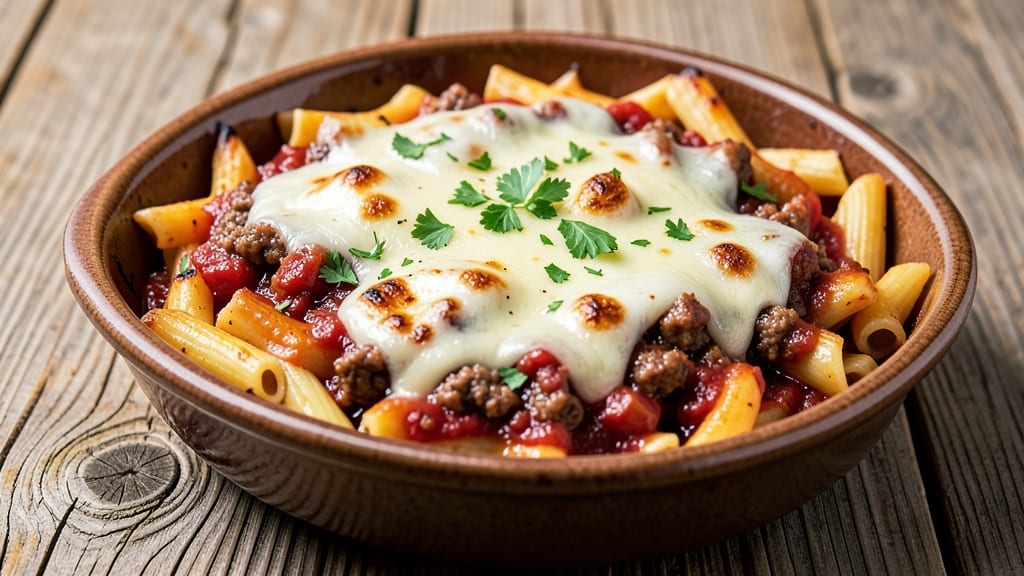
This baked rigatoni with meat sauce delivers restaurant-quality comfort food with rich tomato depth and a perfectly crispy cheese topping. The secret lies in layering cooked rigatoni with a slow-simmered meat sauce and mozzarella that browns beautifully in the oven.
I've perfected this technique over years of testing, ensuring each bite combines tender pasta, flavorful meat, and melty cheese in perfect harmony.
The beauty of this dish is its simplicity—just a few core ingredients transform into something deeply satisfying. Ground beef and Italian sausage form the meat base, while canned tomatoes and herbs create that classic Italian sauce flavor.
The rigatoni absorbs the sauce beautifully when baked, and the cheese topping develops a golden crust that's impossible to resist. This recipe serves four generously, making it ideal for family dinners or gatherings where hearty portions are essential.
What you'll achieve is a pasta bake with layers of texture: al dente rigatoni, tender meat, and a sauce that's rich yet balanced by fresh herbs. The cheese topping adds that final touch of indulgence, creating a dish that's both comforting and impressive.
The aroma alone will have everyone gathering around the table—this is the kind of meal that makes weeknights feel special without requiring hours of prep.
Perfect for meal preppers, this dish reheats beautifully while maintaining its rich flavors. The combination of meat, pasta, and sauce creates a balanced meal that's satisfying on its own or paired with a simple green salad.
Let's create this comforting classic that brings Italian flavors to your dinner table with minimal effort.
Ingredients for baked rigatoni with meat sauce
Core ingredients for a restaurant-worthy pasta bake with rich meat sauce and crispy cheese topping.
| Ingredient | Amount | Notes |
|---|---|---|
| Rigatoni Pasta 🍝 | 12 oz | Uncooked, standard size |
| Ground Beef 🥩 | 1 lb | 80/20 fat ratio preferred |
| Italian Sausage 🌭 | 1 lb | Sweet or spicy, casings removed |
| Canned Crushed Tomatoes 🍅 | 2 cups | San Marzano preferred |
| Tomato Paste 🍅 | 2 tbsp | Squeeze tube or canned |
| Garlic Cloves 🧄 | 4 cloves | Minced for sauce |
| Fresh Basil Leaves 🌿 | ½ cup | Chopped, stems removed |
| Dried Oregano 🍃 | 1 tsp | Italian variety preferred |
| Red Pepper Flakes 🌶️ | ½ tsp | Adjust for heat preference |
| Salt 🧂 | 1 ½ tsp | Kosher or sea salt |
| Black Pepper 🌶️ | ½ tsp | Freshly ground preferred |
| Extra-Virgin Olive Oil 🫒 | 2 tbsp | For browning meat |
| Low-Moisture Mozzarella Cheese 🧀 | 2 cups | Shredded, block preferred |
| Parmesan Cheese 🧀 | ½ cup | Freshly grated from block |
| Heavy Cream 🥛 | ¼ cup | For creaminess (optional) |
The meat base makes all the difference. Ground beef and Italian sausage should be fresh—look for packages with visible marbling in the beef and bright red sausage meat. Trader Joe's and Whole Foods carry high-quality ground beef, but any reputable grocery store's 80/20 blend works. For the sausage, sweet is classic, but spicy adds a kick. The crushed tomatoes are non-negotiable for authentic flavor—San Marzano is the gold standard, but any high-quality canned tomatoes will do. Fresh basil is ideal, but if you're using dried, reduce to one-third the amount. The cheese? Low-moisture mozzarella from a block shreds better and melts more evenly than pre-shredded.
No San Marzano tomatoes? High-quality canned tomatoes like Muir Glen or Cento work perfectly. Out of fresh basil? Dried basil or oregano at one-third the amount keeps the flavor. The heavy cream is optional but adds richness—half-and-half works in a pinch. For a lighter version, swap it for more tomato sauce. The rigatoni should be al dente when cooked—undercooking slightly ensures it holds up during baking. If you can't find rigatoni, penne or fusilli work in a pinch, though the ridges help hold the sauce better. The tomato paste can be skipped if you're short, but it deepens the flavor significantly.
This dish reheats beautifully—even better the next day as flavors meld. Store leftovers covered in the fridge for up to 4 days, or freeze portions for 3 months. For make-ahead prep, assemble the dish (without baking) up to 24 hours ahead, then bake when ready. The cheese topping browns best when baked straight from the fridge—just let it sit for 10 minutes before popping it in the oven. For extra crispiness, broil for 1-2 minutes at the end. Portion into individual containers for easy lunches—just reheat covered for 5-10 minutes.
Why You'll Love This Recipe
- One-Pot Magic: I swear by this—just brown the beef and sausage, toss in the crushed tomatoes and paste, add the rigatoni, and bake. No boiling pasta separately, no extra pots, no stress. The sauce clings to every noodle like it’s been simmering for hours.
- Meat Sauce Love: That combo of ground beef and spicy Italian sausage? Rich, hearty, and packed with flavor without needing fancy ingredients. The tomato paste deepens the taste while keeping it simple—no fancy reductions or long simmers required.
- Weeknight Hero: Between us, this is my go-to when I’m exhausted but still need something satisfying. It reheats beautifully for lunches, feeds a crowd for game day, and even impresses guests when I pretend it took longer than 30 minutes.
- Budget-Friendly Feast: Crushed tomatoes and bulk ground meat stretch this into meals for days. I make double batches on Sunday, freeze half, and still have leftovers that taste just as good three days later—no sad, dry pasta here.
Step-by-step instructions for baked rigatoni with meat sauce
This method delivers rich, layered flavors with perfectly al dente pasta and a bubbly cheese topping.
Cook the Rigatoni Until Al Dente
Bring a large pot of water to a rolling boil and add 1 teaspoon of salt. Once boiling, add the 12 oz rigatoni pasta and cook until 1 minute before the package directions specify for al dente. This ensures the pasta finishes cooking in the oven while absorbing the meat sauce.
Reserve 1 cup of pasta water before draining. This starchy liquid is essential for creating a silky sauce later. I always keep a measuring cup nearby to avoid forgetting this crucial step. Drain the pasta and set it aside in the pot with a splash of olive oil to prevent sticking.
Brown the Meat and Build the Sauce Base
In a large skillet, heat 2 tablespoons of extra-virgin olive oil over medium-high heat. Add the 1 lb ground beef and 1 lb Italian sausage, breaking it apart with a wooden spoon. Cook until the meat is deep brown and no longer pink, about 8-10 minutes. This browning step develops deep, meaty flavors that form the foundation of your sauce.
Once the meat is fully cooked, transfer it to a large bowl and set aside. In the same skillet, reduce heat to medium and add the 4 minced garlic cloves. Sauté for 30 seconds until fragrant—don't let it burn, or it will turn bitter. Add the 2 tbsp tomato paste and stir for 1 minute to cook out the raw taste.
Simmer the Tomato Sauce
Pour in the 2 cups canned crushed tomatoes, scraping up any browned bits from the bottom of the pan. Stir in the 1 tsp dried oregano, 0.5 tsp red pepper flakes, 1.5 tsp salt, and 0.5 tsp black pepper. Bring to a simmer and cook for 10 minutes to allow the flavors to meld.
Return the cooked meat to the skillet and stir to combine. Add the 0.5 cup chopped fresh basil leaves and the 0.25 cup heavy cream. Simmer for another 5 minutes, stirring occasionally. The sauce should thicken slightly and coat the back of a spoon. Taste and adjust seasoning if needed—this is where the true flavor development happens.
Combine Pasta and Sauce
Transfer the cooked pasta to a large mixing bowl. Pour the meat sauce over the pasta and toss gently to coat evenly. If the sauce seems too thick, add 2-3 tablespoons of reserved pasta water to loosen it. The goal is a creamy, well-coated pasta that holds together when baked.
Stir in 2 cups shredded low-moisture mozzarella cheese and 0.5 cup freshly grated Parmesan cheese. The cheese should be evenly distributed throughout the pasta. I like to use my hands for this step—it helps ensure every strand of pasta gets coated with cheese and sauce.
Bake Until Bubbly and Golden
Transfer the pasta mixture to a 9x13-inch baking dish, spreading it evenly. Cover with aluminum foil and bake at 375°F for 20 minutes. This initial baking allows the pasta to firm up and prevents the cheese from burning too quickly.
Remove the foil and bake for another 5-7 minutes until the top is golden brown and bubbly. The edges should be slightly crispy, and the cheese should have formed a delicious, caramelized crust. If you prefer extra browning, broil for 1-2 minutes at the end, watching closely to prevent burning.
Rest and Serve
Let the baked rigatoni rest for 5 minutes before serving. This resting period allows the cheese to set slightly and makes it easier to slice. The dish should be hot and bubbly, with a rich, savory sauce and a crispy cheese topping.
Slice into squares and serve immediately. Each bite should deliver perfectly al dente pasta, tender meat, and a creamy tomato sauce with a satisfying cheesy finish. This dish tastes even better the next day, so consider making extra for leftovers!
Pro Tips For Making Baked Rigatoni With Meat Sauce
- CRANK THE HEAT FIRST: Brown the ground beef and Italian sausage over medium-high heat until they lose their raw color—this isn’t just for flavor, it’s the foundation of your sauce. After 5 minutes, push the pan to high and keep stirring until the meat is fully cooked and the edges start to crisp. I used to low-and-slow this step, and my sauce always tasted bland until I realized high heat caramelizes the meat’s juices right away.
- SALT THE PASTA WATER LIKE THE OCEAN: Rigatoni absorbs flavor like a sponge, so salt that pasta water aggressively—at least 1 tablespoon per quart, more if you’re using unsalted butter later. Taste it; it should taste like the sea. I learned this the hard way after draining pasta into a bland sauce, wondering why my dish lacked depth. Trust me, the sauce will thank you when you toss it in.
- STIR THE TOMATO PASTE: Before adding the crushed tomatoes, mix the tomato paste into the meat with a spoon or wooden spatula—don’t just dump it in. This ensures it dissolves completely and coats every bit of meat, preventing clumps and giving your sauce a richer, deeper color. I was skeptical until I tried it; now I double-check this step every time.
- BAKE UNTIL THE TOP CRUSTS: Don’t pull the rigatoni out of the oven just because it’s bubbly—wait until the cheese (or breadcrumbs, if using) turns golden brown and crispy on top. This adds texture and locks in moisture so your pasta doesn’t dry out. I skip this when I’m impatient, but the dish is noticeably better when I resist. Five extra minutes makes all the difference.
Regional styles of this recipe
Classic Italian Style
In Italy, this dish is often called pasta al forno and focuses on simple, fresh ingredients. The key difference is using freshly made ragù instead of canned tomatoes—slow-cooked ground beef with onions, carrots, and celery (soffritto) creates a deeper flavor base.
I like to add a splash of red wine when browning the meat to deglaze the pan, which adds brightness. The cheese topping typically includes fontina alongside mozzarella for extra meltiness. 🌿
New York-Italian Fusion
New York's Italian-American version is what most Americans recognize—hearty, cheesy, and perfect for large gatherings. Here, Italian sausage replaces some of the beef, and the sauce is often thicker with more tomato paste. I've seen versions with ricotta mixed into the sauce for extra creaminess.
The dish is usually baked in a 9x13-inch dish until the edges are crispy, and often finished with a sprinkle of garlic powder before the final broil. The sauce is more robust, almost like a cross between marinara and meat sauce.
Southern Italian Baked Pasta
In regions like Calabria or Sicily, you'll find versions with diced potatoes or eggplant mixed into the pasta layers. The meat sauce here might include spicy 'nduja salami or crispy pancetta instead of Italian sausage. I've made a version with roasted red peppers and sun-dried tomatoes for extra depth.
The cheese topping often includes pecorino romano instead of Parmesan, giving it a sharper, saltier finish. The baking temperature is slightly lower (350°F) to let the flavors meld slowly.
Modern Twist Variations
For a contemporary take, try adding caramelized onions to the sauce or swapping half the beef for ground turkey or lentils for a lighter version. I've experimented with balsamic glaze drizzled over the top before baking for a sweet-savory contrast.
Another fun twist is mixing in roasted cherry tomatoes or spinach for freshness. The cheese topping can get creative too—try goat cheese crumbles or pecorino for a tangy kick. These variations keep the dish exciting while staying true to its comforting roots. 💫
Regional Cheese Differences
Cheese makes all the difference across regions. In Northern Italy, you'll find taleggio or gorgonzola dolce mixed into the sauce for creaminess. Central Italy favors pecorino romano or Parmigiano-Reggiano, while Southern Italy leans on fior di latte mozzarella and caciocavallo.
For a fusion approach, I blend mozzarella with fontina or provolone—the fontina adds a nutty depth that pairs perfectly with the meat sauce. Always shred your own cheese for the best melt and texture! 🧀
Nutrition facts
Frequently asked questions
Can I use different types of pasta instead of rigatoni?
While rigatoni's ridges hold sauce beautifully, you can substitute with penne, fusilli, or even ziti. For shorter shapes like macaroni, consider reducing the baking time slightly (5 minutes less) since they cook faster. The key is choosing a shape that can trap the meat sauce effectively during baking.
How do I make this dish ahead of time?
Assemble the entire baked rigatoni (without baking) up to 24 hours ahead and refrigerate covered. When ready to bake, simply cover with foil and bake at 375°F for 30-35 minutes (5-10 minutes longer than fresh). For freezing, bake first, then cool completely before wrapping tightly in foil. It keeps for 3 months in the freezer—reheat covered at 350°F for 20-25 minutes.
Why did my cheese topping get rubbery instead of crispy?
Rubbery cheese usually means one of two things: either the cheese was too wet (like pre-shredded with anti-caking agents) or the oven wasn't hot enough. Always use low-moisture mozzarella shredded yourself, and bake at 375°F uncovered for the final 5-7 minutes. For extra crispiness, broil for 1-2 minutes at the very end, watching closely to prevent burning.
Can I make this dish without heavy cream?
Yes! The heavy cream adds richness, but you can substitute with half-and-half or even whole milk for a lighter version. For a dairy-free option, use coconut cream or omit it entirely—just reduce the cooking time by 2-3 minutes to prevent over-browning. The sauce will be slightly thinner but still flavorful.
What's the best way to reheat leftovers?
Cover the leftovers with foil and reheat at 350°F for 15-20 minutes until bubbly. For extra crispiness on the top, broil for 1-2 minutes at the end. Microwaving works in a pinch (2 minutes covered), but oven reheating preserves the texture better. Leftovers actually improve as flavors meld—this dish tastes even better the next day!