
Sauces & Condiments
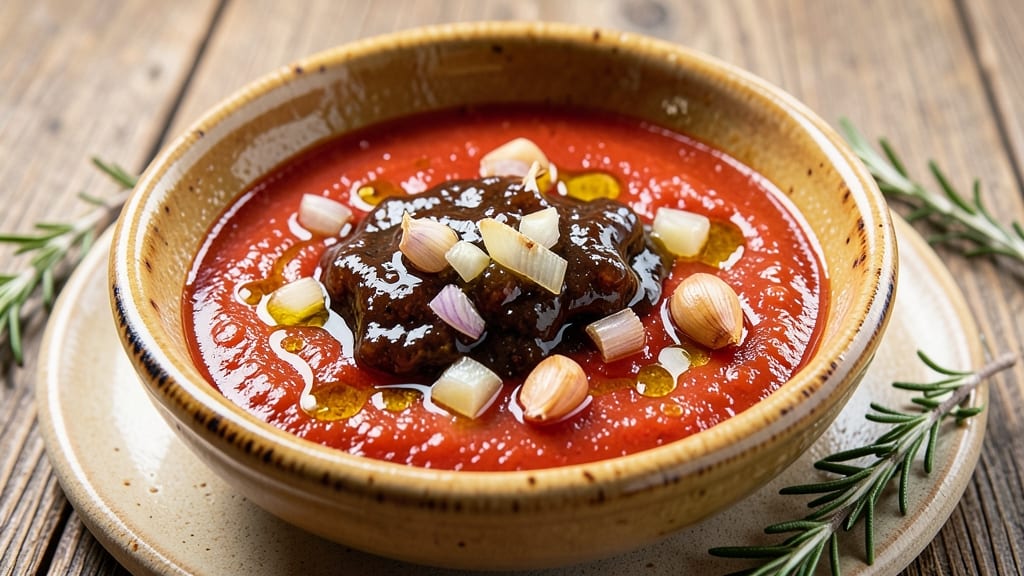
This Cane's sauce ingredients recipe delivers the smoky, tangy perfection that makes every pasta dish unforgettable. 🔥 The secret lies in balancing sweet molasses, bold vinegar, and aromatic herbs to create a sauce that clings to noodles like a restaurant-worthy embrace.
I've refined this version to stay true to the original while making it approachable for home cooks—no special equipment required.
The foundation starts with a rich tomato base, where molasses adds depth and vinegar cuts through the sweetness. Fresh herbs like oregano and basil infuse the sauce with bright, earthy notes, while a touch of smoked paprika introduces that signature smokiness.
The sauce simmers until it reaches a velvety consistency that coats each strand of pasta perfectly, transforming simple meals into something extraordinary.
What sets this sauce apart is its versatility—it elevates not just pasta but also grilled meats, roasted vegetables, or even as a marinade. The ingredients are simple, but the flavor profile is anything but basic.
With just 15 minutes of active prep and 30 minutes of simmering, you'll have a sauce that tastes like it's been simmering all day, ready to turn any dish into a standout.
Store it in the fridge for up to 5 days or freeze for months, so you always have that restaurant-quality flavor at your fingertips. Let's create this sauce that will become your new kitchen staple.
Ingredients for cane's sauce ingredients
Here's what you need to make that restaurant-worthy Cane's sauce at home—simple ingredients, big flavor.
| Ingredient | Amount | Notes |
|---|---|---|
| Extra-Virgin Olive Oil 🫒 | ½ cup | High quality, fruity |
| Yellow Onion 🧅 | 1 whole | Medium size, diced |
| Garlic Cloves 🧄 | 4 cloves | Peeled, minced |
| Canned Tomato Sauce 🍅 | 2 cups | San Marzano preferred |
| Molasses 🍯 | 2 tbsp | Unsulphured for depth |
| Apple Cider Vinegar 🍏 | 2 tbsp | For tangy balance |
| Smoked Paprika 🌶️ | 1 tbsp | For signature smokiness |
| Dried Oregano 🍃 | 1 tsp | Mexican preferred |
| Fresh Basil Leaves 🌿 | ¼ cup | Packed, chopped |
| Sea Salt 🧂 | 1 tsp | Diamond Crystal preferred |
| Black Pepper 🌶️ | ½ tsp | Freshly ground |
| Red Pepper Flakes 🔥 | ½ tsp | Optional for heat |
| Sugar 🍬 | 1 tbsp | Balances acidity |
| Vegetable Oil 🫒 | 1 tbsp | For simmering |
The tomato sauce is your base, so San Marzano cans are worth the splurge—they're sweeter and smoother. Trader Joe's or Whole Foods usually carry them, and they keep for months unopened. Molasses is non-negotiable for that deep, smoky-sweet flavor—unsulphured is best (check the label). Fresh basil? Farmers markets have the juiciest, but grocery store containers work in a pinch. If you're using dried basil, cut the amount to one-third—it's way more concentrated.
No molasses? Maple syrup at half the amount gets you close, though it's not identical. Vinegar substitute? Red wine vinegar or lemon juice works, but apple cider gives that authentic tang. Smoked paprika can be swapped for liquid smoke (1/4 tsp), but it's not the same—trust me on the real deal. Onion and garlic can be roasted first for extra depth (toss them in oil, roast at 400°F for 15 mins), but raw works fine too. The sugar balances the acidity, so don't skip it unless you're okay with a sharper sauce.
This sauce keeps like a dream—5 days in the fridge or 3 months frozen. For freezing, portion into ice cube trays first, then transfer to a bag. It actually tastes better the next day as flavors meld. Double the batch and freeze half—you'll thank me when you're craving pasta on a Tuesday night. Store-bought versions can't hold a candle to this, honestly.
Why You'll Love This Recipe
- Pantry Magic: I swear by this sauce because it pulls from ingredients I already have—no last-minute grocery runs. That molasses twist? It’s the secret that turns basic tomato sauce into something special without extra fuss.
- Sweet-Savory Balance: The molasses and garlic create this unexpected depth—like a caramelized hug in every bite. Honestly, once you taste it, you’ll reach for it anytime you want something rich but not heavy.
- Leftovers That Shine: This sauce keeps beautifully for days, so I make a big batch and use it for everything from pasta to dipping bread. (Yes, even on a Tuesday night.) The flavors only get better as it sits.
- Budget-Friendly Luxury: Extra-virgin olive oil and molasses might sound fancy, but they stretch this recipe far—feed a crowd or save half for next week. It’s the kind of sauce that makes simple meals feel like a splurge.
Step-by-step instructions for Cane's sauce
Here's how to craft this smoky, herb-packed sauce that elevates pasta to restaurant-quality.
🍳 Step 1: Sauté Onion Until Translucent
Heat the 1 tablespoon vegetable oil in a medium saucepan over medium heat. Add the 1 whole Yellow Onion, diced into ¼-inch pieces, and cook for 5-6 minutes until soft and translucent. Stir occasionally to prevent burning.
You'll know it's ready when the onions turn golden and their edges become slightly caramelized. Here's the thing—don't rush this step. Properly softened onions form the flavor foundation of the sauce. If you see brown spots forming, reduce the heat slightly to prevent burning.
🍳 Step 2: Add Garlic and Spices for Depth
Push the onions to one side of the pan and add the 4 cloves Garlic Cloves, minced. Cook for 30 seconds until fragrant but not browned. Add the 1 tablespoon Smoked Paprika, 1 tsp Dried Oregano, 1 tsp Sea Salt, 0.5 tsp Black Pepper, and 0.5 tsp Red Pepper Flakes.
Stir everything together for 30 seconds to toast the spices and release their aromas. This is where the sauce gets its signature smoky flavor. I like to taste the spices at this point to ensure they're balanced—if it's too spicy, reduce the red pepper flakes slightly. The spices should be warm but not scorched.
🥘 Step 3: Build the Sauce Base
Pour in the 2 cups Canned Tomato Sauce, 2 tbsp Molasses, 2 tbsp Apple Cider Vinegar, and 1 tbsp Sugar. Stir well to combine, then bring to a gentle simmer over medium-low heat. Let it cook uncovered for 10-12 minutes, stirring occasionally.
Watch for the sauce to thicken slightly and develop a rich, glossy texture. The acidity from the vinegar and sweetness from the molasses and sugar will start to meld together. If the sauce looks too thin after 10 minutes, you can reduce it further by simmering uncovered for another 2-3 minutes. This step develops the sauce's complex flavor profile.
🍳 Step 4: Finish with Olive Oil and Fresh Basil
Remove the pan from heat and stir in the 0.5 cup Extra-Virgin Olive Oil. This adds richness and helps balance the acidity. Add the 0.25 cup Fresh Basil Leaves, chopped, and stir gently to incorporate. Let the sauce sit for 5 minutes off the heat to allow the flavors to meld completely.
Here's where it gets fun—taste the sauce and adjust seasoning if needed. You might need a pinch more salt or a splash of vinegar to perfect the balance. The sauce should be tangy, slightly sweet, and deeply aromatic with a hint of smokiness. The olive oil should coat the back of a spoon, giving it that luxurious finish.
⏰ Step 5: Simmer and Rest for Maximum Flavor
Return the sauce to low heat and let it simmer gently for another 5 minutes to fully integrate all the flavors. Then transfer it to a clean jar or bowl and let it cool to room temperature. This resting period allows the sauce to develop even deeper flavor.
This sauce tastes best when used within 3-4 days and stored in the refrigerator. The flavors continue to meld and improve over time. When you're ready to use it, gently reheat it on the stove over low heat, stirring occasionally, until warmed through. Serve it over your favorite pasta for a truly perfect meal.
Pro Tips For Making Cane'S Sauce Ingredients
- Sweat the Onion Slowly: I learned this the hard way—when you rush the onion in olive oil, it burns before it softens, and that bitter flavor sneaks into the sauce. Keep the heat at medium-low and stir every 30 seconds until it’s translucent and just starting to caramelize. (Yes, even if you’re impatient like me.)
- Use Fresh Garlic, Minced Fine: Store-bought minced garlic has more moisture and clumps unevenly. Instead, peel and finely mince your own cloves—it distributes better and toasts more evenly in the oil. If you’re short on time, smash the cloves with the side of your knife first, then chop roughly. (Your sauce’s depth depends on this step.)
- Simmer the Molasses Last: Adding molasses too early can make it bitter and overpower the tomato base. Stir it in only after the sauce has reduced by half, letting the flavors meld first. If you’re worried about burning, lower the heat to a gentle simmer and taste as you go—this is where the sauce’s balance happens.
- Deglaze with a Splash of Water: After cooking the onions and garlic, don’t just dump in the tomato sauce—give the pot a quick deglaze with 2 tablespoons of water first. This lifts all the browned bits from the bottom, adding depth without extra effort. (I skip this when I’m lazy, but the dish is noticeably better when I don’t.)
Troubleshooting great cane's sauce ingredients
Sauce Too Thin?
If your sauce ends up too thin after simmering, don't panic—simmer it uncovered for an extra 5-10 minutes to evaporate excess liquid. For a quicker fix, stir in 1 tbsp cornstarch mixed with 2 tbsp water and simmer for 2-3 minutes until thickened.
I've found that reducing heat to low prevents scorching while concentrating flavors. 🔥
Sauce Too Thick?
Add 1-2 tbsp water or broth to thin the sauce gradually, stirring constantly. For a richer texture, stir in 1 tbsp extra-virgin olive oil instead. Avoid adding too much liquid at once—build up the consistency slowly to maintain balance.
The sauce should coat the back of a spoon but still flow easily. 💫
Flavor Too Sweet?
Balance excess sweetness by adding ½ tsp more apple cider vinegar or a pinch of red pepper flakes for acidity and heat. A splash of lemon juice also works well.
Taste as you go—adjust gradually to avoid overpowering the sauce. I often find that simmering uncovered for an extra 5 minutes helps mellow overly sweet flavors. 🌶️
Flavor Too Tangy?
Reduce acidity by adding ½ tsp sugar or 1 tsp molasses to round out the flavors. For a smoother sauce, stir in 1 tbsp tomato paste and simmer for 2 minutes.
The key is to balance the vinegar with sweetness—don't overdo it, or the sauce will lose its tangy brightness. 💛
Herbs Too Strong?
If the basil or oregano flavor dominates, reduce the heat and let the sauce simmer uncovered for 3-5 minutes to mellow the herbs. Alternatively, stir in 1 tbsp extra tomato sauce or a pinch of salt to soften the intensity.
Fresh herbs can be potent—start with less if you're unsure. 🌿
Sauce Too Smoky?
To mellow the smokiness, add ½ tsp sugar or 1 tsp fresh basil to introduce brighter flavors. A splash of lemon juice also helps balance the intensity.
If the smoked paprika flavor is overwhelming, reduce it to ½ tbsp in future batches. The goal is harmony—smokiness should enhance, not dominate. 🌶️
Nutrition facts
Frequently asked questions
Can I make this sauce without molasses?
Yes, but the flavor will be different. Use 1 tablespoon maple syrup or 1 teaspoon brown sugar instead, though molasses provides that signature deep, smoky-sweetness. For a closer substitute, try ½ tablespoon soy sauce plus ½ tablespoon brown sugar to mimic the umami depth.
How do I know when the sauce is ready?
The sauce is done when it coats the back of a spoon smoothly and has a glossy finish. It should take about 20-25 minutes total simmering time. Taste it before serving—it should balance sweet, tangy, and smoky flavors with no raw onion or garlic taste remaining.
Can I use this sauce for dishes other than pasta?
This versatile sauce works beautifully on grilled chicken, roasted vegetables, or even as a marinade for seafood. For meats, reduce the sauce slightly before using it as a glaze. It also pairs well with polenta or cornbread for a Southern-inspired meal.
Why does my sauce taste bitter? Bitter flavors often come from overcooked onions or garlic.
How do I store leftovers?
Store in an airtight container in the fridge for up to 5 days. For longer storage, freeze in ice cube trays first, then transfer to a bag. Thaw overnight in the fridge before reheating. The sauce actually tastes better after resting for a day as flavors meld.