
Sauces & Condiments
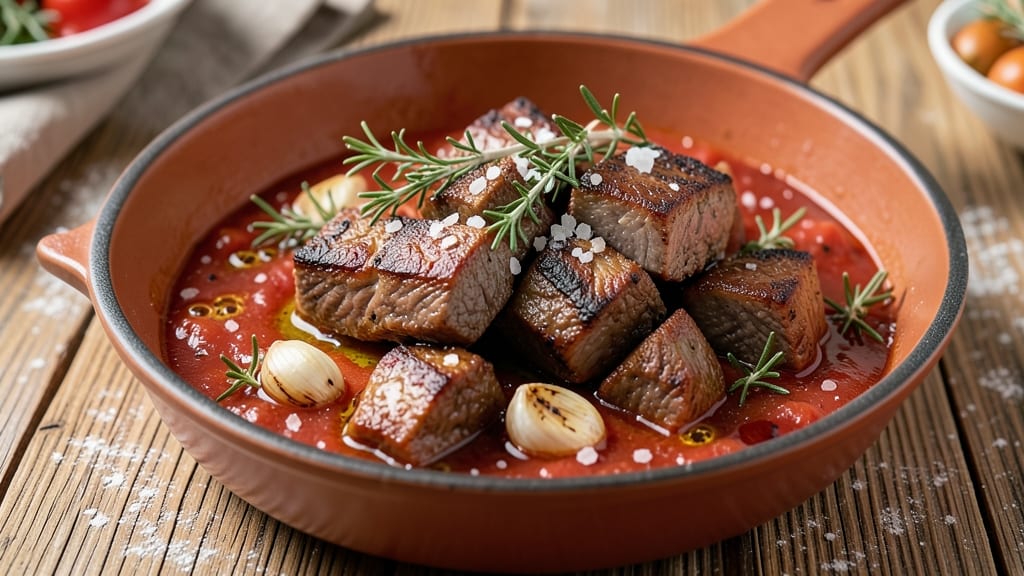
Beefsteak tomato sauce transforms simple beefsteak into a restaurant-worthy dish with its deep, umami-rich flavor profile. This sauce isn't just about tomatoes—it's a harmonious blend of slow-cooked beef, aromatic herbs, and a touch of sweetness that elevates any beefsteak preparation. The key lies in the reduction process, where flavors intensify and the sauce thickens into a velvety consistency perfect for drizzling or simmering with your meat.
What sets this sauce apart is its ability to complement beefsteak without overpowering its natural richness. The beef adds a deep, savory depth that pairs beautifully with the bright acidity of tomatoes and the earthy notes of herbs like rosemary and thyme.
Unlike quick sauces, this one develops complexity over time, making it ideal for meal prep or special occasions when you want to impress.
The result is a sauce that's rich, balanced, and full of layers—perfect for drizzling over sliced beefsteak, tossing with pasta, or serving alongside grilled vegetables.
It keeps well in the refrigerator for up to a week or can be frozen for up to three months, ensuring you always have a flavorful backup ready for your next beefsteak night.
Whether you're planning a weeknight dinner or a weekend feast, this sauce brings professional-level flavor to your table with minimal effort. The secret is patience—letting the sauce simmer until it reaches the perfect consistency ensures every bite is packed with umami and depth.
Let's get started on creating this versatile, crowd-pleasing sauce.
Ingredients for beefsteak tomato sauce
The secret to umami depth lies in these carefully chosen ingredients—where beef meets tomatoes in a symphony of slow-simmered richness.
| Ingredient | Amount | Notes |
|---|---|---|
| Beef Chuck Roast 🥩 | 1 ½ lb | Cubed into 1-inch pieces |
| San Marzano Tomatoes 🍅 | 28 oz | Crushed by hand, seeds removed |
| Extra-Virgin Olive Oil 🫒 | ½ cup | High quality, fruity variety |
| Garlic Cloves 🧄 | 6 cloves | Smashed, not minced |
| Fresh Rosemary 🌿 | ¼ cup | Chopped, stems removed |
| Fresh Thyme 🌿 | ¼ cup | Leaves only, stems discarded |
| Red Wine 🍷 | 1 cup | Bold dry variety like Cabernet |
| Beef Broth 🍲 | 1 cup | Homemade or high-quality store-bought |
| Tomato Paste 🍅 | 2 tbsp | Squeeze tube preferred |
| Brown Sugar 🍚 | 1 tbsp | Light or dark variety |
| Diamond Crystal Kosher Salt 🧂 | 1 ½ tsp | Adjust to taste throughout |
| Freshly Ground Black Pepper 🌶️ | ½ tsp | Cracked, not powdered |
The beef is non-negotiable here—chuck roast delivers that deep, meaty flavor that elevates this sauce beyond basic tomato. Grab a pre-cubed package from Costco if you're making a big batch, or ask your butcher to cut it for you. For tomatoes, San Marzano is the gold standard—sweeter, less acidic, and packed with flavor. If you can't find them, any high-quality canned tomatoes will work, but drain them well to avoid watery sauce. The olive oil matters too—skip the cheap stuff. A good fruity EVOO adds brightness that balances the richness of the beef and wine.
No red wine? Dry white wine or extra beef broth works in a pinch, though the color will be lighter. Fresh herbs are ideal, but dried rosemary and thyme at one-third the amount get you close. The tomato paste can be replaced with an extra 4 oz crushed tomatoes, though it won't thicken as much. For the sugar, honey or maple syrup adds subtle sweetness without altering the sauce's depth. And if you're short on time, pre-minced garlic from a jar works—just rinse it first to remove excess salt. The key is balancing sweet, acid, and umami, so don't skip the brown sugar entirely unless you're adding another sweet element.
This sauce tastes even better the next day as flavors meld, so make a double batch if you're planning ahead. Store in airtight containers in the fridge for up to 1 week or freeze for 3 months. For freezing, portion into ice cube trays first—perfect for adding to pasta or drizzling over steak later. Reheat gently on the stove, stirring occasionally, until warmed through. The sauce will thicken as it cools, so thin with a splash of broth if needed. Trust me, the extra effort is worth it for that restaurant-quality depth.
Why You'll Love This Recipe
- One-Pot Magic: I swear by this recipe—just sear the beef, toss in the tomatoes and garlic, and let it simmer. No chopping, no fuss, and the rich sauce pulls everything together while you sip your wine.
- Rosemary-Garlic Bomb: That first whiff of rosemary and garlic hitting the olive oil? Irresistible. The beef soaks up the flavors until every bite is tender, herby, and just salty enough—like a hug in sauce form.
- Leftovers That Shine: This sauce only gets better the next day. I make a double batch on Sundays, freeze half, and pull it out for lazy nights or when unexpected guests show up. (Yes, even on a Tuesday night.)
- Budget-Busting Luxury: A chuck roast is affordable, but it feels like a fancy cut when braised with San Marzano tomatoes and olive oil. Here’s the secret: the longer it cooks, the more it transforms into something restaurant-worthy without the price tag.
Step-by-step instructions for beefsteak tomato sauce
This umami-rich sauce transforms simple beef and tomatoes into a restaurant-worthy masterpiece.
Sear the Beef Chuck Roast for Deep Flavor
Heat a large Dutch oven over medium-high heat until it's smoking hot. Add the 1.5 lb beef chuck roast, cubed into 1-inch pieces, in a single layer. Let the beef sear undisturbed for 3-4 minutes until a deep golden-brown crust forms—this is your flavor foundation. You'll hear that satisfying sizzle when it releases from the pan.
Once browned on one side, stir and repeat on all sides until every piece has that perfect crust. Don't crowd the pan—work in batches if needed. Transfer the seared beef to a plate and set aside. Here's the thing—those browned bits (fond) are pure umami gold. We'll scrape them up later to build our sauce.
Build the Aromatic Base with Garlic and Herbs
In the same Dutch oven, add the 0.5 cup extra-virgin olive oil and reduce heat to medium. Add the 6 smashed garlic cloves and cook for 30 seconds until fragrant—don't let them brown or they'll turn bitter. Add the 0.25 cup chopped fresh rosemary and 0.25 cup fresh thyme leaves, stirring constantly for 1 minute until the herbs release their aromatic oils.
Here's where it gets good: stir in the 2 tbsp tomato paste and cook for 2 minutes until it darkens slightly. This step deepens the tomato flavor and creates a rich base for your sauce. The paste will bloom and develop a toasty aroma—this is your signal to move forward.
Simmer the Tomatoes and Wine for Complexity
Pour in the 1 cup red wine and scrape up all those browned bits from the bottom of the pan—this is called deglazing, and it's non-negotiable for maximum flavor. Let the wine simmer for 3-4 minutes until reduced by half. You'll see the alcohol burn off and the liquid thicken slightly.
Add the 28 oz crushed San Marzano tomatoes (with seeds removed) and 1 cup beef broth. Stir in the 1 tbsp brown sugar and bring to a gentle boil. Reduce heat to low and let it simmer uncovered for 45 minutes while you prepare the rest of your meal. The sauce should reduce until it coats the back of a spoon—this concentration builds intense tomato flavor.
Finish with Beef and Seasoning
Return the seared beef to the pot and stir gently to coat in the sauce. Add 1.5 tsp Diamond Crystal kosher salt and 0.5 tsp freshly ground black pepper. Cover and simmer for another 30-45 minutes until the beef is fork-tender. The sauce should now be thick, glossy, and deeply flavorful—each bite should deliver layers of beefy richness with bright tomato acidity.
If the sauce is too thick, thin it with a splash of pasta water or broth. Taste and adjust seasoning—this is where you decide if you want more salt, pepper, or even a squeeze of lemon for brightness. The perfect sauce should cling to the beef and coat your tongue with every spoonful.
Rest and Serve Over Pasta
Let the sauce rest for 10-15 minutes off the heat. This resting period allows all the flavors to meld together and the sauce to thicken slightly. The beef will continue cooking gently, becoming even more tender. Serve immediately over al dente pasta, drizzled with a little extra extra-virgin olive oil and garnished with fresh basil if you like.
This isn't just tomato sauce—it's a beefy, herb-infused masterpiece that transforms ordinary pasta night into a special occasion. The balance of rich beef, sweet tomatoes, and aromatic herbs creates a sauce that's complex yet approachable. Trust the process, and you'll have a sauce that's worthy of any Italian restaurant menu.
Pro Tips For Making Beefsteak Tomato Sauce
- SEAR THE ROAST LOW AND SLOW: After browning the chuck roast on high heat, drop the temperature to medium-low and let it cook uncovered for 10 minutes—this builds flavor without drying it out. I used to rush this step, and the sauce always tasted flat afterward.
- CRUSH TOMATOES BY HAND: Skip the blender—use your fingers to break open the San Marzano tomatoes in the pot. This keeps the sauce chunky and releases more juice, which thickens naturally as it simmers. (Yes, it’s messy, but it works.)
- ADD GARLIC AT THE END: Toss the minced garlic into the sauce only in the last 5 minutes, or it burns and turns bitter. I learned this the hard way after my kitchen smelled like a charred crime scene.
- UPGRADE WITH A ROSEMARY SPRIG: Tuck a whole rosemary sprig into the sauce while it simmers, then remove it before serving. The needles infuse flavor without overpowering, and you avoid measuring dried herbs. (Pro move: Use the same sprig for garnish.)
Dietary considerations for this recipe
Gluten-Free Adaptations
This sauce is naturally gluten-free since it relies on beef, tomatoes, wine, and herbs—no wheat or gluten-containing ingredients. The only potential concern is the beef broth, so always check labels for hidden gluten additives.
I use Pacific Foods gluten-free beef broth when I need to be extra cautious. The tomato paste and wine also need verification, but most brands are safe. 🌱
Dairy-Free Considerations
This recipe is completely dairy-free, making it perfect for those avoiding lactose or following vegan diets. The rich umami comes from the beef and tomatoes, so no cheese or cream is needed.
For extra creaminess, stir in ½ cup coconut milk at the end for a velvety texture without dairy. Just reduce the beef broth slightly to maintain balance.
Meat Substitutions
Want to make this vegetarian? Swap the beef for 1.5 lbs extra-firm tofu or mushrooms—both absorb flavors beautifully. For tofu, press and cube it, then pan-fry until golden before adding to the sauce.
Mushrooms work too: use 8 oz cremini mushrooms, sliced and sautéed until deeply browned. The sauce's depth comes from the slow simmer, so either substitution will work with patience.
Allergen-Friendly Swaps
For nut allergies, avoid any garnishes with nuts (like pine nuts) and stick to fresh herbs. If you're sensitive to sulfites, use fresh tomatoes instead of canned, and check your wine for sulfite warnings.
For FODMAP-sensitive diets, reduce the garlic to 2 cloves and omit onions entirely. The sauce remains flavorful while being gentler on digestion. 💡
Low-Sodium Options
This sauce is naturally lower in sodium than processed versions, but you can make it even lighter by reducing the salt to 1 tsp total and using low-sodium beef broth. For extra flavor without salt, add 1 tsp balsamic vinegar or a pinch of smoked paprika.
Taste as you go—this sauce's depth comes from the beef and tomatoes, not just salt.
Storage for Special Diets
When storing, use glass containers for gluten-free or dairy-free versions to avoid cross-contamination. Label clearly with dietary notes if sharing. For freezing, portion into ice cube trays for easy single-use servings.
Thaw in the fridge overnight, then reheat gently on the stove. The sauce's texture holds up beautifully when reheated properly. ❄️
Nutrition facts
Frequently asked questions
Can I use fresh tomatoes instead of canned?
Fresh tomatoes work but require extra prep. Use 4-5 large beefsteak tomatoes (about 2 lbs total), roasted at 400°F for 20 minutes until softened, then peeled and crushed. This mimics canned tomatoes' concentrated flavor. For best results, add 1 tbsp lemon juice to balance acidity and reduce cooking time by 15 minutes.
How do I adjust this for a vegetarian version?
Replace the beef with 1.5 lbs mushrooms (cremini or portobello) or extra-firm tofu. Sauté mushrooms until deeply browned first to develop umami. For tofu, press and cube, then pan-fry until golden. Reduce simmering time by 10 minutes since plant-based proteins cook faster. The sauce's depth comes from the slow reduction, not the protein.
Why does my sauce taste thin or watery?
This usually happens from one of three things: insufficient reduction time, too much liquid added, or using unripe tomatoes. First, ensure you simmer uncovered for the full 45 minutes. If still thin, remove from heat and simmer uncovered for 10-15 extra minutes to evaporate excess moisture. For canned tomatoes, always drain well and pat crushed tomatoes dry with a paper towel.
Can I make this sauce in a slow cooker?
Follow the same steps but transfer everything to your slow cooker after searing the beef. Cook on low for 6-7 hours or high for 3-4 hours. The slow cooker's gentle heat enhances the beef's tenderness and allows flavors to meld beautifully. Check occasionally and stir if needed. The sauce will thicken naturally during the long cook time.
How do I reheat leftover sauce without breaking its texture?
Reheat gently on the stove over low heat for 5-10 minutes, stirring occasionally. If it thickens too much, add a splash of beef broth or water. Never microwave—it creates a skin and makes the sauce uneven. For frozen portions, thaw overnight in the fridge first, then reheat. The sauce's velvety texture comes from proper reduction, so take your time warming it through.