
Sauces & Condiments
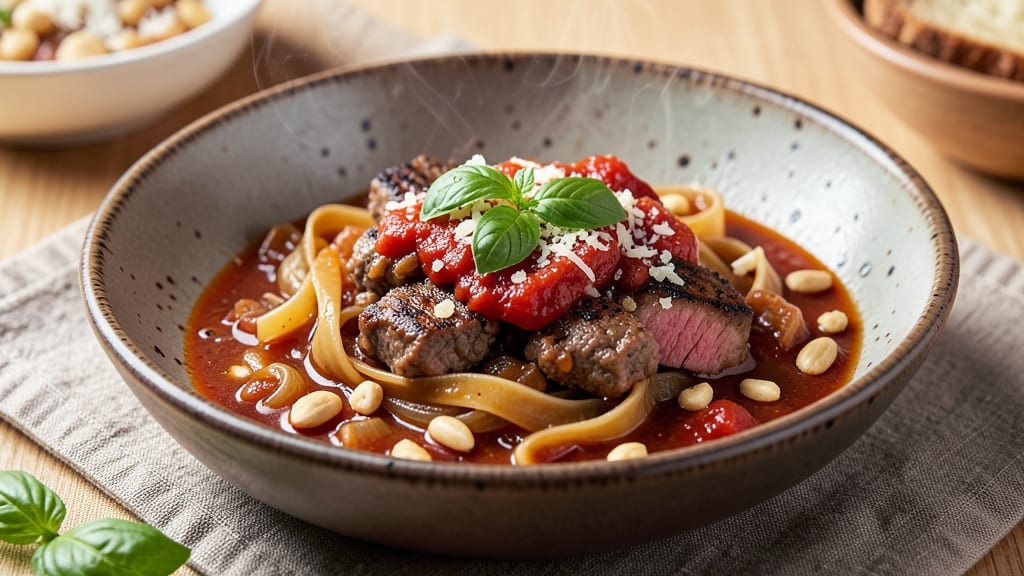
This Bolognese sauce recipe no wine delivers restaurant-quality depth using just pantry staples and a one-pot technique that builds layers of umami without wine. The secret lies in caramelizing aromatics until they're deep golden, then letting the sauce simmer low and slow—transforming simple ingredients into something rich and complex.
I developed this version after years of testing, and it never fails to impress even the most skeptical pasta lovers.
What sets this sauce apart is the umami boost from soy sauce and Parmesan, which mimic wine's depth while keeping it approachable for home cooks. You'll start with onions and garlic cooked until they're nearly jammy, then add ground beef and pork for that classic meaty flavor.
The tomatoes come in last to preserve their brightness, while fresh herbs and a touch of sugar balance the acidity.
By the time you're done, you'll have a sauce that's velvety yet substantial—perfect for tossing with al dente pasta, layering in lasagna, or serving over polenta. The flavors develop as it simmers, creating a complex balance of sweet, savory, and slightly tangy notes that make every bite satisfying.
This is the kind of sauce that turns simple weeknight meals into something special.
The beauty of this recipe is its versatility. Use it as a quick weeknight dinner over spaghetti, or build it into a showstopping lasagna for company. The sauce keeps well in the fridge for up to 5 days, so you can make a big batch and enjoy it all week.
Let's get cooking—your taste buds will thank you.
Ingredients for bolognese sauce recipe no wine
Pantry staples plus a few key ingredients transform into this rich, umami-packed sauce.
| Ingredient | Amount | Notes |
|---|---|---|
| Onions, Yellow 🧅 | 2 whole | Diced, medium size preferred |
| Garlic Cloves 🧄 | 4 cloves | Peeled, minced for depth |
| Ground Beef 🥩 | 1 lb | 80/20 fat ratio preferred |
| Ground Pork 🐖 | ½ lb | For extra savory richness |
| Tomato Paste 🍅 | ½ cup | San Marzano preferred |
| Canned Crushed Tomatoes 🍅 | 1 can | 28 oz can, no salt added |
| Vegetable Broth 💧 | 1 cup | Low-sodium preferred |
| Soy Sauce 🍜 | 2 tbsp | For umami depth |
| Parmesan Cheese 🧀 | ½ cup | Freshly grated, block preferred |
| Extra-Virgin Olive Oil 🫒 | ½ cup | For caramelizing aromatics |
| Granulated Sugar 🍚 | 1 tbsp | Balances acidity |
| Fresh Basil Leaves 🌿 | ¼ cup | Chopped, for freshness |
| Salt 🧂 | 1 tsp | Kosher or sea salt |
| Black Pepper 🌶️ | ½ tsp | Freshly ground |
The onions and garlic are your flavor foundation—cook them until deep golden for that caramelized sweetness (the good stuff, not the pre-chopped kind). Yellow onions work best, but red or white will do in a pinch. For the meat, 80/20 ground beef is ideal—the fat keeps the sauce luscious. If you're avoiding pork, just double the beef. The Parmesan? Freshly grated from a block makes all the difference—pre-grated gets clumpy and loses flavor. Grab a wedge from the deli section if you can, or buy a block and grate it yourself. It keeps for months in the freezer, so stock up.
No soy sauce? Worcestershire sauce at half the amount works, but it's got anchovies—skip if avoiding fish. The crushed tomatoes can be any brand, but San Marzano has the best flavor. If you're using salted tomatoes, reduce the added salt to 0.5 tsp. Fresh basil is ideal, but dried basil at one-third the amount works in a bind. The tomato paste? Trader Joe's squeeze tubes are perfect for this—no waste, and they last forever. For extra depth, toast the tomato paste in the oil with the onions—it deepens the flavor dramatically. And trust me on the sugar—just a little balances the acidity beautifully.
This sauce tastes even better the next day as flavors meld. Store in an airtight container in the fridge for up to 5 days. Freezes beautifully for 3 months, so make a double batch. I always portion mine into containers for easy lunches—just reheat with a splash of water or broth. The sauce thickens as it cools, so thin with a little broth if needed. And if you're making lasagna? Use half the sauce for the layers and reserve the rest for another meal.
Why You'll Love This Recipe
- No Wine? No Problem: I swear by this version—just onions, garlic, and tomato paste building that deep base. The pork and beef blend gives it that rich, meaty backbone without needing alcohol to shine.
- One-Pot Magic: Honestly, this is my lazy-day hero. Brown the meat, toss in chopped onions and garlic, stir in the paste, then let the tomatoes simmer. One pot, minimal cleanup, and zero stress.
- Leftover Goldmine: Between us, this sauce only gets better the next day. Freeze half for when you’re too tired to cook, or reheat it for a quick pasta night. My freezer’s full of it—trust me, you’ll want to do the same.
- Budget-Friendly Staples: Ground pork and beef stretch for miles, and onions/garlic are pantry basics. No fancy ingredients, just solid flavor that won’t break the bank. Perfect for feeding the whole family without guilt.
Step-by-step instructions for Bolognese sauce no wine
This rich, umami-packed sauce builds layer by layer—no wine needed.
Build the Flavor Base with Aromatics
Heat the 0.5 cup extra-virgin olive oil in a large Dutch oven over medium heat. Add the 2 whole diced yellow onions and cook for 8-10 minutes until they soften and turn translucent. Here's where patience pays off—don't rush this step or your sauce will taste raw.
Add the 4 minced garlic cloves and cook for another 1-2 minutes until fragrant. Watch closely—the garlic burns quickly, and that bitter taste ruins everything. Once golden, immediately add the 0.5 cup tomato paste and stir to coat the onions completely. This creates a thick, flavorful foundation for the entire sauce.
Brown the Meat for Deep Flavor
Push the onions to one side of the pot and add half of the 1 lb ground beef and all of the 0.5 lb ground pork in small batches. Let the meat brown undisturbed for 3-4 minutes until it releases from the bottom—this caramelization builds incredible depth. Use a wooden spoon to break it into small pieces as it cooks.
Once browned, stir and repeat with the remaining 0.5 lb ground beef. The meat should be fully cooked through with no pink remaining. If your pot gets too dry, add 1 tablespoon vegetable broth to prevent burning. Season with 1 tsp salt and 0.5 tsp black pepper—this early seasoning ensures even flavor distribution throughout.
Simmer with Tomatoes and Umami Boosters
Pour in the 1 can crushed tomatoes and 1 cup vegetable broth, scraping up any browned bits from the bottom. Stir in the 2 tbsp soy sauce and 1 tbsp granulated sugar—the sugar balances the acidity while the soy sauce adds that essential umami punch. Bring to a gentle simmer, then reduce heat to low and let it cook uncovered for 45-60 minutes, stirring occasionally.
This long simmer develops the sauce's complexity. You'll notice it thickens gradually as moisture evaporates. If it gets too thick before the time is up, add 1-2 tablespoons water to maintain the right consistency. The sauce should coat the back of a spoon but still be saucy enough to cling to pasta.
Finish with Cheese and Fresh Herbs
After simmering, stir in the 0.5 cup freshly grated Parmesan cheese and 0.25 cup chopped fresh basil leaves. The cheese adds richness while the basil brightens the flavors. Taste and adjust seasoning—you might need a pinch more salt or pepper depending on your tomatoes. Let it cook for another 5-10 minutes to meld all the flavors together.
For the best texture, remove from heat and let it sit for 10 minutes before serving. This resting period allows the flavors to fully develop and the sauce to thicken slightly. Serve over al dente pasta with extra Parmesan on top—each bite should be rich, savory, and perfectly balanced.
Pro Tips For Making Bolognese Sauce Recipe No Wine
- CRISP THE ONIONS FIRST: I learned this the hard way—skip the garlic until the onions are translucent and slightly golden. If you add garlic too early, it burns before the onions soften, and you’ll taste that bitter char in every bite. Get them sweeter first, then toss in the garlic with the meat.
- USE COLD MEAT: Pull the ground beef and pork straight from the fridge—don’t let them sit out. Cold meat browns more evenly and doesn’t turn to grease before it sears. I know it sounds counterintuitive, but it guarantees better texture and less splatter.
- STIR AND SCRAPE: Don’t just stir the meat—scrape the bottom of the pan every 30 seconds with a wooden spoon. Those browned bits are flavor gold, and if you ignore them, you’re wasting the best part. It’s messy, but it’s the thing that matters most.
- TOAST THE TOMATO PASTE: Cook the tomato paste in the meat drippings for 3-4 minutes before adding liquid. It deepens the flavor and prevents that raw, metallic taste. Sounds weird, but it works—trust the process.
Wine and beer pairings for this dish
Red Wine Pairings
This rich, meaty sauce pairs beautifully with Chianti Classico—its bright acidity and cherry notes cut through the sauce's depth while complementing the umami. Look for a Sangiovese-based wine with 12-14% ABV from Tuscany like Castello di Volpaia Chianti Classico.
The wine's earthy undertones mirror the caramelized onions and tomato base, creating a harmonious balance. 🍷
White Wine Alternatives
For a lighter option, try a dry white wine with body like Vermentino from Sardinia. Its citrus and mineral notes refresh your palate between bites of the rich sauce. I recommend Cantina Mesa Vermentino—it's crisp enough to stand up to the meat while adding brightness.
Avoid oaky whites like Chardonnay, which would compete with the sauce's natural richness.
Beer Pairings
A malty amber ale like Allagash Amber Ale works surprisingly well, balancing the sauce's richness with caramel and biscuit notes. For a lighter option, a Belgian witbier such as Hoegaarden adds citrus and spice that cleanses the palate.
Avoid heavy stouts or IPAs—they'll overpower the delicate tomato and herb flavors in the sauce.
Non-Alcoholic Options
For a refreshing non-alcoholic match, try a sparkling blood orange soda like San Pellegrino Aranciata Rossa. The citrus and effervescence brighten the meal, while the slight sweetness complements the sauce's savory depth.
Alternatively, a cold Italian soda with a splash of Sanbitter adds herbal notes that echo the basil in the sauce.
Seasonal Adjustments
In summer, I reach for a crisp Pinot Grigio—its bright acidity refreshes after a rich sauce. For winter meals, a full-bodied Barolo from Piedmont stands up to the hearty flavors. The wine's tannins and dark fruit notes create a satisfying contrast with the sauce's meaty richness.
Serving Temperature
Serve all beverages slightly chilled (45-50°F) for white wines and beers, while red wines should be at 60-65°F.
I keep my Chianti at room temperature for the first hour of the meal, then chill slightly—this enhances the wine's complexity as the sauce's flavors develop throughout the dining experience. 🍷
Nutrition facts
Frequently asked questions
Can I substitute beef with another protein in this no-wine Bolognese?
For a leaner option, use lean ground turkey or chicken thigh (dark meat stays juicier). If you prefer plant-based, lentils or mushrooms work well—just brown them thoroughly for depth. The pork adds fat for richness, so if omitting, increase olive oil to 0.75 cup and add 1 tbsp butter at the end.
Why does my sauce taste flat without wine?
The sauce relies on soy sauce and Parmesan for umami, plus long simmering to develop depth. If it still tastes bland, try adding 1 tsp balsamic vinegar or 1/2 tsp smoked paprika at the end. The key is patience—don't rush the 45-60 minute simmer or flavors won't meld properly.
How do I adjust this sauce for spaghetti vs. lasagna?
For spaghetti, use the full sauce as-is—it should coat pasta lightly. For lasagna, reduce the sauce by 1/3 (about 2 cups) to avoid soggy layers. The remaining sauce makes great leftovers! Pro tip: Add 1/4 cup ricotta to the lasagna layers for extra creaminess.
Can I make this sauce in a slow cooker?
Yes! Brown the meat first in a skillet, then transfer everything to the slow cooker. Cook on low for 6-8 hours or high for 3-4 hours. The texture will be thinner—simmer uncovered for 15 minutes after transferring to thicken. Slow cooking enhances flavors but requires more broth (1.5 cups).
What's the best way to store leftovers?
Cool the sauce completely, then store in an airtight container in the fridge for up to 5 days. For freezing, portion into ziplock bags with 1-inch headspace to prevent ice crystals. Thaw overnight in the fridge—never microwave directly. Reheat gently with 1-2 tbsp water or broth to restore texture.