
Sauces & Condiments
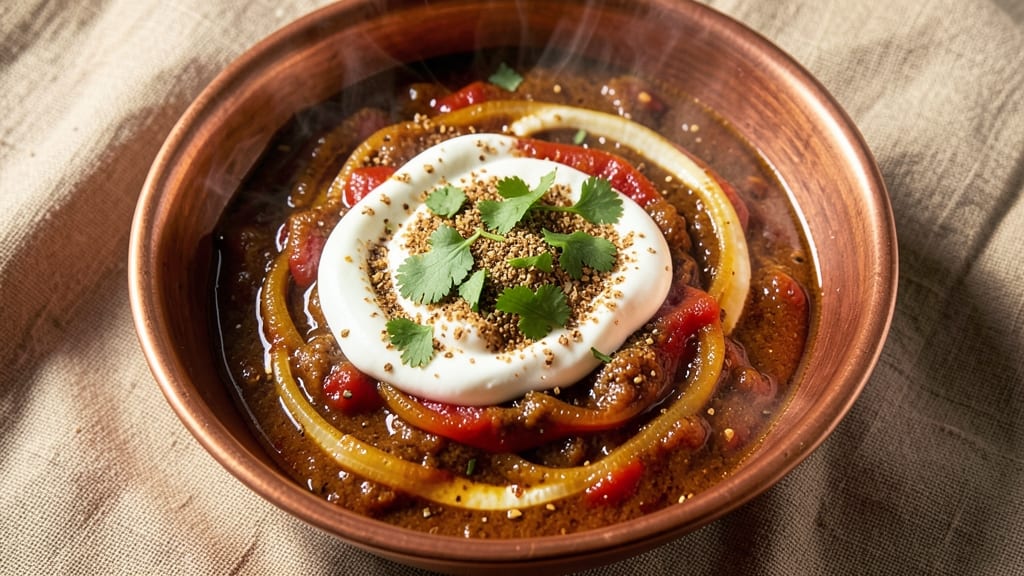
This Balti curry sauce recipe transforms ordinary yogurt into a vibrant, aromatic base that defines the dish's signature tangy heat. The secret lies in slow-cooked onions and a carefully balanced blend of spices—cumin, coriander, and garam masala—that develop deep, complex flavors while simmering.
I’ve perfected this version after years of experimenting, ensuring the sauce remains silky-smooth without losing its bold character.
The foundation starts with a rich tomato base, where onions caramelize into a sweet, golden foundation before blending with yogurt for that signature creamy texture. Key steps include toasting whole spices to unlock their full potential and simmering the sauce long enough to let flavors meld—never rushing this process.
The result? A sauce that’s tangy, slightly sweet, and packed with warmth, perfect for coating tender chicken or vegetables.
What sets this sauce apart is its versatility. Use it as the base for Balti curries, drizzle it over grilled meats, or even serve it as a dip for naan.
The yogurt keeps it light yet rich, while the spices deliver layers of earthy, smoky depth. Storage is simple: refrigerate for up to 5 days or freeze for months—just thaw gently before reheating to preserve its silky consistency.
For an extra boost, finish with a pinch of chili powder or a squeeze of lemon juice to brighten the flavors. This sauce is the heart of Balti curry, and once you master it, you’ll never settle for anything less.
Let’s get started on creating this restaurant-quality foundation for your next meal.
Ingredients for balti curry sauce
Transform simple pantry staples into restaurant-quality Balti curry sauce with these vibrant ingredients.
| Ingredient | Amount | Notes |
|---|---|---|
| Plain Yogurt 🥛 | 1 ½ cups | Full-fat for creaminess |
| Yellow Onions 🧅 | 2 whole | Thinly sliced for caramelization |
| Tomato Paste 🍅 | ½ cup | High-quality for rich flavor |
| Garam Masala 🌶️ | 1 ½ tbsp | Toasted for depth of flavor |
| Ground Cumin 🌿 | 1 tbsp | Toasted for nutty aroma |
| Ground Coriander 🌿 | 1 tbsp | Freshly ground preferred |
| Garlic Cloves 🧄 | 6 cloves | Minced for aromatic punch |
| Extra-Virgin Olive Oil 🫒 | ¼ cup | For slow cooking onions |
| Fresh Ginger 🌿 | 1 tbsp | Grated for zesty kick |
| Lemon Juice 🍋 | 1 tbsp | Freshly squeezed for tang |
| Salt 🧂 | 1 tsp | Kosher or sea salt |
| Black Pepper 🌶️ | ½ tsp | Freshly ground for heat |
| Water 💧 | ½ cup | For thinning if needed |
The onions are the secret weapon here—caramelizing them slowly in olive oil unlocks their natural sweetness, which forms the sauce's golden foundation. Yellow onions work best for this process, but red or white will do in a pinch. I always grab the organic onions from Trader Joe's because they're consistent, but grocery store brands are fine too. Toast the spices in a dry pan first to deepen their flavors—this step is non-negotiable. The garam masala should be freshly ground if possible, but store-bought blends work in a bind.
No garam masala? Mix 1 tsp each of cinnamon, cardamom, and cloves for a DIY version. The tomato paste can be swapped for 1 cup crushed tomatoes if you prefer a chunkier texture. Fresh ginger is ideal, but ground ginger at half the amount works too. The yogurt should be full-fat and plain—Greek yogurt adds thickness, but regular works fine. If your sauce gets too thick, add water a little at a time. The lemon juice brightens everything, so don't skip it—Mexican lime juice adds an extra zing if you're feeling fancy.
This sauce keeps beautifully in the fridge for 5 days, sealed in an airtight container. For longer storage, freeze it in ice cube trays—perfect for portion control. Thaw overnight in the fridge before reheating. The sauce thickens as it cools, so add a splash of water or milk when reheating. I always make a double batch—one for immediate use and one to freeze for future curry nights. The flavors actually improve after a day or two, so patience pays off.
Why You'll Love This Recipe
- Pantry-Friendly Magic: I swear by this sauce—no fancy ingredients, just yogurt, onions, and a few spices you already own. That garam masala alone? It’s the secret weapon that turns simple into ridiculously good.
- One-Pot Wonder: Honestly, this is my "I don’t feel like washing five bowls" go-to. Sauté onions, stir in tomato paste and cumin, simmer—done. The yogurt thickens it just enough to coat everything perfectly, no extra steps.
- Weeknight to Weekend: Between us, this sauce works for everything. Toss it with chicken for a quick dinner, slather it on naan for a lazy Sunday brunch, or freeze half for when you’re too tired to cook. It’s that reliable.
- Budget Boost: A jar of tomato paste and a spice rack’s worth of garam masala stretch this sauce for ages. I’ve made it feed six for under $8—plus, the leftovers taste just as fresh three days later (yes, even on a Tuesday night).
Step-by-step instructions for Balti curry sauce
Here's how to build this vibrant, spiced yogurt base that forms the heart of every great Balti.
Slow-Cook the Onions Until Caramelized
Heat the 0.25 cup extra-virgin olive oil in a heavy-bottomed saucepan over medium-low heat. Add the 2 whole yellow onions, thinly sliced, and cook them slowly for 25-30 minutes until they turn deep golden brown and sweet-smelling. This slow process develops the complex caramelized flavors that define Balti sauce.
Stir occasionally to prevent burning, but don't rush this step. You're looking for onions that are almost jam-like in texture with a rich, molasses-like aroma. If they start to stick, add a splash of the 0.5 cup water to help them cook evenly. The onions should be soft enough to mash slightly between your fingers when done.
Toast the Spices and Add Aromatics
Once the onions are caramelized, reduce the heat to low and add the 6 cloves garlic cloves (minced), 1 tbsp fresh ginger (grated), 1.5 tbsp garam masala, 1 tbsp ground cumin, and 1 tbsp ground coriander. Stir continuously for 1-2 minutes until the spices release their aromatic oils and you can smell their warm, earthy fragrance filling your kitchen.
This toasting step is crucial—it deepens the flavor profile of your sauce. Watch carefully as spices can burn quickly. When you see the spices begin to sizzle and fill the air with their distinctive aroma, they're ready. The mixture should look slightly darker and more fragrant than when you started.
Incorporate Tomato Paste and Simmer
Add the 0.5 cup tomato paste to the spiced onion mixture and stir well to combine. Cook for an additional 5 minutes on medium heat, stirring frequently, until the tomato paste darkens and thickens slightly. This step develops the sauce's rich, slightly tangy base that balances the yogurt's creaminess.
You'll notice the mixture become smoother and more cohesive as the tomato paste blends with the onions. If it starts to stick to the pan, add another splash of the 0.5 cup water. The sauce should be thick but still pourable at this stage. This is the foundation that will carry all the other flavors.
Whisk in Yogurt and Acid
Remove the saucepan from heat and let it cool slightly for 2-3 minutes. Then, slowly whisk in the 1.5 cups plain yogurt in a thin stream, alternating with the 1 tbsp lemon juice. This gradual addition prevents the yogurt from curdling from the heat. The mixture will thicken noticeably as you combine these ingredients.
Return the pan to low heat and stir gently for 3-4 minutes until the sauce reaches a smooth, velvety consistency. The yogurt should be fully incorporated, and the sauce should coat the back of a spoon. This is where the sauce gets its signature creamy yet tangy character. Taste and adjust seasoning with 1 tsp salt and 0.5 tsp black pepper to your preference.
Finish and Adjust Consistency
Once the sauce is smooth and seasoned to taste, remove it from heat. If it's too thick for your liking, thin it with a bit more of the 0.5 cup water, 1 tablespoon at a time, until it reaches your desired consistency. The sauce should be thick enough to coat the back of a spoon but still flow smoothly.
Let the sauce sit at room temperature for 10 minutes before using it. This resting period allows all the flavors to meld together perfectly. The final sauce should have a rich, aromatic base with a creamy yogurt finish and just enough tang from the lemon juice to brighten all the warm spices. Serve immediately over your choice of protein or vegetables for an authentic Balti experience.
Pro Tips For Making Balti Curry Sauce
- Bloom the Onions Slowly: After chopping onions, let them sit in the pan for 3-4 minutes before adding oil—just until they soften and release their moisture. This prevents burning and builds deeper flavor, especially when you’re frying them in small batches for that rich balti base.
- Strain the Yogurt: Skip the tangy mess by straining plain yogurt through a fine sieve or cheesecloth for 10-15 minutes. The thicker, smoother texture blends better into the sauce and avoids curdling when hit with heat later.
- Toast Spices Low and Long: Add ground cumin and garam masala to the pan after the onions have softened, then cook on medium-low for 2-3 minutes. High heat burns spices fast—this lets their aromas bloom without bitterness, which is crucial for a balanced balti.
- Simmer Tomato Paste Gently: Once you mix in tomato paste, reduce heat to medium-low and let it cook uncovered for 5 minutes. This prevents a raw, metallic taste and ensures the paste fully integrates—no one wants chunky bits in their sauce.
Serving suggestions for balti curry sauce
Classic Balti Pairings
Serve this sauce over chicken tikka or lamb shanks for a traditional Balti experience. The yogurt base tenderizes the meat while the spices create a perfect balance. I always pair it with bone-in chicken thighs because they stay juicy and absorb the sauce beautifully. 🍗
Vegetarian Options
For plant-based meals, try tossing the sauce with pan-fried mushrooms, cauliflower florets, or chickpeas. The sauce's tangy richness complements the earthy flavors of mushrooms perfectly. I like to finish with toasted cashews for crunch and texture. 🌱
Naan and Bread Pairings
No Balti is complete without fresh garlic naan or sheer khurma to soak up the sauce. Warm the naan directly in the oven for 3-5 minutes before serving to keep it soft and pliable. For extra flair, brush the naan with garlic butter before serving. 🥖
Side Dish Ideas
Add a simple cucumber raita to cut through the richness of the sauce. Mix ½ cup yogurt with ½ diced cucumber, 1 tsp mint, and a pinch of salt. Alternatively, serve with pickled red onions for a tangy contrast. 🥒
Drink Recommendations
Pair your Balti with a minty jasmine tea or sparkling lime soda to refresh your palate. For something stronger, a light lager like Heineken complements the spice levels without overpowering. 🍹
Garnish Like a Pro
Finish your dish with fresh cilantro, toasted cumin seeds, or a drizzle of creme fraiche. The creme fraiche adds a luxurious creaminess that elevates the sauce. I also like sprinkling crushed paprika for a subtle smoky note. 🌿
Nutrition facts
Frequently asked questions
Can I make this Balti sauce without yogurt?
The yogurt creates the signature creamy, tangy base, but you can substitute with ½ cup coconut milk plus ½ cup heavy cream for a dairy-free version. The texture will be richer and slightly less tangy, but the spiced onion foundation remains the same. For a vegan option, use unsweetened almond yogurt instead.
How do I prevent the sauce from curdling when adding yogurt?
Always remove the pan from heat before adding yogurt and let it cool slightly for 2-3 minutes. Whisk the yogurt in slowly while stirring constantly over low heat—never let it boil. For extra insurance, mix the yogurt with a splash of cold water before adding it to the hot sauce.
What's the best way to store leftover Balti sauce?
Store in an airtight container in the fridge for up to 5 days. For longer storage, freeze in ice cube trays—thaw overnight in the fridge. The sauce thickens when cold, so add a splash of water or milk when reheating. Never refreeze thawed sauce to maintain quality.
Can I use this sauce for other dishes besides Balti?
Use it as a marinade for grilled meats, a dip for samosas or veggie sticks, or a base for curry pastas. The yogurt-spice blend works beautifully in kebabs or as a topping for bowls. Just adjust the consistency—thinner for dips, thicker for marinades.
Why does my sauce taste too bitter?
Overcooking the onions or spices causes bitterness. Keep onions at medium-low heat until golden (not browned), and toast spices for only 1-2 minutes. Balance bitterness with 1 extra tbsp lemon juice or ½ tsp sugar to brighten flavors. Taste as you go—prevention is easier than fixing!