
Sauces & Condiments
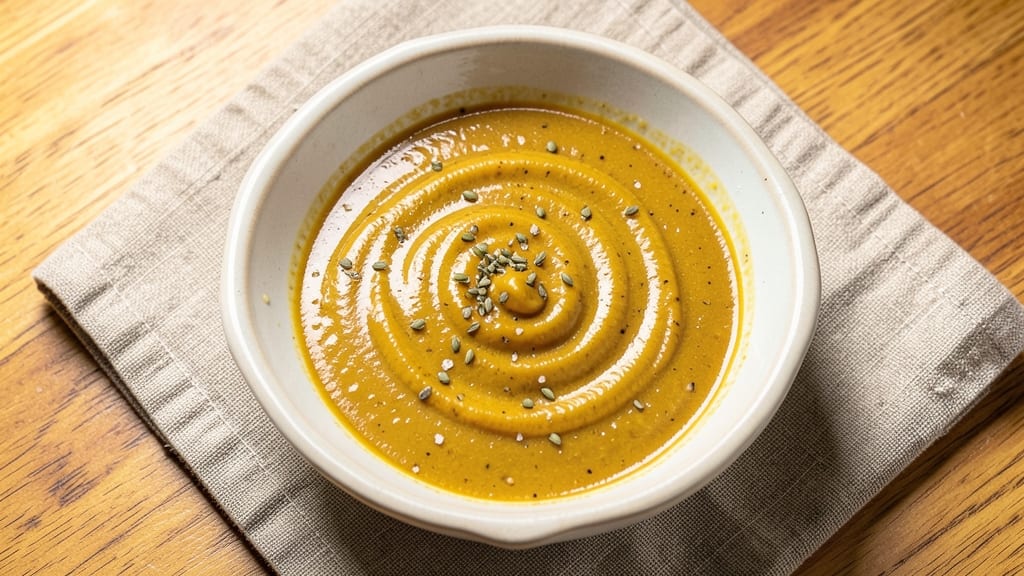
This American mustard sauce recipe delivers that signature tangy, bold flavor that elevates burgers, fries, and grilled meats to new heights. The secret lies in balancing sharp mustard with just the right amount of vinegar and sweetness, creating a sauce that's versatile enough for dipping, glazing, or sandwiches.
I developed this recipe after years of perfecting the ratio—no bitterness, just pure, restaurant-quality flavor in every spoonful.
The beauty of this sauce is its simplicity: just five core ingredients combine to create a smooth, emulsified condiment that stays stable for days. A touch of turmeric gives it that classic golden hue, while celery seed adds subtle depth.
The sauce thickens as it cooks, making it ideal for drizzling over hot dogs or slathering on crispy fries without turning watery.
What sets this recipe apart is its adaptability—use it as a tangy dipping sauce for fried chicken, a glaze for grilled sausages, or a sandwich spread that rivals any deli mustard.
The texture is perfectly balanced: creamy enough to coat foods evenly, yet light enough to let the flavors of your main dish shine through.
Once you taste this homemade version, you'll never go back to store-bought again. The ingredients are simple, the process is straightforward, and the results are undeniably better. Let's get started on making a batch that will disappear faster than you can say "extra mustard."
Ingredients for american mustard sauce
Five simple ingredients transform into a restaurant-quality mustard sauce perfect for burgers and fries.
| Ingredient | Amount | Notes |
|---|---|---|
| Yellow Mustard 🍯 | ¾ cup | Dijon preferred for depth |
| White Vinegar 💧 | ¼ cup | Distilled white vinegar |
| Granulated Sugar 🍚 | ¼ cup | Light brown sugar optional |
| Ground Turmeric 🌿 | ½ tsp | For classic golden color |
| Ground Celery Seed 🥬 | ½ tsp | Adds subtle earthy depth |
| Kosher Salt 🧂 | ½ tsp | Diamond Crystal preferred |
| Vegetable Oil 🫒 | ¼ cup | For smooth emulsion |
The mustard is the star here—Dijon-style gives the best depth, but any good-quality yellow mustard works. I always grab French's Classic Yellow from the grocery store's condiment aisle, as it's consistently reliable. For the vinegar, distilled white vinegar is ideal—it's neutral enough not to overpower the mustard's tang. The turmeric might seem like an odd addition, but it's what gives that classic golden hue that makes this sauce look professional. Penzeys or bulk spice bins at natural grocery stores are great places to find high-quality turmeric that won't turn your sauce into a muddy brown.
No Dijon mustard? Regular yellow mustard plus 1 tsp extra vinegar gets you close. Running short on celery seed? Dried dill at half the amount adds a similar herbal note. The sugar can be swapped for honey if you prefer, but it won't caramelize like granulated. For the oil, avocado oil has a higher smoke point and adds a pleasant richness. If you're making this ahead, let it sit for 30 minutes before serving—the flavors meld beautifully. The sauce thickens as it cools, so don't worry if it looks too thin right after mixing.
This sauce keeps for 2 weeks in the fridge, though it's best used within 5-7 days for peak flavor. Store it in an airtight jar, and if it thickens too much, just whisk in a splash of water or vinegar to loosen it up. For a restaurant-style presentation, transfer it to a squeeze bottle—Trader Joe's sells great ones in their condiment section. Freezes beautifully for up to 3 months, though the texture might separate slightly. Just whisk vigorously to restore its smooth consistency.
Why You'll Love This Recipe
- Pantry Magic: I swear, this sauce comes together with stuff you already have. No fancy shopping—just mustard, vinegar, and a pinch of turmeric for that golden glow. Five minutes, tops.
- Tangy-Sweet Balance: That first bite? It’s like a hug for your taste buds—bright from the vinegar, sweet from the sugar, and just a whisper of celery seed for depth. Honestly, it’s the kind of flavor that makes you reach for more.
- Game for Any Meal: Slather it on burgers, drizzle it over grilled chicken, or toss it with roasted veggies. Between us, it’s my go-to for quick weeknight dinners and impressing guests. (Yes, even on a Tuesday night.)
- Lasts All Week: Make a big batch—it keeps in the fridge for days without losing its punch. Budget-friendly? Absolutely. Time-saving? Even better. My lazy-day secret weapon.
Step-by-step instructions for American mustard sauce
This bold, tangy sauce comes together quickly with just seven ingredients—no cooking required.
Whisk Together the Wet Ingredients
In a medium bowl, combine the 0.75 cup yellow mustard, 0.25 cup white vinegar, and 0.25 cup granulated sugar. Use a whisk to blend them thoroughly until the sugar fully dissolves and the mixture becomes smooth. The sugar helps balance the sharpness of the vinegar while maintaining that signature tang.
This is where the foundation of your sauce builds. If you notice any graininess, keep whisking—it should be completely uniform before moving forward. The mustard provides the base flavor, while the vinegar cuts through the richness, creating that signature bite.
Incorporate the Spices and Salt
Add the 0.5 teaspoon ground turmeric, 0.5 teaspoon ground celery seed, and 0.5 teaspoon kosher salt to the wet mixture. Whisk again until all the spices are evenly distributed and no dry spots remain. The turmeric gives the sauce its signature golden hue, while the celery seed adds a subtle earthy depth that complements the tang.
At this stage, the sauce should look vibrant and well-mixed. If you taste it now, you’ll notice the balance between sweet, tangy, and slightly savory notes. The spices should be subtle but present—this is the moment to adjust seasoning if needed, though the recipe is already carefully measured for perfect flavor.
Slowly Emulsify the Vegetable Oil
With the mixture still in the bowl, very slowly drizzle in the 0.25 cup vegetable oil while continuing to whisk vigorously. This step is critical—adding the oil too quickly will cause the sauce to break and separate. The goal is to create a smooth, creamy emulsion where the oil blends seamlessly with the mustard and vinegar base.
Keep whisking for about 1-2 minutes until the sauce thickens slightly and holds its shape when drizzled. You’ll know it’s emulsified properly when it coats the back of a spoon evenly, with no oil pooling on top. If it starts to look too thick, add 1 teaspoon of water to loosen it slightly.
Taste and Adjust for Balance
Give the sauce a final taste and adjust the seasoning if needed. If it tastes too sharp, add a pinch more sugar. If it lacks tang, a splash of white vinegar will brighten it up. The sauce should have a bold, tangy kick with just enough sweetness to round out the flavors—think of it as the perfect balance between a classic American mustard and a tangy condiment.
Once you’re satisfied with the flavor, transfer the sauce to a clean jar or airtight container. It will keep in the refrigerator for up to 2 weeks, making it perfect for dipping fries, slathering on burgers, or pairing with grilled meats. The sauce will thicken slightly as it chills, so give it a quick whisk before using if it separates.
Pro Tips For Making American Mustard Sauce
- STIR CONSTANTLY: Whisk this sauce over low heat—I mean it, don’t walk away—and keep that spoon moving. The second you stop stirring, the sugar will seize up like a stubborn mule, and you’ll be scraping burnt bits off the pan instead of drizzling smooth sauce.
- USE DIJON FOR DEPTH: Skip the cheap powdered mustard if you can—real Dijon (or even a high-quality yellow mustard) adds complexity. I learned this after slurping through three batches where the vinegar just tasted like vinegar. A splash of Dijon makes the celery seed sing.
- MEASURE VINEGAR FIRST: Add the white vinegar before the sugar—this prevents clumping and lets the acid cut through the sweetness faster. I used to dump sugar in first, and half the time, I’d end up with grainy sludge. Trust me, the order matters.
- WHISK IN TURMERIC LAST: The turmeric’s earthy notes fade fast when heated. Toss it in at the very end, off the heat, and whisk it in just until dissolved. I was skeptical until I tried it—now I add it cold to keep that bright, mustardy color instead of a dull, sad yellow.
Essential equipment for perfect results
Whisk Essentials
Start with a stainless steel whisk—I use my OXO Good Grips because it handles both thick and thin mixtures effortlessly. The fine wires create a smooth emulsion when incorporating oil, while the sturdy handle prevents fatigue during vigorous whisking.
For smaller batches, a mini whisk (like the Norpro 4-inch) works perfectly in a coffee mug. 💛
Measuring Tools
Precision matters here! Use a liquid measuring cup with spouts for vinegar and oil—Pyrex is my go-to for its clear markings. For dry ingredients like turmeric and celery seed, a small measuring spoon set (I love Westcott's) ensures accuracy.
The ½ teaspoon measurements are critical—too much spice can overpower the sauce.
Mixing Bowls
A medium-sized mixing bowl (8-10 inches) gives you room to whisk without spills. I prefer glass or stainless steel—they’re non-reactive and easy to clean. For the emulsion step, a bowl with sloped sides (like Libbey’s Crystal) helps contain any splashes.
If you’re short on space, a deep ceramic bowl works too.
Storage Containers
Transfer your finished sauce to airtight glass jars—I repurpose Ball mason jars (8 oz size) for both storage and serving. For on-the-go use, Trader Joe’s squeeze bottles are perfect and keep the sauce portable.
Label your containers with the date to track freshness—this sauce keeps for 2 weeks in the fridge.
Optional: Immersion Blender
If whisking feels tedious, an immersion blender (like the Ninja CB101) simplifies emulsification. Simply blend the wet ingredients first, then slowly add oil while blending on low.
This method is especially helpful for larger batches or if you have arm fatigue. Just be sure to keep the blender moving constantly to prevent separation. ✨
Nutrition facts
Frequently asked questions
Can I make this mustard sauce without oil?
You can try, but the texture will be much thinner and less stable. The oil creates that signature creamy consistency that makes it perfect for dipping or glazing. If you're avoiding oil, try whisking in 2 tablespoons of mayonnaise instead—it will add body while keeping the tangy flavor intact. Just reduce the vinegar by 1 tablespoon to balance the richness.
Why did my sauce separate?
Separation usually happens when oil is added too quickly or the mixture isn't whisked enough. To fix it, whisk vigorously for 1-2 minutes—the emulsion will reform. For future batches, add oil drop by drop while whisking constantly. If it still separates after whisking, add 1 teaspoon of water or vinegar to help re-emulsify. The sauce should thicken slightly as it cools, so give it 30 minutes before judging its final consistency.
Can I use this sauce for cooking instead of just dipping?
This sauce works beautifully as a glaze for grilled meats like sausages or chicken. Brush it on during the last 2-3 minutes of cooking for a glossy finish. For frying, use it as a marinade for 1-2 hours before cooking—just pat dry the meat first to prevent excessive steaming. The tangy flavor caramelizes beautifully under the heat, creating a delicious crust. Just avoid using it in recipes where you want the sauce to remain completely liquid, like soups.
What's the difference between this and French mustard?
This American-style sauce is sweeter and more balanced, with a smoother texture thanks to the oil emulsion. French mustard (like Dijon) is typically sharper, less sweet, and often contains wine or herbs like tarragon. While both are delicious, this recipe focuses on that classic American tangy-sweet profile perfect for burgers and fries. For a French twist, reduce the sugar to 2 tablespoons and add ½ teaspoon dried tarragon instead of celery seed.
How can I make this spicier?
Add ½ teaspoon of cayenne pepper or 1 teaspoon of hot sauce (like Tabasco) to the finished mixture. For a smoky kick, stir in ¼ teaspoon smoked paprika. If you want more heat without changing the texture, replace ¼ cup of the mustard with ¼ cup of prepared horseradish. Always taste as you go—start with small amounts and adjust gradually to avoid overpowering the tangy-sweet balance.