
Sauces & Condiments
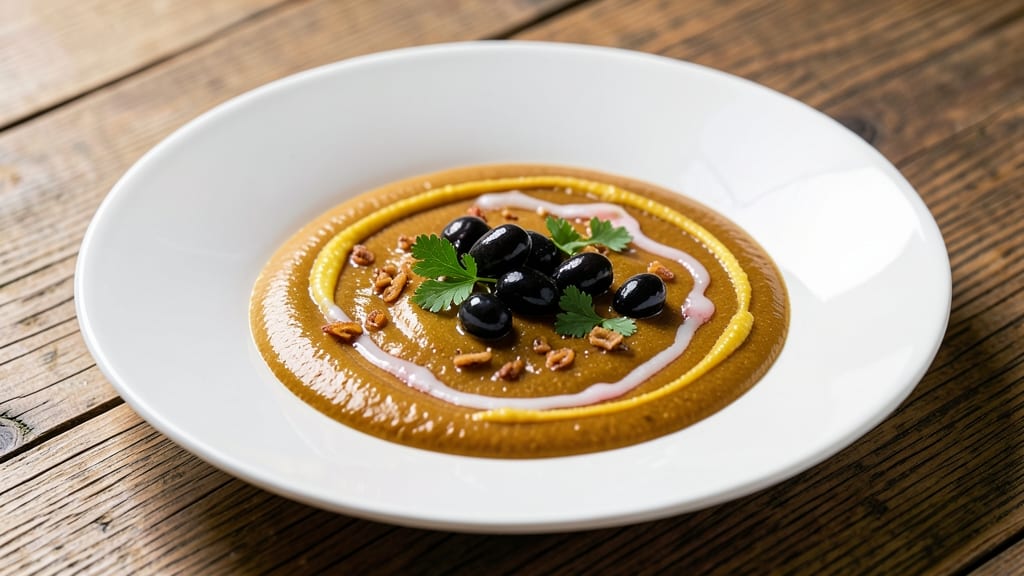
This Balmoral sauce recipe brings the bold, briny character of British pubs straight to your table—where rich red wine, sharp mustard, and salty anchovies create a condiment that transforms simple grilled meats or seafood into something extraordinary.
The sauce’s deep umami and tangy complexity make it a staple for elevating dishes, whether served tableside or drizzled over finished plates. What sets Balmoral apart is its balance: the wine’s acidity cuts through richness, while capers and mustard add layers of sharpness that linger on the palate.
The traditional method involves simmering anchovies, capers, and shallots in white wine until reduced, then blending in Dijon mustard and vinegar for that signature tang. This sauce isn’t just for special occasions—it’s a foolproof way to add restaurant-quality depth to weeknight dinners.
The key lies in patience: letting the wine reduce slowly concentrates the flavors, ensuring every spoonful delivers a harmonious blend of savory, acidic, and slightly sweet notes. No shortcuts here—just time-honored technique.
What you’ll end up with is a glossy, velvety sauce with a bold flavor profile that clings to grilled steaks, roasted lamb, or even pan-seared scallops. Its versatility makes it perfect for drizzling over finished dishes or serving in a small dish for guests to add as they please.
The anchovies and capers might sound unusual at first, but they’re the secret weapons that give Balmoral its signature depth—think of them as the backbone of this British classic.
While traditionally paired with meats, modern twists include using it as a marinade for fish or even as a bold dressing for hearty salads. The sauce keeps well in the fridge for up to a week, so make a batch ahead and let the flavors meld even more over time.
Ready to master this pub favorite? Let’s get started.
Ingredients for balmoral sauce
Nine ingredients transform into a British pub classic—bold, briny, and full of depth.
| Ingredient | Amount | Notes |
|---|---|---|
| Dry White Wine 🍷 | 1 ½ cups | Dry, full-bodied variety preferred |
| Anchovy Fillets 🐟 | 4 oz | High-quality, salt-packed preferred |
| Capers 🍈 | 2 tbsp | Nonpareils, drained and rinsed |
| Shallots 🧅 | 3 whole | Minced, about 2 tbsp total |
| Dijon Mustard 🌶️ | 2 tbsp | High-quality, smooth variety |
| White Wine Vinegar 🍋 | 1 tbsp | For acidity balance |
| Heavy Cream 🥛 | ½ cup | Full-fat for richness |
| Unsalted Butter 🧈 | 2 tbsp | Cold, cubed for finishing |
| Salt 🧂 | 1 tsp | Kosher or sea salt |
| Black Pepper 🌶️ | ½ tsp | Freshly ground |
The wine is the foundation—dry, full-bodied whites like Sauvignon Blanc or Chardonnay work best. Look for anchovies in salt-packed tins at specialty stores or the international aisle; Colavita or Import Foods carry reliable brands. Shallots should be firm with papery skins—avoid any with sprouts. For mustard, Amoy or Maille are worth the splurge, but any quality Dijon will do. Capers should be nonpareils (small, uniform berries) for texture. The cream and butter must be full-fat—no shortcuts here—for that velvety finish.
No white wine? Dry vermouth or apple cider vinegar can stand in, though flavor will differ. Fresh out of anchovies? Fish sauce at half the amount adds umami, but it’s not the same. Substitute shallots with minced yellow onion, but reduce to 1 tbsp for milder flavor. Mustard too strong? Dilute with 1 tsp water before adding. The sauce can be made ahead—flavors deepen overnight—just reheat gently with a splash of water. For a lighter version, replace half the cream with whole milk.
Store in an airtight container in the fridge for up to 1 week. The sauce thickens as it cools—stir in a splash of warm water if it becomes too stiff. Freezes beautifully for 3 months; thaw in the fridge overnight. For a restaurant-style presentation, finish with a small dollop of whipped cream or a twist of black pepper. The sauce pairs perfectly with grilled meats, roasted vegetables, or even as a marinade for fish—just don’t overcook it once added.
Why You'll Love This Recipe
- Pantry Magic: I swear by this sauce because it’s the kind of thing I can make with what’s already in my fridge—no last-minute grocery runs. That white wine and anchovies might sound fancy, but they’re cheap staples that transform into something rich and bright in minutes.
- Umami Bomb: Here’s what sold me—the way capers and anchovies cut through the shallots, then get balanced by Dijon mustard. It’s salty, tangy, and just a little funky, like the perfect bite of a seafood dish without the fishy aftertaste.
- Weeknight Flex: I use it on grilled fish, roasted chicken, or even scrambled eggs when I’m in a rush. The sauce thickens beautifully, so it works for everything from a quick weeknight dinner to a fancy dinner party when I’m feeling ambitious.
- Budget Win: A bottle of wine and a tin of anchovies go a long way here. Honestly, I’ve made this sauce last for days in the fridge, and it only gets better as the flavors meld. It’s my go-to for stretching meals without sacrificing taste.
Step-by-step instructions for Balmoral sauce
Master this British pub staple with a perfect balance of wine, mustard, and anchovy depth.
Prepare the Anchovy and Shallot Base
In a medium saucepan, combine the 4 oz anchovy fillets and 3 whole shallots that have been minced. Cook over medium-low heat for 5 minutes, stirring occasionally, until the anchovies dissolve completely into the shallots. This creates the flavor foundation for the sauce.
Here's the thing—don't rush this step. The anchovies need time to break down and release their umami richness. You'll see the mixture darken slightly as it cooks down, which is exactly what we want. If the pan starts to stick, add 1 tablespoon of the dry white wine to deglaze and keep everything smooth.
Build the Wine and Mustard Foundation
Pour in the 1.5 cups dry white wine and bring the mixture to a gentle simmer. Let it reduce by half—this should take about 8-10 minutes—until the liquid thickens slightly and coats the back of a spoon. You're looking for a syrupy consistency that clings to the pan.
Once the wine has reduced, stir in the 2 tablespoons Dijon mustard and 1 tablespoon white wine vinegar. The mustard will add that signature tangy depth while the vinegar brightens the overall flavor. Taste the mixture at this stage—it should be tangy, slightly salty, and rich with wine notes. If it needs more acidity, add another splash of vinegar.
Incorporate the Cream and Seasonings
Reduce the heat to low and gradually whisk in the 0.5 cup heavy cream. Stir constantly to prevent curdling, and let the sauce simmer gently for 3-4 minutes until it thickens slightly. The cream should blend smoothly, creating a velvety texture that balances the sharpness of the mustard and wine.
Add the 2 tablespoons capers (drained and rinsed) and bring the sauce to a gentle simmer again. Season with the 1 teaspoon salt and 0.5 teaspoon black pepper, adjusting to taste. The capers add a briny contrast that cuts through the richness of the cream. Let the sauce simmer for another 2 minutes to meld all the flavors together.
Finish with Butter for Richness
Remove the sauce from heat and stir in the 2 tablespoons cold unsalted butter, cubed. The butter will melt into the sauce, adding a luxurious finish and rounding out the flavors. Let the sauce rest for 2-3 minutes off the heat—this allows the butter to fully incorporate and the sauce to thicken slightly.
Strain the sauce through a fine-mesh sieve if you prefer a completely smooth texture, or leave it slightly textured for added depth. Taste again and adjust the seasoning if needed—this is your final opportunity to balance the flavors before serving. The sauce should be rich, tangy, and perfectly balanced, with a glossy sheen that indicates it's ready to pair with grilled meats or fish.
Pro Tips For Making Balmoral Sauce
- Cook anchovies first: I learned this the hard way—if you add them raw, you’ll end up with a sauce that tastes like fish glue. Melt the butter, toss in the anchovies, and let them dissolve completely into the fat before adding anything else. This isn’t just about flavor; it’s the foundation.
- Sweat shallots low and slow: Don’t rush the shallots or you’ll burn them before they soften. Use a medium-low heat and let them cook for 5-7 minutes until they’re translucent and just starting to caramelize—this adds depth that skipping this step will leave you missing.
- Deglaze with wine immediately: As soon as you remove the shallots, pour in that white wine and scrape every bit of browned bits from the pan. Those bits pack serious flavor, and letting them sit will turn your sauce into a dull, watery mess. A quick splash of water afterward helps dissolve any lingering residue.
- Balance mustard with acid: Dijon mustard can overpower if you’re not careful. After adding it, taste and adjust with a squeeze of lemon juice or a pinch of sugar—this cuts through the sharpness and rounds out the sauce. I usually add ½ teaspoon of lemon juice for every tablespoon of mustard.
Dietary considerations for this balmoral sauce
Gluten-Free Adaptations
Balmoral sauce is naturally gluten-free, but always double-check your ingredients. The anchovy fillets and capers should be certified gluten-free, as some brands process in shared facilities. I use Colavita anchovies and Import Foods capers—both are reliably gluten-free.
The Dijon mustard is the only potential concern, so opt for brands like Amoy or Maille, which are gluten-free. The rest of the ingredients—wine, vinegar, cream, and butter—are inherently safe. 🌱
Vegetarian Swaps
For a vegetarian version, replace the anchovies with 2 teaspoons fish sauce or 1 teaspoon nutritional yeast for umami depth. I’ve found that 1 tablespoon soy sauce (gluten-free if needed) also works well. The capers and mustard remain key for that signature tang.
Taste as you go—vegetarian versions need extra acidity, so don’t hesitate to add a splash more vinegar. The sauce will still shine on grilled portobello mushrooms or roasted vegetables.
Dairy-Free Options
To make this sauce dairy-free, swap the heavy cream for ½ cup full-fat coconut milk (canned, for creaminess) or ½ cup cashew cream. For the butter finish, use 2 tablespoons dairy-free butter (like Miyoko’s) or vegan ghee.
The texture will be slightly lighter, but the flavors hold up beautifully. I’ve even used olive oil (1 tablespoon) for a Mediterranean twist—just reduce the wine slightly first to balance the richness.
Low-Sodium Adjustments
Store-bought anchovies and capers can be surprisingly high in sodium. To reduce sodium, rinse the anchovies under cold water for 30 seconds before cooking, and drain the capers thoroughly. Cut the salt in half (½ teaspoon) and taste frequently.
If you’re avoiding salt entirely, boost flavor with an extra ½ teaspoon black pepper or a pinch of smoked paprika. The wine and vinegar will carry the depth without needing extra salt.
Allergen-Friendly Tips
For nut allergies, ensure your Dijon mustard is nut-free (some brands process in facilities with tree nuts). If using coconut milk, confirm it’s produced in a nut-free facility. For egg allergies, this recipe is already safe—no eggs are involved.
Always check labels on anchovies and capers for potential cross-contamination warnings. I keep a small jar of this sauce on hand for guests with dietary restrictions—it’s a crowd-pleaser that’s surprisingly versatile. ✨
Nutrition facts
Frequently asked questions
Why does Balmoral sauce have anchovies if it tastes so mild?
Anchovies are the secret flavor bomb in this sauce! They dissolve completely, adding deep umami without any fishy taste. The wine and mustard carry their savory richness while keeping the sauce's bright, tangy character. Think of them as the invisible backbone that makes the wine and vinegar sing.
Can I make Balmoral sauce ahead of time?
This sauce actually tastes better the next day as the flavors meld. Store it in an airtight container in the fridge for up to 1 week. The texture may thicken slightly—just stir in a splash of warm water to loosen it before serving. For longer storage, freeze for up to 3 months.
What's the best way to serve Balmoral sauce?
The traditional British way is tableside in a small bowl with a spoon. Drizzle it over grilled steak, roasted lamb, or even pan-seared scallops. For extra flair, finish with a dollop of whipped cream or a twist of black pepper. It also works as a bold marinade for 10-15 minutes before cooking.
How do I fix curdled cream in my sauce? Don't panic! Remove from heat immediately and whisk in 1 tablespoon cold butter or 1 teaspoon cornstarch mixed with water. Simmer gently for 1-2 minutes until smooth. If that fails, start fresh—just
What wine works best if I don't have dry white?
Look for dry, full-bodied options like Sauvignon Blanc or Chardonnay. In a pinch, use dry vermouth or apple cider vinegar (reduce by 1 tbsp to compensate for sweetness). Avoid sweet wines—they'll throw off the sauce's balance. The key is acidity and body, not sweetness.