
Sauces & Condiments
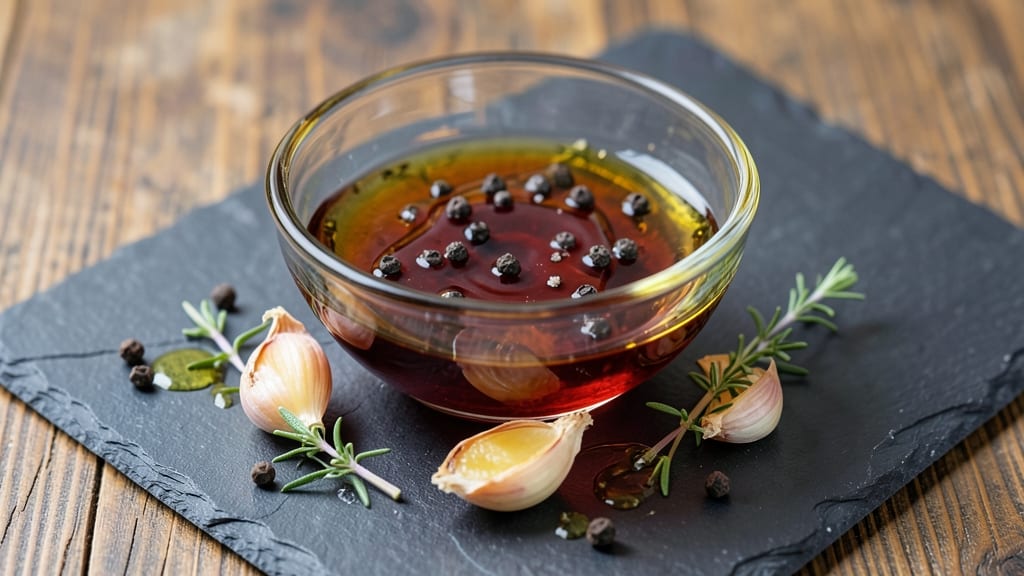
This balsamic vinegar dipping sauce recipe transforms simple ingredients into a sweet-tangy glaze that elevates everything from crusty bread to grilled meats. The key lies in balancing rich balsamic with a touch of honey and aromatic herbs—creating a sauce that's both versatile and restaurant-worthy. I developed this after realizing how often I reached for store-bought options, only to find them lacking depth and complexity.
The magic happens when you simmer balsamic vinegar with olive oil, garlic, and a hint of honey until it thickens into a glossy, syrupy consistency. Fresh thyme or rosemary adds an herbal brightness that cuts through the sweetness, while a pinch of black pepper provides a subtle kick.
This sauce isn't just for dipping—it's a game-changer for marinades, salad dressings, or finishing drizzles on roasted vegetables.
What you'll end up with is a sauce that's smooth, glossy, and packed with layers of flavor—sweet from the honey, tangy from the balsamic, and aromatic from the herbs. It's the kind of condiment that makes ordinary meals feel special without requiring extra effort.
The best part? It keeps well in the refrigerator for up to two weeks, so you can make a batch and use it throughout the week.
Whether you're serving it with warm bread, drizzling it over grilled chicken, or using it as a marinade, this balsamic glaze adds depth and complexity to any dish. Let's dive into the simple steps to create this foolproof sauce that will quickly become a staple in your kitchen.
Ingredients for balsamic vinegar dipping sauce
Eight simple ingredients create a restaurant-worthy sauce that transforms ordinary meals.
| Ingredient | Amount | Notes |
|---|---|---|
| Balsamic Vinegar 🍷 | ½ cup | High-quality aged variety preferred |
| Extra-Virgin Olive Oil 🫒 | ½ cup | Fruity, peppery variety for best flavor |
| Honey 🍯 | 2 tbsp | Wildflower or clover preferred |
| Garlic Cloves 🧄 | 2 cloves | Minced for even distribution |
| Fresh Thyme Leaves 🌿 | ¼ cup | Or 1 tbsp dried thyme |
| Black Peppercorns 🌶️ | ½ tsp | Freshly cracked for best flavor |
| Salt 🧂 | ¼ tsp | Diamond Crystal preferred |
| Red Wine Vinegar 🍷 | 1 tbsp | Adds depth to balsamic flavor |
The balsamic vinegar is the heart of this sauce—look for aged varieties at Whole Foods or Trader Joe's, where they often carry the deeper, richer options. I usually grab Balzac or Barone Fini when I see them, but any aged balsamic will work. The olive oil should be extra-virgin—the fruity, peppery kind you'd drizzle on pasta. Skip the light, bland stuff. For the honey, wildflower or clover works best, but whatever you've got is fine. Just avoid the super-processed kind.
No fresh thyme? Dried works perfectly—use one-third the amount. Out of garlic? A pinch of garlic powder won't ruin it, but it won't be as vibrant. The red wine vinegar might seem like overkill, but it adds that extra tang that makes this sauce sing. Substitute extra balsamic vinegar if needed, but I find it's worth keeping around. Black peppercorns should be freshly cracked—a mortar and pestle works great, but a coffee grinder in a pinch. And if you're using Diamond Crystal salt, remember it's finer than other kosher salts, so use the same amount as table salt.
This sauce keeps beautifully—up to 2 weeks in the fridge, sealed tightly. I like to pour it into a small jar and store it in the fridge door for easy access. It thickens as it sits, so you might want to add a splash of water when reheating. Freezes well too—just thaw in the fridge overnight. The flavors actually deepen over time, so it's worth making a batch and keeping it on hand. Trust me, you'll reach for this instead of store-bought every time.
Why You'll Love This Recipe
- Five-Ingredient Magic: I swear by this combo—simply simmer the vinegar, oil, honey, and crushed garlic until it thickens just right. No blender, no fuss, just chef’s kiss simplicity.
- Sweet-Savory Balance: That honey cutting through the tang? It’s the secret weapon. The thyme adds a fresh herbal note, while the balsamic’s richness makes every dip feel like a little celebration.
- Game for Any Plate: Slather it on grilled chicken, drizzle it over roasted veggies, or use it as a quick marinade. Honestly, I’ve even dumped it into pasta for a lazy Sunday dinner—works every time.
- Leftovers That Don’t Let You Down: Make a double batch and store it in the fridge for up to two weeks. The flavors only deepen, and it’s cheaper than buying fancy dipping oils—plus, my kids ask for it more than ketchup.
Step-by-step instructions for balsamic vinegar dipping sauce
This sauce comes together in minutes with bold flavors that balance sweet and tangy perfectly.
Combine Base Ingredients in a Saucepan
In a medium saucepan, pour in the 0.5 cup balsamic vinegar and 0.5 cup extra-virgin olive oil. Place the saucepan over medium heat and bring the mixture to a gentle simmer. You'll see tiny bubbles forming around the edges—that's your signal the liquid is heating properly.
While waiting for the mixture to warm, add the 2 tablespoons honey and 1 tablespoon red wine vinegar. Stir everything together with a wooden spoon, making sure the honey dissolves completely into the warm liquid. This step creates the foundational sweet-tangy balance that makes this sauce so versatile.
Add Aromatics and Simmer
Once the mixture is simmering gently, add the 2 minced garlic cloves and 0.25 cup fresh thyme leaves. Stir well to distribute the garlic and thyme throughout the sauce. The thyme leaves will release their aromatic oils as they heat, infusing the sauce with earthy depth.
Continue simmering for 3-4 minutes until the mixture reduces slightly and becomes slightly syrupy in texture. You'll notice the sauce darken in color and develop a glossy sheen—that's when you know the flavors are melding beautifully. Keep an eye on it to prevent burning, as the honey can scorch if left unattended.
Season and Finish
Remove the saucepan from heat and let it cool for 2-3 minutes. This brief resting period allows the flavors to settle and prevents the sauce from continuing to cook when you add the seasonings. While it cools, use a fine grater or pepper mill to add the 0.5 teaspoon freshly cracked black peppercorns.
Finally, stir in the 0.25 teaspoon salt and taste the sauce. Adjust the seasoning if needed—you might want to add a touch more honey for sweetness or a splash of red wine vinegar for extra tang. The sauce should coat the back of a spoon with a velvety texture and balance all the flavors harmoniously.
Strain and Serve
For a completely smooth sauce, strain it through a fine-mesh sieve into a clean bowl, pressing gently on the solids to extract all the flavor. This step removes any herb stems or garlic particles, leaving you with a silky, elegant sauce. If you prefer a slightly textured version, simply whisk the sauce vigorously and serve as-is.
Let the sauce cool to room temperature before serving. It can be stored in an airtight container in the refrigerator for up to 2 weeks, where it will continue to develop deeper flavors. Serve it warm or at room temperature—it's perfect for dipping crusty bread, drizzling over grilled meats, or pairing with charcuterie boards.
Pro Tips For Making Balsamic Vinegar Dipping Sauce
- Simmer Low and Slow: If you crank the heat, you’ll end up with a bitter, overcooked mess—especially with balsamic. Keep it at a gentle simmer (just small bubbles, not rolling) for 10-12 minutes. I learned this the hard way after my first batch tasted like vinegar punch.
- Toast Your Garlic: Skip raw garlic—it’ll cling like glue. Lightly crush the cloves, then sauté in olive oil for 30 seconds until fragrant but not brown. This releases flavor without bitterness. (Yes, even if you’re impatient like me.)
- Strain the Thyme: Whole thyme stems? No thanks. Finely chop the leaves first, then strain them out after simmering. Otherwise, you’ll get a mouthful of fibrous bits. (Your future self will thank you.)
- Balance the Honey: Too much honey makes this sauce cloying; too little leaves it sharp. Start with 1 tablespoon per ¼ cup balsamic, then taste as it cools—you can always add a drizzle more. Sweetness mellows as it sits.
Pro cooking tips for this dish
Heat Control Secrets
Keep the heat at medium—any higher and your honey will burn, creating bitter notes instead of sweetness. I use a medium saucepan to maximize surface area for even heating.
If you notice the sauce darkening too quickly, immediately reduce to low heat and stir constantly. A sugar thermometer helps—aim for 215°F (soft-ball stage) for that perfect glossy consistency. 🌡️
Reduction Timing
The 3-4 minute simmer is critical—this is when the flavors meld and the sauce thickens. Stir frequently to prevent sticking, especially after adding honey. If your sauce reduces too fast (common with high-quality balsamic), add 1 teaspoon water to maintain balance.
I test doneness by coating the back of a spoon with sauce—it should leave a glossy, syrupy trail that doesn't drip immediately.
Herb Infusion Tricks
For maximum flavor extraction, bruise thyme leaves by lightly crushing them between your fingers before adding to the pan. This releases essential oils that infuse the sauce more deeply. If using dried thyme, toast it in the pan for 10 seconds before adding liquid—this awakens its aroma.
For an extra layer, add 1 bay leaf during simmering and remove before straining. 🌿
Texture Control
Want a smoother sauce? Strain through a fine-mesh sieve lined with cheesecloth for ultra-refined texture. Prefer texture? Whisk vigorously and leave in small herb flecks. For a thicker consistency, simmer uncovered until reduced by 20%—this intensifies flavors.
If it's too thick later, thin with 1 teaspoon water or red wine vinegar (1:1 ratio).
Flavor Layering
Add garlic when the mixture is simmering to prevent burning, but remove it immediately after if you prefer a cleaner taste. For depth, stir in 1 teaspoon Dijon mustard during the final 30 seconds of cooking—it adds complexity without overpowering.
A pinch of smoked paprika (¼ tsp) transforms this into a smoky version perfect for grilled meats. 🔥
Make-Ahead Pro Tips
This sauce improves overnight—the flavors meld beautifully when refrigerated. Store in a glass jar (I use Ball mason jars) to prevent absorption. Before using, reheat gently on low heat with 1 tablespoon water to restore glossiness.
For freezing, portion into ice cube trays—perfect for single-use applications like drizzling over salads or meats. Thaw in the fridge overnight for best results.
Nutrition facts
Frequently asked questions
Can I substitute balsamic vinegar with another type of vinegar?
You can try, but the flavor will differ significantly. For a similar sweet-tangy profile, use aged red wine vinegar (mix with extra honey) or apple cider vinegar (add 1 extra tbsp honey to balance). Avoid white vinegar—it lacks the rich depth. If you're in a pinch, 1 tbsp balsamic glaze (the thick, syrupy kind) plus 2 tbsp red wine vinegar works in a bind.
How can I make this sauce thicker or thinner?
For a thicker texture, simmer uncovered for 5-7 minutes until reduced by 20%. If too thick later, thin with 1 tsp water or red wine vinegar (1:1 ratio). For a smoother finish, strain through a fine-mesh sieve. Pro tip: Chilling the sauce overnight naturally thickens it as it cools.
What are the best foods to pair with this dipping sauce?
This versatile sauce shines with crusty bread, grilled meats, roasted vegetables, mozzarella sticks, or charcuterie boards. It's also fantastic drizzled over pasta, salads, or used as a marinade for chicken or pork. The sweet-tangy balance makes it a great contrast to savory, salty, or even spicy dishes.
Why did my sauce turn bitter or burn?
This usually happens from too high heat or over-reducing. Keep heat at medium and stir constantly—especially after adding honey. If it darkens too quickly, remove from heat and add 1 tsp water to dilute the intensity. For next time, use a sugar thermometer and stop at 215°F (soft-ball stage).
Can I make this sauce without honey?
Yes, but the flavor profile will shift dramatically. Replace honey with 2 tbsp maple syrup or agave nectar for a similar sweetness. For a savory version, omit honey entirely and add 1 tsp Dijon mustard or 1 tbsp soy sauce instead. The sauce will be more vinegary but still delicious—just adjust seasoning to taste.