
Sauces & Condiments
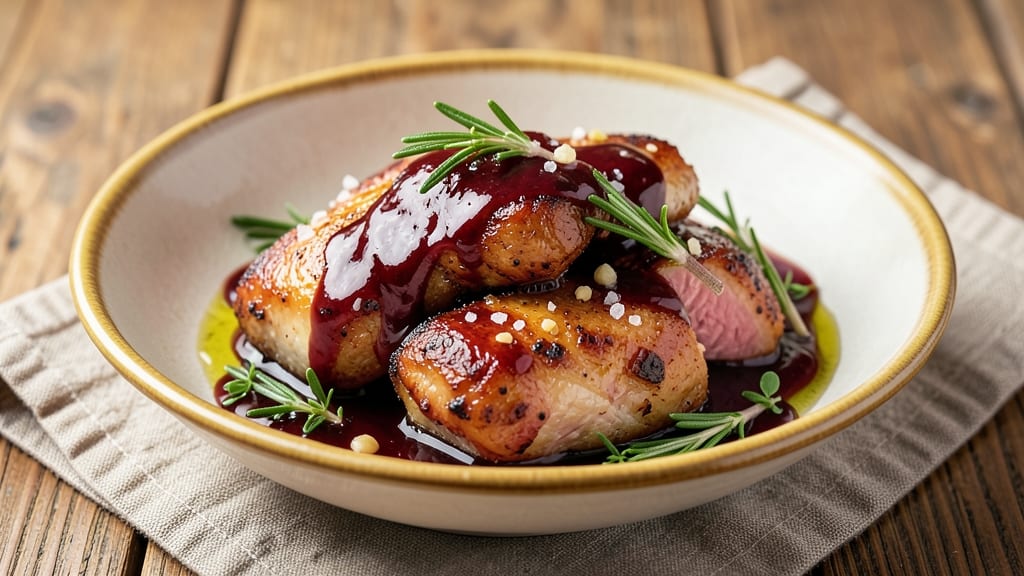
This balsamic chicken sauce recipe transforms simple ingredients into a rich, sweet-tangy glaze that elevates any protein dish. The secret lies in balancing balsamic vinegar’s bold acidity with honey or sugar, then reducing it with aromatic herbs until it thickens into a velvety sauce.
I developed this recipe after years of testing—it’s the perfect harmony of depth and brightness that pairs beautifully with grilled chicken, roasted vegetables, or even pasta.
The process is straightforward but requires patience as the sauce simmers down to concentrate its flavors. You’ll start with a basic reduction of balsamic vinegar, sugar, and chicken broth, then infuse it with fresh herbs like thyme and rosemary for an herbed depth.
The result? A glossy, slightly sticky glaze that clings to everything it touches, adding a sophisticated touch to even the simplest meal.
What makes this sauce truly versatile is its ability to adapt—use it as a drizzle for roasted chicken, a glaze for grilled vegetables, or even a tangy dressing for salads.
The sweet-tangy balance ensures it’s never overpowering, making it a go-to for weeknight dinners or special occasions. Once you taste the difference between store-bought and homemade, you’ll never go back.
Ready in just 20 minutes, this sauce requires minimal effort but delivers restaurant-quality results. The key is letting it reduce slowly so the flavors meld perfectly.
Whether you’re serving it over grilled chicken or using it as a finishing touch for roasted potatoes, this glaze will become your new kitchen staple.
Ingredients for balsamic chicken sauce
Six pantry staples plus fresh herbs make this restaurant-worthy glaze.
| Ingredient | Amount | Notes |
|---|---|---|
| Balsamic Vinegar 🍷 | ½ cup | High-quality aged variety |
| Granulated Sugar 🍚 | ¼ cup | White or brown sugar |
| Chicken Broth 🥫 | 1 cup | Low-sodium preferred |
| Fresh Thyme Leaves 🌿 | ¼ cup | Or 1 tbsp dried thyme |
| Fresh Rosemary Sprigs 🌿 | 2 whole | Finely chopped |
| Garlic Cloves 🧄 | 3 cloves | Minced or finely chopped |
| Extra-Virgin Olive Oil 🫒 | 1 tbsp | For finishing |
| Salt 🧂 | ½ tsp | Kosher or sea salt |
| Black Pepper 🌶️ | ¼ tsp | Freshly ground |
| Honey 🍯 | 1 tbsp | Or maple syrup for vegan |
The balsamic vinegar is non-negotiable here—look for aged balsamic (the dark, syrupy kind) at Trader Joe's or Whole Foods. It’s worth the splurge for that deep, caramelized flavor. Fresh herbs are ideal, but dried thyme and rosemary work in a pinch—just use half the amount. The garlic? Freshly minced adds the most punch, but jarred minced garlic (the kind in tubes) saves time and keeps well. Store your balsamic vinegar in a cool, dark place—light turns it bitter over time.
No honey? Maple syrup or agave works perfectly for a vegan version. Short on thyme? Oregano or basil add a different but still delicious twist. The sugar can be swapped for brown sugar or even a pinch of cinnamon for warmth. If you’re using chicken broth, low-sodium is key—otherwise, you’ll need to adjust the salt at the end. The olive oil at the finish adds richness, but you can skip it if you’re watching calories. Just remember: patience is everything—rushing the reduction means a thinner, less flavorful sauce.
This sauce keeps beautifully in the fridge for 1 week—it actually tastes better as the flavors meld. For longer storage, freeze in ice cube trays and transfer to a container. Thaw overnight in the fridge or microwave for 20 seconds. The glaze thickens as it cools, so add a splash of water or broth if it gets too stiff. I like to make a double batch—one for immediate use and one to freeze for later. It’s the perfect make-ahead sauce for busy weeknights.
Why You'll Love This Recipe
- Five-Ingredient Magic: I swear, this sauce comes together with just a handful of pantry staples—no fancy gadgets or last-minute grocery runs. The balsamic and sugar caramelize into a glossy, tangy-sweet glaze while the thyme and rosemary infuse that earthy aroma that makes your kitchen smell like a French bistro (even if your apartment smells like burnt toast the rest of the time).
- Glaze That Sticks: That perfect balance of sharp balsamic, deep umami from the broth, and herbal brightness? It clings to chicken like it’s auditioning for a food magazine spread. The sugar isn’t just for sweetness—it helps create that signature glossy finish that turns plain roasted chicken into something you’ll fight over at dinner.
- Weeknight to Dinner Party: Between us, this sauce is my secret weapon for when I’m too tired to impress but still want to look like I tried. Drizzle it over grilled chicken for a quick weeknight meal, or toss it with roasted veggies for a fancier spread when company’s over. The same jar of sauce does double duty—no stress, all flavor.
- Leftovers That Don’t Let You Down: Make a double batch (trust me, you will) and use the extra for sandwiches, pasta, or even a quick stir-fry later in the week. The flavors actually deepens as it sits, so that second night is often better than the first. Plus, it’s cheap to make—no overpriced sauces here, just honest, reliable goodness.
Step-by-step instructions for balsamic chicken sauce
Here's how to create a rich, flavorful glaze that balances sweetness and tang perfectly.
Sauté the Aromatics for Flavor Foundation
Heat the 1 tablespoon extra-virgin olive oil in a medium saucepan over medium heat. Add the 3 minced garlic cloves and cook for 30 seconds until fragrant—you'll smell that unmistakable garlic aroma. Immediately add the 2 finely chopped fresh rosemary sprigs and 0.25 cup fresh thyme leaves, stirring constantly for 1 minute until the herbs release their oils and turn vibrant green.
This step builds the herbal backbone of your sauce. If the garlic starts to brown too quickly, reduce heat slightly. I like to press the herbs gently with a wooden spoon to release more flavor. Don't skip this—it makes all the difference in depth of flavor.
Build the Sauce Base
Pour in the 0.5 cup balsamic vinegar and 1 cup chicken broth, scraping up any browned bits from the bottom of the pan. Bring to a gentle simmer over medium-high heat, then reduce to medium-low and let it cook uncovered for 8-10 minutes until the liquid reduces by about one-third. You're looking for a syrupy consistency that coats the back of a spoon.
Here's the thing—don't rush this reduction. The longer it simmers, the more concentrated and complex the flavors become. Stir occasionally to prevent sticking, and if it reduces too quickly, you can cover loosely with a lid for the last few minutes to control the speed.
Sweeten and Thicken the Sauce
Stir in the 0.25 cup granulated sugar and 1 tablespoon honey, then add the 0.5 teaspoon salt and 0.25 teaspoon black pepper. Let the mixture simmer uncovered for another 5-7 minutes until it thickens noticeably and becomes glossy. The sauce should coat the back of a spoon smoothly—this is your target consistency.
Taste and adjust seasoning if needed. I usually find it needs a touch more salt at this stage, but that depends on your broth. If the sauce thickens too much, add 1-2 tablespoons water to loosen it. The perfect balance should be sweet, tangy, and herby with just a hint of peppery bite.
Finish and Glaze
Remove the sauce from heat and let it cool slightly for 2-3 minutes. This resting period allows the flavors to meld together. For a glossy finish, return the pan to low heat and stir in the 1 tablespoon extra-virgin olive oil until fully incorporated. The sauce should now have a beautiful sheen and be ready to drizzle.
This sauce works beautifully over grilled chicken, roasted vegetables, or even as a pasta drizzle. For extra richness, you can whisk in 1 tablespoon butter at the end. The key is using it immediately—it won't keep well once thickened, so make it fresh when you're ready to serve.
Pro Tips For Making Balsamic Chicken Sauce
- Simmer Slow and Steady: I used to rush this sauce, thinking more heat meant faster flavor—but that just burns the sugar and turns your balsamic bitter. Instead, keep it at a gentle simmer (tiny bubbles, not rolling) for at least 15 minutes. The sugar needs time to caramelize properly, and the vinegar’s sharpness will mellow into something rich.
- Strip Rosemary Needles: Whole rosemary sprigs look pretty, but they’re useless in this sauce—they won’t release their flavor. Before adding them to the pot, strip the needles off the stems with your fingers (no knife needed). This also lets you adjust the amount—start with 2 sprigs, then add more if you’re feeling bold.
- Deglaze First, Then Sweeten: If you’re browning chicken in the same pan, always deglaze with a splash of broth before adding the balsamic and sugar. That stuck-on fond is where the depth of flavor hides. Skip this, and your sauce will taste flat, no matter how long you simmer it.
- Use Dark Balsamic: That cheap, clear balsamic vinegar? Not for this. Splurge on aged, dark balsamic—it’s thicker, sweeter, and adds a complex depth the cheap stuff can’t match. If you’re pinched for cash, reduce ½ cup of regular balsamic first to thicken it, but you’ll still taste the difference.
Wine and beer pairings for this recipe
Red Wine Pairings
This balsamic chicken sauce's sweet-tangy profile pairs beautifully with medium-bodied red wines that can stand up to its acidity. I always reach for a Chianti Classico—its bright cherry notes and earthy undertones complement the sauce's herbal depth while the wine's acidity cuts through the richness.
A Pinot Noir from Oregon also works wonderfully, especially if you prefer something lighter with subtle red fruit flavors. 🍷
White Wine Options
For those who prefer white wine, a dry Riesling from Germany is my go-to choice. The wine's crisp acidity and hints of citrus balance the sauce's sweetness perfectly, while its mineral notes enhance the dish's herbal complexity.
If you're serving this with grilled chicken, a Sauvignon Blanc from New Zealand adds a refreshing contrast with its zesty lime and grapefruit undertones.
Beer Pairings
Craft beer lovers will find that a Belgian witbier like Hoegaarden or Stella Artois works surprisingly well. The beer's citrusy coriander notes and effervescence cleanse your palate between bites, while the light malt sweetness complements the sauce's depth.
For a bolder option, try a German Helles Lager—its malty backbone stands up to the sauce's richness without overpowering it.
Cocktail Pairings
If you're serving this sauce with appetizers, consider pairing it with a Aperol Spritz—the bitter-sweet balance of the cocktail mirrors the sauce's profile beautifully. For a non-alcoholic option, a sparkling rosé lemonade with fresh mint adds a refreshing contrast.
The effervescence helps cut through the sauce's richness while the citrus notes enhance its bright, tangy character.
Regional Wine Adaptations
In Italy, where balsamic vinegar originates, I've seen this sauce paired with Lambrusco—a slightly fizzy red wine from Emilia-Romagna. The wine's natural carbonation and berry flavors create a perfect match.
Meanwhile, in California, a Zinfandel with its jammy fruit notes and spice adds a bold contrast that works especially well with grilled chicken dishes.
Seasonal Beer Swaps
During summer months, I love pairing this sauce with a wheat beer like Blue Moon—its citrus and vanilla notes provide a refreshing contrast to the sauce's richness.
In winter, a dark Belgian dubbel with its caramel and chocolate undertones adds a cozy, malty depth that complements the sauce's sweet-tangy profile beautifully. The key is matching the beer's body and flavor intensity to the sauce's characteristics. 🍺
Nutrition facts
Frequently asked questions
Can I make this sauce without honey?
Replace the 1 tablespoon honey with 1 tablespoon maple syrup for a vegan option, or use 1 tablespoon agave nectar for a neutral sweetness. For a different flavor profile, try 1 tablespoon golden balsamic glaze instead—it adds depth without altering the sauce's core tangy character.
How do I adjust the thickness of the sauce?
If your sauce is too thick, whisk in 1-2 tablespoons water or chicken broth while warm to loosen it. For a thicker glaze, simmer uncovered for 2-3 extra minutes to reduce further. Pro tip: The sauce naturally thickens as it cools, so don't worry if it seems perfect while hot—it'll still coat beautifully once chilled.
What's the best way to store leftovers?
Store in an airtight container in the fridge for up to 1 week, though it tastes best fresh. For longer storage, freeze in ice cube trays—thaw overnight in the fridge or microwave for 20 seconds. The sauce thickens when chilled, so add a splash of water when reheating.
Can I use this sauce on vegetables or pasta?
This sauce is incredibly versatile! Drizzle it over roasted Brussels sprouts or asparagus for a sweet-tangy finish, or toss it with linguine or penne for an instant upgrade. For extra richness, stir in 1 tablespoon butter or 1/4 cup grated Parmesan when serving. The herbed depth works beautifully with both proteins and plants.
Why did my sauce turn cloudy?
Cloudiness usually means the sauce didn't reduce enough or was stirred too vigorously while hot. For a glossy finish, simmer uncovered for 5-7 extra minutes until syrupy. If it's already cloudy, strain it through a fine-mesh sieve to remove any sediment. The sauce should be smooth and velvety—this is your target texture!