
Sauces & Condiments
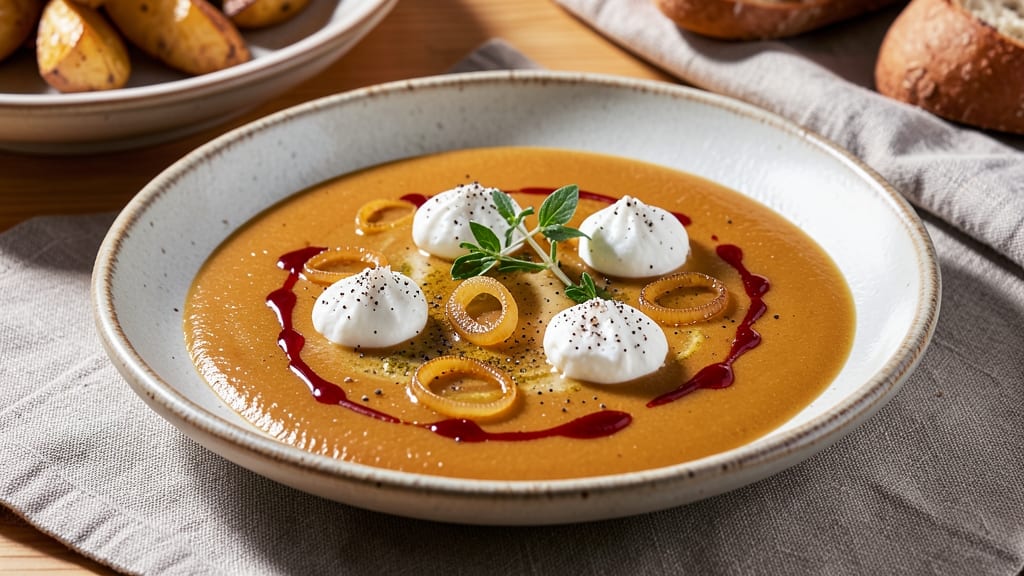
This Ballymaloe sauce recipe transforms simple ingredients into a velvety, tangy masterpiece that elevates any dish. Born in Ireland’s renowned Ballymaloe House, this sauce balances sharp mustard with creamy richness, creating a harmony that works as a table condiment or finishing touch.
The secret lies in patience—simmering shallots until sweet, then blending them with white wine and apple cider vinegar before adding cream and mustard for that signature depth.
The beauty of this sauce is its versatility—it pairs effortlessly with roasted meats, grilled vegetables, or even as a dip for crusty bread. What makes it truly special is how the flavors develop over time; the longer it sits, the more complex it becomes.
For a foolproof result, reduce it gently to achieve that perfect balance of creaminess and tang, without ever curdling the cream.
Once complete, you’ll have a sauce so rich and well-rounded that it becomes the star of any meal. The combination of sharp mustard, sweet shallots, and bright vinegar creates layers of flavor that linger on the palate.
Store it in the refrigerator for up to a week, or freeze for longer shelf life—its adaptability makes it a must-have in any kitchen.
Whether you’re serving a holiday feast or a simple weeknight dinner, this sauce adds a touch of sophistication without overpowering the main dish. The instructions are straightforward, but the result is anything but ordinary—proof that sometimes, the simplest recipes deliver the most impressive results.
Ingredients for ballymaloe sauce
Nine essential ingredients create Ireland's legendary velvety sauce, balancing sharp mustard with creamy richness.
| Ingredient | Amount | Notes |
|---|---|---|
| Shallots 🧅 | 1 ½ cups | Finely chopped, sweet variety preferred |
| Dry White Wine 🍷 | 1 cup | Sauvignon Blanc or Pinot Grigio |
| Apple Cider Vinegar 🍎 | ½ cup | Bragg preferred for quality |
| Heavy Cream 🥛 | 1 cup | Full-fat for optimal texture |
| Dijon Mustard 🌶️ | 2 tbsp | High-quality, coarse grind |
| Unsalted Butter 🧈 | 2 tbsp | Cold, cubed for slow melting |
| Fresh Tarragon 🌿 | ¼ cup | Chopped, stems removed |
| Fresh Chives 🌱 | ⅛ cup | Finely chopped, for garnish |
| Kosher Salt 🧂 | ¾ tsp | Diamond Crystal preferred |
| Freshly Ground Black Pepper 🌶️ | ¼ tsp | Adjust to taste |
The shallots form the sauce's sweet foundation—French or sweet varieties caramelize beautifully. Whole Foods and specialty markets carry ideal options, but standard grocery store shallots work fine. For wine, dry whites like Sauvignon Blanc add brightness; avoid oaky Chardonnays. Apple cider vinegar should be raw, unfiltered for complexity—Bragg is a reliable choice. Heavy cream demands full-fat for that signature Ballymaloe texture; Hormel or Organic Valley brands deliver consistent results. Fresh herbs must be vibrant—their aroma defines this sauce's elegance.
No white wine? Substitute with additional apple cider vinegar (reduce by 1 tbsp) and a splash of lemon juice. Tarragon unavailable? Fresh thyme at half the amount works in a pinch. For mustard, Dijon is non-negotiable—American yellow mustard lacks depth. Butter can be swapped for vegetable shortening in vegetarian versions, though texture suffers slightly. The sauce's magic lies in its balance—taste as you go and adjust vinegar or mustard to preference. For extra richness, add 1 tbsp extra butter at the end.
This sauce develops beautifully over time—reach peak flavor after 24 hours in the fridge. Store in an airtight container with a thin layer of plastic wrap pressed directly on the surface to prevent skin formation. Keeps 5-7 days refrigerated or 3 months frozen. For freezing, portion into ice cube trays before transferring to bags—perfect for single-use applications. Always bring to room temperature before serving to maintain optimal texture.
Why You'll Love This Recipe
- Here’s what sold me: the acidity from the apple cider vinegar and the creamy texture don’t fight—they dance. The Dijon mustard adds a little kick that makes it feel fancy, even though it’s basically a 10-minute whisk.
- Pantry Magic: I swear by this sauce because it uses things I always have—no last-minute grocery runs. Shallots and white wine? That’s my liquor cabinet and veggie drawer talking. The vinegar and mustard cut through the richness just enough to keep it light.
- Bright & Balanced: Here’s what sold me: the acidity from the apple cider vinegar and the creamy texture don’t fight—they dance. The Dijon mustard adds a little kick that makes it feel fancy, even though it’s basically a 10-minute whisk.
- Weeknight Swiss Army: This sauce is my secret weapon for when I’m too tired to think. Drizzle it over roasted chicken, toss it with pasta, or even slather it on a grilled cheese. Honestly, I’ve used it as a dip for fries when I was desperate—and it worked.
Step-by-step instructions for Ballymaloe sauce
This velvety mustard-herb sauce delivers restaurant-quality richness with precise technique.
Sauté Shallots Until Translucent
Melt the 2 tablespoons unsalted butter in a medium saucepan over medium-low heat. Add the 1.5 cups finely chopped shallots and cook for 8-10 minutes, stirring occasionally. You're aiming for soft, translucent shallots—not browned—since they'll continue cooking in the liquid. If they begin to color, reduce the heat slightly and continue stirring until they reach that perfect al dente stage.
The shallots should release their sweet aroma and become tender enough to pierce with a fork. This step builds the sauce's foundational flavor—don't rush it. The butter should foam gently and coat the shallots evenly, creating a silky base for the sauce.
Deglaze with Wine and Vinegar
Pour in the 1 cup dry white wine and 0.5 cup apple cider vinegar, scraping up any browned bits from the bottom of the pan with a wooden spoon. Increase heat to medium-high and bring to a gentle simmer. Let it reduce by half—about 5-7 minutes—until the liquid coats the back of a spoon but hasn't evaporated completely.
This reduction step concentrates the flavors and balances the acidity. The wine should mellow slightly, and the vinegar's sharpness will integrate into the sauce. Taste occasionally; if it's too acidic, a pinch of the 0.75 teaspoon kosher salt can help round out the flavors. The mixture should smell complex, with notes of shallot, wine, and a bright herbal tang.
Incorporate Mustard and Herbs
Reduce heat to low and whisk in the 2 tablespoons Dijon mustard and 0.25 cup chopped fresh tarragon. Stir constantly for 2 minutes until the mustard is fully dissolved and the tarragon releases its anise-like aroma. The sauce should begin to thicken slightly as the starch in the mustard activates.
Here's where the sauce transforms from simple to extraordinary. The mustard adds depth, while the tarragon infuses its signature herbal brightness. If the sauce looks too thick, add 1-2 tablespoons water to loosen it slightly. The texture should be smooth and velvety, with no graininess from the mustard.
Finish with Cream and Season
Slowly whisk in the 1 cup heavy cream, a little at a time, to prevent curdling. Return the heat to low and simmer gently for 3-4 minutes until the sauce thickens to a luxurious consistency. It should coat the back of a spoon but still move fluidly. Stir in the 0.125 cup finely chopped fresh chives and season with the remaining 0.75 teaspoon kosher salt and 0.25 teaspoon freshly ground black pepper.
The sauce is now ready to serve. It should be creamy yet light, with a perfect balance of mustard's tang, tarragon's herbal notes, and the richness of the cream. For an extra touch, strain the sauce through a fine-mesh sieve if you prefer a completely smooth texture, though the herbs add beautiful visual appeal.
Rest and Serve Warm
Transfer the sauce to a clean saucepan and keep it warm over low heat—never boiling—to maintain its silky texture. If you're not serving immediately, cover and let it rest for 10 minutes to allow the flavors to meld further. The sauce should be served warm, drizzled over grilled fish, roasted vegetables, or mashed potatoes for a touch of elegance.
This sauce keeps its creamy perfection for up to 3 days refrigerated or 3 months frozen. When reheating, warm gently over low heat, stirring frequently, to avoid separation. The key to its success lies in the balance of acidity, richness, and herbaceousness—each element must harmonize perfectly for that signature Ballymaloe magic.
Pro Tips For Making Ballymaloe Sauce
- SWEEAT THE SHALLOTS: I learned this the hard way—raw shallots in this sauce make it taste bitter and sharp. Take your time and cook them over medium-low heat until they’re translucent and just starting to turn golden, stirring every 30 seconds. No need to rush; you’re building flavor, not burning them.
- USE GOOD WHITE WINE: Skip the cheap stuff. A decent dry white wine (like Sauvignon Blanc or Pinot Grigio) adds depth to the sauce. If you’re using a budget bottle, drink half of it first—you’ll taste the difference. The alcohol burns off, but the quality remains.
- WHISK IN THE CREAM SLOWLY: This isn’t a smoothie—don’t dump the cream in all at once. Temper it first by whisking in a splash at a time while the sauce simmers. I’ve seen people scramble when the sauce curdles, and it’s avoidable. Patience here keeps your sauce silky.
- STRAIN THE MUSTARD: Unless you’re going for texture, strain the Dijon through a fine-mesh sieve before mixing it in. The seeds can turn gritty, especially if you’re serving this with delicate fish or poultry. A quick strain makes the sauce feel more refined—no one will notice, but you’ll appreciate it.
Pro cooking tips for perfect results
Shallot Perfection
For the best results, use French gray shallots—they're sweeter and more tender than standard varieties. Chop them paper-thin (about 1/16-inch slices) to maximize surface area for even caramelization. I like to pulse them in a food processor for consistency, but hand-chopping gives you better control over texture. 🧅
Wine Selection Matters
Don't skimp on the wine—Sauvignon Blanc or Pinot Grigio with noticeable acidity work best. Avoid oaky Chardonnays as they'll overpower the delicate tarragon notes. If you're using a leftover bottle, ensure it's bone-dry (no residual sugar).
For a non-alcoholic version, substitute with 1 cup apple juice reduced by half, then add 1 tbsp lemon juice to maintain acidity.
Preventing Curdling
The cream is where most people mess up—adding it too quickly causes curdling. Always temper the cream by whisking it into the warm sauce gradually (about ¼ cup at a time)).
Keep the heat low and stir constantly. If you see any separation, immediately whisk in 1 tsp cold butter to stabilize the emulsion. The sauce should finish smooth as silk, not lumpy.
Herb Freshness Check
Fresh tarragon and chives make all the difference—wilted herbs will turn the sauce bitter. Choose stems that are bright green and firm to the touch. For maximum flavor, bruise the tarragon leaves slightly between your fingers before adding.
If you can't find tarragon, fennel fronds make a decent substitute, though the flavor profile will differ slightly.
Thickness Control
This sauce should be velvety but pourable—like heavy cream. If it's too thick after adding cream, whisk in 1-2 tbsp warm water to adjust. For a thicker version (like for dipping), reduce the sauce uncovered for 2-3 extra minutes after adding cream.
The ideal consistency coats the back of a spoon but still flows smoothly when drizzled.
Make-Ahead Magic
The sauce actually improves overnight as the flavors meld. After making, let it cool completely, then refrigerate in an airtight container with plastic wrap pressed directly on the surface. For best results, reheat gently over low heat, stirring frequently. If it separates slightly, whisk in 1 tsp cold butter to restore its creamy texture before serving. 💫
Nutrition facts
Frequently asked questions
Can I make this sauce without wine?
Yes! For a non-alcoholic version, reduce 1 cup apple juice by half (simmer until syrupy), then add 1 tablespoon lemon juice to maintain acidity. The sauce will still develop that signature tang and depth, though the flavor profile will be slightly brighter. Always taste as you go and adjust vinegar or mustard to balance the acidity.
How do I fix curdled cream in the sauce?
If the cream curdles, don't panic! Immediately whisk in 1 teaspoon cold butter to stabilize the emulsion. Keep stirring gently over low heat for 1-2 minutes—this helps restore the silky texture. For extra insurance, strain the sauce through a fine-mesh sieve to remove any lumps before serving. The key is acting quickly to prevent permanent separation.
What’s the best way to store leftover sauce?
Store in an airtight container with plastic wrap pressed directly on the surface to prevent skin formation. Keeps 5-7 days refrigerated or 3 months frozen. For freezing, portion into ice cube trays before transferring to bags—perfect for single-use applications. When reheating, warm gently over low heat, stirring frequently, to avoid separation.
Can I use this sauce on non-meat dishes?
This versatile sauce elevates grilled vegetables, roasted potatoes, or even crusty bread as a dip. Its creamy texture and balanced flavors work beautifully with seafood like shrimp or salmon, or as a finishing drizzle for mashed cauliflower. The mustard and tarragon add a sophisticated touch to vegetarian dishes too.
Why does my sauce taste too sharp?
If the sauce tastes overly acidic, balance it by adding 1 teaspoon sugar or ½ teaspoon honey to sweeten the shallots and mellow the vinegar. For extra richness, whisk in 1 tablespoon extra butter to round out the flavors. Always taste as you go—this sauce is all about achieving harmony between the tangy, creamy, and herbal elements.