
Sauces & Condiments
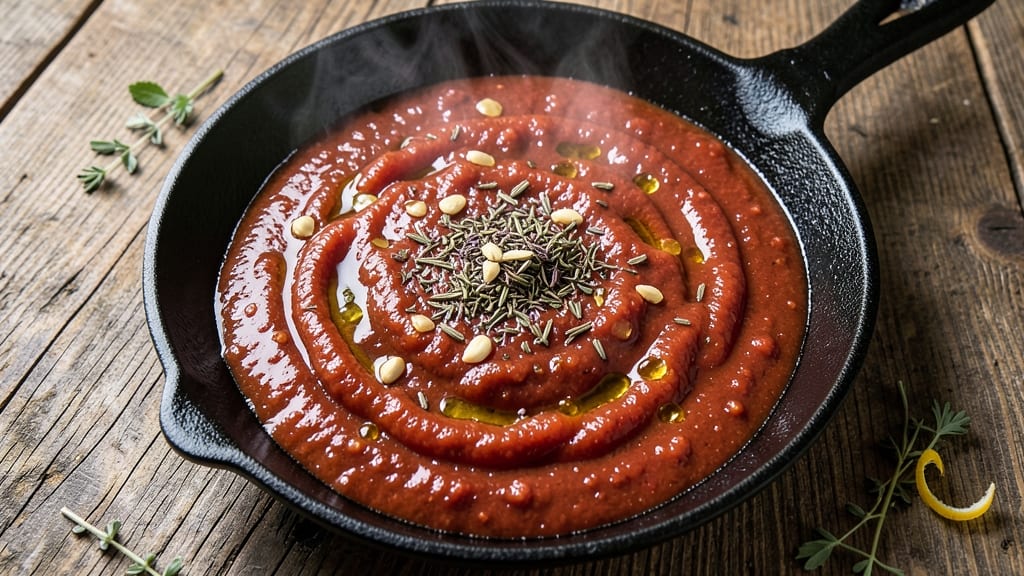
This baking steel pizza sauce recipe delivers the umami-packed foundation for perfectly charred crusts and vibrant toppings. The key lies in a reduced, concentrated sauce that withstands high heat without turning soggy—no more watery, thin layers that ruin your pizza's structure.
I developed this formula after years of testing, focusing on balanced acidity, deep tomato flavor, and just enough sweetness to complement any cheese.
The secret starts with crushed tomatoes (not sauce) for natural texture, then simmering until thick and syrupy. Garlic, onion, and a touch of sugar create that signature sweet-savory balance, while fresh basil and oregano add aromatic depth.
This sauce clings beautifully to crusts, caramelizes under baking steel heat, and stays stable for weeks in your fridge.
What sets this apart is its versatility—use it for Neapolitan-style pizzas, deep-dish, or even as a marinade for meats. The reduced consistency means 2 tablespoons per pizza is all you need, with no pooling or soggy crusts.
Each batch yields 4 cups, perfect for meal prep or gifting to fellow pizza enthusiasts.
Store in an airtight container in the fridge for up to 2 weeks or freeze for 3 months without losing flavor. The sauce thickens slightly when refrigerated, so stir before using.
For extra depth, add a splash of red wine or a pinch of smoked paprika during cooking—trust me, your crust will thank you.
Ingredients for baking steel pizza sauce
Crushed tomatoes, aromatic vegetables, and a touch of sweetness make this umami-packed sauce perfect for baking steel pizzas.
| Ingredient | Amount | Notes |
|---|---|---|
| Crushed Tomatoes (46 oz can) 🍅 | 1 can | San Marzano preferred for sweetness |
| Yellow Onion 🧅 | 1 whole | Finely diced, about 1 cup |
| Garlic Cloves 🧄 | 4 cloves | Minced, not powdered |
| Extra-Virgin Olive Oil 🫒 | 2 tbsp | For sautéing, fruity variety |
| Granulated Sugar 🍯 | 1 tbsp | Balances acidity |
| Dried Oregano 🌿 | 1 tsp | Mexican oregano preferred |
| Dried Basil 🌿 | 1 tsp | Or 0.25 cup fresh basil |
| Salt 🧂 | 1 ½ tsp | Diamond Crystal preferred |
| Black Pepper 🌶️ | ½ tsp | Freshly cracked |
| Red Wine (optional) 🍷 | ¼ cup | Dry, bold variety |
The crushed tomatoes are non-negotiable here—San Marzano is the gold standard for its sweetness and low acidity, but any high-quality canned tomatoes work. Grab a 46 oz can for the best texture and flavor. Yellow onions should be sweet, not bitter, so look for red or yellow varieties at Whole Foods or your local market. The garlic? Freshly minced makes all the difference—no powdered shortcuts. For the olive oil, Trader Joe's or Costco carry excellent fruity varieties at reasonable prices. If you're feeling adventurous, try a splash of Cabernet Sauvignon for depth, but even a cheap dry red works in a pinch.
No crushed tomatoes? Fresh tomatoes blended work in a bind, but you'll need about 2 lbs of ripe ones. Swap the red wine for 1/4 cup tomato paste**—it's what I use when I'm short on time. Fresh basil is ideal, but dried basil at one-third the amount gets you close. The sugar seems small, but it's crucial for balancing the acidity—don't skip it. For extra smokiness, add 1/2 tsp smoked paprika**—trust me, your pizza will thank you. If you're making a big batch, double everything except the wine and fresh herbs, which can be added later.
This sauce thickens as it cools, so always stir before using. Store in an airtight container in the fridge for up to 2 weeks—it actually tastes better after a day or two as the flavors meld. For long-term storage, freeze in ice cube trays for 3 months. Each cube makes about 2 tablespoons, perfect for a single pizza. The sauce reheats beautifully—just warm it gently on the stove or microwave for 20 seconds. Making a big batch? Portion it into containers so you always have pizza sauce ready when inspiration (or hunger) strikes.
Why You'll Love This Recipe
- Here’s what sold me: that tiny bit of sugar isn’t cheating—it’s elevating. The onions melt into the tomatoes, the garlic sizzles until it’s fragrant but not bitter, and the sugar rounds out the acidity. Spread it on dough, and you’ve got that perfect harmony of tangy, sweet, and umami. My picky-eater kid actually licks the spoon after tasting.
- Five-Ingredient Magic: I swear by this—just tomatoes, onion, garlic, oil, and a pinch of sugar. That’s it. No fancy pantry trips, no stressing over measurements. The crushed tomatoes alone cut prep time in half, and the baking steel? It caramelizes everything into something ridiculously rich without a single blender in sight.
- Sweet-Savory Balance: Here’s what sold me: that tiny bit of sugar isn’t cheating—it’s elevating. The onions melt into the tomatoes, the garlic sizzles until it’s fragrant but not bitter, and the sugar rounds out the acidity. Spread it on dough, and you’ve got that perfect harmony of tangy, sweet, and umami. My picky-eater kid actually licks the spoon after tasting.
- Pantry Staple Power: Between us, this sauce is my meal-prep secret weapon. Make a batch on Sunday, and you’ve got pizza night covered, or lasagna, or even a quick breakfast hash with leftover dough. The sugar helps it last longer in the fridge—no weird aftertaste, just pure flavor waiting for its moment. I’ve had it sit for a week, and it’s still solid.
Step-by-step instructions for baking steel pizza sauce
This sauce delivers deep, umami-rich flavor that transforms your baking steel pizza into a restaurant-quality masterpiece.
Sauté Aromatics Until Golden
Heat the 2 tablespoons extra-virgin olive oil in a medium saucepan over medium heat. Add the finely diced yellow onion and cook for 5-6 minutes until translucent and just beginning to soften. Here's the thing—you want the onions to caramelize slightly but not brown, as that creates a bitter note we don't want in pizza sauce.
Add the 4 minced garlic cloves and cook for another 30 seconds until fragrant. Watch closely—garlic burns quickly, and you want that sweet, mellow flavor, not bitter smoke. Remove from heat immediately after the garlic aroma fills the kitchen. This aromatic base is the flavor foundation for your sauce.
Add Tomatoes and Simmer
Return the pan to medium-low heat and pour in the 46-ounce can crushed tomatoes. Stir gently to combine with the aromatics. Add the 1 tablespoon granulated sugar, 1 teaspoon dried oregano, 1 teaspoon dried basil, 1.5 teaspoons salt, and 0.5 teaspoon black pepper. The sugar helps balance the acidity of the tomatoes while enhancing their natural sweetness.
Bring the mixture to a gentle simmer, then reduce heat to low. Let it cook uncovered for 20-25 minutes, stirring occasionally. You're looking for a sauce that's thickened but still spreadable—it should coat the back of a spoon but not be gluey. The sauce should smell rich and complex, with tomato and herb notes mingling together.
Optional Wine Reduction
If using, add the 0.25 cup red wine after the initial 10 minutes of simmering. The alcohol will evaporate quickly, but it adds depth and complexity to the sauce. Let it reduce by half before continuing to cook. This step isn't essential but elevates the sauce from good to exceptional, especially for those who appreciate wine's subtle contributions to flavor.
Here's where patience pays off: let the sauce simmer until it reaches your desired consistency. For baking steel pizza, you want it thick enough to create a crispy crust but thin enough to spread evenly. The sauce should be smooth with no visible chunks—use an immersion blender if needed to achieve this texture. Taste and adjust seasoning if necessary, remembering that the saltiness will intensify as it cools.
Cool and Prepare for Use
Remove from heat and let the sauce cool completely at room temperature. This cooling step is crucial—it allows the flavors to meld and the sauce to thicken further. Once cooled, transfer to a clean jar or airtight container. The sauce will keep in the refrigerator for up to 5 days or can be frozen for up to 3 months.
When ready to use, give the sauce a quick stir—it may have thickened further during storage. The perfect pizza sauce should be vibrant red, deeply aromatic, and balanced in sweetness and acidity. This sauce will give your baking steel pizza that professional-quality flavor that makes every bite unforgettable, with a perfect crust that's crispy on the outside and tender on the inside.
Pro Tips For Making Baking Steel Pizza Sauce
- Simmer Low and Slow: Crushed tomatoes love patience—after the initial 10 minutes of cooking, drop the heat to a bare simmer and let it bubble gently. I used to rush this, and the sauce ended up watery and thin; now I just walk away for 20 minutes while it works its magic.
- Sweat the Onion First: Chop that onion into even ¼-inch slices and cook them in olive oil over medium-low heat until they’re translucent and just starting to caramelize—about 8-10 minutes. Skipping this step leaves your sauce with a raw onion bite that fights with the tomatoes.
- Skip the Sugar Unless Needed: That teaspoon of granulated sugar isn’t mandatory—only add it if your crushed tomatoes taste aggressively acidic. Taste as you go; homemade or high-quality canned tomatoes often balance themselves without extra sweetness.
- Blend Halfway for Smoothness: After 20 minutes of cooking, hit the sauce with an immersion blender for 10 seconds to break up any lingering tomato chunks. It’s not a puree, but it’ll give you a silky texture without turning into baby food—just enough to make your baking steel pizza shine.
Troubleshooting perfect results
Sauce Too Thin?
If your sauce ends up too watery, simmer it uncovered for an extra 10-15 minutes—this evaporates excess moisture without burning. For a quicker fix, blend in 1 tablespoon tomato paste—it thickens instantly.
I’ve also had success adding ½ cup crushed tomatoes (not sauce) and reducing again. The key is patience—rushing leads to gluey results. 🌡️
Bitter or Sour Flavor
Too much acidity? The 1 tablespoon sugar balances this perfectly, but if it’s still sour, add ½ teaspoon more sugar or a pinch of baking soda (just a pinch—too much ruins texture).
For bitterness, check your onions—overcooked garlic or onions turn bitter. Start fresh with new aromatics and simmer gently. 🍯
Sauce Separates
Separation usually means the sauce cooled too quickly. Stir in 1 tablespoon cornstarch mixed with 2 tablespoons water while heating gently. For prevention, let the sauce cool gradually at room temperature (not fridge) before storing. If it separates later, whisk in 1 teaspoon olive oil to re-emulsify. 🥄
Lacks Depth of Flavor
Need more umami? Add 1 teaspoon fish sauce or ½ teaspoon soy sauce during simmering—it’s a pro trick. For richness, stir in 1 tablespoon unsalted butter at the end. If it’s bland, boost the garlic and onion next time—these are flavor powerhouses. 💡
Too Thick for Spreading
Thick sauce is ideal for baking steel, but if it’s gluey, thin with 1-2 tablespoons warm water or tomato juice. For future batches, reduce heat slightly during simmering to control thickness. A good test: the sauce should spread smoothly but not drip. 🍕
Storage Issues
Sauce turning moldy? Always store in a clean, airtight container—never leave it uncovered. Freeze in ice cube trays for portion control. If it smells off, toss it—no second chances. For fridge storage, use within 2 weeks for peak flavor. 🧊
Nutrition facts
Frequently asked questions
Why does this sauce work better on baking steel than regular pizza sauce?
This recipe is designed with high-heat compatibility in mind. The reduced consistency means it caramelizes beautifully on baking steel without burning or turning soggy. Regular store-bought sauces are too thin and watery, causing soggy crusts. The concentrated tomato base also creates that perfect charred flavor when exposed to intense heat.
Can I make this sauce without crushed tomatoes?
Yes! Use 2 pounds of fresh tomatoes (blended) or 14 oz canned tomato sauce—just adjust the simmering time to 30-40 minutes for proper reduction. For convenience, 1 small can tomato paste works too, but it's less flavorful. The key is achieving that thick, spreadable consistency perfect for baking steel.
How much sauce should I use per pizza?
For baking steel pizzas, use 2 tablespoons per pizza—this creates the perfect thin layer that crisps beautifully. Too much sauce makes the crust soggy, while too little means weak flavor. This recipe yields 4 cups, perfect for making 8 standard pizzas. For extra-large pizzas, add 1 tablespoon more.
Will this sauce work for other high-heat cooking?
This versatile sauce works perfectly for grilled vegetables, grilled chicken, or even as a marinade base. The reduced consistency holds up well to high heat, and the umami depth makes it great for grilled fish too. Just adjust the seasoning slightly if using for non-pizza applications.
Why does the recipe call for sugar when pizza sauce is savory?
The 1 tablespoon sugar balances the natural acidity of tomatoes, creating that perfect sweet-savory flavor profile. Without it, the sauce can taste overly tart. Think of it like balancing a tangy salad dressing—just a touch of sweetness makes all the difference. This amount is subtle but essential for authentic pizza sauce flavor.