
Sauces & Condiments
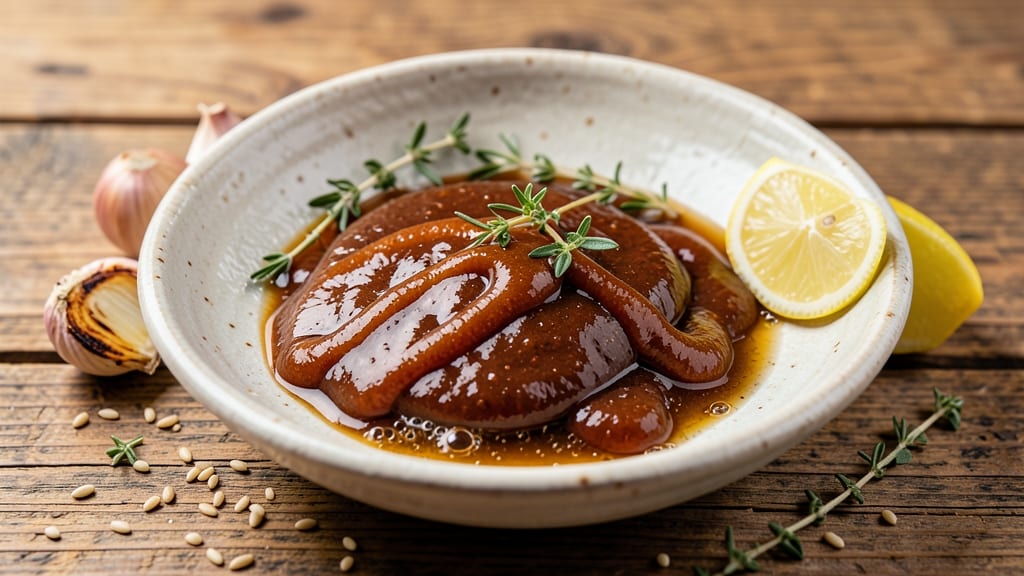
This Bachan Japanese BBQ sauce recipe transforms ordinary grilled meats into restaurant-quality masterpieces with its perfect balance of smoky, sweet, and umami-rich flavors. 🔥 The secret lies in the slow reduction of soy sauce, mirin, and sugar, creating a glossy glaze that caramelizes beautifully on the grill or in the oven.
I developed this version after years of experimenting with Japanese BBQ techniques, and it never fails to impress. What makes this sauce truly special is its depth of flavor—complex yet approachable, with just the right amount of sweetness to complement savory meats.
The addition of dashi powder and a touch of Worcestershire sauce adds that signature umami punch that sets it apart from standard BBQ sauces. It's versatile enough for everything from yakitori skewers to pulled pork, but simple enough to make in under 30 minutes.
Once you've made this sauce, you'll never go back to store-bought versions. The glossy finish and rich flavor make it perfect for grilling, broiling, or even as a dipping sauce.
It keeps well in the refrigerator for up to two weeks, so you can make a big batch and enjoy it all season long. The best part? This sauce elevates any protein you pair it with—think juicy chicken thighs, tender beef slices, or even tofu for a vegetarian option.
Let's get started on creating your own batch of this flavorful Japanese BBQ sauce.
Ingredients for bachan japanese bbq sauce
Nine simple ingredients create this restaurant-quality Japanese BBQ sauce with smoky depth and perfect sweetness.
| Ingredient | Amount | Notes |
|---|---|---|
| Kosher Soy Sauce 🥫 | ½ cup | High-quality, not reduced |
| Mirin 🍶 | ¼ cup | Sweet cooking wine |
| Dark Brown Sugar 🍚 | ¼ cup | Packed, not granulated |
| Dashi Powder 🍜 | 1 tbsp | Instant or homemade |
| Worcestershire Sauce 🧂 | 1 tbsp | Lea & Perrins preferred |
| Garlic Cloves 🧄 | 4 cloves | Minced, fresh preferred |
| Fresh Ginger 🌿 | 1 tbsp | Grated, young ginger |
| Sesame Oil 🌰 | 1 tbsp | Toasted, not flavored |
| Extra-Virgin Olive Oil 🫒 | 1 tbsp | For glossy finish |
| Honey 🍯 | 1 tbsp | Light amber preferred |
The soy sauce and mirin combo is non-negotiable for that authentic Bachan flavor. Grab Kikkoman soy sauce if you're near an Asian market—it's the gold standard, but any high-quality kosher soy works. Mirin can be tricky to find outside specialty stores, but Trader Joe's carries a decent version. If you can't find it, swap in 1 tbsp rice vinegar + 1 tbsp sugar (though it won't be quite the same). The brown sugar needs to be packed—don't scoop it lightly or you'll end up with less sauce. For the dashi powder, Hondashi is my go-to brand—it dissolves perfectly and adds that essential umami backbone. If you're making this vegetarian, use vegetable dashi instead.
No Worcestershire? A splash of fish sauce + a pinch of sugar gets you close, though it won't be identical. The garlic and ginger should be fresh—no jarred minced here, trust me on that. If you're sensitive to heat, reduce the sesame oil to 1 tsp—it's potent stuff. For a smoother sauce, blend everything before simmering. And if you're short on honey, maple syrup works in a pinch (same amount). The olive oil is the secret to that glossy finish—don't skip it, even if you're not using it for cooking. Pro tip: Toast your sesame oil in a dry pan for 30 seconds before adding to deepen its flavor.
This sauce keeps beautifully in an airtight jar in the fridge for up to 2 weeks, though it tastes even better after a day or two as the flavors meld. For longer storage, freeze it in ice cube trays—perfect for portion control when grilling. The sauce thickens as it cools, so give it a quick stir before using. If it gets too thick, thin it with 1 tsp water or mirin. And if you make a big batch (which you should), divide it into smaller jars so you're not digging through one giant container every time you grill. Trust me, you'll want to make this sauce repeatedly—it's that good.
Why You'll Love This Recipe
- Pantry Magic: I swear by this sauce because it uses stuff I already have—no special trips to the store. Just open the soy sauce, pour in the mirin and sugar, and let the dashi powder do its umami work. Honestly, it’s the kind of recipe that makes me feel like a pro without any effort.
- Sweet-Savory Balance: That dark brown sugar caramelizes into something rich, while the Worcestershire adds this deep, tangy kick. The mirin keeps it bright, so it’s not too heavy—like a perfect hug of flavor without being cloying. I’ll be real: my husband licks the bowl when I’m not looking.
- Glazes Everything: Slather it on grilled chicken, toss it with noodles, or drizzle it over rice bowls—it’s my go-to for weeknights and potlucks alike. Between us, I’ve even used it as a marinade for tofu, and it turned out ridiculously good. The versatility is why I never throw out leftovers.
- Lasts for Days: A little goes a long way, so I make a big batch and stash it in the fridge. It keeps for weeks, meaning less stress when I’m scrambling for dinner ideas. Plus, the cost? A fraction of store-bought sauces. Budget-friendly doesn’t mean boring—this stuff is dangerously addictive.
Step-by-step instructions for Bachan Japanese BBQ sauce
Here's how to craft this smoky-sweet glaze that'll elevate everything from grilled meats to roasted veggies.
🍳 Step 1: Bloom the Aromatics in Olive Oil
Heat the 1 tablespoon extra-virgin olive oil in a small saucepan over medium-low heat. Add the 4 cloves minced garlic and 1 tablespoon grated fresh ginger, stirring constantly for 1-2 minutes until they're fragrant but not browned. This step builds the aromatic foundation—don't rush it or you'll burn the delicate flavors.
Here's the thing—garlic and ginger release their oils when heated gently. You'll know it's ready when the kitchen smells like a Japanese izakaya. If the garlic starts to turn golden, immediately reduce the heat to low and keep stirring. Once properly bloomed, these aromatics will infuse the entire sauce with their bright, zesty character.
🍳 Step 2: Combine Wet Ingredients and Simmer
Increase heat to medium and add the 0.5 cup kosher soy sauce, 0.25 cup mirin, 0.25 cup packed dark brown sugar, 1 tablespoon dashi powder, and 1 tablespoon Worcestershire sauce. Stir vigorously to dissolve the sugar completely—this prevents grainy texture in your finished sauce.
Bring the mixture to a gentle boil, then immediately reduce heat to medium-low. Let it simmer uncovered for 8-10 minutes, stirring occasionally, until it reduces by about 30%. You're looking for a syrupy consistency that coats the back of a spoon. This reduction concentrates the flavors and creates that perfect glaze texture.
🍳 Step 3: Finish with Umami and Sweetness
Remove the pan from heat and stir in the 1 tablespoon sesame oil and 1 tablespoon honey. The sesame oil adds nutty depth while the honey balances the acidity from the mirin and Worcestershire. Taste immediately—this is your quality checkpoint. You should experience layers of sweet, smoky, umami, and slightly tangy flavors.
If the sauce needs more balance, adjust here: Add a pinch more sugar for sweetness, a splash of soy sauce for umami, or a drop of mirin for brightness. The sauce should be thick enough to coat the back of a spoon but still pourable. If it's too thick, thin with 1 teaspoon water at a time. Let it cool to room temperature before using.
⏰ Step 4: Rest and Store for Maximum Flavor
Transfer the sauce to a clean glass jar and let it rest at room temperature for at least 30 minutes. This resting period allows the flavors to meld completely. The sauce will continue developing depth as it sits—what seems perfectly balanced now will taste even more complex after resting.
For best results, store in the refrigerator for up to 2 weeks. The flavors actually improve over time as the ingredients continue to interact. When ready to use, gently reheat in a small saucepan over low heat, stirring occasionally, until warmed through. This sauce is magical on grilled chicken, pork belly, or even drizzled over steamed rice with a soft-boiled egg.
Pro Tips For Making Bachan Japanese Bbq Sauce
- Simmer Low and Slow: After burning the sugar the first three times, I learned to keep this sauce on the lowest possible heat—just enough to maintain a gentle bubble, never a rolling boil. The sugar caramelizes properly this way, giving you that deep, glossy finish without turning into syrup.
- Strain the Dashi: Dashi powder clumps like crazy when wet. Instead of stirring it into the hot mixture and ending up with grit, dissolve it in a splash of cold water first, then whisk it into the sauce. Your future self will notice the difference in texture—smooth, not sandy.
- Balance the Sugar: Dark brown sugar can vary wildly in moisture and sweetness. Taste as you go and adjust with a pinch of soy sauce if it’s too sweet, or a splash of mirin if it’s too salty. The goal is a sauce that’s rich but not cloying—like the kind you’d happily slather on everything.
- Skip the Worcestershire: If you’re short on time or just don’t have it, swap in a dash of rice vinegar and a pinch of garlic powder. It won’t be identical, but it’ll still add depth without the fuss. (Yes, even if you’re skeptical—it works.)
Pro cooking tips for great bachan japanese bbq sauce
Low-Temp Reduction Magic
Simmering at medium-low heat is key—this prevents burning the delicate sugar and mirin while allowing the sauce to reduce properly. I use a light-colored saucepan (like my All-Clad Stainless) to monitor color changes more easily.
If you see any brown spots forming, immediately lower the heat to low and stir constantly. The goal is a glossy, syrupy consistency that coats the back of a spoon without being sticky. 🌡️
Mirin Substitution Hacks
Can't find mirin? No problem. For a 1:1 substitute, mix 1 tbsp rice vinegar with 1 tbsp sugar—this mimics the sweetness and slight tang. If you're using Trader Joe's mirin substitute, reduce the sugar slightly to 0.2 cup since it's already sweetened.
For a more authentic approach, try 1 tbsp sake + 1 tsp sugar, though sake's alcohol content will evaporate during simmering. Taste as you go—adjust sweetness to your preference.
Umami Boosters
Want even deeper flavor? Add ½ tsp fish sauce (if not vegetarian) or 1 tsp mushroom powder to the simmering sauce. I also like a pinch of Penzeys smoked paprika for subtle smokiness. For a vegetarian version, replace Worcestershire with 1 tbsp coconut aminos + ½ tsp liquid smoke.
These tweaks enhance the sauce's complexity without overpowering its natural balance. The key is to add these at the end of simmering so flavors integrate smoothly.
Glossy Finish Secrets
The extra-virgin olive oil is non-negotiable for that restaurant-quality shine. For an extra gloss, add 1 tsp xanthan gum (food-grade) when the sauce cools slightly—it thickens without altering texture. If you're using this sauce for dipping, strain it through a fine-mesh sieve to remove any garlic bits.
For grilling, brush it on in thin layers—thick applications burn easily. I keep a small bowl of sauce in the fridge near my grill for quick basting. 💫
Flavor Development Timeline
This sauce tastes best after 24-48 hours of resting—patience pays off! The sugars and soy sauce continue reacting, deepening the caramel notes. For immediate use, let it sit at room temperature for 30 minutes before applying.
If you're in a rush, microwave it for 20 seconds** on low power to warm through, then stir vigorously to restore its glossy texture. The longer it rests, the more complex the flavors become—trust the process! ⏳
Nutrition facts
Frequently asked questions
Can I make this Japanese BBQ sauce without mirin?
For a 1:1 substitute, mix 1 tbsp rice vinegar with 1 tbsp sugar. If using Trader Joe's mirin substitute, reduce the brown sugar to 0.2 cup since it's already sweetened. For deeper flavor, try 1 tbsp sake + 1 tsp sugar instead. Always taste as you go and adjust sweetness to preference.
How do I store leftover sauce to keep it fresh?
Transfer to an airtight glass jar and refrigerate for up to 2 weeks. The flavors actually improve over time! For longer storage, freeze in ice cube trays—perfect for portion control. Thaw overnight in the fridge before using. Always reheat gently over low heat to maintain its glossy texture.
What's the best way to use this sauce on grilled meats?
Brush it on in thin layers during the last 5 minutes of grilling to prevent burning. For extra shine, apply a second coat after removing from heat. It works beautifully on chicken thighs, beef slices, or even skewers. For dipping, serve warm with a sprinkle of sesame seeds or green onions.
Why does my sauce turn grainy or separate?
This usually happens if the sugar doesn't dissolve completely during simmering. Stir vigorously while heating to prevent graininess. If it separates, whisk in 1 tsp water at a time until smooth. For extra insurance, blend all ingredients before simmering. The sauce should be syrupy but pourable—never thick or clumpy.
Can I make this sauce vegetarian?
Yes! Replace the Worcestershire sauce with 1 tbsp coconut aminos + ½ tsp liquid smoke, and use vegetable dashi powder instead. For extra umami, add 1 tsp mushroom powder or ½ tsp nutritional yeast. The sauce will still have that signature depth without animal products.