
Sauces & Condiments
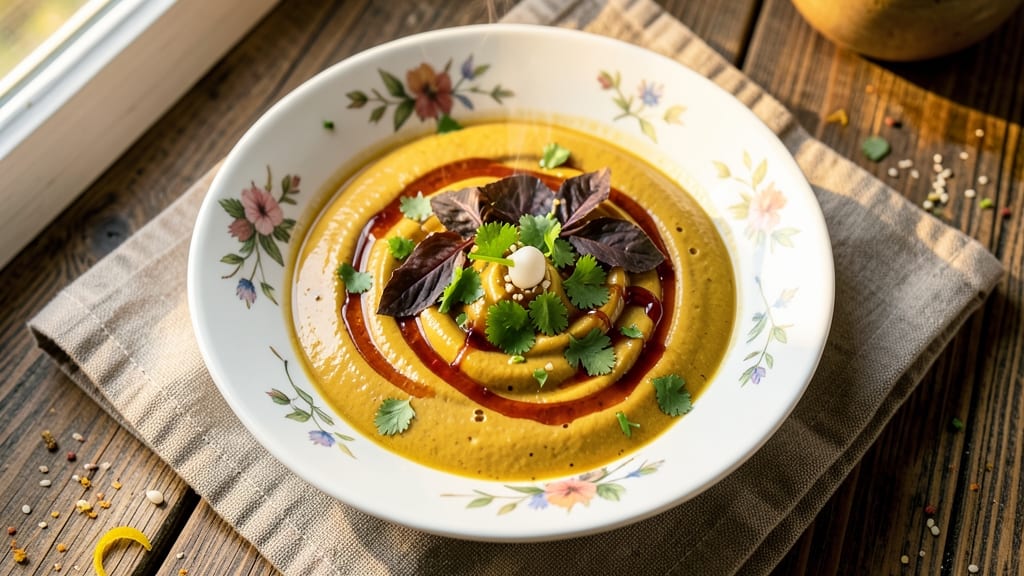
This Asian mustard dipping sauce recipe transforms ordinary bites into extraordinary moments with its perfect balance of tangy mustard, sweet umami, and fresh herbal notes. The secret lies in combining sharp yellow mustard with rice vinegar and a touch of honey, creating a sauce that's both bold and versatile.
I developed this recipe after years of testing dipping sauces for spring rolls and dumplings—it's the one that finally delivers that restaurant-quality depth at home.
The magic happens when you blend the sauce with fresh herbs like cilantro and Thai basil, adding brightness that cuts through rich, fried foods. A splash of soy sauce deepens the umami, while a hint of sesame oil contributes nutty warmth.
What makes this sauce truly special is how it elevates everything from crispy spring rolls to grilled meats—each bite becomes richer and more complex. The texture is smooth yet clings perfectly, ensuring every dip delivers maximum flavor.
With just five simple ingredients and ten minutes of prep, you'll have a sauce that stays fresh in the refrigerator for up to two weeks. It's the kind of condiment that transforms takeout nights into homemade feasts, where every bite feels intentional and delicious.
The balance of sweet, tangy, and savory flavors makes it impossible to resist, and the fresh herbs keep it vibrant and full of life.
Perfect for meal prep or last-minute entertaining, this sauce pairs beautifully with spring rolls, dumplings, grilled shrimp, or even as a marinade for meats. The versatility ensures it becomes a staple in your kitchen, ready to enhance any dish with its bold umami heat.
Let's make this flavor-packed sauce that will have everyone asking for seconds.
Ingredients for asian mustard dipping sauce
Five bold flavors come together in minutes for this restaurant-quality dipping sauce.
| Ingredient | Amount | Notes |
|---|---|---|
| Yellow Mustard 🌶️ | ½ cup | Sharp, high-quality brand preferred |
| Rice Vinegar 💧 | ¼ cup | Seasoned or plain works |
| Honey 🍯 | 2 tbsp | Wildflower or clover preferred |
| Fresh Cilantro 🌿 | ¼ cup | Stems removed, loosely packed |
| Thai Basil Leaves 🌿 | ¼ cup | Fresh, loosely packed |
| Light Soy Sauce 🍶 | 1 tbsp | Low-sodium preferred |
| Sesame Oil 🫒 | 1 tsp | Toasted sesame preferred |
| Garlic Cloves 🧄 | 2 cloves | Minced, fresh preferred |
| Fresh Ginger 🌿 | 1 tsp | Finely grated, fresh preferred |
| Lime Juice 🍋 | 1 tbsp | Freshly squeezed |
The mustard is the foundation—French's or Hellmann's work best for that sharp tang. If you're feeling fancy, grab Dijon mustard for extra depth, but regular yellow works too. Rice vinegar should smell bright and clean, not funky. Kikkoman is my go-to, but any seasoned rice vinegar will do. The honey adds that sweet umami balance, so don't skimp here. Wildflower or clover honey has a more complex flavor than cloying corn syrup. For the herbs, Asian markets usually have the best Thai basil—look for deep purple stems and vibrant green leaves. If you can't find Thai basil, regular basil plus a pinch of cinnamon works in a pinch.
No rice vinegar? Apple cider vinegar is a decent swap, though it'll taste slightly different. Short on honey? Maple syrup or agave at the same amount keeps things sweet. The sesame oil is non-negotiable for that nutty aroma—no substitutes here. If you're missing Thai basil, cilantro plus a dash of fish sauce (if not vegetarian) or soy sauce mimics the herbal depth. The garlic and ginger can be swapped for 1/2 tsp garlic powder and 1/2 tsp ground ginger if you're in a rush, but fresh is always better. Lime juice? Lemon works too, but lime gives that authentic Asian brightness.
This sauce keeps for 2 weeks in the fridge, sealed tightly in a jar. The flavors actually improve after the first day as everything melds. For meal prep, I double the batch and store it in small jars—perfect for lunches or takeout nights. If you make extras, freeze them in ice cube trays for single-serving portions. The herbs will wilt slightly after a few days, but the sauce stays vibrant. Shake well before using, especially if it's been refrigerated.
Why You'll Love This Recipe
- No-Chop Necessary: Honestly, I keep this in my fridge because it takes zero effort. Just toss the mustard, vinegar, and honey in a bowl, then muddle in the cilantro and Thai basil—no dice, no measuring cups, no stress. The leaves wilt into the sauce naturally, so you’re not left with a chunky mess.
- Sweet-Savory Magic: That first tangy bite? Pure satisfaction. The rice vinegar cuts through the honey’s richness while the mustard adds depth, and the basil leaves bring this herbal brightness that makes it ridiculously good with spring rolls or grilled shrimp. (Yes, even on a Tuesday night.)
- Game for Any Meal: Between us, this sauce is my secret weapon for lazy weeknights and fancy dinner parties. Drizzle it over noodles, use it as a marinade for tofu, or serve it in tiny bowls at your next potluck—no one will guess how little work went into it.
- Lasts All Week: I make a big batch and it never goes bad. The vinegar preserves it, and the honey keeps it from separating, so I’m always ready for last-minute takeout nights or snack emergencies. Plus, it’s dirt cheap—you’re basically paying for the basil, and even that’s a stretch.
Step-by-step instructions for Asian mustard dipping sauce
This vibrant sauce comes together in minutes with simple ingredients that pack serious flavor.
Combine Wet Ingredients in a Bowl
In a medium mixing bowl, whisk together the 0.5 cup Yellow Mustard, 0.25 cup Rice Vinegar, and 2 tbsp Honey until fully blended. The mustard should be smooth with no visible streaks, and the honey will help balance the acidity from the vinegar. I like to use a fork for this step—it gives me better control than a whisk for small batches.
Next, add the 1 tbsp Light Soy Sauce and 1 tsp Sesame Oil, whisking continuously until everything is evenly incorporated. The sesame oil might separate slightly at first, but keep whisking—it will emulsify into the mixture. This is where the umami depth starts building, so don't rush this blending process.
Add Aromatics and Fresh Herbs
To the wet mixture, add the 2 cloves Garlic Cloves (minced) and 1 tsp Fresh Ginger (finely grated). Stir well to distribute these flavors evenly. The garlic and ginger should dissolve completely into the sauce, adding a bright, zesty kick that cuts through the richness of the mustard.
Now for the fresh elements: Gently fold in the 0.25 cup Fresh Cilantro and 0.25 cup Thai Basil Leaves using a silicone spatula. Be careful not to overmix—you want to preserve the herbs' texture while distributing them evenly. The cilantro adds a bright, citrusy note, while the Thai basil brings a sweet, anise-like depth that's characteristic of Southeast Asian flavors.
Finish with Lime Juice and Taste Adjustments
Give the sauce a final stir and then add the 1 tbsp Lime Juice. This brightens the entire mixture and ties all the flavors together. Taste and adjust the balance—if it needs more sweetness, add a touch more honey; if it's too sharp, a splash of rice vinegar helps. The sauce should have a perfect harmony of tangy, sweet, umami, and herbal notes.
Let the sauce sit for 5 minutes at room temperature. This resting period allows the flavors to meld completely. If you're serving it immediately, give it a quick stir before using—this ensures the herbs are evenly distributed in every dip. The sauce should be smooth with visible herb flecks, offering both texture and flavor in every bite.
Serve and Enjoy
Transfer the dipping sauce to a small serving bowl or dish. I like to use a shallow dish so guests can easily scoop up the sauce with their fingers or use it for dipping spring rolls, fries, or grilled meats. The sauce will keep well in the refrigerator for up to 5 days, though I usually make a fresh batch when I'm hosting—it's that good.
Here's the thing—this sauce is incredibly versatile. It's perfect with Asian-inspired dishes but also works wonderfully with burgers, tacos, or even as a marinade for grilled chicken. The key is balancing all those flavors, so don't be afraid to taste as you go. Once you get the ratio right, you'll have a go-to sauce that elevates any meal.
Pro Tips For Making Asian Mustard Dipping Sauce
- STIR IT DOWN: Mix the sauce slowly at first—start with just the mustard and vinegar, then drizzle in honey. I learned this the hard way: dumping everything at once makes it gloppy. Thin it gradually until it coats the back of a spoon like light syrup.
- CHOP BASIL FAST: Use a sharp knife and stack Thai basil leaves before slicing—cut them into thin ribbons (not tiny pieces) so they keep their shape in the sauce. Fresh cilantro goes in last, chopped coarsely, or it’ll turn to mush sitting in vinegar.
- SALT THE MUSTARD: Taste the mustard before mixing—if it’s unsalted, add a pinch of flaky salt (about ¼ tsp per 2 tbsp mustard). Store-bought mustard varies wildly, and this sauce needs balance from the start. No one wants a vinegar bomb.
- DILUTE IN STAGES: Make half the sauce first, taste it, then adjust sweetness or tang with the remaining ingredients. I was skeptical until I tried it—this way, you won’t end up with a sauce that’s either too sharp or cloyingly sweet.
Best sauces and condiments for this asian mustard dipping sauce
Sweet and Tangy Balance
This sauce thrives on its perfect harmony of sweet, tangy, and umami flavors. The 2 tbsp honey balances the sharpness of 0.5 cup yellow mustard and 0.25 cup rice vinegar, creating a smooth transition between tastes.
For extra depth, I sometimes add 1 tsp maple syrup if I want a richer sweetness, but honey keeps it bright and clean. The 1 tbsp soy sauce adds that essential umami punch, while the 1 tsp sesame oil brings a nutty warmth that ties everything together. 🌶️
Herbal Freshness Boost
The 0.25 cup fresh cilantro and 0.25 cup Thai basil are non-negotiable for that fresh, vibrant kick. If you can't find Thai basil, swap in regular basil plus ¼ tsp cinnamon for a similar aromatic depth.
The herbs should be loosely packed and added just before serving to preserve their brightness. For a stronger flavor, gently muddle the herbs with a pinch of salt before folding them into the sauce. This releases their oils and intensifies their presence. 🌿
Umami Enhancers
For an extra layer of savory depth, consider adding 1 tsp fish sauce (if not vegetarian) or ½ tsp miso paste to the sauce. Both options amplify the umami without overpowering the mustard's tang.
The 2 minced garlic cloves and 1 tsp grated ginger also contribute to this savory profile, so don't skip them. If you're feeling adventurous, a ½ tsp chili flakes adds a subtle heat that pairs beautifully with the sweet and tangy notes. 🔥
Texture and Consistency
This sauce should be smooth yet slightly textured, with visible herb flecks that add visual appeal and a slight bite. If it ends up too thick, thin it with 1 tsp water or lime juice until it reaches a dippable consistency.
For a creamier texture, stir in 1 tbsp Greek yogurt or coconut milk—just be sure to adjust the balance of other flavors afterward. The sauce should coat the back of a spoon lightly but still cling to your fingers when dipping. ✨
Flavor Customization
Want to tweak the sauce to your taste? If it's too sharp, add ½ tsp more honey or 1 tsp sugar. Too sweet? Balance it with ½ tsp extra rice vinegar or a splash of lime juice.
For a smoky twist, stir in ½ tsp smoked paprika or a dash of liquid smoke. If you love heat, add ½ tsp gochujang or 1 tsp sriracha for a spicy kick that complements the mustard perfectly. 🌶️
Storage and Shelf Life
Store the sauce in an airtight container in the refrigerator for up to 2 weeks. The flavors actually improve over time as the ingredients meld together. For meal prep, I like to portion it into small jars—perfect for lunches or takeout nights.
If you need to freeze it, use ice cube trays for single-serving portions. Just thaw in the fridge overnight and give it a good stir before using. The herbs may wilt slightly, but the sauce stays vibrant and delicious. ❄️
Nutrition facts
Frequently asked questions
Can I make this sauce without fresh herbs?
Yes! If you're missing Thai basil or cilantro, try ½ tsp dried basil plus ¼ tsp dried cilantro (or ½ tsp dried parsley for a milder flavor). For extra depth, add ½ tsp fish sauce or ¼ tsp onion powder to mimic the herbal notes. The sauce will still taste great—just slightly less vibrant.
How spicy is this sauce, and can I adjust it?
This recipe is mild but tangy—no added heat. For spice, stir in ½ tsp gochujang or 1 tsp sriracha for a kick. If you prefer smoky heat, add ¼ tsp smoked paprika. Always taste first! The mustard and vinegar balance any added spice beautifully.
What’s the best way to store leftovers?
Transfer to an airtight container and refrigerate for up to 2 weeks. The flavors improve over time! For freezing, portion into ice cube trays—thaw overnight in the fridge. Stir well before using, as the herbs may separate slightly.
Can I use this sauce on non-Asian dishes?
It’s perfect for burgers, tacos, or grilled chicken. The tangy-sweet balance works well with fried foods, salads, or even as a marinade. Just reduce the soy sauce to ½ tbsp if using for non-Asian meals to avoid overpowering flavors.
Why did my sauce separate?
Mustard sauces sometimes separate due to oil from sesame seeds or herbs. Whisk vigorously to re-emulsify, or stir in 1 tsp warm water to help blend. For a smoother texture, blend briefly in a food processor (but keep some herb flecks for texture!).