
Sauces & Condiments
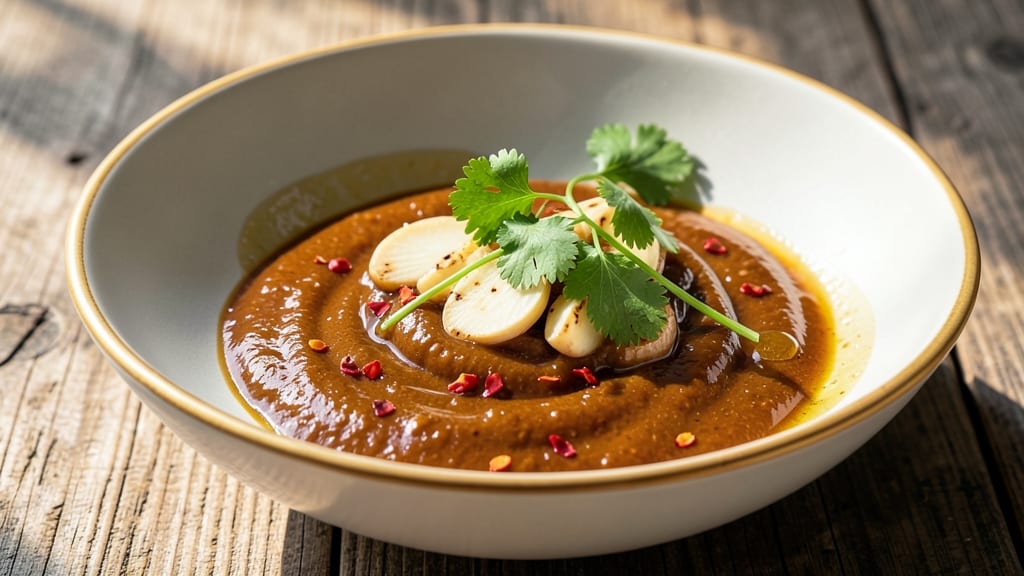
This Asian hot mustard sauce recipe delivers that perfect balance of spicy-sweet heat that elevates everything from wings to fries. The secret lies in combining mustard powder, vinegar, and sugar for a tangy, slightly sweet base that gets a kick from chili flakes and garlic.
I developed this recipe after craving that signature restaurant-style sauce but wanting to make it at home with simple ingredients.
The beauty of this sauce is its versatility—it works as a dipping sauce, glaze, or marinade, and it keeps well in the fridge for up to two weeks. The process is straightforward: whisk together the dry ingredients, then slowly incorporate the wet components to create a smooth, glossy consistency.
The result is a sauce that’s bold enough to stand out but balanced enough to complement any dish.
What makes this sauce truly special is how it transforms ordinary foods into something extraordinary. A few drizzles over crispy fried chicken or golden fries turn them into a restaurant-worthy meal.
The heat builds gradually, with the sweetness mellowing the spice just enough to keep it addictive. It’s the kind of sauce you’ll find yourself reaching for again and again.
For extra depth, consider adding a touch of honey or sesame oil, but keep the process simple—this sauce shines with just the essential ingredients. Once you try it, you’ll never go back to store-bought versions. Let’s get started!
Ingredients for asian hot mustard sauce
Nine simple ingredients transform into a bold, restaurant-quality Asian hot mustard sauce.
| Ingredient | Amount | Notes |
|---|---|---|
| Yellow Mustard Powder 🌶️ | ¼ cup | High-quality for tangy base |
| Rice Vinegar 🍶 | ½ cup | White or seasoned variety |
| Granulated Sugar 🍚 | ¼ cup | White or light brown |
| Red Chili Flakes 🔥 | 2 tbsp | Adjust for heat preference |
| Garlic Cloves 🧄 | 4 cloves | Minced for aromatic depth |
| Sesame Oil 🫒 | 1 tbsp | Toasted for nutty aroma |
| Water 💧 | ¼ cup | Room temperature preferred |
| Salt 🧂 | 1 tsp | Kosher or sea salt |
| Black Pepper 🌶️ | ½ tsp | Freshly ground preferred |
| Honey 🍯 | 1 tbsp | Optional for extra sweetness |
The mustard powder is where the magic starts—Bob's Red Mill or Anthony's are my go-tos for quality. Rice vinegar should be white for clarity, but seasoned vinegar works too if you want extra umami. Chili flakes vary wildly in heat, so start with less and adjust—taste as you go. Garlic cloves should be fresh, not dried, for that bright punch. Sesame oil adds depth, but if you're sensitive to its flavor, reduce to 1/2 tablespoon or skip it entirely.
No mustard powder? Dijon mustard works at half the amount, but it'll be thicker. Short on vinegar? Apple cider vinegar or lemon juice keeps the tang. The honey is optional, but if you add it, use raw honey for better flavor. For extra heat, swap chili flakes for gochugaru (Korean chili flakes). If you prefer a smoother texture, whisk the sauce longer—immersion blender makes it silky. This sauce is all about balance, so adjust the sweet-spicy ratio to your taste.
Store in an airtight jar in the fridge for up to 2 weeks. The flavors meld beautifully over time, so it tastes even better after a day. For longer storage, freeze in ice cube trays—thaw overnight in the fridge. A little goes a long way, so make a double batch. The sauce thickens when chilled, so stir before using. Perfect for wings, fries, or even drizzling over noodles.
Why You'll Love This Recipe
- I’ll be real: this sauce costs next to nothing to make, and a little goes a long way. Store it in the fridge for up to two weeks, and you’ve got an emergency flavor booster for takeout nights, last-minute marinades, or even a quick glaze for roasted veggies. Budget-friendly? More like budget hero.
- Five-Ingredient Magic: I swear, this sauce is the kind of recipe that makes me feel like a genius—just whisk, wait, and boom, flavor explosion. No fancy techniques, no hidden pantry staples: mustard powder, vinegar, sugar, chili, and garlic. That’s it. The kind of simplicity that actually works.
- Spicy-Sweet Balance: Honestly, the way the heat from the chili flakes dances with the tangy rice vinegar and creamy mustard? It’s the perfect push-and-pull. Add a splash of water, and suddenly you’ve got a sauce that’s bold enough for wings but smooth enough for a quick stir-fry—no bitterness, just pure, addictive harmony.
- Weeknight Workhorse: Between us, this is my go-to for lazy nights when I’m too tired to think. Drizzle it over noodles, toss it in fried rice, or even mix it into mayo for a killer sandwich spread. It’s the kind of sauce that turns “I don’t wanna cook” into “Wow, this was easy.”
Step-by-step instructions for Asian hot mustard sauce
This vibrant sauce comes together in minutes with precise technique.
Bloom the Mustard Powder
In a small saucepan over medium heat, whisk together the 0.25 cup yellow mustard powder, 0.25 cup granulated sugar, 0.5 cup rice vinegar, and 0.25 cup water. Bring to a gentle simmer while stirring continuously with a wooden spoon. You'll see the mixture thicken slightly as the mustard powder blooms—this takes about 2-3 minutes. The sauce should transform from powdery to a smooth, creamy consistency.
This blooming process activates the mustard's flavor compounds. If you notice any graininess, strain the mixture through a fine-mesh sieve into a clean bowl to ensure a silky texture. Keep the heat at medium-low to prevent scorching while you prepare the remaining ingredients.
Incorporate Aromatics and Spices
Add the 4 cloves minced garlic, 2 tbsp red chili flakes, 1 tbsp sesame oil, 1 tsp salt, and 0.5 tsp black pepper to the saucepan. Stir vigorously to combine, then reduce the heat to low. Let the mixture simmer gently for 3-4 minutes, stirring occasionally, until the garlic becomes fragrant and the chili flakes deepen in color.
The garlic should smell intensely aromatic, and the chili flakes should darken slightly—this indicates they're releasing their full flavor. If the sauce begins to thicken too much, add 1-2 tablespoons of water to maintain a pourable consistency. This step builds the sauce's complex flavor profile, balancing the tangy mustard with aromatic depth.
Sweeten and Finish
Remove the saucepan from heat and stir in the 1 tbsp honey. Taste immediately to assess the balance—you should detect a harmonious blend of sweet, tangy, spicy, and umami notes. If the sauce needs more heat, add an additional ½ teaspoon of red chili flakes. For extra tang, stir in 1 teaspoon of rice vinegar. Adjust the seasoning to your preference, ensuring each element is distinct yet cohesive.
Let the sauce cool to room temperature before using. The flavors will continue to meld as it sits, resulting in a more nuanced taste. For best results, store any leftovers in an airtight container in the refrigerator for up to 1 week. This sauce elevates everything from crispy wings and fries to noodles and grilled meats with its bold, layered flavor.
Pro Tips For Making Asian Hot Mustard Sauce
- Bloom the Garlic First: I learned this the hard way—raw garlic in the sauce just tastes like a bitter afterthought. Mince 2 cloves extra fine, then toss them in 1 tablespoon of hot water for 5 minutes. The heat softens and mellows the flavor, blending seamlessly into the mustard base without that sharp bite.
- Toast the Chili Flakes: Skip the jarred stuff—freshly toasted red chili flakes make all the difference. Heat a dry pan over medium-low and cook the flakes for 30 seconds until fragrant (not burnt). Let them cool before adding to the sauce, or they’ll turn the whole mix bitter. Yes, even if you’re impatient like me.
- Mix Mustard with Vinegar: This isn’t the prettiest method, but it’s the tastiest: dissolve the yellow mustard powder in the rice vinegar first. Stir vigorously until it’s a smooth paste—no lumps, no grit. I used to just toss it in dry, and the texture always felt off. Trust the process.
- Balance the Sugar Last: Add the granulated sugar after the sauce has cooled slightly. If you mix it in while hot, the vinegar will make it crystallize into a grainy mess. Taste as you go—start with half the amount, then adjust. You can always add more, but you can’t take it out.
Regional styles of asian hot mustard sauce
Korean Gochujang Twist
For a deeper umami kick, swap the red chili flakes for 1 tbsp gochujang (Korean chili paste) and reduce the sugar to 2 tbsp. Add 1 tsp soy sauce and ½ tsp grated ginger to the bloomed mustard before simmering.
This version has a fermented richness that pairs perfectly with bulgogi beef or kimchi fried rice. 🌶️
Japanese Shichimi Style
Transform this sauce into a Japanese-inspired shichimi-inspired drizzle by replacing the chili flakes with 1 tbsp shichimi togarashi (Japanese seven-spice blend) and adding ½ tsp sesame seeds.
Use mirin instead of rice vinegar for a sweeter, fruitier tang. This version works beautifully as a glaze for teriyaki chicken or as a dip for tempura.
Thai-Inspired Sweet Chili
Infuse this sauce with Thai flavors by adding 1 tbsp sweet chili sauce (like Maesri) and ½ tsp fish sauce after removing from heat. Replace the honey with 1 tsp palm sugar for an authentic touch.
This version is perfect for drizzling over pad thai or grilled pork skewers. The balance of sweet, spicy, and funky umami makes it irresistible. 🔥
Vietnamese Nuoc Cham Fusion
Create a fusion sauce inspired by nuoc cham by adding 1 tbsp fish sauce and 1 tsp lime juice to the finished sauce. Reduce the sugar to 1 tbsp and add ½ tsp black pepper for a brighter, more complex flavor.
This version pairs exceptionally well with spring rolls or grilled shrimp, offering a tangy, salty-sweet contrast.
Chinese Chili Oil Adaptation
For a Chinese-inspired version, replace the sesame oil with 1 tbsp chili oil and add ½ tsp five-spice powder to the bloomed mustard. Use Shaoxing wine instead of rice vinegar for depth.
This sauce works wonderfully as a dipping sauce for dumplings or as a marinade for stir-fry meats. The five-spice adds a warm, aromatic complexity that elevates the dish. ✨
Balancing Heat and Sweetness
Regardless of the regional twist, the key is balancing heat and sweetness. Always taste as you go—adjust the sugar or chili to your preference. I find that 1:1 ratio of sweet to spicy works best for most palates.
For extra richness, stir in 1 tsp toasted peanut butter (especially in Thai-inspired versions) or 1 tsp miso paste for umami depth.
Nutrition facts
Frequently asked questions
Can I make this sauce without mustard powder?
Yes! You can substitute with 2 tablespoons of Dijon mustard (thinned with 1 tablespoon water) or 1 tablespoon of prepared yellow mustard. The texture will be slightly thicker, so adjust with extra water if needed. For a smoother consistency, blend briefly with an immersion blender.
How do I adjust the heat level?
Start with 1 tablespoon of chili flakes for mild heat, then increase to 2 tablespoons for medium, and up to 3 tablespoons for extra spicy. For precise control, add chili flakes gradually and taste between additions. If using gochugaru (Korean chili flakes), use half the amount since they're milder.
What are the best foods to pair with this sauce?
This sauce shines on crispy fried chicken, wings, fries, and spring rolls. It also works as a marinade for grilled meats or a dipping sauce for sushi rolls. For extra flavor, drizzle it over ramen noodles or use it as a glaze for baked fish.
Why did my sauce turn out too thick?
Sauce thickens as it cools, but if it's too thick while warm, stir in 1-2 tablespoons of water or rice vinegar to thin it out. For a smoother texture, strain through a fine-mesh sieve after cooking. If using mustard powder, ensure you're using a high-quality brand—lower quality powder can create graininess.
Can I make this sauce ahead of time?
This sauce tastes even better after 24 hours as the flavors meld together. Store in an airtight container in the fridge for up to 2 weeks. The texture may thicken slightly when chilled, so stir before using. For longer storage, freeze in ice cube trays and thaw overnight in the fridge.