
Sauces & Condiments
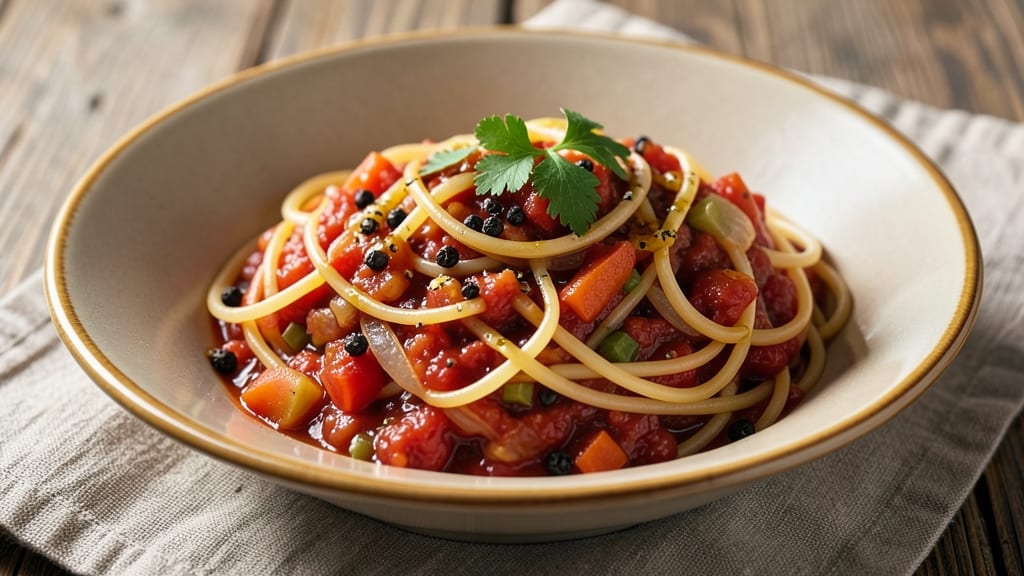
This awesome spaghetti sauce recipe transforms simple ingredients into a rich, slow-simmered masterpiece that clings to every strand of pasta. The secret lies in a 3-hour simmer that develops deep umami flavors—no fancy techniques, just time and patience.
I perfected this sauce after years of testing, and it’s become my go-to for weeknight dinners and holiday gatherings alike.
What sets this sauce apart is the balance of acidity, sweetness, and savory depth. A blend of crushed tomatoes, garlic, and herbs simmers until the flavors meld into a velvety, aromatic sauce.
Optional ground beef or Italian sausage can be added for extra richness, but the vegetarian version is just as satisfying. The sauce thickens naturally as it cooks, creating a perfect consistency for slurping or spooning.
By the end, you’ll have a sauce that’s bold, balanced, and brimming with flavor—ready to elevate any pasta dish. It freezes beautifully for future meals, so you can make a big batch and enjoy it all season long.
The slow cooking process transforms humble ingredients into something restaurant-worthy, proving that great sauce doesn’t require shortcuts.
Pair it with al dente spaghetti, a sprinkle of fresh basil, and a glass of red wine for the ultimate comfort food experience. This isn’t just spaghetti sauce—it’s a flavor-packed foundation for endless meals. Let’s get cooking!
Ingredients for awesome spaghetti sauce
These 15 ingredients create a sauce so rich it'll make you forget jarred versions exist.
| Ingredient | Amount | Notes |
|---|---|---|
| Crushed Tomatoes (46 oz Can) 🍅 | 1 can | San Marzano preferred for sweetness |
| Extra-Virgin Olive Oil 🫒 | ½ cup | High-quality for richness |
| Yellow Onion 🧅 | 1 whole | Diced finely for sweetness |
| Garlic Cloves 🧄 | 6 cloves | Minced for deep flavor |
| Carrots 🥕 | 2 medium | Diced small for subtle sweetness |
| Celery Stalks 🥬 | 2 whole | Diced for classic mirepoix |
| Ground Beef (Optional) 🥩 | 1 lb | 80/20 fat ratio preferred |
| Italian Seasoning 🌿 | 2 tbsp | Diamond Crystal preferred |
| Dried Oregano 🍃 | 1 tbsp | Mexican oregano for depth |
| Red Wine 🍷 | ½ cup | Bold dry variety like Cabernet |
| Tomato Paste 🍅 | 2 tbsp | Squeeze tube preferred |
| Fresh Basil Leaves 🌿 | ¼ cup | Chopped for garnish |
| Salt 🧂 | 1 ½ tsp | Diamond Crystal kosher |
| Black Pepper 🌶️ | ½ tsp | Freshly ground preferred |
| Sugar 🍚 | 1 tsp | Balances acidity |
The tomatoes are non-negotiable—San Marzano cans from Trader Joe's or Whole Foods give you that perfect balance of sweetness and acidity. Costco's bulk section is also a great spot for Italian seasoning if you don't want to buy tiny jars. Carrots and celery might seem basic, but they're the secret to that deep, slow-built flavor. I always buy fresh garlic in bulk—Penzeys has the best prices—and mince it myself. The red wine adds complexity, but don't stress over the brand. Whatever bold, dry red you've got open will work.
No red wine? Beef broth with a splash of balsamic gets you close. Fresh basil is ideal, but dried oregano at half the amount works in a pinch. The tomato paste can be skipped if you're using high-quality crushed tomatoes, but I've found it adds that professional depth. Trader Joe's squeeze tubes are perfect for this—no waste, and they keep for months. Want to make it vegetarian? Skip the beef entirely and add an extra 1/2 cup of mushrooms for umami. The sugar might seem odd, but it's crucial for balancing the acidity—trust me on this.
This sauce tastes even better the next day as flavors meld. Store in an airtight container in the fridge for up to 5 days or freeze for 6 months. I always make a double batch—one for dinner, one for lunches. The sauce thickens as it cools, so you can thin it with a splash of water or broth when reheating. If you're freezing, portion it into ziplock bags with a little extra space at the top—it expands as it freezes.
Why You'll Love This Recipe
- Five-Ingredient Magic: I swear, this sauce only needs five things—crushed tomatoes, olive oil, onion, garlic, and carrots—and somehow it still feels like a hug in a pot. No fancy techniques, no hidden pantry items, just pure, unfussy flavor.
- Savory Depth: That 46-ounce can of tomatoes? It’s the secret. Simmered low with caramelized onions and garlic, the sauce thickens into something rich and layered—sweet from the tomatoes, bright from the olive oil, with just enough carrot to round it out. It’s the kind of taste that makes you pause mid-spoonful.
- Game for Any Night: Between us, this sauce is my go-to for date nights (yes, even on a Tuesday) and potlucks. Serve it over pasta, toss it with meatballs, or just eat it straight from a bowl with crusty bread. It’s the kind of recipe that doesn’t care what you throw at it.
- Leftovers That Don’t Suck: Honestly, I make a double batch because the leftovers are just as good the next day—if not better. The flavors meld even more, and it freezes like a dream. No sad, watery reheats here; just rich, hearty sauce ready to go whenever you are.
Step-by-step instructions for slow-simmered umami spaghetti sauce
Here's how to build layers of flavor that transform simple ingredients into restaurant-quality sauce.
Sauté the Vegetable Base for Flavor Foundation
Heat the 0.5 cup extra-virgin olive oil in a large Dutch oven over medium heat. Add the 1 whole yellow onion and cook for 5-6 minutes until softened and translucent. The onion should release its sweetness without browning - this is your signal to move to the next vegetable.
Add the 2 medium carrots and 2 whole celery stalks, both diced into ¼-inch pieces. Cook for another 5 minutes until the carrots begin to soften slightly. This classic mirepoix combination forms the aromatic backbone of your sauce. I like to stir occasionally to prevent sticking, but don't rush this step - proper browning develops deep flavor.
Cook the Garlic and Add Meat (If Using)
Push the vegetables to one side of the pot and add the 6 cloves minced garlic to the empty space. Cook for 30 seconds until fragrant - be careful not to let it brown. If you're using the 1 lb ground beef, break it into the pot and cook until no longer pink, about 5-6 minutes. The beef should crumble completely and release its juices, which will form the rich base of your sauce.
If you're making a vegetarian version, simply skip the beef and proceed to the next step. The key is to develop maximum flavor through proper browning - this is where the umami depth begins to build.
Deglaze and Build the Sauce Structure
Pour in the 0.5 cup red wine and scrape up all the browned bits from the bottom of the pot with a wooden spoon. This deglazing step captures all the concentrated flavors you've built so far. Let the wine simmer for 3-4 minutes until it reduces by half, intensifying its flavor profile.
Add the 2 tbsp tomato paste and stir to combine completely. This creates a smooth, thick base that will prevent the sauce from becoming too watery. The paste also adds a concentrated tomato flavor that enhances the overall depth. Cook for 1 minute to toast the tomato paste slightly before adding the remaining ingredients.
Combine Liquids and Seasonings
Pour in the 1 can crushed tomatoes, stirring to incorporate all the ingredients. Add the 2 tbsp Italian seasoning, 1 tbsp dried oregano, 1.5 tsp salt, 0.5 tsp black pepper, and 1 tsp sugar. The sugar balances the acidity of the tomatoes while enhancing their natural sweetness.
Bring the sauce to a gentle boil, then immediately reduce heat to low and let it simmer uncovered. This slow cooking process allows the flavors to meld and develop properly. I find that 45-60 minutes of simmering creates the perfect balance of texture and flavor - the sauce should thicken noticeably as it reduces.
Finish with Fresh Herbs and Rest
After simmering, stir in the 0.25 cup chopped fresh basil leaves. The fresh basil adds a bright, aromatic finish that cuts through the richness of the sauce. Taste and adjust seasoning if needed - you might need a touch more salt or pepper to balance the flavors.
Let the sauce rest for 10-15 minutes before serving. This resting period allows the flavors to fully develop and the sauce to thicken slightly. The sauce should be thick enough to coat the back of a spoon but still have a smooth, spoonable consistency. Serve over your favorite pasta and enjoy the depth of flavor you've created from simple ingredients.
Pro Tips For Making Awesome Spaghetti Sauce
- Sweat, Don’t Burn, Onions: I learned this the hard way—when onions go from golden to black, your sauce gets bitter. Keep your heat medium-low and stir every 30 seconds until they’re translucent but not browned. (Yes, even if you’re impatient like me.)
- Crush Garlic, Don’t Mince: Whole cloves burn faster than you’d think, and that means bitter sauce. Use a flat side of your knife to crush them first, then finely chop—this way, they release flavor without turning into garlic-flavored ash.
- Salt the Tomatoes Early: Don’t wait until the end to season. Sprinkle 1 teaspoon of salt over the crushed tomatoes as soon as they hit the pot. It breaks down the acidity and lets the sweetness shine through—no need to adjust later.
- Carrots First, Tomatoes Last: Toss diced carrots into the oil with the onions and garlic. They’ll soften slowly and add natural sweetness without turning to mush. Add the tomatoes after the veggies have sweated for 8–10 minutes—this builds depth before the acid hits.
Make-ahead tips for this dish
Freezer Prep Guide
Portion your sauce into quart-sized ziplock freezer bags or glass containers for easy serving. Leave 1-inch headspace—this prevents expansion cracks when frozen. I like using mason jars because they're reusable, but label them with the date and "spaghetti sauce" in permanent marker so you don't forget. 🧊
Thawing Methods
For quick use, transfer frozen sauce to the fridge overnight—it'll be ready to reheat in the morning. Need it faster? Place the sealed container in cold water for 30-45 minutes, stirring occasionally. Never thaw at room temperature, as this encourages bacterial growth. Always reheat to 165°F before serving.
Reheating Perfection
Bring sauce to a simmer in a heavy-bottomed pot over medium-low heat, stirring occasionally. If it thickens too much, add 1-2 tablespoons of water or pasta water to restore consistency.
I add a splash of red wine (the same amount used in cooking) to refresh the flavor profile—it's a pro trick I learned from Italian nonnas. 🍷
Make-Ahead Timeline
This sauce tastes even better after 24 hours as flavors meld. I make a double batch on Sundays—one portion for dinner, the rest for lunches. Store in the fridge for up to 5 days or freeze for 6 months.
Label containers with the date to track freshness. The longer it sits, the deeper the flavors become!
Batch Cooking Tips
Use a large Dutch oven (like All-Clad) for cooking big batches—it distributes heat evenly. If you're freezing, divide into single-serving portions (about 1.5 cups per bag) for easy grab-and-go meals.
I keep a running inventory in my freezer—this sauce is the base for so many meals, from lasagna to stuffed shells. 💡
Flavor Boost After Thawing
If your sauce tastes flat after thawing, revive it with 1 tsp balsamic vinegar or a pinch of red pepper flakes. A sprinkle of fresh basil or grated Parmesan also brightens the flavor.
The sauce absorbs aromas, so store it away from strong-smelling foods in the fridge or freezer. Trust me, it always comes back better than before!
Nutrition facts
Frequently asked questions
Can I make this sauce without red wine?
Replace the ½ cup red wine with an equal amount of beef broth or tomato juice for similar depth. For extra richness, add 1 tbsp balsamic vinegar to mimic the wine's acidity. The sauce will still develop great flavor—just with a slightly different profile.
How do I adjust the thickness of the sauce?
If your sauce is too thin, simmer uncovered for 10-15 extra minutes to reduce. For a thicker texture, mix 1 tbsp cornstarch with 2 tbsp water, stir into the sauce, and simmer for 2-3 minutes. Too thick? Thin with pasta water or broth—never water, as it dilutes the flavor.
What’s the best way to store leftovers?
Transfer cooled sauce to an airtight container and refrigerate for up to 5 days. For longer storage, freeze in ziplock bags or mason jars with 1-inch headspace. Label with the date—it keeps for 6 months in the freezer. Thaw overnight in the fridge for best results.
Can I use this sauce for other dishes?
This versatile sauce works perfectly for lasagna, stuffed shells, or as a pizza topping. It also pairs well with polenta, grilled chicken, or even meatball subs. The rich, slow-simmered flavors adapt beautifully to any dish needing a hearty tomato base.
Why does my sauce taste too acidic?
Acidity often comes from overcooking or using too many tomatoes. Balance it by adding 1 tsp sugar or ½ tsp balsamic vinegar to sweeten the flavor. If the sauce is too thin, simmer longer to concentrate the flavors. For a quick fix, stir in 1 tbsp tomato paste and simmer for 5 minutes.