
Sauces & Condiments
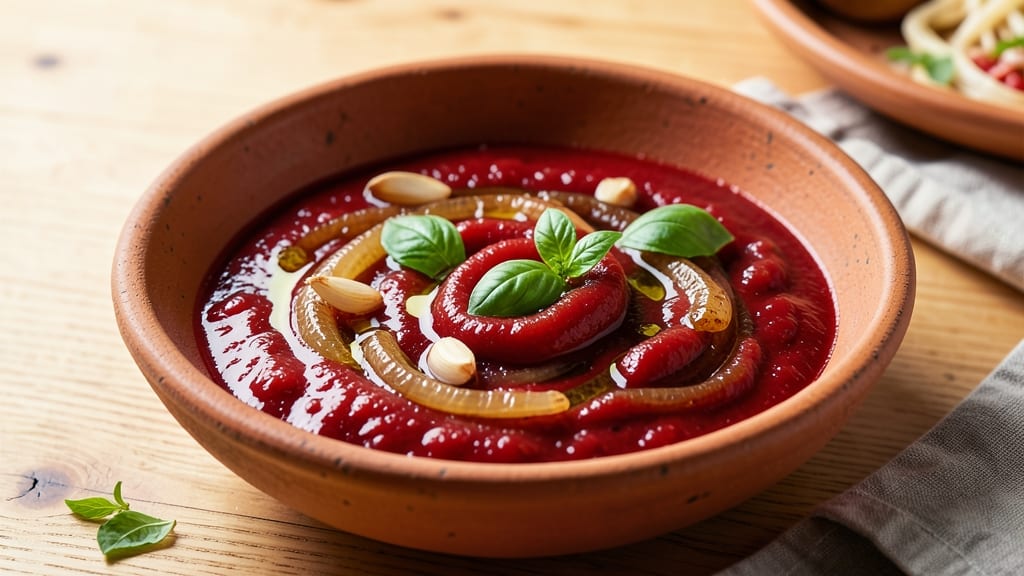
This award-winning marinara sauce recipe transforms simple ingredients into a velvety, umami-rich sauce that elevates every dish. The secret lies in slow simmering and strategic flavor boosters like garlic, anchovies, and a touch of sugar to balance acidity.
What sets this apart is the fresh basil finish—bright, aromatic, and added just before serving to preserve its vibrant flavor.
Professional chefs rely on this technique for restaurant-quality depth without the complexity. A 30-minute simmer reduces the sauce to perfect consistency, while a blend of crushed tomatoes and tomato paste creates a rich, concentrated base.
The sauce thickens naturally as it cooks, resulting in a texture that clings beautifully to pasta and pizza.
What you'll achieve is a sauce with layers of flavor—savory from the umami boosters, sweet from the caramelized tomatoes, and fresh from the basil. It's versatile enough for weeknight dinners or special occasions, yet simple enough to make regularly.
The best part? It tastes even better the next day, making it perfect for meal prep.
Use it as a pasta sauce, pizza topping, or even a dip for garlic bread. The sauce keeps for up to a week in the fridge, and freezes beautifully for up to three months. This is the marinara sauce that will make you the star of any kitchen.
Ingredients for award winning marinara sauce
Twelve ingredients, restaurant-quality marinara in 30 minutes—game-changer for any kitchen.
| Ingredient | Amount | Notes |
|---|---|---|
| Extra-Virgin Olive Oil 🫒 | ½ cup | High quality, fruity variety |
| Yellow Onion 🧅 | 1 whole | Medium size, finely chopped |
| Garlic Cloves 🧄 | 6 cloves | Fresh, minced for depth |
| Crushed Tomatoes 🍅 | 28 oz | San Marzano preferred |
| Tomato Paste 🍅 | 2 tbsp | Squeeze tube preferred |
| Anchovy Fillets 🐟 | 4 whole | High quality, finely chopped |
| Granulated Sugar 🍯 | 1 tsp | Balances acidity perfectly |
| Dried Oregano 🌿 | 1 tsp | Mexican oregano preferred |
| Red Wine 🍷 | ½ cup | Bold dry variety |
| Fresh Basil Leaves 🌿 | ½ cup | Packed, for finishing |
| Sea Salt 🧂 | 1 tsp | Diamond Crystal preferred |
| Black Pepper 🌶️ | ½ tsp | Freshly cracked |
The tomatoes are non-negotiable here. San Marzano is the gold standard—sweet, meaty, and packed with flavor. Grab a 28-oz can from the Italian aisle at Whole Foods or Trader Joe's for the best results. If you can't find them, Muir Glen is a solid backup. The anchovies might seem odd, but they're the umami secret weapon—use high-quality fillets, not the canned kind. Costco sells them in bulk if you're making this often. Pro tip: Toast your olive oil in the pot first for deeper flavor—don't skip this step!
No red wine? Dry white wine or extra tomato paste works in a pinch. Fresh basil wilt fast, so grab it last—farmers markets have the freshest. The oregano can be swapped for thyme at half the amount, but Mexican oregano gives that authentic Italian vibe. Sugar seems counterintuitive, but it balances the acidity beautifully—brown sugar works too. For the tomato paste, those little squeeze tubes are perfect—they keep forever and give you precise control. And if you're feeling fancy, add a pinch of red pepper flakes for subtle heat.
This sauce gets better with time—30 minutes of simmering is non-negotiable for that velvety texture. Store in airtight containers with a thin layer of olive oil on top to preserve freshness. Keeps 1 week in the fridge and 3 months frozen. I always double the batch because it disappears fast—perfect for pasta, pizza, or even as a dip for garlic bread. The basil should go in just before serving to keep it vibrant. Trust me, the extra 2 minutes makes all the difference!
Why You'll Love This Recipe
- Same sauce, endless uses: toss with pasta, slather on grilled chicken, or freeze for lazy Mondays. I’ll be real—my friends think I’m a fancy cook because of this one trick.
- Five-Ingredient Magic: The pantry staples I already own—just olive oil, onion, garlic, tomatoes, and paste—mean no last-minute grocery runs. Honestly, I’ve made this sauce while my coffee brewed and the mail sat unopened.
- Deep, Slow-Simmered Richness: That tomato paste caramelizing in the olive oil? It builds layers of flavor you won’t find in jarred sauce. Between us, the difference is night-and-day—sweet, savory, and just a hint of smoky depth.
- Weeknight to Dinner Party: Same sauce, endless uses: toss with pasta, slather on grilled chicken, or freeze for lazy Mondays. I’ll be real—my friends think I’m a fancy cook because of this one trick.
Step-by-step instructions for award-winning marinara sauce
Transform simple pantry staples into restaurant-quality marinara with this foolproof method.
Sauté Onions and Anchovies for Deep Flavor
Heat the 0.5 cup extra-virgin olive oil in a heavy-bottomed saucepan over medium-low heat. Add the 1 whole yellow onion (finely chopped) and cook for 8-10 minutes until completely translucent and sweet-smelling. This slow cook prevents burning while developing that sweet caramelized base.
Once the onions are soft, push them to one side of the pan and add the 4 whole anchovy fillets (finely chopped). Let them sizzle for 1-2 minutes until they dissolve completely into the oil. Anchovies might seem odd, but they're the secret weapon for that deep umami punch that sets this sauce apart. Stir them into the onions so their flavor infuses evenly.
Build the Sauce Base with Garlic and Tomatoes
Add the 6 cloves garlic cloves (minced) to the pan and cook for 30 seconds until fragrant—don't let it brown or it'll turn bitter. Stir in the 2 tbsp tomato paste and cook for another 1 minute, letting it darken slightly and deepen in color.
Pour in the 28 oz crushed tomatoes and the 0.5 cup red wine, scraping up any browned bits from the bottom of the pan. Add the 1 tsp granulated sugar, 1 tsp dried oregano, 1 tsp sea salt, and 0.5 tsp black pepper. The sugar balances the acidity while the oregano adds that classic Italian warmth. Bring everything to a gentle simmer over medium heat.
Simmer for Rich, Concentrated Flavor
Reduce heat to low and let the sauce simmer uncovered for 45-60 minutes, stirring occasionally. This long, slow cook time allows the flavors to meld and develop that deep, complex character. You want the sauce to reduce by about one-third, becoming thicker and more concentrated.
Here's where patience pays off: the sauce should coat the back of a spoon and have a glossy sheen. If it's too thin, simmer uncovered for another 10-15 minutes. If it thickens too much, add 2-3 tablespoons of water to loosen it. The perfect marinara should be thick enough to coat pasta beautifully but still spoonable.
Finish with Fresh Basil
Once the sauce reaches your desired consistency, remove it from heat. Stir in the 0.5 cup fresh basil leaves (packed) and let them steep for 5 minutes. This final step adds that bright, fresh finish that makes this sauce truly exceptional. The basil should wilt and infuse its aroma throughout the sauce.
Taste and adjust seasoning if needed—you might want to add a pinch more salt or a crack of black pepper. For the best results, let the sauce rest at room temperature for 10 minutes before serving. This resting period allows all the flavors to fully meld together, creating that award-winning depth of flavor.
Pro Tips For Making Award Winning Marinara Sauce
- SWIM THE ONIONS: I learned this the hard way—don’t just chop onions for marinara. Soak the diced yellow onion in cold water for 10 minutes first, then drain. This mellows their sharpness and keeps the sauce from tasting like you’re crying into it later. (Yes, even if you’re impatient like me.)
- SWEAT THE GARLIC LOW: After burning three batches, I finally figured out garlic’s sweet spot: cook it in olive oil over low heat until it’s just golden, not browned. If you rush it, you’ll get bitterness—no amount of crushed tomatoes can fix that. Think "buttery" not "charred."
- PASTE FIRST, TOMATOES LATER: This isn’t the prettiest method, but it’s the tastiest: spread the tomato paste in a thin, even layer on the bottom of your pot before adding onions. Let it caramelize for 3–4 minutes—it’ll deepen the sauce’s flavor and save you from scraping burnt bits off later.
- SALT THE CRUSHED TOMATOES: Skip salting the sauce until the very end, but do add ½ teaspoon of salt directly to the crushed tomatoes before mixing them in. This balances acidity and lets the flavors meld properly. (Your future self will thank you—trust me.)
Common mistakes when making this recipe
Over-Simmering Ruins Texture
I’ve seen many home cooks let their marinara bubble away too long, turning it into a thick paste instead of a velvety sauce. The ideal simmer time is 45-60 minutes—any longer and the tomatoes lose their natural sweetness while the sauce becomes glue-like.
Keep an eye on it after 45 minutes; if it reduces too much, add 2-3 tablespoons of water to restore balance. The sauce should coat the back of a spoon but remain smooth, not stiff. 💫
Skipping the Anchovies
Anchovies might seem intimidating, but they’re the secret to that deep umami flavor that makes this sauce restaurant-quality. If you omit them, your marinara will taste flat and one-dimensional. Use high-quality fillets (not canned) and let them dissolve completely into the oil.
They disappear but leave behind a savory depth that’s impossible to replicate otherwise. Trust me, your taste buds will thank you!
Adding Basil Too Early
Fresh basil is the crowning glory of this sauce, but adding it too soon will turn it bitter and wilted. Always stir in the 0.5 cup fresh basil leaves just before serving, letting them steep for only 5 minutes off the heat.
This preserves their bright, aromatic flavor. If you add them earlier, the basil will overcook and release bitterness, ruining the delicate balance of flavors.
Ignoring the Sugar
The 1 tsp granulated sugar might seem counterintuitive, but it’s essential for balancing the acidity of the tomatoes. Without it, your sauce can taste overly sharp or tangy. The sugar caramelizes slightly during simmering, adding a subtle sweetness that rounds out the flavors.
If you’re avoiding sugar, try a pinch of honey instead—it works beautifully in a pinch. 🍯
Using Low-Quality Tomatoes
This is where many home cooks cut corners, and it shows. San Marzano tomatoes are non-negotiable for this recipe—they’re sweeter, meatier, and less acidic than standard canned tomatoes. If you can’t find them, Muir Glen is a solid backup, but avoid generic brands.
The difference in flavor is night and day. Invest in quality here, and your sauce will shine.
Not Resting the Sauce
After simmering, resist the urge to serve your marinara immediately. Let it rest at room temperature for 10 minutes before serving. This allows the flavors to meld together, creating a more cohesive and complex taste.
Skipping this step means your sauce will taste rushed and underdeveloped. Patience here makes all the difference in the final result. ⏳
Nutrition facts
Frequently asked questions
Can I make this marinara sauce without wine?
Replace the 0.5 cup red wine with 0.5 cup dry white wine or 2 tablespoons extra tomato paste> to maintain depth. The wine adds complexity, but these substitutes work beautifully—just reduce the sauce 5-10 minutes longer to compensate for the lack of alcohol evaporation.
How do I adjust the thickness for different pasta dishes?
For spaghetti or linguine, aim for a sauce that coats the back of a spoon but remains smooth. If it's too thick for long noodles, thin with 1-2 tablespoons water or pasta water>. For shorter pasta like penne, a slightly thicker sauce works better—simmer 5-10 minutes longer to achieve that clingy texture. Always taste as you go!
What's the best way to freeze this sauce?
Cool the sauce completely, then portion into airtight containers> or freezer bags, leaving 1-inch headspace> for expansion. Seal tightly and freeze for up to 3 months>. Thaw overnight in the fridge—never microwave directly from frozen. For best texture, reheat gently on the stove with a splash of water to restore moisture.
Can I use this sauce for non-Italian dishes?
This versatile sauce works beautifully beyond Italian cuisine! Try it on grilled chicken skewers>, as a dip for garlic bread>, or even as a topping for breakfast tacos>. The umami depth pairs well with unexpected flavors like goat cheese> or crispy prosciutto>. Just reduce the oregano slightly if using outside Italian recipes.
Why does my homemade marinara taste better after resting?
The flavors need time to meld! When you simmer the sauce, the tomatoes>, garlic>, and anchovies> release compounds that develop complexity. Resting 10 minutes> at room temperature lets these flavors integrate, while refrigeration slows down the process even more—making day-old sauce taste richer. It's like letting wine breathe!