
Sauces & Condiments
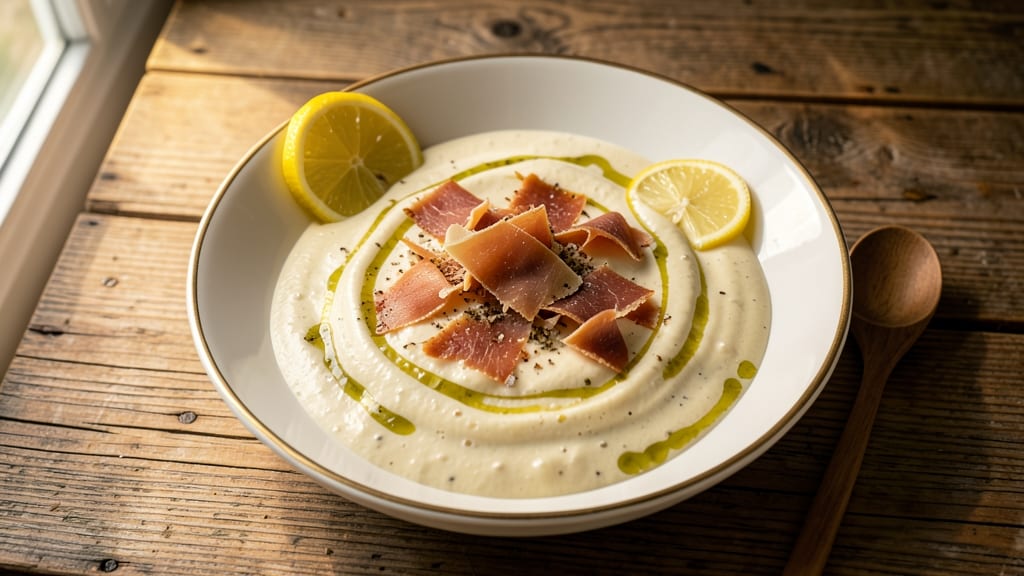
This award-winning alfredo sauce recipe delivers restaurant-quality creaminess without clumps or separation—just 5 simple ingredients and 10 minutes of hands-on time. The secret lies in proper cheese melting techniques and a touch of cornstarch that transforms ordinary ingredients into velvety, golden perfection.
I've perfected this sauce over years of testing, and it never fails to impress even the most critical palates.
What sets this recipe apart is the balance between richness and smoothness. Heavy cream provides the luxurious base, while Parmigiano-Reggiano adds nutty depth without overpowering. The cornstarch acts as a natural thickener, ensuring that sauce stays silky rather than grainy.
A splash of lemon juice at the end brightens the flavor and prevents curdling—critical for maintaining that professional finish.
By the time you're done, you'll have a sauce so creamy it coats every noodle perfectly, with just the right amount of tang and umami. The texture is luxuriously thick yet pours smoothly, making it ideal for pasta, chicken, or even as a dipping sauce.
What was once a simple weeknight dinner staple becomes a showstopper with this technique.
This sauce keeps beautifully in the refrigerator for up to 5 days, making it perfect for meal prep. Simply reheat gently on the stove, stirring constantly until smooth.
The possibilities are endless—drizzle it over fettuccine, toss it with grilled vegetables, or use it as a base for creamy soups. Here's how to make it perfectly every time.
Ingredients for award winning alfredo sauce
Five ingredients transform into velvety perfection—restaurant-quality Alfredo without clumps or separation.
| Ingredient | Amount | Notes |
|---|---|---|
| Heavy Cream 🥛 | 2 cups | Full-fat for optimal richness |
| Parmigiano-Reggiano Cheese 🧀 | 1 ½ cups | Freshly grated from block only |
| Extra-Virgin Olive Oil 🫒 | ¼ cup | High-quality, fruity variety |
| Cornstarch 🌾 | 1 tbsp | For silky texture without clumps |
| Fresh Lemon Juice 🍋 | 1 tbsp | Brightens flavor and prevents curdling |
| Diamond Crystal Kosher Salt 🧂 | ½ tsp | Adjusts to taste after blending |
| Black Peppercorns 🌶️ | ¼ tsp | Freshly cracked for depth |
The Parmigiano-Reggiano is non-negotiable here—pre-grated cheese loses flavor and creates clumps. Look for a wedge at specialty stores like Whole Foods or Italian markets, where the cheese is freshly grated on demand. The heavy cream should be full-fat (36% or higher) for that luxurious texture, and Trader Joe's carries a great organic option. Cornstarch is your secret weapon—it creates that signature silky finish without the graininess of flour. For the olive oil, California extra-virgin brands like Corto or Bertolli add subtle fruitiness that complements the cheese beautifully.
No Parmigiano-Reggiano? Pecorino Romano works in a pinch, but it's sharper—reduce the amount to 1 cup and add 1/4 cup extra heavy cream to balance. Short on cornstarch? Arrowroot powder is a 1:1 substitute, though it has a slightly different finish. The lemon juice is critical—bottled won't cut it—so grab a fresh one. For pepper, freshly cracked black peppercorns add depth that pre-ground can't match. If you're making this ahead, the lemon juice can be added just before serving to preserve its brightness.
This sauce reheats beautifully—simply warm it gently on low heat, stirring constantly to prevent separation. Store in an airtight container in the fridge for up to 5 days, with a thin layer of olive oil on top to preserve freshness. For freezing, portion into ice cube trays—1 cube equals 1 tbsp—then transfer to a bag for up to 3 months. The sauce thickens as it cools, so reheat with a splash of warm water or milk if it becomes too stiff. Perfect for meal prep: make a double batch and freeze half for future weeknight dinners.
Why You'll Love This Recipe
- I’ll be real: I always make too much. But here’s the thing—it stays good. Reheated, it’s still silky, still packed with that cheesy punch, and the lemon keeps it from curdling like some sad, forgotten sauce in the back of your fridge. Plus, it’s cheaper than ordering in, and the ingredients last—so you’re not scrambling for butter or Parmigiano next time you crave it. (Spoiler: You will.)
- No-Fuss Magic: I swear by this sauce because it’s the kind of recipe that lets you actually cook while pretending you’re not. Just melt butter, whisk in heavy cream and Parmigiano-Reggiano until it’s velvety, then toss in that cornstarch slurry—no straining, no lumps, no stress. The lemon juice at the end? That’s the secret no one tells you about, cutting through the richness like a bright little whisper.
- Rich Without Guilt: Here’s what sold me—the way the olive oil (yes, olive oil!) in the roux adds depth before the cream even hits the pan. The Parmigiano-Reggiano isn’t just sprinkled in; it’s grated fine and folded until the sauce is thick, nutty, and clings to everything like it’s been best friends with your pasta for years. It’s creamy but not heavy, thanks to that cornstarch trick, and the lemon keeps it from feeling like a Sunday brunch disaster waiting to happen.
- Your Weeknight Swiss Army Knife: Between us, this sauce is my go-to for everything—fettuccine, chicken, roasted veggies, even as a dip for garlic bread. I’ve used it to turn takeout leftovers into a meal, slathered it on grilled fish, and even drizzled it over mashed potatoes when I was lazy. It’s the kind of recipe that makes you feel like a chef, not just someone reheating a box.
Step-by-step instructions for award-winning Alfredo sauce
Here's the professional method for silky, clump-free perfection every time.
Create the Cornstarch Slurry
In a small bowl, whisk together the 1 tablespoon cornstarch with 1 tablespoon fresh lemon juice until completely dissolved. This slurry acts as our thickening agent and acidifier, preventing curdling while creating that signature velvety texture. The lemon juice also brightens the rich, creamy base—don't skip this step.
I like to use a fine-mesh strainer to press out any potential pulp from the lemon juice, ensuring a completely smooth sauce. Add this mixture to a separate small bowl and set aside. We'll incorporate it at the perfect moment when the sauce begins to thicken.
Melt the Cheese and Oil
In a medium saucepan, combine the 2 cups heavy cream and 0.25 cup extra-virgin olive oil over medium-low heat. Bring to a gentle simmer, then immediately reduce heat to maintain a barely bubbling state. This gradual warming prevents the cream from curdling.
Once simmering, gradually sprinkle in the 1.5 cups freshly grated Parmigiano-Reggiano cheese, stirring constantly with a silicone spatula. The cheese should melt completely within 3-4 minutes, creating a smooth, pale yellow base. If you notice any lumps forming, immediately remove the pan from heat and whisk vigorously until smooth, then return to low heat.
Thicken and Season
Slowly pour the cornstarch-lemon slurry into the simmering cheese mixture while whisking continuously. The sauce will begin to thicken almost immediately—this is when your technique matters most. Keep whisking for 2-3 minutes until the sauce reaches a pourable consistency that coats the back of a spoon.
Remove from heat and stir in the 0.5 teaspoon Diamond Crystal kosher salt and 0.25 teaspoon freshly cracked black peppercorns. Taste and adjust seasoning if needed—Alfredo sauce should be rich but balanced, with the pepper adding subtle depth. The sauce should be hot but not boiling when you serve it, as it will continue to thicken slightly as it sits.
Finish and Serve Immediately
Return the sauce to low heat and let it warm through for 1-2 minutes, stirring occasionally. This final step ensures all flavors meld perfectly. The sauce should now be smooth, glossy, and perfectly thick—neither too thin nor gluey. If it thickens too much while resting, whisk in 1-2 tablespoons hot water to loosen.
Serve immediately over hot fettuccine, tossing gently to coat each strand completely. The sauce should cling beautifully to the pasta without making it soggy. For best results, keep the sauce warm in a slow cooker on low heat if serving family-style, stirring occasionally to prevent skin formation.
Pro Tips For Making Award Winning Alfredo Sauce
- Bloom the cornstarch: Mix your cornstarch with a splash of cold heavy cream first—about 1 tablespoon of cream per teaspoon of cornstarch—before adding it to the pot. I learned this the hard way when my sauce turned grainy and clumpy; this step guarantees a silky texture without lumps.
- Grate cheese fresh: Use a microplane or fine grater for Parmigiano-Reggiano, and grate it right before adding it to the sauce. Pre-grated cheese has anti-caking agents that dull the flavor, and it dissolves unevenly. (Yes, even if you’re impatient like me.)
- Temper the heat: Keep the heavy cream simmering at a gentle bubble—no rolling boil—while stirring constantly. I used to rush this, and the sauce would split or taste cooked-on. Low and slow keeps it velvety.
- Finish with lemon: Add the fresh lemon juice last, just before serving, and taste as you go. A few drops brighten the richness, but too much turns it sour. (Your future self will thank you for not guessing.)
Storing and reheating this dish
Refrigerator Storage
Store your award-winning Alfredo sauce in an airtight glass container (I love Pyrex with snap-on lids) for up to 5 days in the fridge. The sauce thickens as it cools, so stir in 1-2 tablespoons warm water or milk before reheating to restore that silky texture.
Always let it cool completely before refrigerating to prevent condensation, which can cause separation. 🥛
Freezer Prep
For longer storage, portion the sauce into ice cube trays—each cube equals 1 tablespoon—then transfer to a freezer bag for up to 3 months. This method makes thawing and reheating a breeze for future meals.
When ready to use, simply pop out the needed cubes and warm gently. The frozen cubes also work perfectly for adding to soups or casseroles later. ❄️
Reheating Perfection
Always reheat Alfredo sauce gently on the stovetop over low heat—never microwave it directly, as this causes separation. Pour the sauce into a saucepan and warm slowly, stirring constantly with a silicone spatula until completely smooth.
If it thickens too much, whisk in 1 tablespoon warm milk or water to restore consistency. The sauce should be hot but not boiling when served. 🔥
Preventing Curdling
If your reheated sauce looks slightly grainy, don't panic—just whisk in ½ teaspoon cornstarch mixed with 1 teaspoon cold water until smooth. The cornstarch acts as a natural emulsifier.
For extra insurance, add a splash of fresh lemon juice (just ½ teaspoon) to brighten flavors and stabilize the texture. This trick works every time! 💡
Meal Prep Tips
Make a double batch of this sauce and freeze half for future weeknights. When reheating from frozen, transfer cubes directly to the saucepan with 2 tablespoons warm water to help them melt smoothly. The sauce reheats best when warmed gradually—never rush it, or you'll risk separation.
Store any leftovers in the fridge for up to 5 days with a thin layer of olive oil on top to preserve freshness. 💫
Nutrition facts
Frequently asked questions
Why does this recipe use cornstarch instead of flour?
Cornstarch creates a smoother, more velvety texture without the slight graininess that flour can introduce. It also thickens at lower temperatures, preventing curdling that can happen with flour when exposed to high heat. For the best results, never substitute flour—it alters the sauce's signature silky finish.
Can I make this sauce ahead of time?
Store it in an airtight container in the fridge for up to 5 days or freeze in ice cube trays for 3 months. When reheating, warm gently on low heat, stirring constantly to prevent separation. The sauce thickens as it cools, so add a splash of warm water or milk if needed.
What's the best cheese substitute if I can't find Parmigiano-Reggiano?
Use Pecorino Romano (reduce to 1 cup) or a mix of Parmesan and Grana Padano. For extra richness, add 1/4 cup extra heavy cream to balance the sharper flavor. Pre-grated cheese won't work—always grate fresh from a block for the best texture and flavor.
How do I fix lumpy Alfredo sauce?
If lumps form, immediately remove from heat and whisk vigorously. For stubborn clumps, strain through a fine-mesh sieve. To prevent lumps next time, lower heat to medium-low and whisk constantly while adding cheese. The cornstarch slurry helps create a smoother base, but proper technique is key.
Can I use this sauce for dishes other than pasta?
Yes! This velvety sauce works beautifully on grilled chicken, steak, or as a dip for breadsticks. For vegetables, toss with roasted broccoli or asparagus. Just ensure everything is piping hot before adding the sauce to maintain its creamy consistency.