
Sauces & Condiments
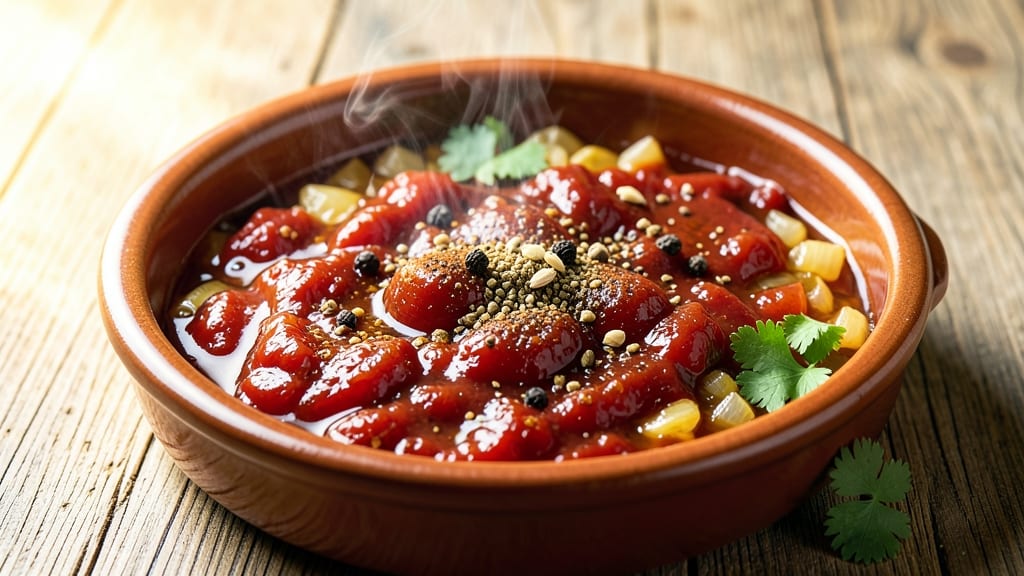
This Arabic tomato sauce recipe transforms simple ingredients into a fragrant, chunky base that elevates everything from grilled meats to fresh bread. The secret lies in slow-simmered tomatoes, aromatic spices like cumin and allspice, and a touch of harissa for depth—creating a sauce that’s as versatile as it is flavorful.
What starts as a rustic blend of fresh tomatoes and onions becomes a rich, velvety condiment with layers of warmth and brightness.
The beauty of this sauce is its adaptability—use it as a marinade for lamb or chicken, a dip for warm pita, or a bold addition to stews and tagines. I’ve perfected a method that preserves the tomatoes’ natural sweetness while developing complex flavors through gentle simmering.
No blender required; the chunky texture adds satisfying bite to every spoonful, making it perfect for both quick meals and elaborate dishes.
What sets this sauce apart is the balance of spices: earthy cumin, smoky paprika, and a hint of harissa create a profile that’s both familiar and exciting.
The sauce thickens naturally as it simmers, but you can easily adjust the consistency with a splash of water or a stir of olive oil. Each batch carries the essence of the Levant—bright, spiced, and impossibly comforting.
Once you taste this sauce, you’ll find endless ways to use it—drizzled over grilled vegetables, stirred into rice dishes, or served alongside meze as a dip. The recipe yields enough for multiple uses, so make a double batch and store it in the fridge for up to a week.
Here’s how to craft this essential Arabic pantry staple.
Ingredients for arabic tomato sauce
Simple ingredients, bold flavors—this sauce delivers the essence of the Levant in every spoonful.
| Ingredient | Amount | Notes |
|---|---|---|
| Fresh Tomatoes 🍅 | 4 lbs | Ripe, vine-ripened preferred |
| Yellow Onions 🧅 | 2 whole | Medium size, diced |
| Garlic Cloves 🧄 | 6 cloves | Peeled, minced |
| Ground Cumin 🌿 | 1 ½ tbsp | Freshly toasted preferred |
| Smoked Paprika 🌶️ | 1 tbsp | For smoky depth |
| Allspice Berries 🌿 | ½ tsp | Crushed lightly |
| Harissa Paste 🔥 | 1 tbsp | Adjust for heat preference |
| Extra-Virgin Olive Oil 🫒 | ½ cup | High quality, fruity |
| Salt 🧂 | 1 ½ tsp | Diamond Crystal preferred |
| Black Pepper 🌶️ | ½ tsp | Freshly ground |
The tomatoes are the heart of this sauce, so pick the ripest, juiciest ones you can find. Farmers markets often have the best selection, but grocery store vine-ripened tomatoes work too. Look for deep red color and slight softness—they should yield gently to pressure. San Marzano tomatoes are ideal if you want to splurge, but any beefsteak or Roma variety will do. The onions should be sweet, not bitter, and the garlic cloves should smell pungent. Toast the cumin seeds in a dry pan for 30 seconds before grinding to deepen their flavor—trust me on this. Harissa paste varies in heat, so taste before adding the full amount. For the olive oil, avoid light or refined varieties—you want something peppery and robust to stand up to the spices.
No harissa paste? Mix 1 tsp cayenne with 1 tsp smoked paprika for a quick substitute. Swap onions for shallots if you prefer a milder, sweeter flavor. Running short on tomatoes? Canned San Marzano tomatoes work perfectly—just drain them well. Want to reduce the acidity? Add a pinch of sugar or a splash of apple cider vinegar. The sauce thickens as it simmers, but if it gets too thick, a splash of water or extra olive oil will bring it back to balance. For extra richness, stir in a spoonful of tahini at the end—it adds a nutty depth that pairs beautifully with the spices.
This sauce tastes even better the next day as the flavors meld. Store it in an airtight container in the fridge for up to 1 week, or freeze for 3 months in portion-sized containers. The chunky texture makes it perfect for drizzling over grilled meats or dipping with warm pita. For a restaurant-quality touch, finish with a sprinkle of toasted pine nuts or fresh parsley before serving. Double the batch—you'll want leftovers for sandwiches, bowls, and more meze pairings.
Why You'll Love This Recipe
- No-Chop Night: I swear by this sauce—just halve the tomatoes and toss them in whole with the onions. The onions caramelize while you’re stirring, and the garlic? It softens into sweet, golden bits without burning. Honestly, I’ve made it after a long day when I didn’t even want to peel garlic properly.
- Smoky Depth Magic: That smoked paprika and cumin? They turn this into something far more interesting than basic tomato sauce. The paprika lingers like a campfire, while the cumin adds this earthy warmth that makes it taste like a hug from a spice market. Between us, it’s the kind of flavor that makes people ask, “What’s in this?”
- Sauce for Everything: Slather it on grilled chicken, spoon it over rice, or use it as a dip for crusty bread. I’ve even frozen batches to toss into soups later—it’s my go-to for lazy weeknights or when unexpected guests show up. (Yes, even on a Tuesday night.)
- Budget Pantry Hero: Fresh tomatoes are cheap in season, and the rest of the ingredients? You’re probably already using them. A single batch stretches to feed four or becomes three meals if you portion it right. My wallet thanks me every time, and so does my freezer.
Step-by-step instructions for Arabic tomato sauce
This method delivers a rich, aromatic sauce with perfect balance between sweet tomatoes and bold spices.
Prepare the Base Ingredients
Begin by washing the 4 lbs fresh tomatoes thoroughly and cutting them into large chunks, leaving the skins on for texture. Peel the 2 whole yellow onions and dice them into even ½-inch pieces. Mince the 6 cloves garlic cloves finely—you want them almost paste-like for maximum flavor infusion.
In a small bowl, combine the 1.5 tbsp ground cumin, 1 tbsp smoked paprika, 0.5 tsp crushed allspice berries, and 1 tbsp harissa paste. Mix well to distribute the spices evenly. This blend forms the aromatic foundation of the sauce, so don't skip the crushing of allspice berries—it releases their essential oils for deeper flavor.
Sauté the Aromatics
Heat the 0.5 cup extra-virgin olive oil in a large, heavy-bottomed pot over medium heat. Add the diced onions and cook for 5-6 minutes until they soften and begin to turn translucent. This step develops their natural sweetness before they caramelize.
Add the minced garlic and sauté for 30 seconds until fragrant—don't let it brown or it will become bitter. Immediately stir in the spice blend and cook for another 1 minute to toast the spices gently. This quick toasting enhances their aromatic qualities without burning them. You'll notice the kitchen filling with warm, earthy aromas—this is your reward for proper technique.
Simmer the Tomatoes
Add the tomato chunks to the pot along with 1.5 tsp salt and 0.5 tsp black pepper. Stir well to combine all ingredients. Bring the mixture to a gentle boil over medium-high heat, then immediately reduce the heat to low and let it simmer uncovered for 45-50 minutes.
During this time, stir occasionally to prevent sticking and ensure even cooking. The sauce should reduce until it thickens noticeably and the tomatoes break down into a chunky consistency. You're aiming for a balance between thick and chunky—it should coat the back of a spoon but still retain visible tomato pieces. Taste occasionally and adjust seasoning if needed, adding a pinch more salt if the tomatoes were particularly watery.
Finish and Adjust
Once the sauce has thickened and the tomatoes are tender but still hold their shape, remove the pot from heat. Use an immersion blender to partially blend the sauce if you prefer a smoother texture, or leave it chunky for traditional meze presentation. The sauce should be vibrant red with visible tomato pieces and a rich, aromatic steam rising from it.
Let the sauce cool slightly before serving, as it will continue to thicken as it stands. This resting period allows the flavors to meld completely. The finished sauce should have a perfect balance of sweet tomato, smoky paprika, and subtle heat from the harissa. Serve warm with grilled meats, flatbread, or as a dip for fresh vegetables.
Pro Tips For Making Arabic Tomato Sauce
- Sear the Onions First: Don’t just chop and toss—get that onion in a cold, dry pan and let it sit for 30 seconds before turning the heat to medium. The caramelization starts slow, but it builds deeper flavor. I used to rush this, and the sauce always tasted flat until I learned patience pays off here.
- Blister the Tomatoes: Cut the tomatoes in half and place them cut-side down in a dry skillet over medium-high heat for 2-3 minutes. The skin will blister and darken—this concentrates the juice and sweetness. Skip this, and you’ll end up with a watery, diluted sauce.
- Toast the Spices Low: Bloom the cumin and smoked paprika in the oil over low heat for 30 seconds before adding anything else. High heat burns them fast, turning bitter. Low and slow lets their aroma wake up properly—your sauce will smell like a spice shop, not a smoky disaster.
- Strain for Smoothness: After simmering, pour the sauce through a fine-mesh sieve or cheesecloth to remove skins and seeds. It takes 5 extra minutes, but the result is velvety, not chunky. I used to skip it, but the texture difference is night and day—especially when serving over rice or with grilled meats.
Troubleshooting your arabic tomato sauce
Sauce Too Thin?
If your sauce ends up too watery after simmering, don’t panic—this is easily fixed. Simmer uncovered for an extra 10-15 minutes to evaporate excess liquid. For quicker results, stir in 1 tbsp tomato paste or 1 tsp cornstarch mixed with water to thicken.
I’ve found that reducing heat to lowest setting helps concentrate flavors without burning the spices. 🔥
Spices Too Overpowering
If the harissa or cumin flavors dominate, balance them with a touch of sweetness. Add 1 tsp honey or ½ tsp sugar to mellow the heat, or stir in 1 tbsp tahini for nutty depth.
Taste as you go—start with ½ tsp increments to avoid oversweeting. For extra freshness, finish with a squeeze of lemon juice.
Sauce Too Thick?
Thick sauce? No problem. Thin it with 1-2 tbsp water or extra-virgin olive oil (about 1 tbsp at a time) while stirring constantly. For a smoother texture, blend briefly with an immersion blender. If the sauce separates, whisk vigorously or simmer gently for 5 minutes to recombine. 💫
Tomatoes Too Acidic
If your tomatoes taste sharp or underripe, balance the acidity with a pinch of sugar or a splash of apple cider vinegar (½ tsp). Simmering longer also helps mellow the acid.
For extra richness, stir in a spoonful of butter or tahini at the end. I’ve found that using San Marzano tomatoes reduces acidity naturally.
Burnt or Bitter Taste
Burnt flavors usually mean the spices or garlic browned. Next time, sauté aromatics over medium-low heat and remove from heat just before they turn golden. If it happens, stir in 1 tbsp fresh lemon juice or 1 tsp honey to mask bitterness.
Always taste as you cook—this sauce rewards attention to detail.
Harissa Substitute Issues
If your homemade harissa substitute (cayenne + paprika) lacks depth, boost it with ½ tsp ground coriander or ¼ tsp cinnamon for warmth. For smokiness, add ½ tsp liquid smoke (just a few drops).
Store-bought harissa varies in heat—start with ½ tbsp and adjust to taste. The key is balance, not intensity.
Nutrition facts
Frequently asked questions
Can I use canned tomatoes instead of fresh?
Yes, canned tomatoes work perfectly—especially San Marzano or crushed varieties. Drain them well first to avoid excess water. For chunky texture, use whole peeled tomatoes instead of crushed. The acidity in canned tomatoes may require ½ tsp sugar or 1 tsp vinegar to balance flavors.
How long will this sauce keep in the fridge?
This sauce stays fresh for up to 1 week when stored in an airtight container. The flavors actually improve as they meld! For longer storage, freeze in portion-sized containers for up to 3 months. Thaw overnight in the fridge before using.
What's the best way to use leftover sauce?
Leftover sauce is perfect for marinades, stew bases, or as a dip! Use it to baste grilled meats, mix into hummus, or drizzle over roasted vegetables. For a quick meal, stir it into rice or lentils. The chunky texture makes it ideal for sandwich spreads too.
Can I make this sauce without harissa?
Replace harissa with 1 tsp cayenne + ½ tsp smoked paprika for heat, or ½ tsp cinnamon + ½ tsp coriander for warmth. For depth, add 1 tsp lemon zest or ½ tsp liquid smoke. The sauce will still be flavorful—just with a different spice profile.
Why does my sauce separate when refrigerated?
This happens when fats (like olive oil) and water separate naturally. Stir vigorously before using, or gently reheat on low heat while stirring constantly. For prevention, don't over-simmer the sauce—aim for 45-50 minutes max. The texture will recombine as it warms.