
Sauces & Condiments
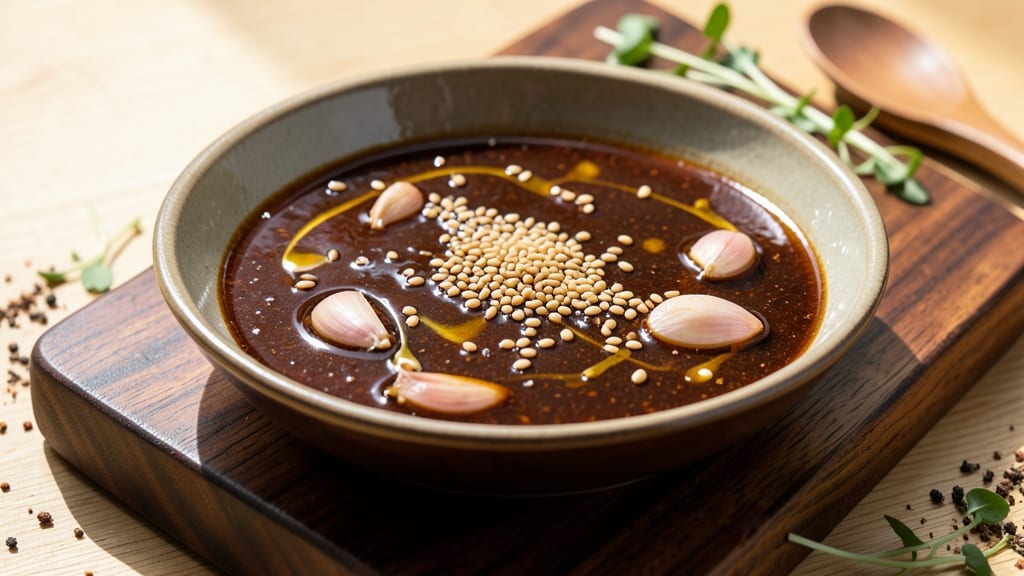
This authentic yakiniku sauce transforms simple grilled meats into restaurant-quality masterpieces with its perfect balance of smoky, garlicky, and umami-rich flavors. 🔥 The secret lies in the slow reduction of soy sauce, mirin, and sugar, creating a glossy glaze that clings beautifully to beef, pork, or chicken—just like in Japan’s best yakiniku spots.
What sets this sauce apart is its smoky depth, achieved through a touch of garlic and optional Worcestershire sauce for extra umami. Unlike store-bought versions, this recipe builds flavor gradually, ensuring a smooth, well-rounded taste that enhances—not overpowers—your protein.
The process is straightforward but requires patience to develop that signature glossy finish.
Once complete, this sauce doubles as a versatile dipping glaze or finishing touch for grilled meats, skewers, or even stir-fries. The ingredients are simple—soy sauce, mirin, sugar, and garlic—but their combination creates a sauce that’s rich, aromatic, and addictively flavorful.
Store it in the fridge for up to 2 weeks, or freeze for longer shelf life.
Perfect for weeknight dinners, special occasions, or meal prep, this yakiniku sauce elevates every bite. The key is letting it reduce slowly, so the flavors meld into a cohesive, velvety glaze that’s impossible to resist. Let’s get cooking!
Ingredients for authentic yakiniku sauce
Eight essential ingredients create this addictive, restaurant-quality yakiniku glaze—simple but packed with smoky depth.
| Ingredient | Amount | Notes |
|---|---|---|
| Kosher Soy Sauce 🥢 | ½ cup | High-quality, low-sodium preferred |
| Mirin 🍶 | ¼ cup | Sweet cooking rice wine |
| Granulated Sugar 🍚 | ¼ cup | Light brown sugar for depth |
| Garlic Cloves 🧄 | 6 cloves | Fresh, minced for smoky punch |
| Sesame Oil 🌰 | 1 tbsp | Toasted, for nutty aroma |
| Worcestershire Sauce 🍶 | 1 tbsp | Optional, for extra umami |
| Red Wine Vinegar 🍷 | 1 tbsp | Brightens the sauce |
| Ginger Root 🌿 | 1 tsp | Freshly grated, aromatic |
The soy sauce is the foundation—Kikkoman or Yamasa are my go-tos for that authentic umami punch. Mirin adds sweetness and depth, but avoid the cheap stuff—look for brands like Hirata or Takara in the Asian aisle. Fresh garlic and ginger are non-negotiable; pre-minced jarred versions lack the aromatic power. For sesame oil, Kadoya or La Choy toasted options elevate the nutty aroma. If you can't find mirin, substitute with equal parts white wine and sugar, but the texture won't be identical.
No mirin? Dry sherry plus 1 tsp sugar works in a pinch, though it lacks the same sweetness. Skip the Worcestershire if avoiding umami, but trust me—it’s worth the extra layer of depth. Fresh ginger can be swapped for 1/2 tsp ground ginger, though it’s less vibrant. For a smokier profile, add 1/4 tsp smoked paprika. The red wine vinegar brightens the sauce, but rice vinegar at half the amount is a decent substitute. Toast your sesame oil gently in the pan before adding—don’t skip this step—it unlocks the nutty aroma.
This sauce peaks after 2 weeks in the fridge, so make extra. Store it in a glass jar with a tight seal—the flavors meld beautifully over time. Freeze portions for up to 6 months if you won’t use them all. The glaze thickens as it cools, so reheat gently before using. A splash of water or mirin can thin it out if needed. Trust me, the leftovers are even better—the flavors deepen like magic.
Why You'll Love This Recipe
- Five-Ingredient Magic: I swear by this combo—soy, mirin, sugar, garlic, and sesame oil—because it’s the kind of sauce that turns a simple protein into something ridiculously good. No fancy techniques, just a quick simmer and you’ve got that perfect balance of salty, sweet, and umami that makes every bite sing.
- Garlic Kiss: That raw garlic clove, lightly crushed and simmered in the sauce? It’s the secret weapon. The heat mellows just enough to leave behind a rich, aromatic depth that pairs perfectly with thinly sliced beef or chicken. Honestly, I’ll skip dinner just to taste this sauce on its own—it’s that good.
- Weeknight & Party: This sauce is my go-to for both lazy Tuesdays and weekend gatherings. Double the batch, store it in the fridge, and you’ve got a ready-to-go dipping sauce for anything—grilled skewers, stir-fries, or even as a glaze for roasted veggies. (Yes, even on a Tuesday night.)
- Budget-Friendly Luxury: Mirin and sesame oil might sound fancy, but they stretch far, and a little goes a long way. I’ve made this sauce for four people for under $5, and it never feels cheap. The sugar cuts the acidity from the soy, so you’re not left with that harsh aftertaste—just pure, satisfying flavor without breaking the bank.
Step-by-step instructions for authentic yakiniku sauce
This smoky garlic glaze delivers restaurant-quality depth with every brush—let's build it layer by layer.
🍳 Step 1: Bloom the Aromatics in Sesame Oil
Heat a small saucepan over medium-low heat and add the 1 tablespoon sesame oil. Once shimmering but not smoking, add the 6 minced garlic cloves and 1 teaspoon freshly grated ginger root. Cook for 1-2 minutes until the garlic turns golden and fragrant—this releases their essential oils and forms the aromatic base.
I press down gently on the garlic with a wooden spoon during the first minute to prevent it from burning. The oil should smell nutty and sweet, not bitter. If it starts to darken too quickly, reduce the heat immediately—garlic burns in seconds and ruins the delicate balance we're building.
🥘 Step 2: Combine Wet Ingredients for Balanced Flavor
Increase heat to medium and add the 0.5 cup kosher soy sauce, 0.25 cup mirin, and 0.25 cup granulated sugar. Stir constantly for 3-4 minutes until the sugar dissolves completely and the mixture thickens slightly. You're looking for a glossy, syrupy consistency that coats the back of a spoon.
The mirin adds sweetness and depth while preventing the sauce from becoming too salty. If you notice any graininess, keep stirring—this is where the sugar needs to fully integrate. This step creates the perfect balance between the salty soy and sweet mirin that defines authentic yakiniku flavor.
🔥 Step 3: Build Umami with Acid and Depth
Add the 1 tablespoon Worcestershire sauce and 1 tablespoon red wine vinegar. Bring the mixture to a gentle simmer over medium heat and cook for 5-6 minutes, stirring occasionally. The sauce should reduce slightly, becoming thicker and more concentrated.
The Worcestershire adds that essential umami punch while the vinegar brightens the flavors and cuts through the richness. You'll notice the aroma intensify as the sauce reduces—this is when the true depth of flavor develops. If the sauce starts to darken too much, reduce the heat to maintain that beautiful caramel hue we want.
⏰ Step 4: Finish and Rest for Maximum Flavor
Remove from heat and let the sauce cool completely to room temperature. This resting period allows all the flavors to meld together perfectly. Once cooled, taste and adjust seasoning if needed—you might want to add a touch more soy sauce for saltiness or a splash of water to thin it slightly.
For best results, store the sauce in an airtight container in the refrigerator for at least 4 hours (or overnight) before using. This resting time transforms the sauce from good to extraordinary, allowing the flavors to develop and deepen. When ready to use, gently reheat over low heat until warmed through—never boil, as this can destroy the delicate balance we've created.
Pro Tips For Making Authentic Yakiniku Sauce
- Simmer Garlic Low: After mincing the garlic, cook it in sesame oil on low heat until fragrant but not browned—just golden around the edges. I learned this the hard way: burned garlic turns bitter and ruins the sauce’s delicate balance. Keep the heat gentle, or you’ll end up with a bitter punch instead of sweet, mellow depth.
- Balance Sugar First: Dissolve the granulated sugar in the mirin before adding soy sauce—this prevents grainy clumps and ensures smooth blending. I used to toss sugar in last and ended up with a gritty mess. A quick 30-second stir with warm mirin does the trick.
- Reduce Soy Sauce Gently: Simmer the soy-mirin mixture on medium-low until it thickens to a glossy coat, not a sticky glaze. High heat concentrates flavors too fast, leaving it harsh. Watch it like a hawk—you want it syrupy but still pourable, not a paste.
- Toast Sesame Oil Last: Stir in the sesame oil off the heat right before serving—it’s more aromatic and less likely to scorch. I was adding it early for "even distribution," but it lost its nutty punch. A final splash keeps it vibrant and fresh.
Regional styles of authentic yakiniku sauce
Japanese Yakiniku Style
The classic yakiniku sauce from Japan’s izakayas balances soy sauce, mirin, and sugar in a glossy glaze that clings beautifully to grilled meats. Traditional versions skip Worcestershire but use sake or dashi for depth.
For authenticity, simmer the sauce in a donabe (clay pot) over low heat to develop its signature caramelized aroma. 🍶
In Tokyo, yakiniku sauce is often served with thinly sliced beef or pork, brushed on while grilling. The key is patience—let the sauce reduce until it coats the back of a spoon. For extra authenticity, finish with a sprinkle of toasted sesame seeds right before serving.
Korean Buldak Twist
Korean buldak sauce (used for grilled meats) shares yakiniku’s foundation but adds gochujang (Korean chili paste) for heat and sweetness. Swap mirin for sweet rice wine (miryangju) and add 1 tbsp gochujang to this recipe.
The result is a spicy-sweet glaze perfect for galbi (marinated beef) or samgyeopsal (pork belly).
For a smokier profile, add 1 tsp toasted sesame oil and ½ tsp smoked paprika during the final reduction. Serve with kimchi on the side to balance the richness. This fusion style is popular in Korean-Japanese fusion restaurants like Lotus Garden in LA.
Chinese Char Siu Glaze
Chinese char siu (BBQ pork) sauce uses a similar base but incorporates honey or rock sugar instead of mirin. Replace the sugar in this recipe with ¼ cup honey and add 1 tsp five-spice powder for warmth.
The result is a sticky, aromatic glaze ideal for roasted pork belly or skewers.
For extra depth, add 1 tbsp Shaoxing wine during the reduction. This version pairs beautifully with steamed buns (bao) or stir-fried greens. The Chinese approach leans sweeter but maintains the umami backbone of yakiniku sauce.
Modern Fusion Adaptations
For a smoky BBQ twist, add 1 tbsp molasses and ½ tsp liquid smoke to the base. This works surprisingly well with grilled chicken or shrimp skewers. The molasses adds depth while the liquid smoke mimics traditional yakiniku’s smoky aroma from charcoal grills.
Vegetarian versions replace soy sauce with tamari or coconut aminos and add 1 tbsp maple syrup for sweetness. Use this glaze on tofu, mushrooms, or eggplant for a meat-free option. The umami from Worcestershire (or soy sauce substitute) keeps the sauce rich and satisfying.
Nutrition facts
Frequently asked questions
Can I make this yakiniku sauce without mirin?
Yes, but the texture and sweetness will differ. Replace mirin with ¼ cup dry white wine + 1 teaspoon sugar for a similar effect. For extra depth, add ½ teaspoon vanilla extract to mimic mirin's aromatic qualities. The sauce will still taste great, though slightly less authentic.
How long does homemade yakiniku sauce last?
Store it in an airtight container in the fridge for up to 2 weeks. The flavors actually improve over time! For longer storage, freeze in ice cube trays or small containers for up to 6 months. Thaw overnight in the fridge before using.
Can I use this sauce for other proteins besides beef?
This versatile glaze works beautifully on chicken thighs, pork chops, shrimp, or even tofu. For seafood, reduce the Worcestershire to ½ tablespoon to avoid overpowering delicate flavors. The smoky garlic profile enhances all proteins equally.
Why did my sauce turn grainy?
Graininess usually means the sugar didn't fully dissolve. Next time, stir constantly during the 3-4 minute sugar-cooking phase and keep heat at medium. If it happens, whisk in 1 teaspoon warm water to smooth it out. For extra insurance, dissolve sugar in 1 tablespoon water first before adding to the pan.
Can I make this sauce in a slow cooker?
Yes! Combine all ingredients in your slow cooker on low heat for 3-4 hours, stirring occasionally. The gentle heat helps prevent scorching while developing the flavors. For best results, reduce the liquid slightly by 10% before serving—simmer uncovered for the last 15 minutes.