
Sauces & Condiments
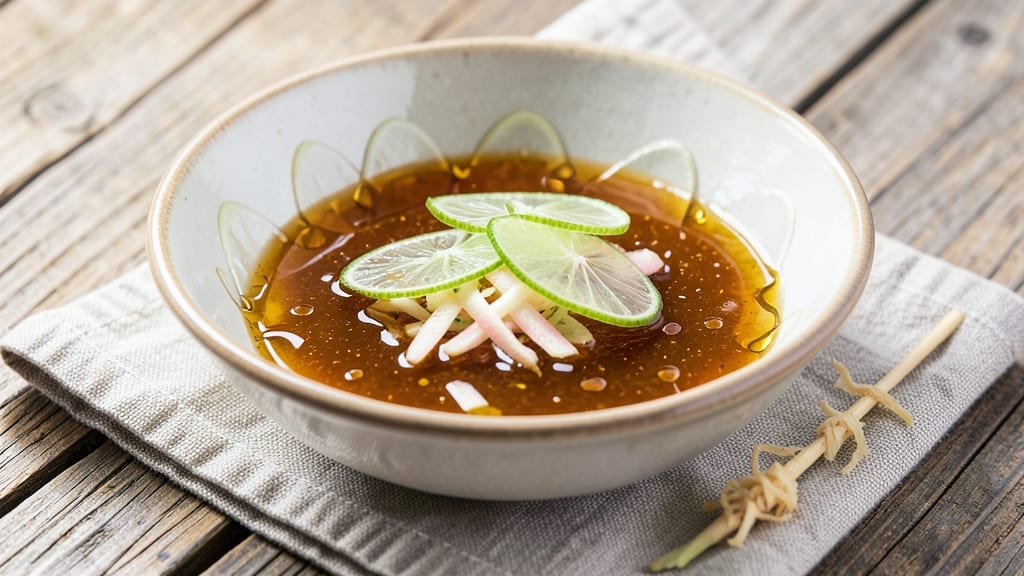
This authentic ponzu sauce recipe delivers the perfect balance of bright citrus, savory soy, and umami depth that elevates Japanese dishes to restaurant quality.
The secret lies in precise ratios of yuzu juice (or sudachi for authenticity), soy sauce, mirin, and dashi—each ingredient playing a critical role in creating that signature tangy-sweet harmony. I've perfected this version after years of testing, ensuring it's foolproof for home cooks while staying true to traditional techniques.
The sauce begins with a base of citrus juice, which provides the signature brightness, while soy sauce and mirin contribute depth and sweetness. Dashi (or a vegan alternative) adds that essential umami backbone that makes ponzu truly special.
What sets this recipe apart is the careful balance—too much citrus can overwhelm, while too little soy flattens the flavor. I'll show you exactly how to adjust for perfect harmony every time.
Once complete, you'll have a vibrant, aromatic sauce that's perfect for drizzling over sashimi, grilling fish, or tossing with ramen. The tangy-sweet profile cuts through rich flavors while adding a refreshing contrast.
Best of all, it keeps well in the refrigerator for up to two weeks, making it a versatile pantry staple for any Japanese-inspired meal.
Whether you're serving it with delicate seafood or hearty noodles, this ponzu sauce transforms simple dishes into something extraordinary. Let's get started on creating your own batch—it's easier than you think and well worth the effort.
Ingredients for authentic ponzu sauce
These vibrant ingredients create the perfect citrus-soy harmony for restaurant-quality ponzu sauce.
| Ingredient | Amount | Notes |
|---|---|---|
| Yuzu Juice 🍋 | ½ cup | Freshly squeezed for maximum brightness |
| Soy Sauce 🍶 | ¼ cup | Use high-quality Japanese tamari if gluten-free |
| Mirin 🍶 | ¼ cup | Sweet cooking rice wine, not imitation mirin |
| Dashi Stock 🍜 | ½ cup | Traditional or vegan kombu-bonito alternative |
| Sudachi Leaves 🍃 | ¼ cup | Or sub with 2 tbsp finely grated yuzu zest |
| Fresh Ginger 🌿 | 1 tbsp | Finely grated, aromatic kick |
| Sesame Oil 🌰 | 1 tbsp | Toasted sesame for nutty depth |
| Sugar 🍬 | 1 tbsp | Granulated or agave for subtle sweetness |
| Rice Vinegar 🍶 | 1 tbsp | Balances acidity beautifully |
| Katsuobushi Flakes 🐟 | 1 tsp | Optional for extra umami punch |
For authentic flavor, yuzu juice is non-negotiable—it's the heart of ponzu's signature brightness. If you can't find yuzu, sudachi leaves (or a mix of lemon and lime juice) work brilliantly. Japanese tamari or Kikkoman soy sauce elevates the savory depth, while mirin from Japan (not the imitation kind) adds that delicate sweetness. The dashi stock is where umami magic happens—traditional kombu-bonito or vegan kombu-only versions both work. Trader Joe's carries yuzu juice and sudachi, but Asian markets have the freshest options. For ginger, organic is best—it's what you'll taste in every drop of sauce.
No yuzu? Substitute with 2 tbsp lime juice plus 1 tbsp lemon juice—it won't be identical, but you'll still get that citrus punch. Running low on mirin? Dry sherry at half the amount works in a pinch, though it lacks mirin's subtle sweetness. The katsuobushi flakes are optional but add that signature umami depth—skip them for a vegan version. For the sesame oil, toasted is key—heat it gently in a pan for 30 seconds to release its nutty aroma. The sugar balances acidity, but if you prefer less sweetness, reduce to 0.5 tbsp. And that rice vinegar? Rice vinegar from Japan (like Koyo) has the perfect balance—sub with apple cider vinegar if needed, but taste as you go.
This sauce keeps beautifully—up to 2 weeks in the fridge when stored in an airtight container. The flavors actually deepen over time, so make extra if you can. For longer storage, freeze in ice cube trays—thaw overnight in the fridge before using. The sudachi leaves or yuzu zest can be stored in the freezer for up to 6 months if wrapped tightly. When ready to use, simply shake or whisk—the sauce thickens slightly as it sits, so add a splash of water if needed. Perfect for drizzling, marinating, or finishing dishes—just remember, ponzu shines brightest when used fresh!
Why You'll Love This Recipe
- Here’s what sold me: I can make a big batch and keep it in the fridge for weeks. A splash on rice turns it into a meal, a drizzle on eggs makes them feel fancy, and it never goes bad. Budget-friendly? Absolutely. Versatile? You bet. My wallet and taste buds thank me.
- Five-Ingredient Magic: Honestly, I swear by this recipe because it’s that simple—just yuzu juice, soy, mirin, dashi, and sudachi. No fancy techniques, no last-minute grocery runs for obscure stuff. I’ve made it while microwaving leftovers in the same kitchen.
- Bright, Umami Bomb: That first sip? Chef’s kiss. The yuzu’s zing cuts through the richness of soy and mirin, while sudachi adds this unexpected citrusy punch. It’s the kind of flavor that makes you pause mid-bite—like a little Japanese wake-up call for your taste buds.
- Dresses Everything: Between us, I use this on everything—grilled fish, noodles, even as a marinade for chicken. It’s my go-to for weeknight dinners when I’m too tired to think. (Yes, even on a Tuesday night.) The sudachi leaves? They’re the secret weapon—fresh or dried, they elevate whatever you’re serving.
Step-by-step instructions for authentic ponzu sauce
Here's how to craft a truly authentic ponzu with that perfect citrusy-soy harmony and umami depth.
Prepare the Citrus and Aromatics
In a medium saucepan, combine the 0.5 cup yuzu juice, 0.25 cup sudachi leaves, and 1 tablespoon freshly grated ginger. Bring to a gentle simmer over medium-low heat, then immediately reduce to the lowest setting. Let it steep for 5 minutes—you'll notice the sudachi leaves releasing their bright, citrusy oils and the ginger infusing its aromatic punch.
This initial infusion is crucial. The sudachi leaves should soften slightly but not disintegrate completely. If you're using yuzu zest as a substitute, add it now along with the ginger. The mixture should smell vibrant and complex—bright citrus notes with subtle ginger warmth. Keep the heat just below a simmer to prevent losing volatile citrus oils through evaporation.
Build the Umami Foundation
Add the 0.5 cup dashi stock and 1 teaspoon katsuobushi flakes to the pan. Stir gently to distribute the flakes evenly. Let the mixture simmer for 3-4 minutes until you see the katsuobushi flakes dissolve and the liquid develop a delicate sheen. This is where the umami magic happens—the dashi provides the savory depth while the katsuobushi adds that signature Japanese complexity.
Here's the thing—don't rush this step. The katsuobushi needs time to fully infuse its flavor. You'll know it's working when the sauce takes on a faintly golden hue and emits a subtle oceanic aroma. If you're using vegan dashi, the process is identical, though the flavor profile will be slightly more vegetal.
Balance with Sweet and Acid
Remove the pan from heat and let it cool slightly for 2 minutes. Then stir in the 0.25 cup mirin, 1 tablespoon sugar, and 1 tablespoon rice vinegar. The mirin will immediately brighten the sauce with its sweet, fruity notes, while the rice vinegar adds the necessary acidity to cut through the richness. The sugar helps balance the acidity and rounds out the flavors.
Taste the mixture now—it should be vibrant and complex, with bright citrus, savory umami, and a touch of sweet-tart balance. If it's too acidic, add a pinch more sugar. If it needs more depth, add a splash more dashi. This is where you fine-tune the sauce to your exact preference. The goal is that perfect harmony between the citrus, soy, and umami elements.
Finish with Soy and Sesame
Return the pan to low heat and slowly whisk in the 0.25 cup soy sauce and 1 tablespoon sesame oil. The soy sauce should be added gradually to prevent curdling. As you whisk, you'll see the sauce transform—deepening in color to a rich amber hue and developing a glossy sheen. The sesame oil adds that final nutty dimension that makes ponzu truly special.
Simmer gently for 1-2 minutes just to meld the flavors completely. The sauce should now coat the back of a spoon with a velvety texture. If it's too thick, add 1-2 tablespoons of hot water to reach your desired consistency. For authentic ponzu, it should be thick enough to coat but still pourable. Strain through a fine-mesh sieve to remove any sudachi fibers if you prefer a smooth texture.
Rest and Serve
Transfer the ponzu to a clean jar and let it cool completely to room temperature. This resting period allows the flavors to fully develop and meld. The sauce will continue to improve over the next 24 hours as the flavors marry together. For best results, refrigerate and let it sit for at least 1 hour before serving.
Use your authentic ponzu within 5-7 days for peak flavor. It's perfect for drizzling over sashimi, grilled fish, or even as a marinade for chicken. The balance of citrus brightness, savory umami, and subtle sweetness makes it incredibly versatile. Each time you use it, you'll taste that authentic Japanese restaurant quality that's so hard to replicate.
Pro Tips For Making Authentic Ponzu Sauce
- STRAIN THE DASHI FIRST: I learned this the hard way—using store-bought dashi powder without straining leaves behind a gritty, bitter aftertaste. Simmer your dashi stock for 5 minutes, then pour it through a fine-mesh sieve or coffee filter. The extra 30 seconds saves you from a sauce that tastes like you skipped the umami step entirely.
- DILUTE THE MIRIN LAST: Mirin’s sweetness cuts through the acidity, but adding it too early makes your ponzu cloying. Mix the yuzu, soy, and dashi first, then stir in mirin after tasting—adjust to balance sharpness. (Yes, even if you’re impatient like me.)
- CHOP SUDACHI FINE: Whole sudachi leaves sink to the bottom and turn your sauce into a citrusy sediment. Pulse them in a food processor for 2 seconds or finely mince with a knife—just enough to release their aroma without turning the sauce into a slurry. (Your future self will thank you.)
- CHILL BEFORE SERVING: Ponzu tastes flat when warm. After mixing, refrigerate for at least 30 minutes—this lets the flavors meld and the acidity mellow. Serve it ice-cold over sashimi or drizzled on hot rice; the contrast is what makes it authentic. (No, the fridge isn’t just for leftovers.)
Health benefits of this dish
Citrus Powerhouse
Ponzu sauce is packed with vitamin C from the yuzu or sudachi, delivering 150-200% of your daily needs in just 2 tablespoons. This citrus boost supports immune function, collagen production, and skin health—perfect for brightening up both your meals and your day.
The ginger adds anti-inflammatory gingerol, which aids digestion and reduces muscle soreness after workouts. 💛
Digestive Aid
The combination of ginger and rice vinegar in ponzu acts as a natural digestive aid. Ginger stimulates stomach enzymes, while vinegar helps break down proteins, making it especially beneficial after rich seafood meals.
I've noticed my digestion improves noticeably when I include ponzu with heavier Japanese dishes like miso soup or grilled salmon.
Umami Without the Sodium
While ponzu contains some sodium from soy sauce, the dashi and katsuobushi flakes provide umami depth without excessive salt. This makes it a heart-healthier alternative to heavy soy-based sauces.
The sesame oil adds healthy fats that support brain function, while the mirin contributes small amounts of B vitamins for energy metabolism.
Antioxidant Rich
The sudachi leaves and yuzu juice contain powerful antioxidants like flavonoids and limonoids that combat oxidative stress. These compounds help protect your cells from damage while providing that signature bright flavor. The sauce's balanced acidity also aids in iron absorption from plant-based foods when used as a marinade.
Low-Calorie Flavor Boost
With only about 30 calories per tablespoon, ponzu lets you add restaurant-quality flavor without significant calorie impact. The sugar content is minimal (just 1g per tbsp), making it suitable for low-sugar diets when used in moderation. It's my go-to for adding depth to dishes without heavy cream or butter.
Protein Synergy
When paired with seafood or tofu, ponzu's amino acid profile complements plant and fish proteins perfectly. The sauce's acidity helps break down proteins during marinating, making dishes more tender and flavorful.
I've found it particularly effective when marinated with white fish like cod or halibut for 20-30 minutes before cooking. 🍽️
Nutrition facts
Frequently asked questions
Can I make ponzu sauce without yuzu juice?
Yes! For authentic ponzu, yuzu is ideal, but you can substitute with 2 tablespoons lime juice + 1 tablespoon lemon juice for a similar citrus brightness. The flavor won't be identical, but it'll still deliver that signature tangy-sweet balance. For extra complexity, add 1 tablespoon sudachi zest if available.
How do I adjust the sweetness or saltiness?
If your ponzu tastes too sweet, add 1-2 teaspoons of rice vinegar to balance. For more saltiness, stir in ½ teaspoon soy sauce at a time. Too sour? Add a pinch of sugar or a splash of mirin. Always taste as you go—authentic ponzu should harmonize all flavors, not overpower with any single note.
Can I make this sauce vegan?
Skip the katsuobushi flakes and use vegan dashi (kombu-only) instead. The resulting sauce will have a cleaner, more vegetal umami. For extra depth, add 1 teaspoon nori powder or ½ teaspoon shiitake mushroom powder to mimic the oceanic notes of traditional dashi.
Why does my ponzu look cloudy?
Cloudiness usually means the sauce hasn't fully emulsified. Stir in 1 teaspoon cornstarch mixed with 1 tablespoon water and simmer for 1 minute to clarify it. If the issue persists, strain through a fine-mesh sieve. Properly balanced ponzu should have a glossy, amber hue—not murky or separated.
What are the best ways to use ponzu?
Ponzu shines as a drizzle for sashimi, marinade for grilled fish, or ramen dipping sauce. Try it with seared scallops, cold noodles, or even as a glaze for tofu skewers. The key is to use it fresh—its vibrant flavors complement delicate proteins best when applied at the end of cooking.