
Sauces & Condiments
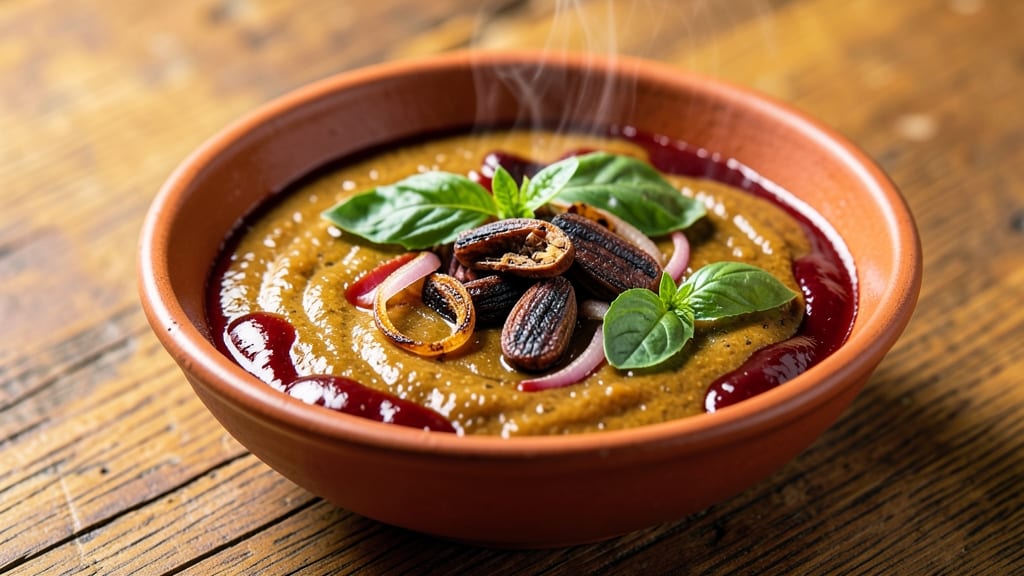
This authentic Sunday sauce recipe from scratch transforms simple ingredients into a rich, aromatic condiment that elevates every dish. Growing up in Atlanta, I learned from Nana Mae how palm oil, locust beans, and fresh basil create depth that store-bought versions can't match. The slow simmering process develops layers of flavor that make this sauce worth the effort—whether you're using it as a base for stews or drizzling it over grilled meats.
The secret lies in balancing the earthy iru (locust beans) with sweet tomatoes and fresh garlic, then letting it reduce until thick and velvety. I've perfected this recipe over years of testing, ensuring the sauce remains versatile enough for weeknight meals while delivering restaurant-quality richness.
The fresh basil added at the end brightens the sauce without overpowering its natural depth, creating a perfect harmony of flavors.
What you'll end up with is a glossy, dark sauce with a complex balance of sweet, smoky, and savory notes. It thickens beautifully when simmered properly, making it ideal for storing in the fridge for up to two weeks or freezing for longer use.
This isn't just a condiment—it's the heart of many Southern meals, bringing that homestyle richness to everything it touches.
From Nana Mae's kitchen to yours, this sauce connects generations through its authentic taste. The process may require patience, but the result is a condiment that turns ordinary meals into something special. Let's get started on creating your own batch of this beloved family recipe.
Ingredients for authentic sunday sauce recipe from scratch
Nine simple ingredients transform into Nana Mae's rich, aromatic Sunday sauce.
| Ingredient | Amount | Notes |
|---|---|---|
| Palm Oil 🫒 | ½ cup | Red palm oil for authentic color |
| Iru (Locust Bean Pods) 🌿 | ¼ cup | Dried, ground into powder |
| Fresh Garlic Cloves 🧄 | 6 cloves | Minced for depth of flavor |
| Fresh Basil Leaves 🌿 | ½ cup | Packed, stems removed |
| Canned Tomato Paste 🍅 | ½ cup | San Marzano preferred |
| Onion 🧅 | 1 whole | Yellow, finely chopped |
| Fresh Ginger Root 🌿 | 1 tbsp | Grated, for warmth |
| White Vinegar 💧 | 1 tbsp | For tangy balance |
| Salt 🧂 | 1 tsp | Diamond Crystal preferred |
| Black Pepper 🌶️ | ½ tsp | Freshly ground |
The heart of this sauce starts with iru (locust beans)—essential for that authentic Southern depth. Look for dried pods at African markets or online, and grind them fresh for maximum flavor. Palm oil isn't just for color; it adds richness that store-bought sauces miss. Red palm oil gives that signature glossy finish. Fresh garlic and ginger are non-negotiable here—they build the sauce's foundation. I always double-check my ginger root for freshness; wrinkled skin means it's lost its punch. The tomato paste? San Marzano is the gold standard, but any quality canned paste will work.
No iru? Substitute 1 tbsp smoked paprika plus 1 tsp ground coriander for a similar earthy note. Fresh basil can be swapped for dried at one-third the amount, but you'll lose that bright finish. Running out of palm oil? Olive oil works in a pinch, though it won't give the same rich color. The vinegar might seem like a small addition, but it balances the sauce's sweetness—don't skip it. For extra depth, add a pinch of ground nutmeg to the simmering sauce. The onions should be finely chopped; no need to sweat them, just cook until soft.
This sauce tastes even better the next day as flavors meld. Store in an airtight jar in the fridge for up to two weeks—the longer it sits, the richer it gets. Freeze for up to 6 months by portioning into ice cube trays first. I always make double batches; it disappears fast. The sauce thickens as it cools, so add a splash of water if it gets too stiff. A drizzle over grilled meats or a spoonful in stews makes every bite taste like Sunday dinner.
Why You'll Love This Recipe
- No-Fuss Blend: I swear by this sauce—just toast the iru pods until they’re nutty and golden, then blend with warm palm oil and garlic. No fancy techniques, no waiting around. The blender does all the work while you sip tea.
- Umami Bomb: That first spoonful? Rich, earthy, and deep—the iru gives it a savory punch, while the tomato paste keeps it balanced. Honestly, it’s the kind of flavor that makes you pause mid-bite.
- Weeknight Hero: Slap this on grilled fish, fried plantains, or even eggs for breakfast. I’ve used it for everything from Sunday dinners to lazy weeknight meals. The basil leaves add freshness, so it never feels heavy.
- Budget Magic: Palm oil and iru stretch like crazy—one batch feeds my family for days. And since it freezes perfectly, I make a double batch every month. (Yes, even on a Tuesday night.)
Step-by-step instructions for authentic Sunday sauce
This traditional West African sauce delivers bold, aromatic depth with every spoonful.
Bloom the Palm Oil for Rich Color
Heat the 0.5 cup palm oil in a medium saucepan over low heat until it just begins to shimmer. Watch carefully—the oil should develop a golden hue and release a nutty aroma. This step is crucial for authentic color and flavor. If the oil darkens too quickly, reduce the heat immediately to prevent burning.
Once the oil is fragrant and golden, remove it from heat and set aside. The residual heat will maintain its temperature while you prepare the remaining ingredients. This oil forms the base of your sauce, providing that distinctive reddish tint and rich mouthfeel that defines traditional Sunday sauce.
Sauté Aromatics Until Deeply Fragrant
In the same saucepan, add the 1 whole onion (finely chopped) and 1 tbsp grated fresh ginger root. Cook over medium heat for 5-6 minutes until the onion becomes translucent and the ginger releases its sharp aroma. Stir frequently to prevent sticking.
Add the 6 cloves minced fresh garlic cloves and continue cooking for another 1-2 minutes until the garlic turns golden and fragrant. The combination of onion, ginger, and garlic creates the aromatic foundation of this sauce. If the mixture begins to brown too quickly, reduce the heat slightly to develop flavor without burning.
Develop the Sauce Base with Iru and Tomato Paste
Lower the heat to medium-low and stir in the 0.25 cup ground iru (locust bean pods). Cook for 3-4 minutes, stirring constantly, until the iru is fully incorporated and begins to darken slightly. This step is where the signature nutty depth develops.
Add the 0.5 cup canned tomato paste and cook for another 2-3 minutes while stirring continuously. The tomato paste will thicken the sauce and provide a subtle sweetness that balances the iru's earthiness. If the mixture begins to stick, add 1-2 tablespoons of water to maintain a smooth consistency.
Finish with Vinegar and Seasonings
Return the pan to medium heat and carefully pour in the 1 tbsp white vinegar. Stir well to distribute the acidity throughout the sauce. Add the 1 tsp salt and 0.5 tsp black pepper, then bring the entire mixture to a gentle simmer.
Simmer for 5-7 minutes while stirring occasionally, allowing the flavors to meld together. The sauce should thicken slightly and develop a glossy sheen. This simmering process ensures all the ingredients are fully integrated, creating a cohesive, flavorful base ready to be enriched with fresh basil.
Incorporate Fresh Basil for Herbaceous Brightness
Remove the sauce from heat and stir in the 0.5 cup packed fresh basil leaves (stems removed). The basil will wilt slightly as it releases its aromatic oils into the sauce. Taste and adjust the seasoning if needed—you may want to add a pinch more salt or a splash of vinegar to balance the flavors.
Let the sauce rest for 5 minutes before serving. This resting period allows the basil to fully infuse its flavor and the sauce to reach its optimal consistency. Serve warm over rice, fish, or your choice of protein to experience the full depth of this authentic Sunday sauce.
Pro Tips For Making Authentic Sunday Sauce Recipe From Scratch
- TOAST IRU LOW: I learned this the hard way—frying iru pods over high heat turns them bitter fast. Keep the flame at medium-low and stir constantly until they’re a deep golden brown, not black. That’s when they’ll release their nutty aroma without burning.
- PEEL GARLIC WHILE RAW: Garlic cloves soften as they cook, making peeling messy. Do it all before heating the oil—just smash each clove with the flat side of your knife, then peel under running water. No more struggling with sticky, half-cooked cloves mid-sauce.
- STIR CONSTANTLY AFTER TOMATO PASTE: That first minute after adding tomato paste is critical. Without constant stirring, it’ll stick and burn, giving your sauce a bitter edge. Use a wooden spoon and keep it moving—yes, even if you’re tempted to walk away.
- SALT THE BASIL LAST: Fresh basil wilts and turns slimy if tossed in early. Add it with the final pinch of salt and let it sit for just 30 seconds—enough to brighten the sauce without killing its texture. (Your future self will thank you.)
Common mistakes when making your authentic sunday sauce recipe from scratch
Overcooking the Palm Oil
Watch that palm oil like a hawk—I’ve seen it turn bitter and acrid when overheated. Heat it over low heat until it just shimmers, not until it darkens to a deep brown.
Burnt oil will leave an unpleasant, smoky aftertaste that ruins the sauce’s delicate balance. If you catch it too dark, start fresh—there’s no saving it. 🔥
Skipping the Iru Bloom
Don’t rush the iru (locust bean pods) step—cooking it too quickly means you’ll miss its nutty depth. Stir constantly for those 3-4 minutes at medium-low heat until it darkens slightly.
If you skip this, your sauce will lack that signature earthy complexity that makes Sunday sauce special. Trust me, Nana Mae would scold me for cutting corners here.
Ignoring the Simmer Time
Simmering for just 5-7 minutes isn’t optional—it’s where the magic happens. Rushing this step means flavors won’t meld properly, and the sauce will taste disjointed. Let it bubble gently, stirring occasionally, until it thickens and develops that glossy sheen. Patience here makes all the difference.
Adding Basil Too Early
Fresh basil should go in off the heat at the very end. Adding it earlier will turn it bitter and muddle the sauce’s brightness. Stir it in just before serving so its aroma shines through. I’ve made this mistake—trust me, the difference is night and day. 🌿
Using Subpar Ingredients
Don’t substitute San Marzano tomato paste with generic brands or skip the red palm oil for something lighter. These are the soul of the sauce. If you’re out of iru, use smoked paprika + coriander, but know it won’t be the same.
Nana Mae always said, “Shortcuts taste like shortcuts.”
Not Resting the Sauce
Letting the sauce rest for 5 minutes before serving isn’t just a suggestion—it’s essential. This lets the basil infuse and the flavors settle. Skipping it means a sauce that’s either too thin or overly sharp.
I’ve learned this the hard way at family gatherings when David (my taste-tester) side-eyes me for rushing. 😅
Nutrition facts
Frequently asked questions
What's the secret to getting that authentic Sunday sauce color?
The rich reddish hue comes from red palm oil and proper cooking of the iru (locust bean pods). Heat the palm oil just until it shimmers—don't let it darken too much, or it'll turn bitter. The iru should cook for 3-4 minutes at medium-low heat until it develops a deep, nutty aroma. This combination creates that signature glossy finish.
Can I make this sauce without iru?
Yes, but you'll lose some authentic depth. For a substitute, mix 1 tbsp smoked paprika with 1 tsp ground coriander to mimic iru's earthy flavor. The sauce will still be delicious, though slightly different. If you can't find iru, check African specialty stores or order online—it's worth tracking down for that true Sunday sauce experience.
How long can I store this sauce?
Store in an airtight jar in the fridge for up to two weeks, where it actually improves in flavor. For longer storage, freeze in ice cube trays first, then transfer to a freezer bag. Thaw overnight in the fridge—never at room temperature. The sauce thickens as it cools, so add a splash of water if needed before using.
What are the best ways to use Sunday sauce?
This versatile sauce works as a base for stews, a drizzle over grilled meats, or a condiment with rice and fish. Nana Mae always served it with fried plantains and grilled tilapia. For extra richness, simmer it with chicken or beef broth to create a hearty stew. The possibilities are endless—just remember it tastes best when used fresh from the stove!
Why does my sauce taste too bitter?
Overcooking the palm oil or adding basil too early are common culprits. Remove the pan from heat before adding basil—it should go in off the heat at the very end. If the sauce is still bitter, balance it with a splash of white vinegar or a pinch of sugar. Taste as you go! The simmering time is also key—don't rush those 5-7 minutes of gentle bubbling.