
Sauces & Condiments
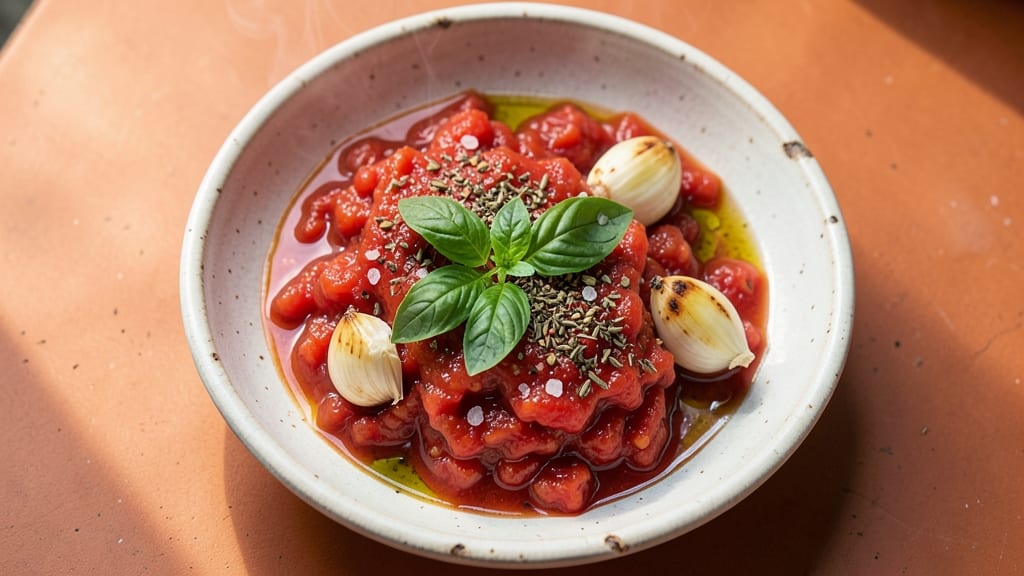
This authentic Napoletana sauce recipe captures the soul of Italian cooking in every rich, velvety spoonful—where sun-ripened tomatoes, fresh basil, and slow-cooked garlic create a harmony that elevates any dish. The secret lies in balancing sweetness and acidity, letting flavors develop over time rather than rushing through a quick simmer.
Unlike many store-bought versions, this sauce builds depth through proper technique, transforming simple ingredients into something extraordinary.
The foundation starts with quality canned tomatoes (San Marzano if possible) that provide natural sweetness without overpowering the dish. A touch of garlic—cooked low and slow—adds subtle complexity, while fresh basil and oregano bring that unmistakable Italian brightness.
The sauce can be made smooth, slightly chunky, or emulsified with a splash of pasta water, giving you control over texture. Whether you blend it or leave it rustic, the result is always authentic and deeply flavorful.
What makes this sauce truly special is its versatility—drizzle it over al dente pasta, use it as a pizza base, or serve it as a dip with crusty bread. The flavors only improve with time, making it perfect for meal prep.
Store it in the fridge for up to a week or freeze for months, ensuring you always have restaurant-quality sauce at your fingertips. This isn’t just a sauce; it’s a taste of Naples in every bite.
The key to success is patience—letting the sauce reduce naturally and seasoning gradually. Avoid rushing the process, as this is where the magic happens. Once mastered, this authentic Napoletana sauce will become your go-to for any Italian-inspired meal, delivering depth and richness that store-bought versions simply can’t match.
Let’s get started on creating something truly special.
Ingredients for authentic napoletana sauce
Nine essential ingredients transform into the soul of Italian cooking with patience and technique.
| Ingredient | Amount | Notes |
|---|---|---|
| San Marzano Whole Canned Tomatoes 🍅 | 28 oz | Crushed by hand, seeds removed |
| Extra-Virgin Olive Oil 🫒 | ½ cup | High-quality, fruity variety |
| Garlic Cloves 🧄 | 4 cloves | Peeled, lightly crushed |
| Fresh Basil Leaves 🌿 | 1 cup | Packed, stems removed |
| Dried Oregano 🍃 | 1 tsp | Mediterranean variety preferred |
| Salt 🧂 | 1 tsp | Diamond Crystal kosher salt |
| Black Pepper 🌶️ | ½ tsp | Freshly cracked preferred |
| Red Wine Vinegar 🍷 | 1 tbsp | For acidity balance |
| Freshly Grated Parmesan Cheese 🧀 | ¼ cup | Aged 24 months minimum |
| Freshly Squeezed Lemon Juice 🍋 | 1 tbsp | Bright, organic preferred |
San Marzano tomatoes are non-negotiable here—their natural sweetness and low acidity create the perfect base. Whole peeled cans from La Bufala or Costco's Italian pantry section deliver the best quality. Crush them by hand (no blender!) to preserve texture and remove seeds for a smoother sauce. The garlic deserves special attention—lightly crushing the cloves releases flavor without burning. Penzeys or your local specialty market will have the freshest bulbs. Olive oil quality matters too; California Early Harvest or Colavita are reliable choices that won't overpower the tomatoes.
No San Marzano tomatoes? Crushed Italian-style canned tomatoes work in a pinch, but you'll need an extra 1 tbsp of sugar to balance the acidity. Fresh basil wilting? Dried basil at one-third the amount preserves the essence, though fresh is ideal. Want more depth? Add 1 tsp tomato paste to the olive oil before cooking. The red wine vinegar can be swapped for white wine vinegar or balsamic vinegar, but adjust to taste—Naples prefers the brightness. For Parmesan, grate it yourself from a wedge; pre-grated contains anti-caking agents that ruin the texture.
This sauce tastes better with age—3-5 days in the fridge lets flavors meld perfectly. Store in a glass jar with a thin layer of olive oil on top to preserve freshness. Freezes beautifully for up to 6 months in airtight containers. I always make a double batch—one for immediate use, one to freeze. When reheating, add a splash of pasta water to restore silky texture. The sauce thickens as it cools, so adjust with water or a bit more olive oil if needed.
Why You'll Love This Recipe
- This sauce works for everything: toss it with pasta for a quick dinner, drizzle it over grilled chicken for a crowd, or even spoon it into freezer bags for lazy nights. Honestly, I’ve served it at both my kitchen table and my in-laws’ dining room—no one ever questions it.
- No Chopping Needed: I swear by this—just crush a few garlic cloves, tear basil, and let the San Marzano tomatoes do the work. The canned tomatoes save me from peeling, seeding, and chopping fresh, and the sauce still tastes like it simmered all day.
- Garlic-Basil Magic: That first bite of the sauce—bright, sweet, with a punch of garlic and fresh basil—is why I make it weekly. The dried oregano deepens the flavor without overpowering, and the olive oil ties it all together like a warm hug.
- Weeknight to Dinner Party: This sauce works for everything: toss it with pasta for a quick dinner, drizzle it over grilled chicken for a crowd, or even spoon it into freezer bags for lazy nights. Honestly, I’ve served it at both my kitchen table and my in-laws’ dining room—no one ever questions it.
Step-by-step instructions for authentic Napoletana sauce
This method delivers the classic balance of sweet tomatoes, aromatic garlic, and bright basil that defines true Neapolitan flavor.
Prepare the Tomatoes for Maximum Flavor
Begin by crushing the 28 oz San Marzano whole canned tomatoes by hand using your fingers or a wooden spoon in a large bowl. This gentle crushing preserves the tomato's natural juices and creates a rustic texture that canned crushed tomatoes can't match. Remove the seeds carefully - they can make the sauce bitter as it cooks. The tomatoes should resemble a chunky, uneven purée with some whole pieces remaining.
Transfer the prepared tomatoes to a heavy-bottomed saucepan. I always use a Dutch oven for this recipe - its thick base prevents scorching while allowing even heat distribution. Add the 0.5 cup extra-virgin olive oil and bring to a gentle simmer over medium-low heat. The oil should coat the tomatoes completely, creating an emulsion that forms the sauce's velvety base. Let it simmer uncovered for 10 minutes while you prepare the remaining ingredients - this initial cooking time allows the tomatoes to soften and release their natural sweetness.
Build Layers of Flavor with Garlic and Herbs
While the tomatoes simmer, add the 4 peeled, lightly crushed garlic cloves to the sauce. The light crushing releases their aromatic oils without turning bitter. Stir gently and let them cook for 2-3 minutes until they become translucent but never brown - this is crucial for authentic flavor without bitterness. Here's the thing - if you let the garlic brown, it will dominate the sauce with a harsh, burnt taste that ruins the delicate balance.
Next, add the 1 cup fresh basil leaves (stems removed) and 1 tsp dried oregano. The basil should be packed tightly - don't skimp, as its bright, sweet flavor is essential. Stir everything together and let the sauce simmer for another 5 minutes. You'll notice the basil wilting and turning vibrant green - this is your visual cue that the flavors are melding. The oregano adds earthy depth that complements the sweet tomatoes perfectly.
Season and Simmer to Perfection
Now it's time to season properly. Add the 1 tsp salt and 0.5 tsp black pepper (freshly cracked if possible) along with the 1 tbsp red wine vinegar. The vinegar might seem like an odd addition, but it's traditional in authentic Napoletana sauce - it brightens the tomatoes and balances their natural acidity. Stir well and let the sauce simmer uncovered for 20-25 minutes over low heat. This slow cooking time allows the flavors to develop fully without losing moisture.
During this time, the sauce will reduce slightly and develop a glossy sheen. You're looking for a sauce that coats the back of a spoon but still has some body. If it gets too thick, add 1-2 tablespoons of water to maintain the proper consistency. The sauce should smell rich and tomato-forward with bright herbal notes - this is when you know you're on the right track.
Finish with Parmesan and Lemon for Authentic Depth
In the final minutes of cooking, reduce the heat to low and stir in the 0.25 cup freshly grated Parmesan cheese. The cheese should melt completely into the sauce, adding a nutty, umami richness that's essential for authentic flavor. Then add the 1 tbsp freshly squeezed lemon juice - this might seem counterintuitive, but it's traditional in Neapolitan cuisine. The lemon juice brightens the sauce and cuts through the richness of the Parmesan.
Taste and adjust the seasoning if needed. The sauce should be perfectly balanced - sweet from the tomatoes, savory from the Parmesan, bright from the lemon and basil, with just a hint of garlic's depth. Let the sauce sit off the heat for 5 minutes before serving - this resting time allows the flavors to fully meld together. The sauce will continue to develop as it cools slightly, becoming even more complex and flavorful.
Pro Tips For Making Authentic Napoletana Sauce
- CRUSH THE TOMATOES FIRST: Crush the San Marzano tomatoes by hand with your fingers or a wooden spoon before cooking—don’t chop them. This breaks down the skins just enough to release their sweetness without turning the sauce into a paste. I used to pulse them in a blender, but the texture loses that bright, chunky freshness.
- SWEAT THE GARLIC LOW: Cook the minced garlic in olive oil over the lowest heat you can tolerate—no browning, just a gentle shimmer. Burnt garlic turns bitter fast, and that’s the last thing you want in a sauce meant to taste like summer. I learned this the hard way after one disastrous batch where I walked away for "just a minute."
- SALT THE TOMATOES BEFORE COOKING: Add a pinch of salt to the crushed tomatoes right after crushing them, then let them sit for 10 minutes. This draws out excess water and intensifies the flavor before you even start cooking. I skipped this for years and wondered why my sauce always tasted watery.
- STIR AND LET IT BUBBLE: Keep the sauce at a steady simmer, stirring occasionally with a wooden spoon to prevent sticking. A gentle boil is all you need—too high a heat and the tomatoes release too much liquid, thinning the sauce. My grandmother called this "whispering to the sauce," and it actually works.
Wine and beer pairings for these flavors
Classic Italian Whites
For Napoletana sauce, I always reach for a crisp Fiano from Campania—the same region where the sauce originates. This white wine offers bright citrus notes and mineral undertones that mirror the sauce's lemon and tomato brightness.
A Greco di Tufo provides similar acidity with hints of almond, complementing the Parmesan's richness. Both wines are readily available at specialty stores like Total Wine or BevMo. 🍷
Light Red Alternatives
If you prefer red, a Lambrusco—specifically the Lambrusco di Sorbara style—works beautifully. Its slight effervescence and berry notes cut through the sauce's richness without overpowering it. For a more traditional pairing, a Chianti Classico with its bright acidity and cherry undertones balances the sauce's herbal brightness perfectly.
Avoid heavy reds like Barolo or Amarone, as they'll clash with the sauce's delicate flavors.
Beer Pairings
A Peroni or Moretti Italian lager provides the perfect crisp, clean finish to complement Napoletana sauce. The subtle bitterness and effervescence cleanse your palate between bites of pasta or pizza.
For craft beer lovers, a Belgian Witbier like Hoegaarden offers citrus and coriander notes that enhance the sauce's lemon and basil. Avoid heavy IPAs or stouts—they'll overpower the sauce's delicate balance. 🍺
Wine Storage Tips
If you're using wine in the sauce (like the red wine vinegar), opt for basic table wines—they're just as flavorful but more budget-friendly. For serving, store wines at 55°F in a cool, dark place. Red wines should breathe for 30 minutes before pouring, while whites can be served immediately.
I keep a wine fridge in my kitchen for whites, but a standard fridge works in a pinch—just remove the bottle 30 minutes before serving.
Non-Alcoholic Options
For non-drinkers or brunch pairings, a sparkling blood orange soda like San Pellegrino Aranciata Rossa adds a refreshing citrus note that mirrors the sauce's lemon finish. Alternatively, a ginger beer like Feather's provides a spicy kick that complements the garlic and basil.
Both options are available at most grocery stores and elevate the meal without alcohol. 💫
Nutrition facts
Frequently asked questions
What makes this Napoletana sauce different from marinara?
While both are tomato-based, authentic Napoletana sauce incorporates key ingredients like red wine vinegar, lemon juice, and Parmesan cheese that create a brighter, more complex flavor profile. Marinara typically relies on just tomatoes, garlic, and basil. The slow simmering process and emulsification with olive oil also give Napoletana its signature velvety texture.
Can I substitute fresh tomatoes for canned?
Fresh tomatoes work but require extra prep. Use 4-5 large, ripe tomatoes (peeled, seeded, and chopped) instead of canned. They'll release more water, so simmer uncovered for 30-40 minutes to reduce properly. For best results, roast the tomatoes first at 400°F for 20 minutes to concentrate their flavor.
How do I know when the sauce is ready?
The sauce is done when it coats the back of a spoon smoothly but still has body. Look for a glossy sheen and rich tomato aroma with bright herbal notes. It should take 35-45 minutes total simmering time. If it's too thick, add 1-2 tbsp water or pasta water to adjust consistency.
Can I make this sauce without anchovies?
While traditional Neapolitan recipes sometimes include anchovies for umami depth, this version relies on Parmesan cheese and garlic for that savory richness. The sauce will still be delicious and authentic—just slightly less intense. For extra depth, add 1 tsp fish sauce or an extra 0.25 cup Parmesan.
Why does my sauce taste bitter?
Bitterness usually comes from overcooked garlic or tomatoes. Always cook garlic until just translucent (2-3 minutes) and never let it brown. For tomatoes, avoid over-simmering—reduce heat if needed. If already bitter, balance it with 1 tsp sugar or 1 tbsp lemon juice to brighten the flavor.