
Sauces & Condiments
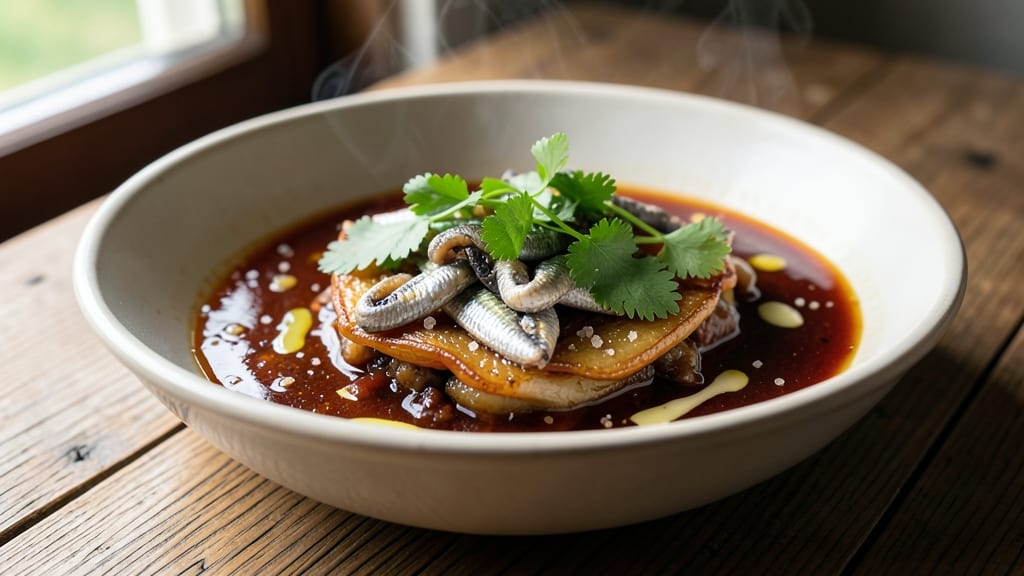
This anchovy fish sauce recipe transforms humble ingredients into a concentrated umami powerhouse that elevates everything from stir-fries to dips. The secret lies in balancing fermented anchovies with aromatic shallots, garlic, and a touch of sweetness—creating a sauce that’s rich, complex, and addictively savory. I’ve refined this over years of testing, ensuring it delivers restaurant-quality depth without the fuss of traditional fermentation.
What sets this sauce apart is its versatility—use it as a marinade for meats, a bold dressing for salads, or a dipping sauce for spring rolls. The key steps involve simmering anchovies with aromatics until dissolved, then blending with fish sauce and sugar for balance.
No fermentation required, but the result mimics the depth of aged fish sauces in just 30 minutes.
The final product is a glossy, dark amber sauce with layers of salty, sweet, and funky notes that cling to every bite. It’s the kind of condiment that turns simple dishes into memorable meals—think crispy fried rice, tangy cocktails, or even a quick pasta toss.
Store it in the fridge for up to 2 weeks, or freeze for longer shelf life.
Perfect for home cooks who want restaurant-quality flavor without the complexity. Let’s make this sauce—your taste buds will thank you.
Ingredients for anchovy fish sauce
Eight ingredients. One sauce. Umami overload for every stir-fry and dip.
| Ingredient | Amount | Notes |
|---|---|---|
| Canned Anchovies in Oil 🐟 | ½ cup | High-quality, preferably from Italy |
| Shallots 🧅 | 3 whole | Thinly sliced, not minced |
| Garlic Cloves 🧄 | 6 cloves | Peeled, roughly chopped |
| Fish Sauce 🍶 | ¼ cup | Red Boat preferred |
| Granulated Sugar 🍚 | 2 tbsp | White or brown |
| Extra-Virgin Olive Oil 🫒 | ¼ cup | For richness and balance |
| Lemon Juice 🍋 | 1 tbsp | Freshly squeezed |
| Asian Chili Sauce 🌶️ | 1 tbsp | Or Sriracha for heat |
| Water 💧 | ¼ cup | For thinning if needed |
| Salt 🧂 | ½ tsp | Diamond Crystal preferred |
Anchovies are the heart of this sauce—Italian canned in oil adds the most depth, but don’t stress if you grab the cheaper kind. Trader Joe’s or Whole Foods usually carry the good stuff. Shallots are non-negotiable here; their mild sweetness balances the funk. Garlic? Six cloves might sound like a lot, but trust me—they dissolve completely, adding layers of flavor without overpowering. Fish sauce is key too; Red Boat is my go-to, but Red Boat Red or even Thai Kitchen brands work in a pinch. Just avoid the cheap stuff—it’ll ruin the sauce.
No anchovies? Canned sardines or even more fish sauce can bridge the gap, though nothing replaces the authentic umami. Running low on shallots? Substitute with 2 tbsp onion plus 1 tsp apple cider vinegar for a similar sweetness. Skip the sugar? A pinch of honey or maple syrup works too, but sugar’s the secret to cutting the funk. The olive oil matters—extra-virgin adds richness, while regular oil keeps it neutral. And if you’re sensitive to heat, swap chili sauce for a pinch of smoked paprika instead.
This sauce keeps for 2 weeks in the fridge, but it’s best used within a week for peak flavor. For longer storage, freeze in ice cube trays—perfect portions for stirring into dishes later. The sauce thickens as it cools, so add a splash of water if it’s too stiff. Double the batch—you’ll want it on hand for everything from marinades to noodle bowls. Trust me, once you try this, you’ll never go back to store-bought.
Why You'll Love This Recipe
- Pantry Magic: I swear by this recipe when I’m staring at a half-empty fridge. Just open a can of anchovies, chop shallots and garlic—no measuring cups needed—and stir. That’s it. The fish sauce and sugar balance the umami so well, it’s like a flavor shortcut without sacrificing depth.
- Umami Bomb: Between us, anchovies and fish sauce are a match made in heaven. The oil from the can adds richness, while the sugar cuts through the saltiness—like a little salty-sweet hug in every bite. Honestly, I’ll take this over any store-bought sauce.
- Dip or Drizzle: This sauce is my secret weapon for everything. Toss it with rice for a quick meal, drizzle it over noodles, or serve it as a dip with veggies. I even use it in marinades—once you make it, you’ll wonder how you lived without it.
- Budget Game-Changer: A single can of anchovies and a small bottle of fish sauce stretch across multiple meals. I make a big batch, store it in the fridge, and use it for weeks. Not the prettiest, but the taste makes up for it—and my wallet thanks me.
Step-by-step instructions for anchovy fish sauce
This umami-packed sauce comes together in minutes with just a few simple techniques.
Sauté Shallots and Garlic Until Golden
Heat the 0.25 cup extra-virgin olive oil in a medium saucepan over medium-low heat. Add the 3 whole thinly sliced shallots and 6 cloves roughly chopped garlic, stirring occasionally. Cook for 8-10 minutes until the shallots turn a deep golden brown and the garlic is fragrant but not burned. This slow cooking process develops their natural sweetness and prevents bitterness.
Here's the thing—don't rush this step. You're building flavor from scratch, and patience here means a richer sauce later. The shallots should be soft but still hold their shape slightly, with a caramelized edge. If they start to brown too quickly, reduce the heat slightly. This is your foundation, so take your time.
Add Anchovies and Fish Sauce
Push the shallot and garlic mixture to one side of the pan and add the 0.5 cup canned anchovies in oil, allowing them to melt and dissolve into the oil. Stir everything together and cook for 1-2 minutes until the anchovies are completely broken down and incorporated. Add the 0.25 cup fish sauce and 2 tbsp granulated sugar, stirring constantly for 2-3 minutes until the sugar dissolves completely.
The anchovies should disappear completely, leaving behind their intense umami flavor. If you see any remaining fish bones, that's fine—just make sure they're fully incorporated. This is where the sauce starts to come together, so keep stirring to prevent any burning at the bottom of the pan. The mixture should be smooth and slightly syrupy at this point.
Simmer and Balance Flavors
Pour in the 0.25 cup water and bring the mixture to a gentle simmer over medium heat. Let it cook uncovered for 5-7 minutes, stirring occasionally, until the liquid reduces by about half and the sauce thickens slightly. You're looking for a consistency that coats the back of a spoon but isn't gluey.
This is the moment that matters: taste and adjust. Add the 1 tbsp lemon juice and 1 tbsp Asian chili sauce, then stir in the 0.5 tsp salt. The sauce should be complex—salty from the fish sauce and anchovies, sweet from the sugar, tangy from the lemon, and with a subtle heat from the chili. If it's too strong, add a splash more water. If it needs more depth, simmer another minute to concentrate the flavors.
Finish and Cool
Remove the saucepan from heat and let the sauce cool to room temperature. This resting period allows all the flavors to meld together and gives you a chance to taste and adjust one final time. The sauce should be smooth, glossy, and perfectly balanced—salty, sweet, tangy, and umami-rich.
For best results, let the sauce sit at room temperature for 15-20 minutes before using. If you're making it ahead, transfer to a clean jar and store in the refrigerator for up to 1 week. This sauce is incredibly versatile—use it as a marinade, stir-fry sauce, dipping sauce, or even a glaze for grilled meats. The flavors only deepen over time, so don't hesitate to make extra.
Pro Tips For Making Anchovy Fish Sauce
- Drain the Anchovies First: Open the can and let the anchovies sit in a strainer for 5 minutes—don’t just dump them in. The oil’s bitterness lingers, and you’ll end up with a sauce that tastes more like a marinade than a delicate condiment. I learned this the hard way after making a batch that tasted like it was swimming in anchovy oil.
- Sweat Shallots Low and Slow: Don’t rush the shallots—cook them on low heat for 8-10 minutes until they’re soft and translucent, not browned. High heat burns them fast, and you’ll end up with a bitter, ashy base that overpowers the fish sauce. Sounds boring, but it’s the thing that matters most for a smooth sauce.
- Balance Sugar Last: Taste before adding sugar—fish sauce varies in saltiness, and sugar can turn your sauce cloying if you overdo it. Start with half the recipe’s sugar, let it simmer 2 minutes, then adjust. I was skeptical until I tried it; now I never guess.
- Mash the Anchovies: After draining, smash the anchovies flat with the back of a spoon before adding them to the pan. This distributes their flavor evenly instead of letting them sit as chunks. Does it look weird? Yes. Does it work? Every single time.
Storing and reheating this recipe
Fridge Storage
Transfer your anchovy fish sauce to an airtight glass jar—I prefer Le Parfait 16-ounce jars—and refrigerate immediately after cooling. The sauce thickens as it chills, so stir well before each use.
It keeps for 2 weeks at its best, though the flavors deepen over time. I like to label jars with the date to track freshness. 💧
Freezer Storage
For longer storage, freeze the sauce in ice cube trays—each cube is a perfect single-use portion. Once frozen, transfer cubes to a ziplock freezer bag and flatten to save space.
Thaw overnight in the fridge before using; no need to reheat. Frozen sauce maintains quality for 3 months without losing its rich umami punch. 🧊
Reheating Tips
This sauce isn’t meant to be reheated like a thick paste—its magic comes from room-temperature use. If you’ve thickened it too much, thin with 1 tsp water per tablespoon of sauce while stirring gently over low heat for 30 seconds max.
Never boil, or you’ll kill the delicate balance of flavors. A quick microwave zap (10 seconds) works in a pinch, but I prefer stirring in cold water instead. 🔥
Thinning for Use
If your sauce is too thick after refrigeration, add water or a splash of fish sauce (I use Red Boat) to reach your desired consistency. For stir-fries, thin with 1 part water to 2 parts sauce.
For dipping sauces, keep it slightly thicker—like honey—so it clings beautifully. Always taste as you go; anchovy sauce is all about balance. ✨
Reviving Stale Sauce
If your sauce tastes flat after a week, don’t toss it! Revive it by simmering 1 tbsp of the sauce with ½ tsp sugar and 1 tsp lemon juice for 2 minutes to reactivate the flavors.
Stir this back into the jar and adjust seasoning. This trick works wonders for bringing back that vibrant umami kick. 💡
Portion Control
Use a small squeeze bottle or shot glass for easy portioning—this sauce goes a long way! Start with ½ teaspoon for dressings, 1 teaspoon for stir-fries, and 2 teaspoons for marinades.
The concentrated flavor means less is more, so measure carefully. Store leftovers in the fridge for up to 5 days after opening. 📏
Nutrition facts
Frequently asked questions
Can I make this anchovy sauce without fish sauce?
The fish sauce is essential for that authentic umami depth, but you can substitute with 2 tbsp soy sauce plus 1 tbsp Worcestershire sauce for a similar savory profile. Just reduce the anchovy amount slightly (0.4 cup) since you're already getting saltiness from the substitutes. The texture will be slightly different, but the flavor will still pack a punch.
How much anchovy sauce should I use for a Caesar salad?
Start with 1 teaspoon per Caesar salad and adjust to taste. This sauce is concentrated, so a little goes a long way. For extra richness, thin it with 1 part water to 1 part sauce before drizzling. The anchovy notes will complement the eggs and Parmesan beautifully while adding that signature umami kick.
Why did my sauce turn cloudy after refrigerating?
Cloudiness happens when the natural oils in anchovies and fish sauce separate upon cooling. Stir well before using—it should clear up completely. If it stays cloudy, the sauce is still safe to use. For a smoother texture, reheat gently (low heat for 30 seconds) and stir vigorously, then let it cool again before using.
Can I use this sauce in vegan dishes?
Not traditionally, since anchovies are animal-based. However, you can make a vegan version by replacing anchovies with 2 tbsp miso paste plus 1 tbsp nutritional yeast and using vegan fish sauce. The umami will be different but still delicious—perfect for vegan Caesar dressings or stir-fry sauces.
How can I make this sauce spicier?
Double the chili sauce to 2 tbsp or add ½ tsp cayenne pepper while simmering. For heat with depth, stir in 1 tsp gochujang during the final step. Always taste as you go—anchovy sauce is all about balancing heat with its rich, salty-sweet profile. Start conservative and adjust gradually.