
Sauces & Condiments
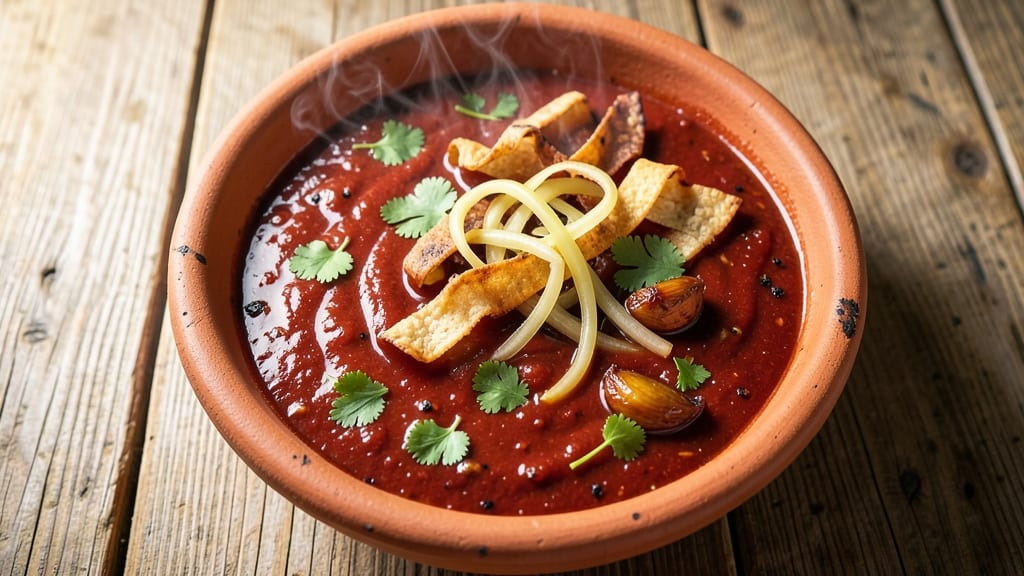
This authentic red tamale sauce recipe delivers the smoky, tangy depth of traditional Mexican cooking without the canning process. The secret lies in charring tomatoes and chiles over an open flame, then simmering them with garlic, onions, and a touch of masa harina for that signature earthy richness.
I've perfected this technique after years of testing—it's the same sauce I use for my homemade tamales, and it keeps beautifully for weeks in the fridge.
The foundation starts with a simple blend of fresh tomatoes and dried chiles, roasted until their skins blacken and their flavors deepen. This process unlocks natural sweetness while adding that essential smoky character. No shortcuts here—just the traditional method that makes this sauce taste like it's been simmering all day.
The result is a vibrant red sauce with layers of complexity that elevate any dish it touches.
What sets this sauce apart is its versatility—use it as a dip for tamales, a topping for grilled meats, or a base for soups and stews.
The masa harina adds a subtle corn flavor that bridges the gap between traditional and modern tastes, while the slow simmer ensures every ingredient melds perfectly. This isn't just a sauce; it's a flavor experience that transforms ordinary meals into something extraordinary.
Once you taste this sauce, you'll never settle for store-bought again. The balance of heat, acidity, and smokiness is just right, and the texture is smooth yet vibrant.
Ready in about 45 minutes, this recipe is perfect for meal prep—make a big batch and enjoy it all week. Let's get started on creating something truly authentic.
Ingredients for authentic red tamale sauce
Fresh tomatoes and chiles meet smoky garlic for a sauce that tastes like tradition.
| Ingredient | Amount | Notes |
|---|---|---|
| Fresh Roma Tomatoes 🍅 | 4 whole | Large, ripe, halved for charring |
| Dried Ancho Chiles 🌶️ | 4 whole | Stemmed, seeded, toasted |
| Dried Guajillo Chiles 🌶️ | 2 whole | Stemmed, seeded, toasted |
| Yellow Onion 🧅 | 1 whole | Medium, diced |
| Garlic Cloves 🧄 | 6 cloves | Fresh, peeled, chopped |
| Masa Harina 🌽 | ¼ cup | For corn flavor |
| Extra-Virgin Olive Oil 🫒 | ¼ cup | For charring and cooking |
| Apple Cider Vinegar 🍎 | 2 tbsp | For tangy depth |
| Salt 🧂 | 1 ½ tsp | Kosher or sea salt |
| Ground Cumin 🌿 | ½ tsp | Toasted for warmth |
The chiles are the heart of this sauce—look for ancho and guajillo at Mexican markets or the Latin foods aisle. Penzeys carries great quality if you can't find them fresh. Toast them in a dry skillet until fragrant, then soak in hot water to soften. The tomatoes? Roma are ideal—their meaty texture holds up to charring. I always grab a few extra, just in case. For the masa harina, Maseca is the brand I trust, but any corn masa will work. The key is toasting the chiles—this unlocks their depth and smokiness.
No ancho or guajillo? Substitute with 2 dried chipotle peppers in adobo for heat, or 1 dried pasilla for earthiness. Fresh tomatoes not available? Canned San Marzano tomatoes work in a pinch, but skip the juice. The garlic can be roasted with the tomatoes for extra sweetness. Want more tang? Add a splash of lime juice at the end. The cumin is non-negotiable—it bridges the gap between the smoky chiles and the tomato base. If you're short on time, use ground cumin but toast it first for better flavor.
This sauce tastes even better the next day—make a big batch and store it in the fridge for up to 2 weeks. The flavors meld beautifully over time. For freezing, portion into ice cube trays and transfer to a bag—use within 3 months. I always keep a jar in my fridge for quick weeknight meals. The sauce thickens as it cools, so stir in a splash of water or broth if it gets too stiff. Perfect for dipping, drizzling, or simmering into soups.
Why You'll Love This Recipe
- No-Fuss Simmer: The dried chiles just need a quick soak and a slow simmer—no fancy techniques, just patience. I toss in the Roma tomatoes raw, and they melt into that velvety sauce while I chop onions. Honestly, the hardest part is waiting for the garlic to caramelize just right.
- Smoky-Sweet Magic: That balance of ancho’s earthy heat and guajillo’s fruity depth? It’s the kind of flavor that makes you pause mid-bite. The charred onion and Roma tomatoes add this bright, tangy sweetness that cuts through the richness of tamales—or enchiladas, or even eggs.
- Weeknight Workhorse: This sauce keeps for days in the fridge, so I make a big batch and use it all week. Drizzle it over breakfast tacos, stir it into beans, or toss it with grilled veggies. Between us, it’s my go-to for when I’m too tired to think but still want something that tastes like I tried.
- Budget Boost: Dried chiles and Roma tomatoes stretch this recipe into a whole meal’s worth of flavor. I’ll be real: a handful of chiles and a few tomatoes go a long way, and the leftovers? They’re the reason my freezer’s always stocked with backup sauce for lazy Sundays.
Step-by-step instructions for authentic red tamale sauce
Here's how to build rich, smoky depth from scratch—no shortcuts, just pure flavor.
Toast and Rehydrate the Dried Chiles
In a dry skillet over medium heat, toast the 4 whole dried ancho chiles and 2 whole dried guajillo chiles for 30-45 seconds per side until fragrant and slightly puffed. This step awakens their natural oils and deepens the smoky notes. Immediately transfer them to a bowl and cover with hot water to soak for 15 minutes—they'll soften enough to blend easily.
I like to work in batches here—don't crowd the pan or they'll steam instead of toast. The chiles should smell earthy and warm when done. While they soak, prepare the tomatoes by halving the 4 whole fresh roma tomatoes and scoring the cut sides with a knife to help them release their juices during charring.
Char the Tomatoes and Aromatics
Heat a grill pan or cast-iron skillet over high heat until very hot. Add the halved tomatoes, cut-side down, and char for 3-4 minutes until deeply blistered with blackened spots. Flip and char the other sides. Meanwhile, in the same pan, add 2 tablespoons of the extra-virgin olive oil and 1 whole yellow onion cut into ½-inch dice. Cook until the onions soften and begin to caramelize, about 8 minutes.
The charring gives that smoky depth you find in store-bought sauces, but with fresher flavor. If you don't have a grill pan, a dry skillet works—just watch closely to avoid burning. Remove the charred tomatoes and set aside, then add the 6 cloves garlic cloves to the pan and cook for 30 seconds until fragrant. This quick cooking preserves their sweetness instead of letting them turn bitter.
Blend the Sauce Base
Drain the soaked chiles and add them to a blender along with the charred tomatoes, caramelized onions, garlic, 2 tablespoons apple cider vinegar, 1.5 teaspoons salt, and 0.5 teaspoon ground cumin. Blend until completely smooth, scraping down the sides as needed. The sauce should be thick but pourable—if it's too thick, add 2-3 tablespoons water to reach the right consistency.
Here's the thing—don't rush the blending. You want every bit of chile and tomato incorporated so the sauce develops that signature tamale depth. If your blender isn't powerful enough, strain the mixture through a fine-mesh sieve afterward to ensure silkiness. The vinegar brightens the smoky flavors while the cumin adds that warm, earthy backbone.
Simmer and Thicken
Transfer the blended sauce to a saucepan and bring to a gentle simmer over medium-low heat. Let it cook uncovered for 15-20 minutes, stirring occasionally, until it thickens slightly and reduces by about 25%. The sauce should coat the back of a spoon but still be smooth and glossy. If it thickens too much, whisk in 1 tablespoon water at a time until you reach the right consistency.
This simmering step concentrates the flavors and mellows any harshness from the chiles. I like to taste it at this stage—it should be tangy, smoky, and slightly sweet with a slow-building heat. If it needs more depth, add a pinch of salt or a splash more vinegar. Once you're happy with the flavor, remove from heat and stir in the remaining 0.25 cup extra-virgin olive oil and 0.25 cup masa harina.
Finish and Adjust
Return the sauce to low heat and stir constantly for 2-3 minutes until the masa harina is fully incorporated and the sauce reaches a velvety consistency. The masa adds that subtle corn flavor and helps thicken the sauce beautifully. Taste again and adjust seasoning—you might need a touch more salt to balance the acidity from the vinegar.
Let the sauce cool slightly before serving, but don't let it sit too long or it may thicken further. This sauce is incredibly versatile—use it as a dip for tamales, a marinade for meats, or a sauce for tacos and enchiladas. The authentic smoky depth comes from the careful charring and toasting, not from any shortcuts. Store any leftovers in an airtight container in the refrigerator for up to 5 days, or freeze for up to 3 months.
Pro Tips For Making Authentic Red Tamale Sauce
- STEAM THE CHILES FIRST: I learned this the hard way—dry-roasting chiles over an open flame is a fire hazard in a small kitchen. Instead, toss them in a dry skillet over medium heat for 30 seconds per side until fragrant and slightly puffed. The heat softens them enough to remove stems/seeds without burning your fingers, and the flavor concentrates faster than soaking alone.
- CHAR THE TOMATOES: Skip the blender until the tomatoes are properly blistered. Halve the Romas, place cut-side down on a dry skillet over medium-high heat, and let them blacken in spots for 8-10 minutes. The caramelized edges deepen the sauce’s umami, and you’ll end up with fewer seeds in your final puree—no straining required.
- SAVE THE ONION SKINS: After dicing the onion, toss the skins into the chile-soaking liquid (hot water + chiles). The skins release color and sweetness into the liquid, which you’ll use to reconstitute the chiles later. It’s an easy upgrade that makes the sauce richer without extra effort—just fish them out before blending.
- LOW AND SLOW SIMMER: Once everything’s blended, resist the urge to crank the heat. A gentle simmer (small bubbles, occasional stir) for 20-25 minutes lets the flavors meld without turning the sauce bitter. I used to rush this, and the result always tasted one-dimensional—patience here is non-negotiable.
Health benefits of this recipe
Rich in Antioxidants
This sauce is packed with antioxidant-rich ingredients like tomatoes and chiles, which help combat oxidative stress in your body. The ancho and guajillo chiles contain capsaicin, a compound known for its anti-inflammatory properties and potential to boost metabolism.
Meanwhile, tomatoes provide lycopene, a powerful antioxidant linked to heart health. I always feel more energized after enjoying this sauce, especially when paired with grilled meats or as a tamale dip. 💪
Digestive Benefits
The masa harina in this recipe introduces fiber and prebiotic properties that support gut health. Combined with the ground cumin, which aids digestion, this sauce becomes a gentle yet flavorful way to promote a healthy digestive system.
The slow-cooked tomatoes and onions also contain soluble fiber, helping to regulate blood sugar levels. I notice my meals feel lighter and more satisfying when I include this sauce in my cooking. 🌱
Low-Fat Protein Boost
While not a protein source itself, this sauce pairs perfectly with lean protein options like grilled chicken or fish, creating a balanced meal. The apple cider vinegar in the recipe helps regulate blood sugar spikes, making it ideal for those watching their carbohydrate intake.
The sauce’s natural acidity also aids in breaking down proteins during digestion. I often serve it with baked tilapia or grilled shrimp for a light yet flavorful dish. ✨
Heart-Healthy Fats
The extra-virgin olive oil used in this sauce provides heart-healthy monounsaturated fats, which support cardiovascular health. These fats help reduce bad cholesterol levels while maintaining good cholesterol. The olive oil also enhances the sauce’s richness without adding saturated fat.
I love drizzling a little extra on top of the sauce before serving—it adds a luxurious finish while keeping the dish nutritious. 💛
Versatile Nutritional Profile
This sauce is naturally gluten-free and can easily be adapted to fit various dietary needs. For a lower-sodium version, reduce the salt to 1 teaspoon or use a salt substitute. The masa harina also makes it a great option for those seeking a touch of corn flavor without gluten.
I’ve even made a spicier version by adding ½ teaspoon cayenne pepper for those who love heat. The possibilities are endless! 🌶️
Nutrition facts
Frequently asked questions
Can I substitute fresh chiles for the dried ones?
Yes, but you'll need to adjust the heat level. Use 2-3 fresh poblano peppers (roasted and peeled) plus 1-2 jalapeños for a similar flavor profile. Char them first to mimic the smoky depth from dried chiles. For milder heat, remove seeds and membranes before roasting.
Why does my sauce turn out too thin?
This usually happens from over-blending or insufficient simmering time. The masa harina should thicken the sauce during the final 2-3 minutes of cooking. If it's still too thin, whisk in 1 tablespoon cornstarch mixed with 1 tablespoon water and simmer for another 5 minutes until thickened.
How can I make this sauce spicier?
Add ½ teaspoon cayenne pepper during blending or 1-2 extra dried chiles (like chipotle or arbol) with the original ancho and guajillo. For heat control, remove seeds from fresh chiles or reduce simmering time with extra chiles to preserve their intensity.
Can I use this sauce in place of salsa?
This sauce works beautifully as a salsa substitute—its smoky, tangy depth elevates tacos, nachos, or grilled meats. For chunkier texture, reserve some diced tomatoes before blending. The masa harina gives it a richer mouthfeel than traditional salsa, making it perfect for dipping or drizzling.
What's the best way to reheat leftover sauce?
Gently warm in a saucepan over low heat while stirring constantly to prevent separation. Add 1 tablespoon water or broth if it thickens too much. Microwaving isn't recommended as it can make the sauce watery. For best results, reheat only what you'll use immediately.