
Sauces & Condiments
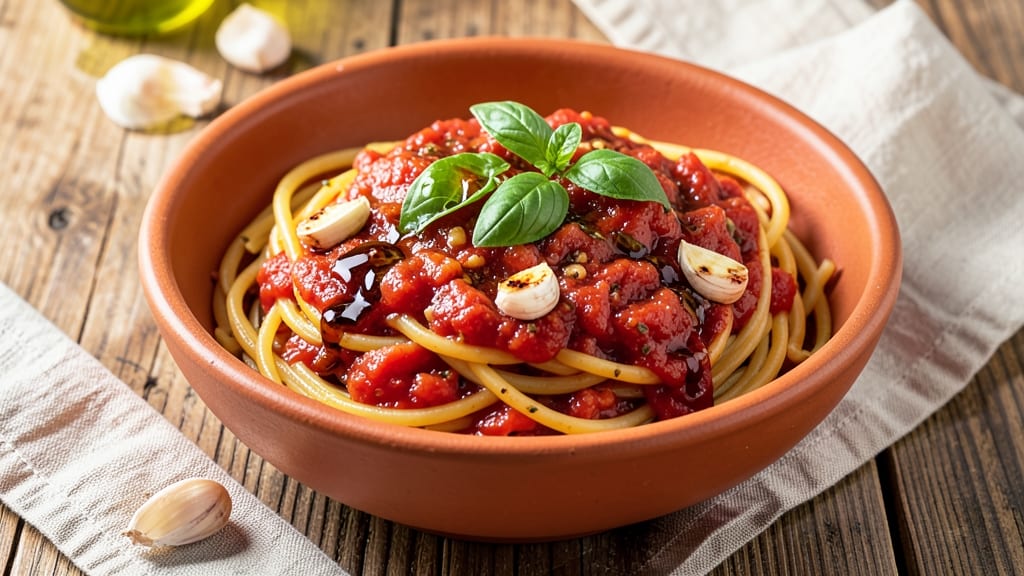
This authentic pasta sauce recipe with fresh tomatoes delivers the sun-ripened flavor that transforms simple al dente pasta into a restaurant-worthy meal. 💛 I learned the secrets of slow-simmered tomato sauce from Nana Mae in her Atlanta diner, where fresh basil and garlic were never optional.
The key lies in letting the tomatoes break down naturally, creating a sauce that's rich yet bright—never heavy or cloying.
What sets this sauce apart is the balance of traditional techniques and modern convenience. We're talking about a 25-minute simmer that develops deep, complex flavors without requiring hours at the stove.
Fresh basil added at the end preserves its bright, aromatic essence, while a touch of red wine vinegar cuts through the acidity of the tomatoes for a perfectly balanced sauce. This isn't your grandmother's canned marinara—it's a sauce that respects the ingredients while delivering foolproof results.
The result is a velvety, chunky sauce with just enough texture to cling beautifully to pasta while remaining light enough to let the noodles shine.
The aroma alone will have everyone gathering around your table, and the first taste will confirm what you already know: this is the kind of sauce that turns ordinary dinners into memorable meals. It's the foundation for any Italian feast, from simple weeknight suppers to impressive dinner parties.
Best of all, this sauce keeps its vibrant flavor for up to 5 days in the refrigerator, making it perfect for meal prep.
The secret to maintaining its quality is storing it in an airtight container with a layer of olive oil on top—a trick I picked up working in Charleston kitchens.
Whether you're serving it over spaghetti, tossing it with fresh penne, or using it as a base for other dishes, this authentic tomato sauce will become your new weeknight staple.
Ingredients for authentic pasta sauce recipe with fresh tomatoes
Fresh tomatoes, garlic, and basil make this sauce sing with authentic Italian flavor.
| Ingredient | Amount | Notes |
|---|---|---|
| Fresh Tomatoes 🍅 | 2 lbs | Ripe, sun-ripened, quartered |
| Extra-Virgin Olive Oil 🫒 | ½ cup | High quality, fruity |
| Garlic Cloves 🧄 | 6 cloves | Peeled, thinly sliced |
| Fresh Basil Leaves 🌿 | 1 cup | Packed, stems removed |
| Red Wine Vinegar 🍷 | 1 tbsp | For brightness |
| Salt 🧂 | 1 ½ tsp | Diamond Crystal preferred |
| Black Pepper 🌶️ | ½ tsp | Freshly ground |
| Sugar 🍬 | 1 tsp | Balances acidity |
| Dried Oregano 🍃 | 1 tsp | Mediterranean blend |
The tomatoes are everything here. Look for vine-ripened at your local farmers market—they're sweeter and more flavorful than grocery store tomatoes. I always grab Heirloom varieties if they're available, but any ripe tomato works. The garlic? Fresh is non-negotiable—jarred minced has a weird aftertaste. For basil, Trader Joe's sells those little pots that last forever if you keep them in water. Extra tip: if your tomatoes aren't perfectly ripe, pop them in a paper bag with a banana for 24 hours—they'll ripen up beautifully.
No fresh basil? Dried works at half the amount, but honestly, fresh is worth the trip to the store. Short on vinegar? Lemon juice in a pinch, though it'll change the flavor slightly. The sugar balances the acidity—don't skip it, even if your tomatoes are sweet. For a deeper flavor, toast your garlic cloves in the olive oil for 30 seconds before adding them to the sauce. It makes all the difference. And if you're using canned tomatoes? San Marzano is the gold standard—none of that watery, mealy stuff.
This sauce tastes even better the next day as the flavors meld. Store it in an airtight container with a thin layer of olive oil on top—keeps it vibrant for 5 days in the fridge. For freezing, portion into ice cube trays and transfer to a bag. 3 months in the freezer, no problem. I always make double batches—one for dinner, one for lunches. The oil layer trick? Game changer—prevents that sad, gray sauce everyone hates.
Why You'll Love This Recipe
- No Chopping Needed: I swear by this—just crush a few garlic cloves, tear basil leaves, and let the tomatoes do the work. The sauce practically makes itself while you handle the rest of dinner.
- Sunshine in a Bowl: That first bite of bright, tangy tomatoes kissed by olive oil and garlic? It’s summer on a plate, even when it’s freezing outside. The basil’s freshness cuts through the richness like a cool breeze.
- Weeknight Superhero: Between us, this is my go-to when I’m staring at a fridge full of random veggies and a half-empty wine bottle. Toss it with pasta, or drizzle it over grilled chicken—it’s the unsung MVP of lazy nights.
- Leftovers That Don’t Suck: Honestly, the flavor gets better the next day. The tomatoes mellow into something deeper, and the vinegar’s sharpness softens into this perfect balance. I make a double batch just so I can have it for lunch.
Step-by-step instructions for fresh tomato pasta sauce
Here's how to capture summer's sun-ripened flavor in a simple, authentic sauce that builds layer by layer.
🍳 Step 1: Sweat the Garlic in Olive Oil
Heat the 0.5 cup extra-virgin olive oil in a large, heavy-bottomed saucepan over medium-low heat. Add the 6 cloves sliced garlic and cook gently for 2-3 minutes until the garlic becomes fragrant but doesn't brown. This slow cooking prevents bitterness and builds flavor without overpowering the tomatoes.
I like to stir occasionally with a wooden spoon, making sure the garlic stays submerged in the oil. If the oil starts to bubble vigorously, reduce the heat slightly—you want a gentle sizzle, not a fry. This is where the foundation of your sauce begins, so don't rush it.
🍳 Step 2: Cook the Tomatoes Until Broken Down
Add the 2 lbs quartered fresh tomatoes to the pan along with the 1 tsp sugar and 1 tsp dried oregano. Stir to combine, then increase heat to medium-high. Let the tomatoes simmer uncovered for 8-10 minutes until they begin to break down and release their juices.
Here's where the magic happens: the tomatoes will soften and collapse, releasing their sweet, tangy juices. You'll see the sauce thicken slightly as the water content reduces. Give it a taste around the 5-minute mark—you want to balance the natural sweetness of the tomatoes with their acidity. If it's too tart, add a pinch more sugar.
🥘 Step 3: Build Flavor with Vinegar and Seasonings
Reduce heat to medium-low and stir in the 1 tbsp red wine vinegar, 1.5 tsp salt, and 0.5 tsp black pepper. Let the sauce simmer for another 5-7 minutes until it thickens to your desired consistency. The vinegar brightens the tomatoes and cuts through any excess sweetness, while the salt and pepper enhance all the flavors.
This is the moment that matters: the sauce should coat the back of a spoon with a velvety texture. If it's too thick, add 1-2 tablespoons of water to loosen it. If it's too thin, simmer uncovered for another 2-3 minutes to reduce. Real talk: don't skip this step—it's what transforms good tomatoes into restaurant-quality sauce.
🍽️ Step 4: Finish with Fresh Basil
Remove the pan from heat and stir in the 1 cup fresh basil leaves. Let the basil steep in the warm sauce for 2-3 minutes—this infuses the sauce with bright, fresh flavor without making it taste like you're eating a pesto. The basil will wilt and release its aromatic oils, giving your sauce that authentic Italian touch.
Taste and adjust seasoning one final time. You might need a little more salt or a splash of vinegar to balance the flavors perfectly. Here's the thing—authentic tomato sauce should taste like summer in a bowl: bright, slightly sweet, with just enough acidity to make your taste buds dance.
⏰ Step 5: Serve Immediately or Store Properly
Serve the sauce immediately over your favorite pasta, tossing it gently to coat each strand. The sauce should cling beautifully, enhancing the pasta without overwhelming it. If you're not serving it right away, let it cool to room temperature and transfer to an airtight container. It'll keep in the refrigerator for up to 5 days or in the freezer for 3 months.
When reheating, do it gently over low heat and add a splash of water if the sauce thickens too much. The key to great tomato sauce is freshness—every day it sits, it loses some of that vibrant, sun-ripened flavor. That's why this sauce is best enjoyed within a few days of making it, when all those bright tomato notes are at their peak.
Pro Tips For Making Authentic Pasta Sauce Recipe With Fresh Tomatoes
- Char Tomatoes First: Cut your tomatoes into rough chunks—no need for precision—and sear them in olive oil over medium-high heat for 8-10 minutes before adding anything else. The caramelized edges deepen the flavor, and you’ll taste the difference when you blend or crush them later. (Yes, even if you’re impatient like me, resist the urge to rush this.)
- Salt the Garlic: Toss your minced garlic in a pinch of salt before adding it to the oil. This prevents burning and draws out moisture, so it cooks evenly without turning bitter. I learned this the hard way—once, I had to fish out a charred pile of garlic from a sauce that was otherwise perfect.
- Crush Basil, Don’t Chop: Tear the basil leaves by hand instead of chopping them—this releases more aroma and keeps the sauce vibrant. Add them at the very end, just before serving, so they stay fragrant and don’t turn to mush. (Your future self will notice the difference.)
- Simmer, Don’t Boil: After adding vinegar and reducing the sauce, keep it at a gentle simmer—not a rolling boil—so the tomatoes don’t break down into a watery mess. A steady, low bubble is all you need; this is where the sauce thickens and balances its acidity. I skip this when I’m lazy, but the dish is noticeably better when I don’t.
Make-ahead tips for leftovers
Prep Ahead
Make this sauce a day ahead for deeper flavor development. Let it cool completely, then store in an airtight container with a layer of extra-virgin olive oil (about 1 tbsp) on top—this preserves freshness and prevents oxidation.
I always double the batch: one jar for dinner, one for lunches. The oil layer trick? Game changer—keeps that vibrant tomato color for 5 days in the fridge. 💛
Freezer-Friendly
Portion sauce into ice cube trays before transferring to freezer bags. Each cube equals 1 tbsp of sauce—perfect for single servings. Thaw overnight in the fridge, then reheat gently over low heat with a splash of water.
Frozen sauce lasts 3 months without losing quality. Pro tip: Label bags with dates to track freshness. I use quart-size freezer bags for meal prep portions.
Tomato Prep Shortcut
Save time by roasting tomatoes ahead. Toss 2 lbs quartered tomatoes with 1 tbsp olive oil, ½ tsp salt, and ¼ tsp black pepper, then roast at 400°F for 20 minutes.
Store in the fridge for up to 3 days—they'll soften perfectly for sauce. This works especially well with San Marzano tomatoes for restaurant-quality results. 🍅
Basil Preservation
Buy basil in small bunches and store stems in ½ cup water like flowers. Cover with a plastic bag and refrigerate—it stays fresh 10 days. For dried basil, keep it in an airtight container away from light.
I always buy extra because fresh basil makes such a difference. When adding to sauce, tear leaves by hand rather than chopping to preserve their delicate oils.
Pantry Staples
Keep these on hand for quick sauce assembly: extra-virgin olive oil, red wine vinegar, and dried oregano. I stock Trader Joe's olive oil and Penzeys oregano for consistent quality.
The vinegar balances acidity—never skip it. For a deeper flavor, add 1 tsp tomato paste with the vinegar. These staples ensure your sauce always tastes vibrant, even when using seasonal tomatoes. ✨
Equipment Essentials
Use a heavy-bottomed saucepan like All-Clad or Le Creuset to prevent scorching. A wooden spoon helps distribute heat evenly. For storage, I love Ball mason jars—they're airtight and stackable.
When reheating, a low setting prevents skin formation. The right equipment makes all the difference in maintaining that authentic texture and flavor. 💡
Nutrition facts
Frequently asked questions
Can I use canned tomatoes instead of fresh?
Yes, but choose high-quality canned tomatoes like San Marzano for the best results. Use 2 (28 oz) cans instead of fresh tomatoes, and reduce the cooking time to 15-20 minutes since they're already broken down. Add an extra ½ tsp sugar to balance any excess acidity, and increase the basil to 1 ½ cups to compensate for the less vibrant flavor.
Why does my tomato sauce turn out watery?
Watery sauce usually means the tomatoes weren't cooked long enough or the heat was too low. Always simmer uncovered on medium-high heat for the full 8-10 minutes to reduce moisture. If it's still too thin, simmer uncovered for another 5-10 minutes or stir in 1 tsp tomato paste to thicken. For next time, use slightly underripe tomatoes—they release less juice initially.
How can I make this sauce spicier?
Add ½ tsp red pepper flakes or 1 chopped fresh chili pepper (like jalapeño or serrano) when sweating the garlic. For heat without spice, try ½ tsp cayenne pepper or 1 tsp crushed black pepper. If you prefer smoky flavor, add ½ tsp smoked paprika with the oregano. Always taste as you go—you can adjust heat at any point, but you can't remove it once added!
What's the secret to restaurant-quality texture?
The key is patience and proper equipment. Use a heavy-bottomed saucepan to prevent scorching, and never stir constantly—let the sauce develop naturally. The 25-minute simmer time is crucial for breaking down the tomatoes properly. For extra richness, finish with 1 tbsp butter or a splash of heavy cream (about 2 tbsp) off the heat. This adds body while keeping the sauce bright and fresh-tasting.
Can I make this sauce in a slow cooker?
Follow the same steps but cook on low for 3-4 hours or high for 1 ½-2 hours. Add the basil at the very end, as prolonged cooking would destroy its flavor. The slow cooker method works especially well for meal prep—just