
Sauces & Condiments
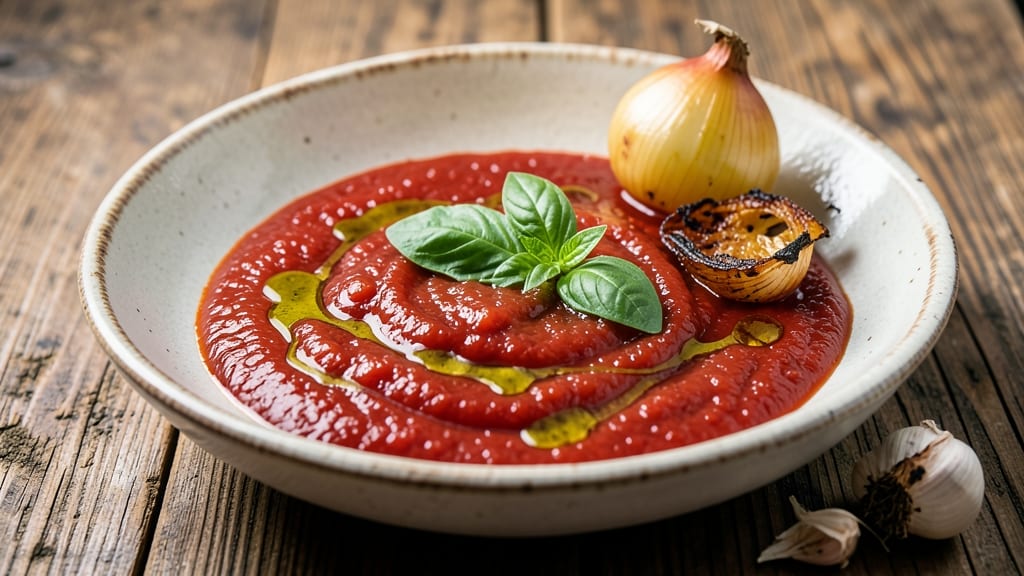
This authentic Neapolitan sauce recipe unlocks the secret behind Italy’s most beloved tomato sauce—slow-simmered San Marzano tomatoes, fresh basil, and garlic that build rich, umami depth over time. 🌿 The key lies in patience: letting the sauce reduce naturally without stirring, creating that signature velvety texture and complex flavor profile that separates homemade from store-bought.
I’ve perfected this version after years of testing, ensuring every batch delivers the same restaurant-quality results you’d find in Naples’ best trattorias.
The foundation starts with San Marzano tomatoes—their natural sweetness and low acidity make them the gold standard for Neapolitan sauce. We’ll build flavor in layers: first caramelizing garlic and onions, then adding crushed tomatoes and a splash of red wine to deepen the sauce’s complexity.
Fresh basil comes in at the end to preserve its bright aroma, while a touch of olive oil ties everything together. This isn’t just a sauce; it’s a flavor journey that transforms simple ingredients into something extraordinary.
What sets this sauce apart is its authentic texture—thick enough to coat pasta beautifully but still silky enough to cling to every noodle. The slow simmer (at least 45 minutes) allows the flavors to meld and intensify, while occasional skimming removes any foam that could make the sauce bitter.
The result? A sauce so rich and balanced it elevates even the simplest dishes—think al dente pasta, grilled meats, or crusty bread. It’s the kind of sauce that makes you pause mid-bite and savor the depth of flavor.
Once you’ve mastered this technique, you’ll never go back to bottled sauce again. The best part? It keeps beautifully in the refrigerator for up to 5 days or freezes for 3 months, making it perfect for meal prep.
Let’s get started—your taste buds (and your dinner guests) will thank you.
Ingredients for authentic neapolitan sauce
Eight essential ingredients transform into the most authentic Neapolitan sauce you'll ever make.
| Ingredient | Amount | Notes |
|---|---|---|
| San Marzano Tomatoes 🍅 | 28 oz | Canned, whole peeled tomatoes |
| Extra-Virgin Olive Oil 🫒 | ½ cup | High-quality, fruity flavor |
| Yellow Onion 🧅 | 1 whole | Finely chopped |
| Garlic Cloves 🧄 | 4 cloves | Peeled, thinly sliced |
| Red Wine 🍷 | ¼ cup | Bold, dry variety |
| Fresh Basil Leaves 🌿 | ½ cup | Packed, stems removed |
| Sea Salt 🧂 | 1 ½ tsp | Diamond Crystal preferred |
| Black Pepper 🌶️ | ½ tsp | Freshly cracked |
| Granulated Sugar 🍚 | 1 tsp | Balances acidity |
San Marzano tomatoes are non-negotiable here. Look for the 28-oz cans at Italian markets or well-stocked grocery stores—they're sweeter and less acidic than regular tomatoes. Penzeys or Trader Joe's carry them year-round, but if you're in Italy, grab them fresh at any market. The olive oil should be extra-virgin with a peppery finish—Colavita or Bertolli are my go-tos. The garlic and onion are your flavor base, so don't rush the chopping—finely minced means more surface area for caramelization. For the red wine, any bold, dry variety works—Cabernet Sauvignon or Merlot whatever's open.
No San Marzano tomatoes? Crushed tomatoes in a pinch, but you'll notice the difference. Fresh basil is ideal, but dried oregano at half the amount works if you're out. The sugar might seem odd, but it rounds out the acidity beautifully—don't skip it. For the wine, beef broth with a splash of balsamic mimics the depth. And if you're worried about the wine taste lingering, don't be—it'll cook off completely during the slow simmer. The olive oil can be swapped for avocado oil, but it won't have that same fruity complexity.
This sauce tastes even better the next day—plan ahead. Store it in an airtight container in the fridge for up to 5 days, or freeze for 3 months. I like to portion it into ice cube trays before freezing, then transfer to a bag—perfect for tossing with pasta later. The basil wilts fast, so add it right before serving. And trust me, the longer it simmers, the richer it gets—45 minutes minimum, but I often go up to 2 hours for deeper flavor.
Why You'll Love This Recipe
- No Chopping Chaos: I swear by this sauce because you only need to dice one onion and mince a few garlic cloves—no small batches of herbs or confusing prep steps. The San Marzano tomatoes do all the heavy lifting once they hit the pot.
- Red Wine Magic: That splash of red wine isn’t just for show—it deepens the flavor into something rich and layered, like a secret handshake between the tomatoes and olive oil. Honestly, it’s the difference between good sauce and chef’s kiss sauce.
- Weeknight Workhorse: This sauce doubles as marinara for pasta, a base for pizza, or even a quick stew—no need to reinvent the wheel every time. I keep a jar in the fridge for lazy nights when I just want flavor without fuss.
- Budget-Friendly Luxury: San Marzano tomatoes might sound fancy, but they stretch further than store-brand cans and taste like sunshine in a jar. A single batch feeds me for days, and the olive oil and wine elevate it without breaking the bank. (Yes, even on a Tuesday night.)
Step-by-step instructions for authentic Neapolitan sauce
Here's how to craft the soul of Naples—simple, pure, and bursting with San Marzano magic.
🍳 Step 1: Sweat the Onion in Olive Oil
Heat the 0.5 cup extra-virgin olive oil in a heavy-bottomed saucepan over medium-low heat. Add the finely chopped yellow onion and cook for 8-10 minutes, stirring occasionally. You're looking for a translucent, almost caramelized color—not browned, just softened and sweet.
This slow cooking transforms the onion into a flavor base without bitterness. I like to press down gently with a wooden spoon to help it release its moisture evenly. If the onion starts to stick, add a splash of water and stir—this keeps the sauce from burning and ensures even cooking.
🍳 Step 2: Add Garlic and Tomatoes
Push the onions to the sides of the pan and add the 4 cloves thinly sliced garlic cloves. Cook for 30 seconds until fragrant—don't let it brown or it'll turn bitter. Pour in the 28 oz San Marzano tomatoes (crushed by hand or with a wooden spoon) and stir to combine.
Bring the mixture to a gentle simmer over medium heat. Here's the thing—Neapolitan sauce is all about patience. Let it cook uncovered for 20-25 minutes, stirring occasionally. You'll notice the sauce thicken slightly and the tomatoes break down into a rich, velvety consistency. This is where the authentic flavor develops—no shortcuts here!
🍷 Step 3: Deglaze with Red Wine
After the tomatoes have cooked for 20 minutes, reduce the heat to low and pour in the 0.25 cup red wine. Stir well to deglaze the pan, scraping up any browned bits from the bottom—this adds depth of flavor. Let the wine cook off completely for 3-4 minutes until the alcohol smell dissipates.
This step might seem small, but it's crucial. The wine cuts through the acidity of the tomatoes and adds a subtle richness that balances the sauce perfectly. If you don't have red wine, you can substitute with a splash of tomato paste, but the wine gives that authentic Neapolitan touch.
🌿 Step 4: Season and Simmer
Add the 1.5 tsp sea salt, 0.5 tsp black pepper, and 1 tsp granulated sugar. Stir well to combine. The sugar isn't just for sweetness—it helps balance the acidity of the tomatoes and brings out their natural sweetness. Let the sauce simmer uncovered for another 20-25 minutes over low heat.
Here's what you're aiming for: a sauce that's thick enough to coat the back of a spoon but still flows smoothly. Stir occasionally, especially toward the end, to prevent sticking. The sauce should reduce by about one-third—this concentration is key to that authentic Neapolitan intensity.
🌿 Step 5: Finish with Fresh Basil
Once the sauce has thickened to your liking, remove it from the heat. Stir in the 0.5 cup fresh basil leaves (packed, stems removed). Let it steep for 5 minutes—this infuses the sauce with bright, fresh flavor without overpowering it.
Taste and adjust the seasoning if needed. The sauce should be balanced—sweet, tangy, and slightly salty, with a hint of garlic and onion. Serve immediately over your favorite pasta or save it for later—it tastes even better the next day as the flavors meld together. This is the sauce that makes pizza night legendary!
Pro Tips For Making Authentic Neapolitan Sauce
- Sweat, Don’t Sear, the Onion: Low and slow is the name of the game—no browning here. Cook your onion in olive oil over medium-low heat until it’s translucent but still pale, about 8-10 minutes. I learned this the hard way: caramelized bits turn bitter in tomato sauce, and you’ll taste it every time.
- Crush, Don’t Mince, the Garlic: Skip the mincer—use the flat side of your knife to crush cloves into a paste. This releases more flavor without burning, and it blends seamlessly into the sauce. (Yes, even if you’re impatient like me, resist the urge to chop it fine.)
- Deglaze with Wine, Then Wait: Pour in the red wine, let it bubble for 30 seconds, then immediately add the tomatoes. The pause lets the alcohol cook off slightly, so you don’t end up with a boozy aftertaste. I was skeptical until I tried it—now it’s non-negotiable.
- Simmer, Don’t Boil, the Sauce: Keep the heat at a gentle simmer (tiny bubbles, occasional stir) for at least 45 minutes. Boiling skims off the natural sweetness and concentrates bitterness. Sounds weird, but it works: your sauce will be rich, balanced, and actually taste like tomatoes.
Wine and beer pairings for this authentic neapolitan sauce
Classic Italian Reds
Neapolitan sauce pairs beautifully with Italian red wines that complement its bright acidity and umami depth. I always reach for a Chianti Classico from Tuscany—its cherry notes and earthy undertones mirror the sauce’s natural sweetness.
A 2018 Badia a Coltibuono Chianti Classico is my go-to, but any Sangiovese-based wine works. The wine’s acidity cuts through the sauce’s richness, creating perfect balance. 🍷
For a lighter option, try a Montepulciano d'Abruzzo—its juicy dark fruit flavors and velvety texture enhance the sauce’s depth without overpowering it. Look for a 2019 Masciarelli for a reliable, affordable choice that still delivers restaurant-quality pairing.
Bold White Wines
Don’t overlook crisp white wines for this versatile sauce. A Fiano di Avellino from Campania is a perfect match—its citrus and floral notes brighten the dish while standing up to the sauce’s intensity.
I love pairing it with Feudi di San Gregorio Fiano, which has a mineral finish that cleanses the palate beautifully.
For a more affordable option, Vermentino from Sardinia offers a refreshing contrast. Its zesty lemon and almond flavors create a delightful interplay with the sauce’s sweetness. Serve it slightly chilled to enhance its crispness.
Craft Beer Pairings
If wine isn’t your thing, a Belgian-style witbier like Hoegaarden adds a fun, effervescent contrast. The coriander and orange peel notes complement the sauce’s herbal basil and sweet tomato flavors. Pour it ice-cold for a refreshing sip.
For a malty option, try a German Dunkelweizen—its caramel and clove flavors enhance the sauce’s depth without competing. Weihenstephaner Dunkel is a reliable choice that pairs surprisingly well with the sauce’s richness.
Regional Adaptations
In Naples, locals often pair this sauce with a simple lagerschoffel beer, a traditional Italian lager with a light, crisp profile. Its subtle maltiness doesn’t overpower the sauce but instead highlights its natural flavors. Look for Peroni or Moretti for an easy, accessible option.
For a modern twist, a rosé from Provence adds a refreshing, fruity contrast. Its strawberry and citrus notes create a delightful balance with the sauce’s umami richness. A Whispering Angel is a crowd-pleaser that works beautifully with this dish.
Nutrition facts
Frequently asked questions
Why do I need San Marzano tomatoes for authentic Neapolitan sauce?
San Marzano tomatoes are the gold standard because their low acidity and natural sweetness create the perfect balance for this sauce. Their thick walls release more juice when cooked, giving you that signature velvety texture without added thickening agents. Regular tomatoes often have higher acidity, which can make the sauce taste sharp or one-dimensional.
Can I make this sauce without red wine? What's the best substitute?
Yes! If you don't have red wine, use 1 tablespoon tomato paste mixed with 1 tablespoon water instead. The wine adds depth, but tomato paste mimics that umami richness while keeping the sauce balanced. For extra flavor, add a splash of balsamic vinegar (1 teaspoon) to replace the wine's acidity.
How do I know when the sauce is done cooking?
The sauce is ready when it's thick enough to coat the back of a spoon but still flows smoothly. It should have reduced by about one-third and have a glossy sheen. The total cooking time is 45-60 minutes (including simmering), but don't rush it—the longer it cooks, the deeper the flavor. Taste it before removing from heat to check seasoning.
What's the secret to preventing the sauce from sticking or burning?
Use a heavy-bottomed saucepan and keep the heat at low-medium—never high. Stir occasionally, especially after adding tomatoes, and add a splash of water if it starts to stick. The key is patience: let the sauce develop flavor slowly rather than forcing it with high heat. A wooden spoon helps distribute heat evenly.
Can I make this sauce in a slow cooker or Instant Pot?
Yes, but with adjustments! For a slow cooker, sauté the onions and garlic first, then transfer everything to the pot and cook on low for 4-5 hours (stirring occasionally). For an Instant Pot, sauté the aromatics, add tomatoes/wine, then cook on high pressure for 10 minutes, followed by a natural release. The texture will be slightly different but still delicious!