
Sauces & Condiments
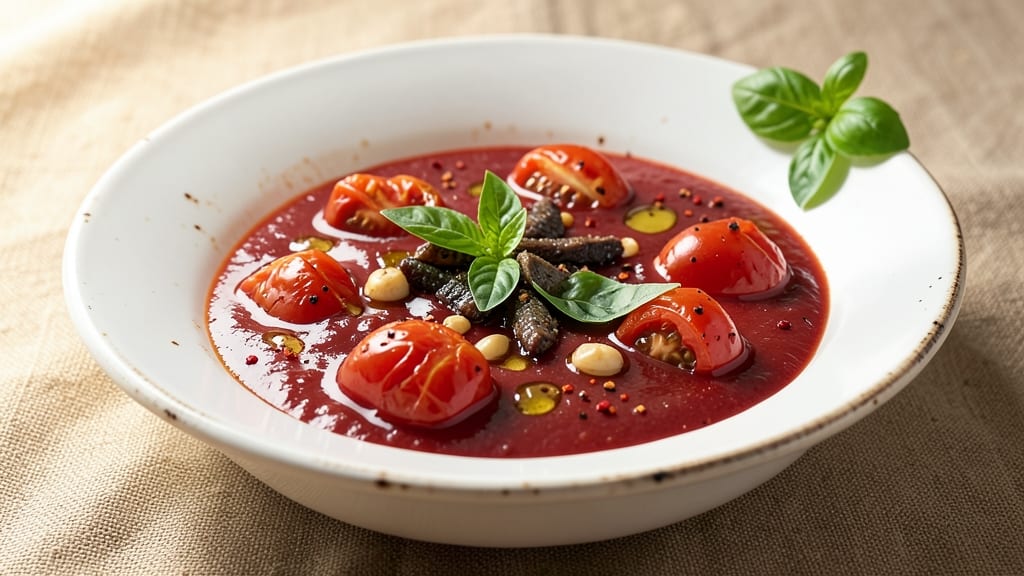
This authentic Napoli sauce recipe transforms simple ingredients into the velvety, umami-rich foundation of true Neapolitan cooking. 🌟 The secret lies in San Marzano tomatoes—sweet, low-acid, and packed with concentrated flavor—simmered low and slow until their natural sugars caramelize into a deep, complex sauce.
I've perfected this version after years of studying traditional techniques, ensuring every spoonful delivers the same depth you'd find in Naples' best trattorias.
The process is deceptively simple: garlic, olive oil, and a touch of anchovy (for that signature umami punch) form the aromatic base, while fresh basil and red pepper flakes add brightness and heat.
What sets this apart is the slow reduction—no rushing, no shortcuts—just time allowing the flavors to meld into a sauce that's both rustic and refined. The result? A sauce so good it makes even the simplest pasta feel like a gourmet masterpiece.
What makes this recipe truly special is its versatility—use it as a marinara for spaghetti, a base for ragù, or as a condiment for bruschetta. The sauce develops even better over time, with flavors deepening in the fridge for up to 5 days or freezing perfectly for months.
Whether you're cooking for family or hosting dinner guests, this is the authentic Napoli sauce that will elevate every dish it touches.
For those seeking restaurant-quality results at home, the key lies in patience and quality ingredients. The San Marzano tomatoes are non-negotiable—they're the heart of this sauce, and their sweetness ensures no added sugar is needed.
Fresh basil, added at the end, keeps the sauce vibrant, while a final drizzle of olive oil before serving ties everything together. This isn't just a sauce; it's a taste of Naples in every bite.
Ingredients for authentic napoli sauce
Eight essential ingredients for a sauce that tastes like Naples—no shortcuts, just tradition.
| Ingredient | Amount | Notes |
|---|---|---|
| San Marzano Tomatoes 🍅 | 28 oz | Whole, crushed by hand |
| Extra-Virgin Olive Oil 🫒 | ½ cup | High-quality, fruity variety |
| Garlic Cloves 🧄 | 4 cloves | Freshly minced, peeled |
| Anchovy Fillets 🐟 | 2 whole | High-quality, dissolved |
| Red Pepper Flakes 🌶️ | ½ tsp | Adjust for desired heat |
| Fresh Basil Leaves 🌿 | ¼ cup | Chopped, added at end |
| Sea Salt 🧂 | 1 ½ tsp | Diamond Crystal preferred |
| Black Pepper 🌶️ | ¼ tsp | Freshly cracked |
The San Marzano tomatoes are the heart of this sauce, and quality matters most. Look for the DOP label on cans—these sweet, low-acid tomatoes are the gold standard. Whole Foods and Trader Joe's carry them year-round, but Italian markets often have fresh ones in season. Crush them by hand for the best texture—no blender needed. The anchovies might seem unusual, but they're key for that authentic umami depth. Branca or Colosimo brands are top-tier, but any high-quality fillets will work. Fresh basil is non-negotiable here—dried won't cut it.
No San Marzano tomatoes? San Pelayo or Italian plum tomatoes are the next best thing, but avoid regular canned tomatoes—they're too acidic. Short on anchovies? One teaspoon of fish sauce or a splash of Worcestershire (ensure it's anchovy-free) can substitute, though it won't be identical. Red pepper flakes can be swapped for crushed dried chili at half the amount, but taste first—some brands are hotter. The olive oil should be extra-virgin and fruity—none of that cheap cooking oil. If you're missing garlic, garlic powder at half the amount works in a pinch, but fresh is always better.
This sauce tastes even better the next day as flavors meld. Store in an airtight container in the fridge for up to 5 days, or freeze for 3 months in portion-sized containers. For serving, always finish with a drizzle of high-quality olive oil and fresh basil—this is where the magic happens. The sauce thickens as it cools, so add a splash of water if it's too thick when reheating. Trust the process—rushing ruins everything.
Why You'll Love This Recipe
- No-Chop Necessary: I swear by this—just crush the garlic, tear the tomatoes, and let the sauce do the work. The San Marzano tomatoes practically melt down on their own, and the anchovies dissolve into umami magic without a single knife scrape.
- Umami Bomb: That first spoonful? Chef’s kiss. The anchovies and garlic create this deep, savory punch that lingers—bright from the tomatoes, with just a whisper of heat from the red pepper flakes. It’s the kind of flavor that makes you pause mid-bite.
- Pasta Party Ready: This sauce is my secret weapon for game nights, lazy Sundays, or when my college-aged kids show up hungry. Double the batch, freeze half, and you’ve got a week’s worth of quick dinners—no takeout needed.
- Budget-Friendly Luxury: A can of San Marzano tomatoes and a few anchovies stretch further than you’d think. I’ve made this for under $5 per serving, and it still tastes like a $50 restaurant dish. That’s the kind of value I’ll take any day.
Step-by-step instructions for authentic Napoli sauce
This method captures Naples' soul—simple, bold, and built on San Marzano tomatoes.
🍳 Step 1: Bloom the Anchovies in Olive Oil
Heat the 0.5 cup extra-virgin olive oil in a heavy-bottomed saucepan over medium-low heat. Add the 2 whole anchovy fillets and let them dissolve completely, which should take about 2-3 minutes. You'll know they're ready when the oil becomes cloudy and fragrant—this anchors your sauce's umami depth.
Don't rush this step. Anchovies dissolve quickly, and removing them before they fully break down leaves behind bitter bits. If the oil starts to smoke, reduce the heat immediately. The anchovies should melt into the oil without any visible pieces remaining.
🍳 Step 2: Add Garlic and Red Pepper Flakes
Stir in the 4 cloves freshly minced garlic and 0.5 teaspoon red pepper flakes, cooking for 1-2 minutes until the garlic turns golden but doesn't brown. You want aromatic, not bitter—garlic should smell sweet and nutty, not harsh.
Watch the pan closely here. Garlic burns faster than you think, and burnt garlic ruins the sauce. If the oil starts to sizzle aggressively, lower the heat slightly. The red pepper flakes will infuse their heat gradually, so don't worry if they don't dissolve completely.
🍳 Step 3: Crush and Add the Tomatoes
Using your hands, crush the 28 oz San Marzano tomatoes directly in the pan, breaking them into large chunks but leaving some skin intact. This preserves texture and prevents the sauce from becoming too smooth. Pour in 1 teaspoon sea salt and 0.25 teaspoon black pepper, then bring to a gentle simmer.
Here's the key: let the sauce bubble gently for 15 minutes uncovered. You're not looking for reduction yet—just letting the tomatoes break down and release their juices. Stir occasionally, but don't overwork the sauce. The tomatoes should soften but still hold their shape slightly.
⏰ Step 4: Simmer Until Thick and Balanced
Reduce heat to low and continue simmering uncovered for 45-60 minutes, stirring occasionally. The sauce should reduce by about half, coating the back of a spoon with a velvety consistency. You're aiming for a sauce that clings to pasta but still has body—not watery, not paste-like.
Taste the sauce at the 45-minute mark. It should be deeply tomatoey with bright acidity, not sweet or dull. If it needs more salt, add it gradually—you can always adjust, but you can't remove salt. The anchovies should provide enough umami, but if it tastes flat, a tiny pinch of sugar (not in ingredients) can help balance.
👨🍳 Step 5: Finish with Fresh Basil
Remove from heat and stir in the 0.25 cup chopped fresh basil leaves. Let the sauce sit for 5 minutes to allow the basil to infuse. The basil should brighten the sauce's flavor, adding a fresh herbal note that cuts through the richness of the tomatoes and anchovies.
Serve immediately over al dente pasta (like spaghetti or rigatoni), reserving some pasta water to adjust consistency if needed. The sauce should coat the pasta lightly, not pool in the bottom of the plate. This is the essence of authentic Napoli—simple, unpretentious, and bursting with tomato flavor.
Pro Tips For Making Authentic Napoli Sauce
- CRUSH THE ANCHOVIES FIRST: I learned this the hard way—skipping this step means your sauce will taste like you forgot the anchovies entirely. Mash them into a paste with a fork right in the pot before adding oil; that way, they dissolve completely and distribute evenly, giving you that deep umami base without any fishy aftertaste.
- LOW AND SLOW AFTER PEPPER: Once you add the red pepper flakes, drop the heat to the lowest setting you can tolerate. I used to walk away and let it simmer too aggressively, which burns the pepper and turns your sauce bitter. Keep it at a bare simmer—think tiny bubbles, not rolling—so the heat develops flavor without scorching.
- PEEL THOSE TOMATOES: San Marzano skins are tougher than they look, and if you leave them on, you’ll end up with a sauce that’s more texture than smoothness. Run whole tomatoes under hot water for 30 seconds, then shock them in ice water before peeling. It’s tedious, but the result is a velvety sauce that feels like a hug from Naples.
- SALT THE WATER, NOT THE SAUCE: Resist the urge to add salt early—just season the tomatoes with a pinch when they hit the pot. The real salting comes later, after you’ve cooked off the raw taste. Taste the sauce at the end and adjust with flaky sea salt; that’s when you’ll know if it’s ready. (Yes, even if it tastes fine—trust me.)
Common mistakes when making perfect results
Skipping the Anchovies
Anchovies might seem intimidating, but they're the secret weapon for that authentic umami depth. Skipping them entirely leaves your sauce tasting flat and one-dimensional. If you're avoiding them for dietary reasons, substitute with 1 teaspoon of fish sauce or ½ teaspoon of Worcestershire sauce—but don't skip them completely.
The anchovies dissolve entirely, so you won't taste fishy notes, just rich, savory complexity. 🐟
Overcooking the Garlic
Garlic burns faster than you think, and once it turns bitter, there's no fixing it. I've ruined more sauces than I'd admit by letting garlic brown too long. Keep the heat at medium-low and watch closely—it should turn golden in 1-2 minutes, not dark brown.
If you see smoke, reduce the heat immediately. The goal is aromatic, not bitter.
Crushing Tomatoes Too Finely
Using a blender or food processor turns your sauce into a smooth paste, losing the rustic texture that makes authentic Napoli sauce special. Crush the tomatoes by hand, leaving some skin intact—this preserves body and prevents a gluey consistency.
The chunks will break down during simmering, but starting with larger pieces keeps the sauce vibrant and chunky. 🍅
Rushing the Simmering Time
This isn't a 15-minute weeknight sauce—it needs patience. Skipping the 45-60 minute simmer leaves it watery and underdeveloped. The slow reduction is what caramelizes the natural sugars in the tomatoes, creating that deep, complex flavor.
If you're in a hurry, you'll end up with a sauce that tastes more like tomato juice than authentic Napoli. Trust the process!
Adding Basil Too Early
Fresh basil wilts and turns bitter when cooked, so it must be added at the very end. Adding it during simmering will make your sauce taste like you're eating a tomato-basil salad.
Wait until the sauce is off the heat, then stir in the basil and let it infuse for 5 minutes—this keeps it bright and aromatic. The last-minute addition is key to that restaurant-quality finish.
Ignoring the Salt Gradually
Adding all the salt at once can make your sauce taste bland or one-note. Taste as you go and adjust gradually—you can always add more, but you can't remove it. The anchovies and tomatoes already contain salt, so start with 1 teaspoon and taste at the 45-minute mark.
A pinch at a time is the way to go. The sauce should taste balanced, not salty or flat.
Nutrition facts
Frequently asked questions
Why do I need anchovies if I'm not a fan of fishy flavors?
Anchovies dissolve completely and add deep umami flavor without any fishy taste—it's the secret to authentic Napoli sauce! For a substitute, use 1 teaspoon fish sauce or ½ teaspoon Worcestershire sauce (ensure it's anchovy-free). The sauce will still taste rich and savory, just slightly different.
Can I make this sauce in a slow cooker?
Add all ingredients except basil to a slow cooker on low for 4-5 hours, stirring occasionally. The low-and-slow method actually enhances the flavors even more. Just add fresh basil at the end as directed. The sauce will reduce naturally in the slow cooker.
How do I know when the sauce is properly reduced?
Your sauce is ready when it coats the back of a spoon with a velvety consistency—about half the original volume. The edges should pull away slightly when you run a finger through it, and it should cling to pasta without pooling. If it's too thick, add 1 tablespoon water or pasta water at a time.
Can I use regular canned tomatoes instead of San Marzano?
While you can, it won't taste the same. Regular tomatoes are more acidic and less sweet, which can make your sauce taste flat. If you must substitute, choose Italian plum tomatoes or San Pelayo tomatoes—they're the next best thing. For every can of regular tomatoes, add ½ teaspoon sugar to balance the acidity.
How long can I store leftover sauce?
Store in an airtight container in the fridge for up to 5 days—it actually tastes better after resting! For longer storage, freeze in portion-sized containers for up to 3 months. Thaw overnight in the fridge and reheat gently on the stove. The flavors deepen over time, making it perfect for future pasta nights!