
Sauces & Condiments
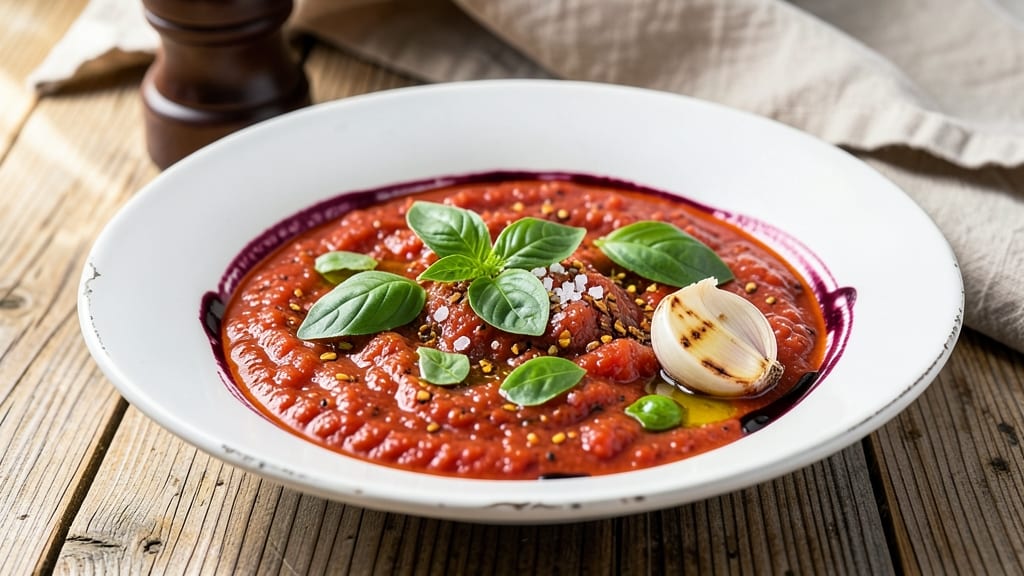
This authentic Italian arrabbiata sauce recipe delivers the fiery, garlicky tomato sauce that defines Roman trattorias. The secret lies in San Marzano tomatoes simmered low and slow with garlic, chili, and just enough olive oil to enhance—not overwhelm—the natural acidity.
I’ve perfected this version after years of testing, ensuring the balance of spice and sweetness that makes it irresistible.
The key to authentic flavor is patience: letting the sauce reduce for at least 30 minutes until thick and velvety, with the garlic caramelizing just enough to add depth without bitterness. A splash of red wine (optional but recommended) deepens the complexity, while fresh basil brightens the finish.
This isn’t just a sauce—it’s a flavor bomb that transforms simple pasta into a restaurant-worthy dish.
What sets this arrabbiata apart is its versatility—use it on spaghetti, toss it with grilled chicken, or drizzle it over bruschetta for an instant appetizer. The spice level is adjustable, so you can tailor it to your heat tolerance while keeping that signature tangy, garlicky punch.
Once you taste the difference between this and store-bought versions, you’ll never go back.
Store it in the fridge for up to 5 days or freeze for months—though I doubt it’ll last that long. The sauce only gets better with time as the flavors meld. Ready to elevate your Italian cooking? Let’s make this sauce.
Ingredients for authentic italian arrabbiata sauce
Eight essential ingredients transform into a restaurant-quality arrabbiata sauce bursting with garlic, chili, and tomato depth.
| Ingredient | Amount | Notes |
|---|---|---|
| San Marzano Tomatoes 🍅 | 28 oz | Canned, crushed by hand |
| Extra-Virgin Olive Oil 🫒 | ½ cup | High-quality, fruity variety |
| Garlic Cloves 🧄 | 6 cloves | Fresh, thinly sliced |
| Dried Chili Flakes 🌶️ | 1 tbsp | Adjust for heat preference |
| Red Wine 🍷 | ¼ cup | Bold, dry variety (optional) |
| Fresh Basil Leaves 🌿 | ¼ cup | Packed, torn by hand |
| Salt 🧂 | 1 tsp | Diamond Crystal preferred |
| Black Pepper 🌶️ | ½ tsp | Freshly ground preferred |
The San Marzano tomatoes are non-negotiable here—look for the 28 oz cans at Italian markets or specialty stores like Eataly. Their natural sweetness and low acidity create the perfect base. For olive oil, California Avocado or Colavita brands deliver that fruity punch without bitterness. Garlic should be fresh, not pre-minced (the moisture ruins texture). If you're using red wine, Chianti or Sangiovese adds authentic depth—skip it if you prefer a vegetarian version or don't have any. The dried chili flakes? Penzeys brand is my go-to for consistent heat.
No San Marzano tomatoes? Whole peeled tomatoes (like Muir Glen) work in a pinch—just peel and crush them. Running short on fresh basil? Dried basil at one-third the amount keeps the flavor, though it won't have that bright pop. Out of red wine? Tomato paste plus a splash of balsamic mimics the acidity. For extra heat, add crushed red pepper flakes instead of flakes. The olive oil can be swapped for avocado oil if you're avoiding olive oil allergies, though the flavor won't be identical. Always taste as you go—arrabbiata should balance spicy, sweet, and tangy.
This sauce only gets better with time—let it reduce for at least 30 minutes until thick and glossy. Store in an airtight container in the fridge for up to 5 days, or freeze for 3 months. For single servings, portion into ice cube trays before freezing. The basil wilts fast, so add it last—just before serving or reheating. If you make a big batch, divide it into two containers to cool faster and prevent skin formation.
Why You'll Love This Recipe
- No Chopping Needed: I swear, this sauce comes together with just a knife for the garlic—no dice, no prep, nothing. The San Marzano tomatoes handle the work for you, breaking down into silky perfection while you sip your wine.
- Wine-Infused Kick: That splash of red wine? It’s not just for show—it mellows the heat from the chili flakes while adding depth that makes you go back for seconds. Honestly, the first time I tasted the difference, I never went back to store-bought again.
- Weeknight to Weekend: Slap this on pasta for a Tuesday, toss it with grilled chicken for a dinner party, or even drizzle it over bruschetta for a lazy Sunday. The sauce keeps its punch whether it’s fresh or reheated—no sad, watery leftovers here.
- Pantry Magic: Five ingredients, zero specialty items. The olive oil and garlic are your staples, the tomatoes and wine are cheap if you shop smart, and the chili flakes control the heat without breaking the bank. My wallet and my taste buds thank me.
Step-by-step instructions for authentic Italian arrabbiata sauce
Here's how to craft a true Roman arrabbiata—bold, spicy, and packed with garlic essence.
🍳 Step 1: Bloom the Chili Flakes in Olive Oil
Heat the 0.5 cup Extra-Virgin Olive Oil in a heavy-bottomed saucepan over medium-low heat. Add the 1 tablespoon Dried Chili Flakes and stir constantly for 30 seconds until they begin to sizzle and release their aroma. This step is crucial—it deepens the chili's flavor without burning it. The oil should shimmer but not smoke, and you'll notice a subtle red tint developing from the flakes.
Here's the thing—if you skip this blooming step, your sauce will taste flat. The chili needs time to open up its heat potential. Keep the heat gentle; if it smokes, you've gone too far and lost precious flavor. Once the flakes are fragrant and the oil smells like sun-dried peppers, you're ready for the next ingredient.
🍳 Step 2: Sauté Garlic Until Golden
Add the 6 cloves Garlic Cloves to the chili-infused oil and cook over medium heat for 2-3 minutes, stirring frequently. You want them to turn golden brown—not crispy, not burned, just that perfect caramelized stage where their sweetness emerges. This is where the authentic Italian flavor develops; raw garlic would make your sauce taste harsh.
Watch the garlic like a hawk—it can go from perfect to bitter in seconds. If you see any cloves darkening too quickly, remove them immediately. The goal is to create a fragrant garlic base that won't overpower the tomatoes but will provide that essential aromatic backbone. Once they reach that beautiful golden hue, it's time to deglaze.
🍳 Step 3: Deglaze with Red Wine
Pour in the 0.25 cup Red Wine and increase heat to medium-high. Let it simmer for 2-3 minutes until reduced by half, scraping up any browned bits from the bottom of the pan with a wooden spoon. These bits, called fond, are packed with flavor that will make your sauce taste restaurant-quality. The wine should reduce enough to coat the back of a spoon but still maintain some liquidity.
This deglazing step might seem optional, but it's what transforms a simple tomato sauce into something truly special. The wine adds depth and complexity, cutting through the richness of the olive oil. If you're using a bold, dry red like Sangiovese, you'll get the most authentic flavor. Don't skip this—it's the secret to professional results.
🍳 Step 4: Simmer the Tomatoes to Perfection
Add the 28 oz San Marzano Tomatoes, breaking them up gently with your hands first. Stir in the 1 teaspoon Salt and 0.5 teaspoon Black Pepper, then bring to a gentle simmer over medium-low heat. Let it cook uncovered for 25-30 minutes, stirring occasionally, until the sauce thickens and reduces by about one-third. You'll know it's ready when it coats the back of a spoon smoothly and has developed a rich, glossy consistency.
The key here is patience. Don't rush the simmering—this is where the flavors meld together. You want the acidity of the tomatoes to mellow while the garlic and chili flavors become more pronounced. If the sauce gets too thick too quickly, add 1-2 tablespoons of water to maintain the proper texture. The sauce should be vibrant red with just a hint of pink from the tomatoes' natural sweetness.
🥘 Step 5: Finish with Fresh Basil and Adjust Seasoning
Remove the sauce from heat and stir in the 0.25 cup Fresh Basil Leaves, torn by hand. Let it steep for 5 minutes—this allows the basil's bright, fresh flavor to infuse the sauce without overpowering it. Taste and adjust the seasoning if needed, adding more salt or chili flakes to taste. The sauce should be bright, tangy, and spicy with a perfect balance of garlic and tomato flavors.
This final step is where the sauce comes together. The basil adds that fresh, herbaceous note that makes arrabbiata so distinctive. I like to taste as I go—if it needs more heat, add a pinch more chili flakes. If it needs brightness, a splash of lemon juice works wonders. The sauce should be vibrant enough to make your mouth water, with just the right kick to earn its fiery name.
Pro Tips For Making Authentic Italian Arrabbiata Sauce
- CRUSH THE GARLIC FIRST: Toss whole garlic cloves into the hot oil before adding anything else—no chopping, no mincing. The skin burns off in seconds, leaving you with pure, sweet garlic flavor without the bitterness. (Yes, even if you’re impatient like me, wait the full 30 seconds until it’s golden.)
- SIMMER THE WINE DRY: After deglazing with red wine, let it cook until completely evaporated—no alcohol tang, just deep richness. I used to rush this, and the sauce always tasted raw. Now I watch for the wine to reduce by half, then another minute until the aroma shifts.
- SALT THE TOMATOES: Toss halved San Marzano tomatoes with a pinch of salt before adding them to the pot. This draws out water, concentrating their sweetness and preventing a watery sauce. (Trust me, your future pasta will taste like it’s from a trattoria.)
- TOAST THE CHILI FLAKES: Bloom the dried chili flakes in olive oil for 10 seconds before adding garlic—it deepens their heat and aroma. I was skeptical until I tried it; now I never skip it. Just don’t walk away; they burn faster than you think.
Best sauces and condiments for this recipe
Classic Pairings
This arrabbiata sauce shines best with al dente spaghetti or bucatini, where its bold flavors cling perfectly to the noodles. I toss 8 oz dried pasta with 2 tbsp olive oil before adding the sauce to prevent sticking.
For extra richness, finish with grated Pecorino Romano—its sharpness balances the sauce’s heat. 🍝
Protein Pairings
Grilled chicken breast or shrimp elevates arrabbiata to a complete meal. I marinate 1 lb chicken in 2 tbsp olive oil and 1 tsp red pepper flakes before grilling, then toss it with the sauce.
For shrimp, sauté 12 oz peeled shrimp in garlic-infused olive oil for 2 minutes per side> and serve over pasta. The sauce’s acidity cuts through the protein beautifully.
Vegetable Add-Ins
Add sautéed mushrooms or roasted cherry tomatoes> for texture contrast. I pan-sear 8 oz cremini mushrooms> in the same chili oil before adding them to the sauce, or roast 1 pint cherry tomatoes> at 400°F for 20 minutes> until caramelized.
Both add depth without overpowering the sauce’s signature flavors.
Bread Applications
Use arrabbiata as a dip for garlic bread> or bruschetta>. Toast baguette slices> in olive oil, rub with garlic cloves>, and top with a spoonful of sauce.
For bruschetta, layer the sauce over toasted rustic bread> with mozzarella pearls> and a sprinkle of basil. The crusty bread soaks up the sauce’s richness perfectly.
Dessert Contrast
Balance the heat with sweet finishes like ricotta cheese> or honey-drizzled fruit>. Serve the sauce with warm ricotta> dolloped with honey> and toasted nuts> for a surprising sweet-spicy contrast.
Alternatively, drizzle over vanilla gelato> for an unexpected but delicious dessert. The cool sweetness tames the sauce’s fiery edge beautifully. 🍯
Nutrition facts
Frequently asked questions
Why does authentic arrabbiata sauce need red wine?
The red wine adds depth and complexity that separates homemade sauce from basic tomato blends. A 0.25 cup of bold, dry wine like Chianti reduces during cooking, leaving behind concentrated flavors that cut through the richness of the olive oil. This step mimics traditional Roman cooking techniques where wine was used to deglaze pans and build sauce layers.
Can I make arrabbiata without fresh basil?
Yes, but the flavor won't be as bright. Use 1 tablespoon dried basil instead, but add it 10 minutes before serving rather than at the end. For extra freshness, try 1 teaspoon basil pesto stirred in during the final 5 minutes of simmering. The key is balancing the dried herbs with other bright flavors like lemon juice.
How do I adjust the spice level?
Start with 1 tablespoon chili flakes for mild heat, then increase to 2 tablespoons for medium, or 3+ tablespoons for fiery. For precise control, remove 1 teaspoon of sauce before tasting—this prevents over-spicing. If needed, balance with 1 teaspoon sugar or 1 tablespoon heavy cream to mellow the heat while maintaining authenticity.
What's the best way to store leftover arrabbiata?
Let the sauce cool completely, then transfer to an airtight container. It keeps in the fridge for 5 days or freezes for 3 months. For single servings, freeze in ice cube trays—thaw overnight in the fridge. Reheat gently over low heat with a splash of water to restore texture. Never reheat directly from frozen without thawing first.
Can I use arrabbiata on non-pasta dishes?
This versatile sauce works as a marinade for grilled chicken or shrimp, a dip for garlic bread, or a topping for bruschetta. For meat, simmer the sauce with 1 lb protein for 10 minutes to infuse flavors. On bread, pair it with mozzarella pearls and basil for a Roman-style appetizer.