
Sauces & Condiments
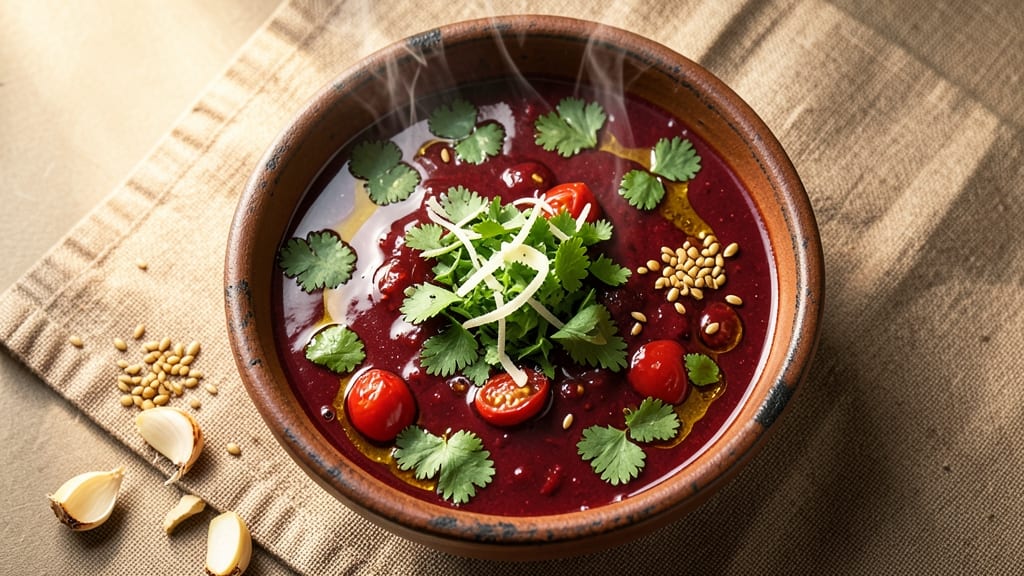
This authentic Indian curry sauce transforms simple proteins into restaurant-quality dishes with its aromatic spice blend and rich tomato base. The foundation begins with slow-cooked onions and ginger, which form the flavor backbone before tomatoes and spices deepen the complexity.
What sets this sauce apart is the balance of heat, sweetness, and umami—achieved through careful spice toasting and simmering without burning.
The sauce builds in layers: first, whole spices toast to release their essential oils, then aromatics caramelize for depth, and finally, coconut milk adds creaminess while preserving authenticity. Unlike many shortcut versions, this recipe uses fresh ginger and tomatoes for brightness, ensuring the sauce doesn’t turn bitter or overly oily.
The result is a versatile condiment that clings to meat, vegetables, or rice while enhancing their natural flavors.
Perfect for weeknight dinners or meal prep, this curry sauce keeps well in the refrigerator for up to 5 days or freezes for 3 months without losing its vibrant color or depth. Pair it with grilled chicken, pan-fried tofu, or steamed basmati rice for an immediate flavor upgrade.
The secret lies in patience—letting the spices and aromatics develop their full potential before the sauce comes together.
For dietary flexibility, adjustments are simple: swap coconut milk for cashew cream for vegan options or reduce the chili heat by omitting red chili flakes. The technique remains the same, proving that authenticity doesn’t require compromise. Let’s create a sauce that elevates every dish it touches.
Ingredients for authentic indian curry sauce
Twelve ingredients for a sauce that captures the essence of authentic Indian cooking—layered with caramelized aromatics and balanced spice.
| Ingredient | Amount | Notes |
|---|---|---|
| Yellow Onions 🧅 | 2 whole | Finely chopped, caramelized |
| Fresh Ginger 🌿 | ½ cup | Finely grated, organic preferred |
| Garlic Cloves 🧄 | 6 cloves | Peeled, minced |
| Canned Crushed Tomatoes 🍅 | 14 ½ oz | San Marzano preferred |
| Whole Cumin Seeds 🌶️ | 1 tbsp | Toasted for depth |
| Ground Coriander 🌿 | 1 tbsp | Freshly ground preferred |
| Turmeric Powder 🌶️ | 1 tsp | Bright yellow, vibrant |
| Ground Cardamom 🌿 | ½ tsp | Freshly ground preferred |
| Red Chili Flakes 🔥 | 1 tsp | Adjust for heat preference |
| Coconut Milk 🥥 | 1 can | Full-fat, 13.5 oz can |
| Extra-Virgin Olive Oil 🫒 | ¼ cup | For sautéing onions |
| Salt 🧂 | 1 tsp | Diamond Crystal preferred |
| Black Peppercorns 🌶️ | ½ tsp | Freshly cracked |
The foundation of this sauce lies in the quality of your aromatics and spices. San Marzano tomatoes are essential—their sweetness and acidity create the perfect base. For ginger, organic is ideal as it tends to be more potent. Whole cumin seeds should be toasted until fragrant, not burnt, to release their full depth. Cardamom can be tricky to find fresh, so Penzeys or Indian specialty stores are your best bets. If you're using dried, grind them just before adding to the sauce to preserve their aroma. The onions should caramelize slowly over 20-25 minutes—don't rush this step, as it builds the sauce's complexity.
No whole cumin seeds? Ground cumin at half the amount works in a pinch, though it lacks the toasted depth. Substituting coconut milk for cashew cream makes this vegan without compromising texture. Fresh ginger is non-negotiable—dried lacks the brightness, but if you must, use one-third the amount. For heat control, reduce or omit the chili flakes entirely. The olive oil matters here too—use a high-quality extra-virgin with a peppery finish to complement the spices. If you're short on time, pre-minced garlic is fine, but freshly minced adds another layer of flavor.
This sauce develops even better the next day as the flavors meld. Store in an airtight container in the fridge for up to 5 days, or freeze for 3 months in portion-sized containers. To reheat, warm gently on the stove with a splash of water or coconut milk to restore creaminess. The sauce thickens as it cools, so stir in a bit of water if it becomes too stiff. For meal prep, make a double batch—it's perfect over rice, paired with proteins, or drizzled over roasted vegetables.
Why You'll Love This Recipe
- One-Pot Magic: I swear by this—just onions, ginger, garlic, and tomatoes in one pot, simmering until the cumin seeds pop like tiny firecrackers. No extra bowls, no mess, and the aroma alone tells you it’s working.
- Deep Umami Bomb: That crushed tomato base isn’t just filling—it’s where the flavor explodes. The slow simmer lets the ginger and garlic mellow into something rich, while the cumin seeds add a smoky crunch that lingers. Honestly, it’s the kind of sauce that makes you pause mid-stir and think, “Wait, is this really just five ingredients?”
- Weeknight to Party: Slap this over rice for a Tuesday dinner, or drizzle it on grilled chicken for a Sunday gathering. It’s my go-to for lazy nights (hello, frozen naan) and the star of potlucks when I don’t want to bring a casserole. Between us, it’s the only sauce that feels equally at home in a takeout container or a fancy bowl.
- Budget Flavor Multiplier: A can of tomatoes and a handful of spices stretch into days of meals—think curry, stew, even a quick pasta sauce. I make a big batch on Sundays, freeze half, and still have enough for lunches. Not the prettiest, but the taste makes up for it every time. Plus, the cumin seeds? They’re cheap and pack a punch.
Step-by-step instructions for authentic Indian curry sauce
This method delivers restaurant-quality depth with proper spice blooming and layering techniques.
Develop the Spice Base with Whole Cumin Seeds
Heat the 0.25 cup extra-virgin olive oil in a heavy-bottomed saucepan over medium heat until shimmering. Add the 1 tablespoon whole cumin seeds and toast them for 30-45 seconds until they release their aroma and begin to pop gently. This step is crucial—it awakens the cumin's earthy complexity that will permeate your sauce.
Watch carefully as the seeds darken slightly. If they burn, you'll taste bitterness instead of warmth. The moment they turn a rich golden color and emit a toasty fragrance, immediately add the 2 whole yellow onions that you've finely chopped. Stir to coat the onions completely in the fragrant oil.
Caramelize Onions and Incorporate Aromatics
Cook the onions over medium-low heat for 15-20 minutes, stirring occasionally, until they develop a deep amber color and sweet caramelized flavor. This slow cooking process transforms their natural sugars into complex sweetness that forms the sauce's foundation.
When the onions are nearly caramelized, add the 0.5 cup finely grated fresh ginger and 6 cloves minced garlic cloves. Cook for an additional 3-4 minutes until the raw garlic aroma disappears and the mixture becomes fragrant. The ginger should melt into the onions, creating a cohesive aromatic base that carries all the spices to come.
Bloom the Spices and Add Tomatoes
Increase heat to medium-high and add the 1 tablespoon ground coriander, 1 teaspoon turmeric powder, 0.5 teaspoon ground cardamom, and 1 teaspoon red chili flakes. Stir vigorously for 30 seconds to bloom the spices and release their essential oils. You'll notice the mixture darkens slightly and fills your kitchen with an intoxicating aroma.
Pour in the 14.5 ounces canned crushed tomatoes and add the 1 teaspoon salt. Stir well to combine, then reduce heat to medium-low and let the sauce simmer uncovered for 15-20 minutes until it thickens slightly. The tomatoes should break down and meld with the spices, creating a rich, concentrated base.
Finish with Coconut Milk and Pepper
Once the tomato mixture has thickened, stir in the 1 can full-fat coconut milk and the 0.5 teaspoon freshly cracked black peppercorns. The coconut milk should blend smoothly into the sauce, creating a velvety texture while adding subtle sweetness that balances the spices.
Simmer the sauce for an additional 5-7 minutes until it reaches your desired consistency—it should coat the back of a spoon but remain pourable. Taste and adjust seasoning if needed, remembering that the spices will intensify as the sauce cools. For an extra layer of authenticity, finish with a pinch of ground cardamom if you prefer a more pronounced floral note.
Rest and Serve with Confidence
Remove the sauce from heat and let it rest for 10 minutes before serving. This resting period allows all the flavors to fully meld and develop, resulting in a sauce that's more cohesive and flavorful than if served immediately.
The finished curry sauce should have a vibrant color with visible spice flecks suspended throughout. Its aroma should be complex—earthy from the cumin, floral from the cardamom, and slightly sweet from the caramelized onions. Serve it immediately over rice, grains, or with your choice of protein to experience the full depth of authentic Indian flavors.
Pro Tips For Making Authentic Indian Curry Sauce
- Sear the Onions Slowly: I learned this the hard way—drowning onions in oil at high heat just makes them bitter. Instead, use medium-low heat and let them cook for 10-12 minutes until deep golden brown, stirring occasionally. The longer they caramelize, the richer the base flavor will be for your curry.
- Toast Cumin Seeds Properly: Whole cumin seeds burn faster than you think. Start with a dry pan on medium heat, add the seeds, and listen for that unmistakable popping sound—about 30 seconds max. Over-toasting turns them bitter, and under-toasting means they won’t release their full aroma into the sauce.
- Blend Tomatoes Until Smooth: Crushed tomatoes leave chunks that don’t break down in the sauce. Pulse them in a blender first, then strain through a fine-mesh sieve to remove skins and seeds. This ensures a silky texture and prevents your curry from looking (and tasting) uneven.
- Simmer Ginger-Garlic Paste: After frying onions and cumin, add the ginger-garlic paste and cook it for 2-3 minutes until the raw smell disappears. Skipping this step leaves a sharp, uncooked bite that fights with the other flavors—no matter how much spice you add later.
Pro cooking tips for perfect results
Spice Toasting Mastery
Toast your whole cumin seeds just until they pop—30-45 seconds over medium heat—to unlock their nutty depth. Burn them, and you'll taste bitterness instead of warmth. I use a heavy-bottomed saucepan to prevent scorching, stirring constantly until they turn golden and release that unmistakable toasty aroma. 🌶️
For ground spices, bloom them immediately after adding to the onions—this releases their essential oils. Stir vigorously for 30 seconds over medium-high heat until the mixture darkens slightly and fills your kitchen with fragrance. This step transforms dry spices into aromatic powerhouses.
Onion Caramelization Secrets
Don’t rush the 20-25 minute caramelization of your 2 onions—this is where the sauce’s sweetness develops. Cook them over medium-low heat with occasional stirring until deep amber. I like to use a wooden spoon to scrape up any browned bits from the bottom, ensuring no flavor goes to waste.
Add fresh ginger and garlic only when onions are nearly caramelized—this prevents them from burning. Cook for just 3-4 minutes until the raw garlic aroma disappears. The ginger should melt completely into the onions, creating a cohesive aromatic base.
Tomato Reduction Control
Simmer your crushed tomatoes uncovered for 15-20 minutes to develop a concentrated base. The key is maintaining medium-low heat to prevent scorching while allowing the tomatoes to break down naturally. Stir occasionally to prevent sticking—this sauce should thicken but remain pourable.
If your sauce reduces too quickly, add 1-2 tablespoons water to maintain consistency. The goal is a balanced texture that clings beautifully to proteins or grains. Taste as you go—seasoning needs may adjust based on your tomatoes’ acidity.
Coconut Milk Integration
Stir in coconut milk gently to avoid breaking its emulsion. Simmer for just 5-7 minutes—any longer risks curdling. The milk should blend smoothly, adding creaminess without overpowering the spice profile. For extra richness, I sometimes add 1 tablespoon cashew cream alongside the coconut milk.
If your sauce separates, whisk vigorously or blend briefly with an immersion blender to restore smoothness. The final texture should be velvety yet still pourable—ideal for drizzling or tossing with dishes.
Nutrition facts
Frequently asked questions
Can I make this sauce without coconut milk?
Yes! For a dairy-free version, replace the coconut milk with 1 cup cashew cream (blend soaked cashews with water) or ½ cup Greek yogurt for tanginess. If you prefer a lighter texture, use ¼ cup water or vegetable broth instead—just simmer longer to develop flavor. The sauce will be less rich but still packed with spice.
How do I adjust the heat level?
For milder heat, reduce the red chili flakes to ½ teaspoon or omit entirely. For extra spice, add ½ teaspoon cayenne pepper or 1 finely chopped green chili with the other spices. Remember: spices intensify as the sauce cools, so taste before serving.
What’s the best way to store leftovers?
Store in an airtight container in the fridge for up to 5 days. For longer storage, freeze in portion-sized containers for 3 months. Thaw overnight in the fridge—never microwave directly. To reheat, warm gently on the stove with 1 tablespoon water or coconut milk to restore creaminess.
Can I use this sauce for non-meat dishes?
This sauce pairs beautifully with grilled tofu, roasted cauliflower, or steamed vegetables. For extra richness, stir in 1 tablespoon peanut butter (for satay-style) or ½ cup tomato paste for depth. The umami from tomatoes and spices makes it versatile for any protein or grain.
Why did my sauce turn bitter?
Bitterness usually comes from burnt spices (especially cumin seeds) or over-reduced tomatoes. Prevent this by toasting spices over medium heat (not high) and simmering tomatoes uncovered at medium-low. If it happens, balance with 1 teaspoon sugar or honey and a splash of lemon juice to brighten flavors.