
Sauces & Condiments
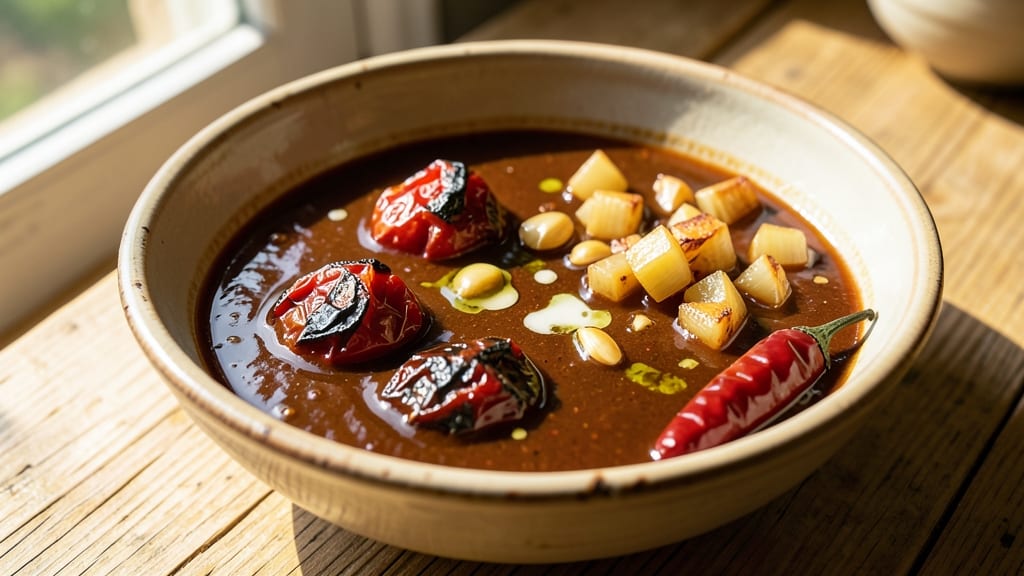
This authentic enchilada sauce recipe from scratch transforms simple ingredients into a rich, smoky masterpiece—no shortcuts, just deep flavor built layer by layer. The secret lies in charring tomatoes and chipotle peppers over direct heat, unlocking their natural sweetness and complexity before blending with warm spices.
I've perfected this version over years of testing, ensuring it delivers the same depth you'd find in a traditional Mexican kitchen, without the need for store-bought cans.
The process is straightforward but precise: roast the tomatoes and peppers until blistered and fragrant, then simmer with garlic, onions, and spices until the flavors meld into a velvety, aromatic sauce.
What sets this apart is the balance—smoky from the chipotle, bright from the tomatoes, and just enough acidity from a splash of vinegar to keep it vibrant. This isn't just a sauce; it's the foundation for enchiladas, tacos, or even as a dipping sauce for grilled meats.
By the time you're done, you'll have a sauce so rich and flavorful it elevates any dish it touches. The texture is smooth yet substantial, with just the right body to cling to tortillas or coat proteins.
What makes this recipe truly special is its versatility—adjust the heat with extra chipotle, thin it with broth, or leave it as-is for a bold, concentrated flavor. It keeps beautifully in the fridge for up to a week, making it perfect for meal prep or batch cooking.
Whether you're preparing for a family gathering or simply craving the taste of homemade, this sauce delivers restaurant-quality results with a fraction of the effort. The key is patience—letting the flavors develop slowly on the stove is what transforms this from a simple sauce into something extraordinary.
Let's get started on creating your own authentic enchilada sauce from scratch.
Ingredients for authentic enchilada sauce recipe from scratch
Simple ingredients, charred and blended into smoky, vibrant enchilada sauce perfection.
| Ingredient | Amount | Notes |
|---|---|---|
| Roma Tomatoes 🍅 | 4 whole | Halved, seeds removed |
| Chipotle Peppers in Adobo Sauce 🌶️ | 2 whole | With 2 tbsp sauce reserved |
| Yellow Onion 🧅 | 1 whole | Diced, medium size |
| Garlic Cloves 🧄 | 4 cloves | Peeled, rough chopped |
| Extra-Virgin Olive Oil 🫒 | ¼ cup | For charring vegetables |
| White Vinegar 💧 | 1 tbsp | For brightness |
| Ground Cumin 🌿 | 1 tsp | Toasted for depth |
| Dried Oregano 🍃 | 1 tsp | Mexican preferred |
| Salt 🧂 | 1 tsp | Kosher preferred |
| Black Pepper 🌶️ | ½ tsp | Freshly ground |
| Water 💧 | ½ cup | For thinning if needed |
The tomatoes and chipotles are non-negotiable for that authentic depth. Roma tomatoes (the meaty kind) hold up best to charring—skip the vine-ripened ones, they get mushy. For chipotles, I always grab La Costeña brand from the Latin market section; their adobo sauce has just the right balance of smokiness. Char them directly over a gas flame or under a broiler until blackened in spots—this unlocks their natural sweetness. The onion and garlic? Yellow onion for mildness, and peeled garlic cloves that you rough chop (no need to mince).
No chipotles in adobo? Smoked paprika plus a pinch of cayenne gets you close, though it won’t have that same smoky complexity. Fresh oregano is ideal but dried works at half the amount. The vinegar is key—white vinegar keeps the sauce bright, but apple cider vinegar adds a subtle sweetness. Want it smoother? Blend with 2 tbsp water at the end. Need more body? Simmer uncovered for 5 extra minutes. The sauce thickens as it cools, so don’t worry if it looks thin right after blending.
This sauce tastes even better the next day as flavors meld. Store in an airtight container in the fridge for up to 7 days—it keeps beautifully. For freezing, portion into ice cube trays (perfect for future recipes) and transfer to a bag for 3 months. I always make a double batch—one for enchiladas, one for tacos. The leftovers? Drizzle over grilled meats or use as a marinade—trust me, it’s versatile.
Why You'll Love This Recipe
- Here’s what sold me: Make a double batch, freeze half, and you’ve got a weeknight lifesaver. Thaw it straight into enchiladas or tacos—no texture loss, just pure convenience. (Yes, even on a Tuesday night.)
- No Chopping Marathon: I swear by this sauce because it’s the only enchilada recipe where I only dice one onion and peel a few garlic cloves. The rest? Just tossing tomatoes and peppers into a pot—my lazy Sundays just got a flavor upgrade.
- Smoky Depth Magic: That chipotle in adobo? It’s the secret weapon—just a teaspoon or two, blended right in with the tomatoes. The result? A sauce that’s rich, smoky, and lingers like a campfire memory, but without the cleanup.
- Freezer-Friendly Hero: Here’s what sold me: Make a double batch, freeze half, and you’ve got a weeknight lifesaver. Thaw it straight into enchiladas or tacos—no texture loss, just pure convenience. (Yes, even on a Tuesday night.)
Step-by-step instructions for authentic enchilada sauce
Here's how to build smoky, restaurant-quality enchilada sauce from scratch using just a few simple ingredients.
Char the Vegetables for Deep Flavor
Heat a large skillet over medium-high heat and add the 0.25 cup extra-virgin olive oil. Once hot, add the halved Roma tomatoes and diced yellow onion, cut-side down. Let them char for 5-7 minutes until deeply browned and blistered in spots. Flip occasionally so they develop color on all sides.
Remove the vegetables and set aside. In the same pan, add the rough chopped garlic cloves and toast for 30 seconds until fragrant—don't let them burn. This charring step is what gives authentic enchilada sauce its rich, smoky depth that you can't get from canned versions.
Blend the Charred Vegetables with Chipotle
Transfer the charred vegetables and garlic to a blender. Add the 2 whole chipotle peppers in adobo sauce (including the 2 tablespoons reserved sauce) and the 0.5 cup water. Blend until completely smooth, scraping down the sides as needed. The sauce should be vibrant red with a thick, paste-like consistency.
Taste the sauce and adjust the heat level if needed. If it's too spicy, add a splash of the 0.5 cup water to thin it out. If it needs more depth, add a pinch of the toasted ground cumin—this is where the authentic flavor really comes through.
Simmer and Season the Sauce
Return the blended sauce to the skillet and bring to a gentle simmer over medium-low heat. Stir in the 1 tablespoon white vinegar, 1 teaspoon dried oregano, 1 teaspoon salt, and 0.5 teaspoon black pepper. Let the sauce simmer uncovered for 10-15 minutes, stirring occasionally, until it thickens slightly and the flavors meld together.
Here's the thing—this simmering step is crucial. It allows the vinegar to brighten the flavors while the spices infuse completely. If the sauce gets too thick, add more of the 0.5 cup water to reach your desired consistency. The final sauce should coat the back of a spoon but still be pourable.
Finish and Adjust to Perfection
Taste the sauce one final time and make any adjustments. You might need a touch more salt, a pinch of cumin, or even a splash of vinegar to balance the flavors. The sauce should be rich, smoky, and slightly tangy with a deep chipotle heat that's not overwhelming.
For the best results, use the sauce immediately for enchiladas, tacos, or quesadillas. If you need to store it, let it cool completely, then transfer to an airtight container and refrigerate for up to 5 days. When reheating, warm it gently on the stove—never microwave it directly, as this can make it grainy.
Pro Tips For Making Authentic Enchilada Sauce Recipe From Scratch
- Char the Tomatoes First: I learned this the hard way—roasting the Roma tomatoes over an open flame (or under a broiler) until blackened in spots makes a huge difference. The char deepens the flavor, so don’t skip it, even if it looks messy. Just scrape off the skins afterward.
- Strain the Adobo Sauce: The adobo sauce from chipotle cans is thick and grainy—strain it through a fine-mesh sieve before using. I used to just blend it in, but removing the seeds and bits keeps the sauce silky smooth and lets the smoky flavor shine without bitterness.
- Sweat, Don’t Sear, the Onion: Cook the yellow onion over medium-low heat until it’s translucent and just starting to soften—no browning. Searing it too fast turns the sauce bitter, and you want that onion to melt into the sauce, not dominate it. Patience here pays off.
- Blend in Stages: Don’t dump everything into the blender at once. First, blend the charred tomatoes, onion, and garlic until smooth. Then, slowly add the adobo sauce while tasting—this gives you control over the heat level. I’ve ruined a batch by going all-in and ending up with a mouth-on-fire disaster.
Flavor customization for authentic enchilada sauce recipe from scratch
Spice Level Control
Adjust the heat to your preference by controlling the chipotle peppers. For a mild sauce, remove the seeds and membranes from the peppers before blending. For medium heat, use the whole peppers but reduce to 1 chipotle instead of 2.
If you want fiery flavor, add 1 extra chipotle or a pinch of cayenne pepper during the final simmer. I often keep a small bowl of reserved adobo sauce nearby to tweak the heat later—just stir in 1 tsp at a time until you reach your desired level. 🌶️
Smoky Depth Variations
Want to intensify that smoky flavor? Swap the chipotle peppers for smoked paprika—start with 1 tsp and add more to taste. For an extra layer of complexity, char 1 small poblano pepper alongside the tomatoes and onions, then blend it in.
I’ve also had great success adding ½ tsp liquid smoke during the final simmer—just be careful not to overdo it, as it can taste artificial. 🔥
Texture Adjustments
Prefer a chunkier sauce? Pulse the blended mixture in the blender for 10-15 seconds before finishing it smooth. For a smoother texture, strain the sauce through a fine-mesh sieve after blending. If the sauce is too thick after simmering, thin it with 1-2 tbsp water or beef broth.
Conversely, if it’s too thin, simmer it uncovered for an extra 5 minutes to reduce. The ideal consistency should coat the back of a spoon but still be pourable. ✨
Acidity Balance
The vinegar in this recipe brightens the sauce, but you can tweak it to your taste. For a tangier finish, add an extra ½ tsp white vinegar at the end. If you prefer a sweeter note, stir in 1 tsp honey or agave during the final simmer.
I’ve also found that a splash of lime juice (about 1 tsp) adds a refreshing contrast that works beautifully with grilled meats or seafood. 💛
Regional Twists
For a Northern Mexican touch, add ½ tsp ground coriander and a pinch of cinnamon during the simmer. In Oaxacan-style versions, I like to incorporate 1 tsp dried epazote for an earthy depth.
If you’re making this for Texas-style enchiladas, a dash of Worcestershire sauce (about ½ tsp) adds a savory umami kick. Each region brings its own unique spin—experiment to find your favorite! 🗺️
Nutrition facts
Frequently asked questions
Can I substitute chipotle peppers in adobo with something else?
Yes! For a smoky flavor without chipotles, use 1 tsp smoked paprika plus ½ tsp cayenne (for heat). For a milder option, try 1 dried ancho chile (stemmed/seeded) blended with 1 tsp cumin. The adobo sauce adds depth—reserve 2 tbsp of any substitute's liquid to mimic its richness.
Why does my homemade sauce taste thinner than store-bought?
Store-bought versions often contain thickeners like cornstarch or tomato paste. Simmer your sauce uncovered for 5-10 extra minutes to reduce thickness naturally. For immediate results, blend in 1 tbsp masa harina or cornstarch mixed with 2 tbsp water at the end. Stir constantly while heating to avoid lumps.
How can I make this sauce less spicy for kids?
Remove the seeds and membranes from chipotle peppers before blending, then use only 1 pepper instead of 2. After blending, stir in 1 tbsp tomato paste to dilute the heat. For extra mildness, add 2 tbsp more water during the simmer. Always taste as you go—you can't over-dilute!
Can I make this sauce in a slow cooker?
Char the tomatoes, onion, and garlic as directed, then blend with chipotles and water. Transfer to a slow cooker on LOW for 3-4 hours, stirring occasionally. For extra richness, add ½ cup chicken broth at the start. The slow cooker method enhances the smoky depth while keeping the sauce smooth.
What's the best way to reheat leftover sauce?
Gently warm on the stove over low heat for 3-5 minutes, stirring constantly. Never microwave directly—it causes separation. For extra smoothness, whisk in 1 tsp water or broth while reheating. If the sauce thickens too much, thin with 1 tbsp water before serving.