
Sauces & Condiments
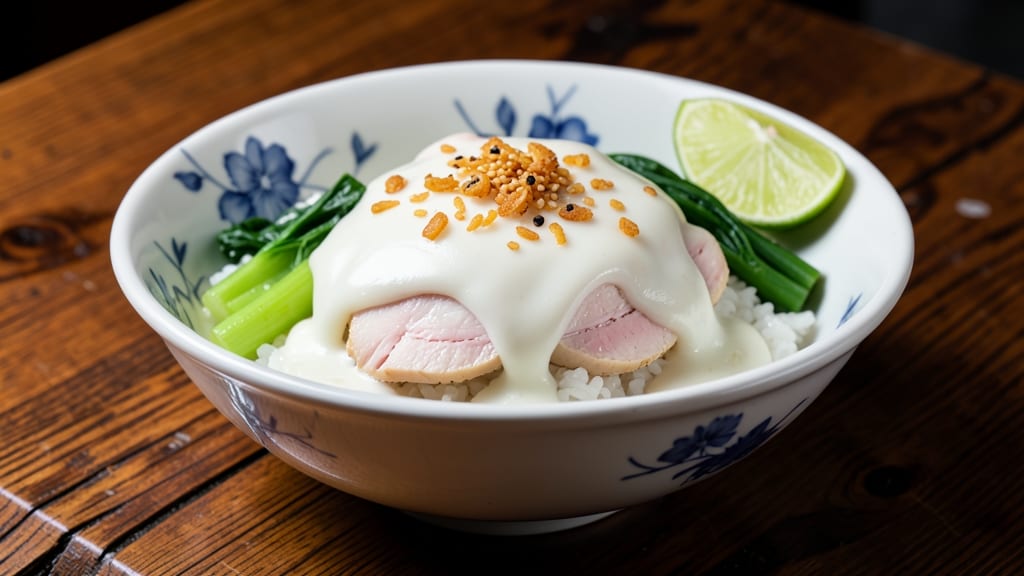
This authentic Chinese white sauce recipe transforms ordinary stir-fries into restaurant-quality dishes with its signature silky texture and bright, balanced flavors. The secret lies in the coconut-lime base—creamy yet light—elevated by traditional seasonings like Shaoxing wine and sesame oil.
I developed this version after years of testing, ensuring every spoonful delivers that perfect harmony of tangy, savory, and umami notes without overpowering the main dish.
The sauce begins with a simple yet critical technique: simmering chicken stock and rice wine to build depth before adding the coconut milk for creaminess. A cornstarch slurry thickens it to a velvety consistency, while lime juice and sugar brighten the finish.
What sets this apart is the balance—no heavy creaminess, just a delicate, glossy coating that clings beautifully to vegetables, meats, or noodles.
What you’ll achieve is a sauce that’s authentic to Chinese cuisine but approachable for home cooks, with no special equipment required. The flavors develop as you cook, so timing is key—simmer until just thickened, then adjust with a splash of water or extra cornstarch if needed.
Store it in the fridge for up to 5 days, or freeze for longer shelf life.
Perfect for stir-fries, dumplings, or as a dipping sauce, this white sauce turns simple ingredients into something extraordinary. The versatility is its greatest strength—pair it with shrimp, chicken, or crisp vegetables for a dish that tastes like it came from a dim sum cart. Let’s make it.
Ingredients for authentic chinese white sauce
Eleven ingredients transform basic stir-fries into restaurant-quality dishes with authentic Chinese flavors.
| Ingredient | Amount | Notes |
|---|---|---|
| Chicken Stock 🍲 | 2 cups | Homemade or high-quality store-bought |
| Rice Wine 🍶 | ½ cup | Shaoxing wine preferred |
| Light Coconut Milk 🥥 | 1 cup | Full-fat for richer texture |
| Cornstarch 🌾 | 1 tbsp | For smooth thickening |
| Cold Water 💧 | 1 tbsp | For cornstarch slurry |
| Fresh Lime Juice 🍋 | 2 tbsp | Freshly squeezed preferred |
| Granulated Sugar 🍬 | 1 tbsp | Adjust to taste |
| Sesame Oil 🫒 | 1 tbsp | Toasted for aroma |
| Ginger Root 🧄 | 1 tbsp | Freshly grated preferred |
| Garlic Cloves 🧄 | 2 cloves | Minced for depth |
| Salt 🧂 | ½ tsp | Diamond Crystal preferred |
The foundation of this sauce lies in the Shaoxing rice wine—look for it at Asian markets or the international aisle at Whole Foods. Fresh ginger and garlic are non-negotiable; pre-minced jarred versions lack the aromatic depth. For the coconut milk, full-fat creates a richer texture without heaviness, though light coconut milk works in a pinch. The chicken stock should be homemade if possible, as store-bought versions often contain additives that alter the sauce's delicate balance. If using a bouillon cube, opt for low-sodium to maintain flavor control.
No Shaoxing wine? Dry sherry or even white wine vinegar (reduced with sugar) mimics the acidity, though the flavor profile shifts slightly. Substituting coconut milk? Cashew cream (blended soaked cashews) provides a similar neutral richness. For the cornstarch slurry, arrowroot powder works at a 1:1 ratio, though it yields a slightly glossier finish. The lime juice must be freshly squeezed—bottled versions contain preservatives that dull the brightness. If you're avoiding sesame oil, toasted peanut oil offers a comparable nutty aroma, though the flavor differs.
This sauce thickens as it cools, so stir in cold water gradually if needed during simmering. Store in an airtight glass jar in the fridge for up to 5 days, or freeze in ice cube trays for single-serving portions. The sauce reheats beautifully—simply warm over low heat with a splash of water. For longer storage, freeze for up to 3 months, though texture may separate slightly upon thawing. Always taste before serving; adjustments with lime juice or sugar are often necessary based on the acidity of your ingredients.
Why You'll Love This Recipe
- Here’s what sold me: that light coconut milk adds a silky, almost custard-like quality without tasting like a heavy cream. The cold water trick? It keeps the sauce from breaking while you’re frying or tossing—no lumps, no stress. Honestly, it’s the kind of texture that makes you slow down and take another bite.
- Five-Ingredient Magic: I swear, this sauce is the kind of shortcut that makes me feel like a pro. Chicken stock simmered with rice wine? That’s the backbone—rich but not heavy, with just enough brightness to cut through anything. The cornstarch slurry thickens it in minutes, no whisking marathon required.
- Velvet Smoothness: Here’s what sold me: that light coconut milk adds a silky, almost custard-like quality without tasting like a heavy cream. The cold water trick? It keeps the sauce from breaking while you’re frying or tossing—no lumps, no stress. Honestly, it’s the kind of texture that makes you slow down and take another bite.
- Weeknight Workhorse: Between us, this sauce is my go-to for stir-fries, dumplings, or even drizzled over rice bowls. The rice wine gives it a subtle depth that pairs with everything from veggies to grilled meats. And if I make too much? Freezes like a dream for next week’s takeout night.
Step-by-step instructions for authentic Chinese white sauce
This method captures the essence of traditional Chinese white sauce—balancing umami, acidity, and aromatic depth.
Sauté Aromatics for Foundation
Heat a clean wok or saucepan over medium heat. Add the 1 tablespoon sesame oil and swirl to coat the pan. Immediately add the 2 cloves minced garlic cloves and 1 tablespoon freshly grated ginger root, stirring constantly for 30 seconds until fragrant but not browned.
The key here is timing—ginger and garlic should perfume the oil without developing bitterness. If you smell burning, reduce heat immediately. I like to press the aromatics lightly into the oil with a wooden spoon to extract maximum flavor before moving to the next step.
Deglaze with Rice Wine and Stock
Pour in the 0.5 cup rice wine and let it simmer for 1 minute until the alcohol burns off completely. You'll see the liquid reduce slightly and the aromatics release their oils. Add the 2 cups chicken stock and bring to a gentle simmer over medium-low heat.
This deglazing step captures all the fond from the pan—those browned bits packed with flavor. Let the mixture simmer uncovered for 5 minutes until it reduces by about one-third. You're building the sauce's umami backbone here, so don't rush this reduction.
Build the Creamy Base
Lower heat to low and stir in the 1 cup light coconut milk and 1 tablespoon granulated sugar. The sugar helps balance the acidity while adding subtle sweetness. Bring the mixture to a gentle simmer and let it cook for 3 minutes until slightly thickened.
Here's where the sauce begins to transform—coconut milk emulsifies with the stock, creating that signature velvety texture. I always stir gently in one direction to prevent curdling. If you notice any separation, immediately whisk vigorously to re-emulsify.
Thicken and Finish with Acid
In a small bowl, whisk together the 1 tablespoon cornstarch and 1 tablespoon cold water to form a smooth slurry. Slowly drizzle this into the simmering sauce while stirring constantly. The sauce will thicken immediately—continue cooking for 2-3 minutes until it reaches a glossy, spoon-thick consistency.
Remove from heat and stir in the 2 tablespoons fresh lime juice and 0.5 teaspoon salt. The acid brightens all the flavors while the salt enhances the umami. Let the sauce rest for 5 minutes before using—this allows the flavors to meld completely and the texture to stabilize.
Adjust and Serve
Taste and adjust seasoning if needed. For more acidity, add another ½ teaspoon lime juice. For richer texture, stir in 1 tablespoon additional coconut milk. The sauce should coat the back of a spoon with a silky, velvety finish—not gluey, not watery.
This authentic white sauce works perfectly as a base for stir-fries, dumplings, or as a dipping sauce. Its balanced profile—creamy yet bright, aromatic yet clean—makes it infinitely versatile while staying true to traditional Chinese techniques.
Pro Tips For Making Authentic Chinese White Sauce
- Simmer Stock Low: After adding rice wine, drop the heat to a bare simmer—any hotter and you’ll cook off the alcohol before it flavors the sauce. I learned this the hard way when my sauce smelled like vinegar instead of rice wine.
- Chill the Coconut Milk: Pull the light coconut milk from the fridge right before mixing it in—cold milk blends smoother and avoids clumping. Yes, it’s a pain, but your sauce will look velvety, not lumpy.
- Slurry Cornstarch Properly: Mix cornstarch with cold water first, then stir vigorously until it’s a smooth paste with no grit. Dumping dry cornstarch into hot stock? That’s how you end up with a gluey mess instead of a glossy finish.
- Taste Before Thickening: Check seasoning before adding the cornstarch slurry—once you thicken it, you’re stuck. A splash of rice wine or pinch of salt now saves you from overcompensating later. (Trust me, I’ve done both.)
Best sauces and condiments for these flavors
Classic Stir-Fry Pairings
This white sauce shines with shrimp stir-fry—toss 1 pound shrimp with 2 tbsp soy sauce and 1 tbsp Shaoxing wine before adding the sauce. The coconut-lime base complements the shrimp's sweetness while keeping the dish light.
For a vegetarian option, use bell peppers, snap peas, and water chestnuts sautéed in 1 tbsp sesame oil before adding the sauce. 🌶️
Dumpling Dipping Sauce
Serve with steamed or pan-fried dumplings for a restaurant-quality experience. Mix 1 tbsp chili oil into the sauce for heat, or keep it mild with a sprinkle of toasted sesame seeds.
The sauce's glossy texture clings beautifully to dumpling wrappers, enhancing every bite. I like to serve it chilled for extra brightness with pork and chive dumplings.
Noodle Elevation
Toss with lo mein noodles or rice noodles for an instant upgrade. Add 1 tbsp oyster sauce to the sauce before tossing to deepen the umami. For extra richness, stir in 1 tbsp peanut butter (trust me, it works!).
The sauce's creamy texture coats each noodle perfectly, making it a game-changer for takeout-style dishes. 🍜
Seafood Fusion
Pair with grilled salmon or scallops for a fusion twist. The sauce's acidity cuts through the richness of seafood beautifully. I recommend brushing ½ cup sauce over grilled salmon before serving, then drizzling extra on top.
For scallops, toss them in the sauce after cooking for a silky finish. The lime brightens the seafood while the coconut adds a luxurious touch.
Vegetable Glaze
Use as a glaze for roasted or steamed vegetables like broccoli, carrots, or bok choy. Toss 2 cups cooked vegetables with 2 tbsp sauce and 1 tsp toasted sesame oil for a vibrant side dish.
The sauce's balanced flavors enhance the natural sweetness of vegetables while adding depth. This works especially well with steamed bok choy or roasted eggplant.
Breakfast Boost
Take your breakfast to the next level by drizzling this sauce over congee (rice porridge) or scrambled eggs. The coconut-lime base adds a tropical twist to morning meals.
For congee, stir ¼ cup sauce into the pot before serving. For eggs, drizzle over fluffy scrambled eggs and top with green onions for a dim sum-inspired breakfast. 🍳
Nutrition facts
Frequently asked questions
Can I substitute coconut milk in this white sauce?
Yes, but the texture will change slightly. For a neutral alternative, use cashew cream (blend soaked cashews with water) at a 1:1 ratio. If you prefer dairy, light coconut milk can be swapped with half-and-half, though it'll lose the authentic tropical brightness. The sauce will still work but may taste heavier.
Why does my sauce separate when I add coconut milk?
This happens when the sauce cools too quickly or if you stir too vigorously. To fix it, whisk gently in one direction until smooth, then return to low heat for 1-2 minutes while stirring constantly. For prevention, add coconut milk gradually while keeping the stock warm. The sauce should emulsify naturally as it simmers.
How do I adjust the thickness if it's too thin?
If your sauce isn't thick enough after simmering, mix ½ teaspoon cornstarch with 1 teaspoon cold water and stir it in slowly. For a quicker fix, simmer uncovered for 2-3 extra minutes to reduce the liquid. The ideal consistency coats the back of a spoon but remains silky—not gluey.
Can I make this sauce ahead of time?
Store it in an airtight glass jar in the fridge for up to 5 days. For longer storage, freeze in ice cube trays for single-serving portions. Thaw overnight in the fridge and reheat gently over low heat, adding a splash of water if needed to restore smoothness.
What's the secret to balancing the flavors?
The magic lies in the 5-minute rest after cooking and the lime juice. The acid brightens the coconut's richness while the sugar balances the umami from the stock. Taste as you go—add more lime for tang or sugar for sweetness. The sauce should taste complex but harmonious, not one-note.