
Sauces & Condiments
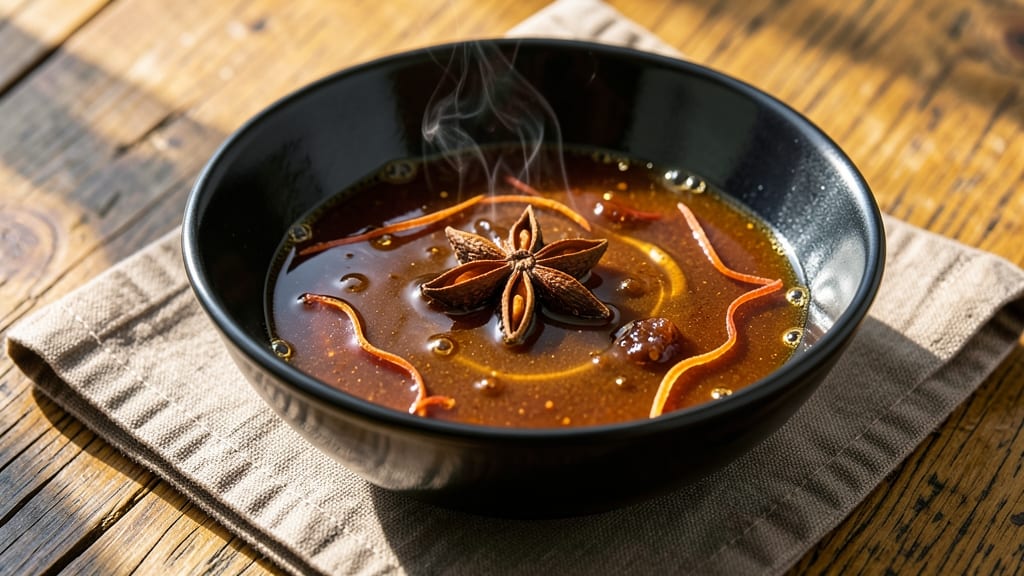
This authentic oyster sauce recipe transforms simple pantry staples into a velvety, umami-packed condiment that elevates every Asian dish. The secret lies in fermented oyster extract—rich, briny, and deeply flavorful—simmered with soy, sugar, and warming spices like star anise and ginger.
I’ve perfected this version to deliver the same depth you’d find in a jar from a specialty market, but with full control over quality and ingredients.
The process is straightforward yet transformative: a stovetop reduction where aromatics bloom and the sauce thickens into a glossy, syrupy consistency. No fermentation required—just patience and attention to balance.
The result? A sauce that’s equally at home glazing stir-fried meats, enriching soups, or drizzling over steamed dumplings, with that signature salty-sweet complexity that defines authentic Asian cooking.
What sets this apart is the authentic approach—using real oyster extract (or finely ground dried oysters) for that unmistakable oceanic depth, rather than substitutes that fall short. The sauce keeps beautifully in the fridge for weeks, and a quick pasteurization step ensures safety if you’re making a large batch.
For those avoiding seafood, a mushroom-based alternative works surprisingly well, though purists will notice the difference.
Whether you’re a home cook looking to deepen your pantry or a restaurant professional refining your sauces, this recipe delivers restaurant-quality results with minimal effort. Let’s get simmering—your dishes are about to taste like they’ve been made with love (and a little coastal magic).
Ingredients for authentic oyster sauce
Nine ingredients. One simmer. Restaurant-quality depth in your pantry.
| Ingredient | Amount | Notes |
|---|---|---|
| Oyster Extract (or Finely Ground Dried Oysters) 🦪 | ½ cup | Fermented for authentic depth |
| Light Soy Sauce 🥢 | ½ cup | Kikkoman preferred for balance |
| Dark Brown Sugar 🍚 | ½ cup | Packed, no substitutions |
| Water 💧 | 1 ½ cups | Filtered preferred for clarity |
| Star Anise Pods 🌟 | 2 whole | Whole, not ground |
| Dried Ginger 🌿 | 1 tbsp | Finely ground, fresh works too |
| Garlic Cloves 🧄 | 4 cloves | Peeled, lightly crushed |
| Cornstarch 🌾 | 1 tbsp | For thickening consistency |
| Sesame Oil 🫒 | 1 tbsp | Toasted for aroma |
| White Peppercorns 🌶️ | 1 tsp | Freshly cracked preferred |
The oyster extract is non-negotiable for that signature umami punch—Asian markets carry it in jars, or you can grind dried oysters yourself for a fresher taste. Kikkoman soy sauce is my go-to for its clean, balanced flavor, but any light soy will work. Star anise and ginger are the aromatic backbone here, so don’t skimp on quality. Whole spices release flavor better than pre-ground, and you’ll find them in the bulk section at Trader Joe’s or specialty stores. If you’re using fresh ginger, peel and slice it thin—it’ll infuse faster during the simmer.
No oyster extract? Finely minced dried mushrooms (shiitake or oyster) can mimic the depth, though purists will notice the difference. Swap brown sugar for honey or maple syrup if you prefer, but the molasses notes in brown sugar are key. Sesame oil adds that nutty aroma, but if you’re avoiding it, neutral oil plus a pinch of toasted sesame seeds at the end works. The cornstarch is crucial—it’s what gives the sauce that signature glossy finish. For a quicker version, arrowroot powder works at the same ratio, but cornstarch is more traditional.
This sauce keeps for 3-4 weeks in the fridge, sealed tightly in a jar. For longer storage, freeze in ice cube trays—thaw as needed. The pasteurization step (simmering for 10 minutes after thickening) ensures safety if you’re making a big batch. Once cooled, the sauce will thicken further—add a splash of water if it gets too stiff. Use within 6 months if frozen, and always store it in a cool, dark place to preserve its rich color.
Why You'll Love This Recipe
- Five-Ingredient Simplicity: I swear, this is the kind of recipe where you glance at the list and think, "I have all of this?"—because you do. No fancy reductions, no endless stirring—just oyster extract, soy, sugar, water, and a single star anise pod. Simmer it until it thickens, and boom. Done. (Yes, even on a Tuesday night when you’re exhausted.)
- Umami Magic Unlocked: That first spoonful? Chef’s kiss. The oyster extract gives it this deep, briny richness that’s not fishy—it’s like a secret handshake for your taste buds. The star anise adds a whisper of warmth, and the brown sugar? It rounds out the edges so it’s sweet-savory, not cloying. Honestly, I’ve tried store-bought, but this tastes like what oyster sauce should taste like.
- Pantry to Plate Power: This sauce is my weeknight MVP. Drizzle it over stir-fried greens, toss it with noodles, or glaze it on roasted chicken—it works everywhere. And here’s the kicker: it keeps for weeks in the fridge, so you’re not scrambling to use it up. Between us, I’ve had it last me through three different meals without a single complaint.
- Budget-Friendly Luxury: Store-bought oyster sauce costs a fortune for a tiny bottle, but this? You’re making a whole jar for the price of one. Ground dried oysters or extract are cheap, and the rest are pantry staples. Plus, a little goes a long way—so you’re basically getting gourmet flavor on a shoestring. (My wallet thanks me every time.)
Step-by-step instructions for authentic oyster sauce
Here's how to craft this umami powerhouse from scratch—every simmer brings you closer to restaurant-quality depth.
Bloom the Aromatics in Toasted Sesame Oil
Heat a medium saucepan over medium-low heat and add the 1 tablespoon sesame oil. Once shimmering but not smoking, add the 2 whole star anise pods and 4 cloves garlic cloves. Let them sizzle gently for 2 minutes until fragrant—you should smell warm, nutty notes from the star anise and garlic releasing their oils.
Here's the thing—star anise can become bitter if overcooked, so keep a close eye. The moment you detect that warm, licorice-like aroma (not harsh or medicinal), it's time to move forward. Remove the pan from heat and let the aromatics steep for 30 seconds while you prepare the remaining ingredients. This brief off-heat rest allows the flavors to meld without burning.
Build the Base with Oyster Extract and Soy
Return the pan to medium heat and add the 0.5 cup oyster extract (or finely ground dried oysters) and 0.5 cup light soy sauce. Stir constantly for 3-4 minutes until the mixture begins to bubble gently. The sauce should reduce slightly and develop a glossy sheen—this indicates the alcohol content is evaporating and the umami compounds are intensifying.
I like to press down on the mixture with a wooden spoon occasionally to help break down any remaining oyster particles. This step transforms the raw ingredients into a cohesive base. If you notice the sauce thickening too quickly, reduce the heat slightly to medium-low—we want controlled reduction, not a skin forming on top.
Sweeten and Simmer for Depth
Add the 0.5 cup dark brown sugar and 1 tablespoon dried ginger, stirring until the sugar dissolves completely. Pour in the 1.5 cups water and bring to a gentle boil. Once boiling, reduce heat to medium-low and let it simmer uncovered for 15 minutes. You'll see the sauce reduce by about 25%—this is where the magic happens as flavors concentrate.
The reason we simmer uncovered is to allow the alcohol to fully evaporate while developing that signature caramelized depth. Stir occasionally, scraping up any browned bits from the bottom of the pan. These bits are packed with flavor—don't miss them! After 15 minutes, taste the sauce. It should be sweet, salty, and umami-rich but still need thickening.
Thicken and Finish with Pepper
In a small bowl, whisk together the 1 tablespoon cornstarch with 2 tablespoons cold water to create a smooth slurry. Slowly pour this into the simmering sauce while stirring constantly. The moment the sauce begins to thicken (about 1-2 minutes), remove it from heat. You're looking for a consistency that coats the back of a spoon but still flows smoothly—like heavy cream.
Let the sauce cool slightly, then stir in the 1 teaspoon freshly cracked white peppercorns. The pepper adds a subtle, clean heat that balances the richness. For best results, let the sauce rest at room temperature for 30 minutes before using. This resting period allows all the flavors to fully meld together, creating that authentic depth you'd find in a well-aged sauce.
Pro Tips For Making Authentic Oyster Sauce
- SIMMER LOW AND LONG: I learned this the hard way—rushing the reduction turns your sauce bitter. Keep the heat consistently at a bare simmer (small bubbles, just breaking the surface) for at least 45 minutes. The longer it cooks, the deeper the flavor, but don’t walk away—stir every 10 minutes to prevent scorching.
- CRUSH THE STAR ANISE: Whole pods release flavor unevenly. Lightly crush them with a rolling pin or mortar before adding—just enough to crack the surface. This guarantees the anise aroma infuses evenly without turning the sauce gritty.
- STRAIN THE OYSTERS: If using dried oysters, strain the mixture through a fine-mesh sieve after simmering. The leftover powder clogs your sauce and makes it grainy. I skip this with extract, but dried oysters? Non-negotiable.
- SWEETEN GRADUALLY: Add the brown sugar in two batches—half at the start, the rest after 20 minutes. This prevents sudden caramelization that can burn before the sauce thickens. Taste as you go; you can always add more, but burnt sugar ruins everything.
Troubleshooting this dish
Sauce Too Thin?
If your sauce isn’t thickening enough, don’t panic—simmer it uncovered for an extra 5-10 minutes to evaporate more liquid. The key is patience: low and slow develops body naturally.
If it’s still too runny, mix ½ teaspoon cornstarch with 1 teaspoon cold water, whisk into the sauce, and simmer for 1 more minute. Pro tip: Use a wire whisk to break up any lumps that form. 🌡️
Grainy Texture?
Uneven texture usually means the oyster extract or sugar didn’t dissolve fully. For a silky finish, strain the sauce through a fine-mesh sieve or cheesecloth after simmering.
If using dried oysters, grind them extra finely (a food processor works best) before adding. For oyster extract, whisk vigorously while heating to ensure smooth incorporation. 🦪
Overpowering Salt?
Too much soy sauce or salt can ruin the balance. Taste as you go—if it’s too salty, add 1-2 tablespoons water and simmer for 2-3 minutes to dilute. For a sweeter profile, stir in ½ teaspoon honey or 1 teaspoon brown sugar.
Remember: oyster extract is salty itself, so start with ½ cup soy sauce and adjust gradually. 🍚
Bitter Aftertaste?
Bitter flavors often come from overcooked star anise or garlic. Remove the star anise pods immediately after blooming (after 2 minutes). If the sauce tastes bitter after simmering, balance it with 1 teaspoon honey or a pinch of cream of tartar to neutralize harsh notes.
A splash of rice vinegar (½ teaspoon) can also help restore harmony. 🌟
Mold or Off Smell?
If your sauce develops mold or a sour smell, it’s time to toss it—oyster sauce doesn’t ferment like miso, so spoilage isn’t normal. To prevent this, store it in a clean, sterilized jar in the fridge and use within 3-4 weeks.
For longer storage, freeze in ice cube trays (thaw as needed). Always check for off odors before using. ❄️
Not Umami Enough?
For deeper umami, boost the oyster extract to ⅔ cup (if available) or add 1 teaspoon fish sauce (traditional in some recipes). A pinch of MSG (½ teaspoon) can also enhance umami, though it’s optional.
Alternatively, simmer the sauce longer (20 minutes total) to concentrate flavors. Trust me—this step makes all the difference! 💪
Nutrition facts
Frequently asked questions
Can I make this sauce without oyster extract?
Yes! For a pescatarian-friendly version, use finely minced dried shiitake mushrooms (about ½ cup) instead of oyster extract. This won't replicate oyster sauce exactly, but it'll add umami depth. For a non-seafood alternative, some cooks use 1 teaspoon mushroom powder (like dried porcini) mixed with 1 tablespoon soy sauce—just know the flavor profile will differ.
How long does homemade oyster sauce last?
Properly stored in an airtight container in the fridge, this sauce keeps for 3-4 weeks. For longer storage, freeze in ice cube trays—thaw as needed. The sauce will thicken further when refrigerated, so add a splash of water if needed. Always check for off odors before using.
Why does my sauce look cloudy or grainy?
Cloudiness often comes from undissolved sugar or cornstarch. For a silky texture, strain the sauce through a fine-mesh sieve or cheesecloth after simmering. If using dried oysters, grind them extra finely (a food processor works best). For oyster extract, whisk vigorously while heating to ensure smooth incorporation.
Can I adjust the sweetness or saltiness?
If your sauce tastes too salty, add 1-2 tablespoons water and simmer for 2-3 minutes to dilute. For more sweetness, stir in ½ teaspoon honey or 1 teaspoon brown sugar. Remember: oyster extract is salty itself, so start with ½ cup soy sauce and adjust gradually. Taste as you go!
What's the best way to use this sauce?
This versatile sauce works beautifully in stir-fries, noodle dishes, or as a glaze for grilled meats. Drizzle over steamed dumplings or use as a dipping sauce for spring rolls. For extra depth, simmer it with 1 teaspoon fish sauce (optional) before using. A little goes a long way—start with 1 tablespoon and adjust to taste.