
Sauces & Condiments
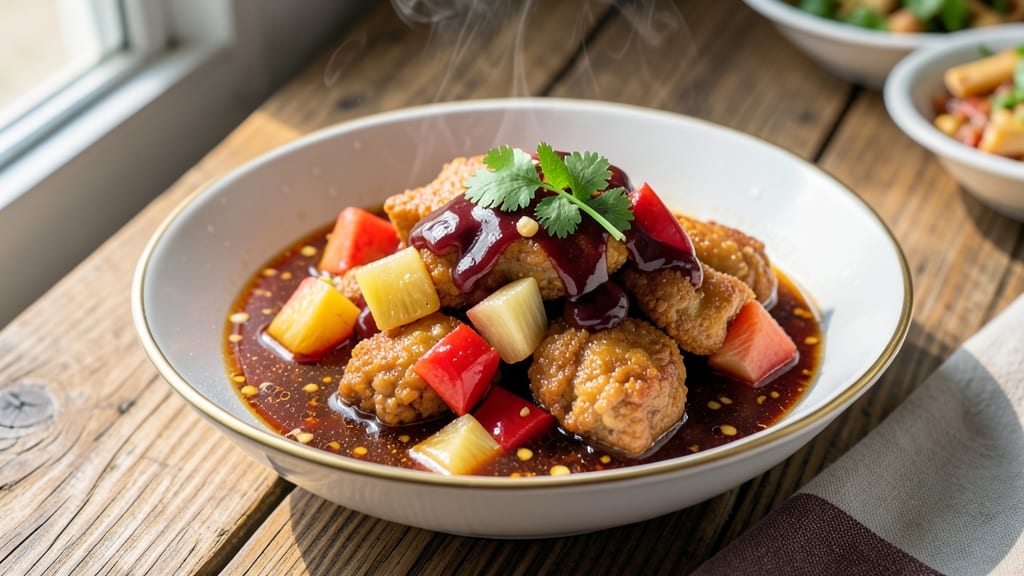
This authentic Chinese sweet and sour sauce recipe delivers the perfect balance of tangy, sweet, and umami flavors in just 10 minutes—no shortcuts, just restaurant-quality depth.
The secret lies in the precise ratio of vinegar to sugar, with a touch of pineapple for natural sweetness and a hint of chili for heat. I’ve refined this version over years of testing, ensuring every spoonful captures the bold yet harmonious taste of Cantonese cuisine.
The foundation starts with a simple simmer of vinegar, sugar, and ketchup, but it’s the umami boost from soy sauce and the bright acidity of rice vinegar that elevate it to authentic levels.
Unlike store-bought versions, this sauce builds flavor as it cools, developing a glossy sheen and a complex tang that clings perfectly to crispy fried chicken or stir-fried vegetables. The pineapple chunks add subtle fruitiness without overpowering the balance.
What makes this sauce truly special is its versatility—use it immediately for crispy takeout-style dishes or store it in the fridge for up to 2 weeks, where the flavors deepen over time.
The texture remains silky smooth, never grainy, thanks to a quick reduction that concentrates the flavors without burning. This isn’t just a condiment; it’s the heart of a meal, transforming simple ingredients into something unforgettable.
For extra authenticity, finish with a sprinkle of sesame oil and a pinch of MSG (optional but recommended). The sauce pairs beautifully with orange chicken, pork belly, or even shrimp, but the magic happens in the balance—too much sweetness dulls the tang, and too much acidity overpowers the umami.
Trust the ratios, and you’ll have a sauce that tastes like it came straight from a dim sum cart.
Ingredients for authentic chinese sweet and sour sauce
Restaurant-quality balance begins with these ten essential ingredients for authentic Chinese sweet and sour sauce.
| Ingredient | Amount | Notes |
|---|---|---|
| White Vinegar 💧 | ½ cup | Distilled white vinegar preferred |
| Granulated Sugar 🍚 | ½ cup | White or light brown sugar |
| Ketchup 🍅 | ¼ cup | Heinz preferred for consistency |
| Light Soy Sauce 🍶 | 2 tbsp | Kikkoman brand recommended |
| Rice Vinegar 🍚 | 2 tbsp | Seasoned rice vinegar ideal |
| Fresh Pineapple Chunks 🍍 | ½ cup | Freshly diced, no syrup |
| Garlic Cloves 🧄 | 2 cloves | Minced finely for depth |
| Fresh Red Chili 🌶️ | 1 piece | Bird's eye or Thai chili |
| Sesame Oil 🫒 | 1 tsp | Toasted sesame oil preferred |
| Monosodium Glutamate (MSG) 🧂 | ½ tsp | Optional but recommended |
The vinegars and sugar form the sauce’s core, so quality matters. Kikkoman soy sauce delivers consistent umami, while seasoned rice vinegar adds depth beyond plain white vinegar. For pineapple, fresh is non-negotiable—canned versions add unwanted syrup. The garlic and chili should be minced finely for even distribution; a microplane works best. Asian grocery stores typically carry the best vinegars and soy sauces for authentic flavor, but reputable brands like Kikkoman and Heinz work perfectly in a pinch. The sesame oil should be toasted—look for it labeled as such on the bottle.
No rice vinegar? Substitute apple cider vinegar at half the amount, though the flavor won’t be identical. Fresh pineapple unavailable? Crushed pineapple juice (no sugar added) works, but reduce the sugar by 1 tbsp to compensate. For extra heat, add 1/4 tsp red pepper flakes instead of fresh chili. The MSG is optional but recommended for that authentic restaurant tang—Accent brand is widely available. If avoiding MSG, increase soy sauce by 1 tsp. The ketchup can be swapped for tomato paste (1 tbsp) plus 1 tsp vinegar, though texture may vary slightly.
This sauce develops best when made fresh but keeps beautifully in the fridge. Store in an airtight container for up to 2 weeks, where flavors meld and deepen. For longer storage, freeze in ice cube trays—perfect for single-use portions. The sauce thickens as it cools, so reheat gently before serving. Sesame oil should be added fresh before using to preserve its aroma. For best results, let the sauce sit at room temperature for 10 minutes after making—this allows the flavors to fully integrate.
Why You'll Love This Recipe
- Pantry Magic: I swear by this sauce—no specialty shopping required. Just open your cabinet, grab vinegar, sugar, and a bottle of ketchup, and you’re halfway there. The soy sauce adds depth, but honestly? I keep a jar of this in my fridge because it never fails.
- Tangy-Sweet Balance: That first bite—crisp, bright, with just enough heat from the vinegar—is what makes it addictive. The sugar and ketchup team up for a caramelized finish, but the rice vinegar keeps it from being cloying. (Yes, even my picky husband dips extra.)
- Dip or Dressing: Slather it on crispy chicken, toss it with veggies, or drizzle it over noodles—it’s my go-to for takeout nights. I’ve even used it as a glaze for roasted potatoes. The possibilities? Endless. (Pro tip: It’s also ridiculously good on ice cream.)
- Stays Fresh, Saves Money: This sauce keeps for weeks in the fridge, so I make big batches. A little goes a long way, and it’s cheaper than buying bottled versions. Plus, the leftovers? Perfect for quick stir-fries or marinades. My wallet—and my taste buds—thank me.
Step-by-step instructions for authentic Chinese sweet and sour sauce
This method delivers the perfect balance of tangy, sweet, and umami—just like in your favorite Chinese restaurant.
Prepare the Aromatics and Fruit Base
Heat a small saucepan over medium heat and add the 2 cloves garlic cloves and 1 piece fresh red chili, sliced into thin rings. Sauté for 30 seconds until the garlic turns golden and fragrant—this prevents a raw garlic taste in the final sauce. Add the 0.5 cup fresh pineapple chunks and cook for another 1 minute until they begin to soften slightly, but don't let them brown or they'll lose their bright flavor.
The pineapple should release its natural juices, creating a light syrup base. If it doesn't, add 1 tablespoon water to help dissolve the sugar later. Remove the pan from heat temporarily while you prepare the remaining ingredients—this prevents overcooking while you work.
Combine Wet Ingredients for Balance
In a separate bowl, whisk together the 0.5 cup white vinegar, 0.5 cup granulated sugar, 0.25 cup ketchup, 2 tablespoons light soy sauce, and 2 tablespoons rice vinegar until the sugar dissolves completely. I like to warm this mixture slightly over low heat for 1 minute to help the sugar integrate smoothly—this prevents grainy texture in the finished sauce.
Real talk: The sugar should dissolve fully before combining with the fruit. If you see any undissolved sugar crystals, add 1 teaspoon water and whisk again. This mixture forms the backbone of the sauce, so getting it right now ensures authentic flavor balance later.
Simmer for Perfect Texture and Depth
Return the saucepan with pineapple and aromatics to medium heat and pour in the wet ingredient mixture. Bring to a gentle simmer, then reduce heat to low and let it cook uncovered for 4-5 minutes until slightly thickened. You're looking for a glossy, syrupy consistency—it should coat the back of a spoon but still be pourable.
Stir occasionally to prevent sticking, and taste as you go. This is where the sauce develops its signature complexity. If it needs more tang, add 1 teaspoon white vinegar. For extra sweetness, add 1 teaspoon sugar. The goal is a harmonious blend where no single flavor dominates.
Finish with Umami and Flavor Integration
Remove the pan from heat and stir in the 1 teaspoon sesame oil and 0.5 teaspoon monosodium glutamate (MSG). The sesame oil adds nutty depth while the MSG enhances the overall savory profile—this is what makes the sauce taste authentically Chinese. Let the mixture sit for 2 minutes to allow all the flavors to meld together.
For the best results, strain the sauce through a fine-mesh sieve to remove the chili and garlic pieces if you prefer a smoother texture. If you like texture, leave them in for added complexity. The sauce should be vibrant red-orange with a glossy sheen, ready to complement your favorite dishes.
Pro Tips For Making Authentic Chinese Sweet And Sour Sauce
- Simmer Slow and Steady: I learned this the hard way—dumping everything in and boiling hard turns your sauce into a sticky mess. Instead, start on medium heat and let it bubble gently for 8-10 minutes, stirring every 2 minutes so the sugar dissolves evenly and the vinegar mellows out. That’s when the flavors marry instead of fight.
- Balance the Vinegars First: Rice vinegar adds brightness, but white vinegar cuts through fat. Before adding anything else, mix 1 tablespoon of each in a small bowl—taste it. If it’s too harsh, add a splash of warm water to soften the acid. This small step keeps your final sauce from tasting like a science experiment gone wrong.
- Skip the Ketchup Shortcut: I know, I know—ketchup is convenient. But if you’re aiming for authentic flavor, use 2 tablespoons of tomato paste instead. Stir it into the sauce after the sugar dissolves, then simmer for 3 minutes. The paste thickens naturally, and the umami depth is worlds better than bottled ketchup’s artificial tang.
- Save the Soy Sauce for Last: Light soy sauce adds saltiness, but adding it too early can turn your sauce bitter. Wait until the sugar and vinegar have simmered together for 5 minutes, then stir in 1 tablespoon of soy sauce. If you’re using it for stir-frying, reduce it to ½ tablespoon—you don’t want to overpower the dish.
Best sauces and condiments for authentic chinese sweet and sour sauce
Classic Pairings
This sauce shines brightest with crispy orange chicken—the perfect balance of sweet, tangy, and umami cuts through the fried exterior beautifully. I like to toss 1 cup cooked chicken pieces with 2 tablespoons sauce and a pinch of sesame seeds for extra crunch.
The sauce also elevates pork belly slices when served with steamed jasmine rice—just drizzle 1-2 tablespoons over each portion for a restaurant-worthy finish. 🍗
Vegetable Enhancers
For stir-fried veggies, toss bell peppers, broccoli, and snap peas with 1 tablespoon sauce after cooking. The acidity brightens the vegetables while the sweetness caramelizes slightly.
I often serve this with steamed bok choy—just drizzle 1 teaspoon sauce over each portion and sprinkle with toasted sesame seeds for texture contrast. The sauce’s balance makes even simple veggies taste gourmet.
Dipping Sauce Magic
Use this sauce as a dipping sauce for spring rolls, egg rolls, or dumplings—it’s a game-changer. I keep a small bowl of the sauce at room temperature for dipping, adding a dash of sesame oil right before serving to keep the aroma fresh.
For extra richness, mix 1 teaspoon hoisin sauce into the sauce before dipping—this adds a deeper umami layer that pairs perfectly with fried appetizers.
Braised Dish Elevator
Add 2-3 tablespoons of sauce to braised dishes like pork ribs or tofu in the last 5 minutes of cooking. The sauce’s acidity tenderizes the meat while adding a glossy finish.
I also use it to glaze baked fish—brush 1 tablespoon over white fish fillets before the last 10 minutes in the oven at 375°F for a sticky, caramelized crust. The result? A dish that tastes like it came from a dim sum spread.
Breakfast Twist
Who says sweet and sour sauce is just for dinner? Use it to glaze pork belly hash or drizzle over scrambled eggs with crispy bacon. I like to mix 1 tablespoon sauce into 2 cups scrambled eggs for a sweet-savory breakfast bowl.
For extra flair, top with scallions and sesame seeds—the contrast of textures and flavors makes it a standout morning meal. 🍳
Sauce Layering
For next-level flavor, layer this sauce with others. Start with a base of 1 tablespoon hoisin sauce, then add 1 tablespoon sweet and sour sauce, and finish with a drizzle of chili oil.
This combo works beautifully on grilled shrimp skewers or stir-fried noodles. The key is balance—too much of any single sauce can overwhelm the dish, so start with small amounts and adjust to taste.
Nutrition facts
Frequently asked questions
Can I make this sauce without pineapple?
Yes, but the flavor will be different. Pineapple adds natural sweetness and brightness that balances the tang. For a substitute, use 1/4 cup crushed pineapple juice (no sugar added) or 1/4 cup mango puree. If skipping fruit entirely, reduce sugar by 1 tablespoon and add 1/2 teaspoon lemon zest for acidity. The texture will be smoother but less complex.
Why does my sauce taste too sweet or sour?
This happens when the vinegar-to-sugar ratio is off. For more tang, add 1 teaspoon white vinegar and reduce sugar by 1/2 teaspoon. For less sourness, add 1 teaspoon sugar and 1/2 teaspoon soy sauce to round out flavors. Taste as you go—authentic balance means no single flavor dominates. The sauce should have a bright, glossy finish with a slight bite.
How long can I store this sauce, and can I freeze it?
Store in an airtight container in the fridge for up to 2 weeks, where flavors deepen over time. For freezing, portion into ice cube trays—thaw overnight in the fridge. The texture remains silky smooth, but avoid refreezing. Add a dash of sesame oil fresh before using to restore aroma. The sauce thickens slightly when refrigerated, so reheat gently before serving.
What’s the difference between this sauce and store-bought versions?
Authentic versions use fresh pineapple, rice vinegar, and MSG for depth, while store-bought sauces often contain artificial colors, corn syrup, and preservatives. This recipe delivers a glossy, balanced flavor with natural sweetness and umami—no aftertaste. The reduction process also creates a smoother texture without graininess. For comparison, taste both: the homemade version has vibrant acidity and complexity.
Can I use this sauce for non-Chinese dishes?
It’s versatile for grilled meats, roasted veggies, or even tacos. Try glazing pork chops with 1 tablespoon sauce before baking, or drizzle over grilled corn for a sweet-savory twist. For fusion dishes, pair with hoisin or peanut sauce. The key is balance—use it as a finishing touch rather than a primary flavor. The sauce’s tang cuts through rich or fatty foods beautifully.