
Sauces & Condiments
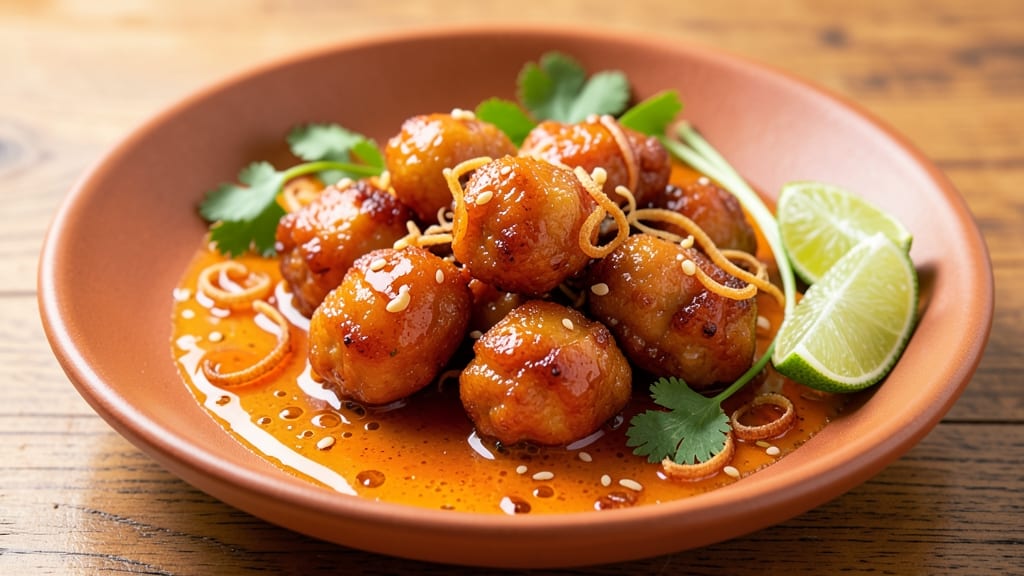
This Asian orange chicken sauce recipe delivers the perfect balance of bright citrus and savory umami that transforms ordinary dishes into restaurant-quality creations. The secret lies in combining sweet chili sauce, fresh orange juice, and aromatic garlic-ginger paste, creating a glaze that caramelizes beautifully while maintaining vibrant acidity.
I developed this sauce after years of experimenting with takeout-inspired flavors, and it’s become my go-to for glazing chicken, tofu, or even drizzling over noodles.
The sauce’s magic comes from its layered flavors—sweet from honey and orange, tangy from rice vinegar, and deep umami from soy sauce and garlic. Unlike store-bought versions, this homemade glaze stays fresh for up to a week in the fridge, allowing you to build flavor over time.
The recipe is simple but precise, requiring just 15 minutes of active prep and 10 minutes of simmering to achieve that perfect sticky-sweet consistency.
What sets this sauce apart is its versatility—use it as a glaze for crispy orange chicken, a marinade for tofu or shrimp, or even a dipping sauce for spring rolls. The bright orange hue and tangy-sweet profile make it a standout in both traditional and modern Asian dishes.
Whether you’re hosting a dinner party or meal prepping for the week, this sauce elevates every bite with minimal effort.
For best results, let the sauce reduce slightly after simmering to intensify the flavors. Store any leftovers in an airtight container, and reheat gently on the stove before using.
The possibilities are endless, from glazing roasted vegetables to drizzling over rice bowls. This is the kind of sauce that turns simple ingredients into something extraordinary.
Ingredients for asian orange chicken sauce
Ten simple ingredients transform into a vibrant sauce that'll make your orange chicken shine.
| Ingredient | Amount | Notes |
|---|---|---|
| Sweet Chili Sauce 🍯 | ½ cup | Store-bought or homemade preferred |
| Fresh Orange Juice 🍊 | ½ cup | From 2-3 large oranges |
| Honey 🍯 | 3 tbsp | Wildflower or clover variety |
| Rice Vinegar 🍶 | 2 tbsp | White or seasoned preferred |
| Soy Sauce 🥢 | 3 tbsp | Light or dark variety |
| Garlic-Ginger Paste 🧄 | 2 tbsp | Homemade or store-bought |
| Sesame Oil 🫒 | 1 tbsp | Toasted sesame oil preferred |
| Salt 🧂 | ½ tsp | Kosher or sea salt |
| Black Pepper 🌶️ | ¼ tsp | Freshly ground preferred |
| Cornstarch 🌾 | 1 tsp | For thickening consistency |
The sweet chili sauce is the flavor foundation—Maesri or Huy Fong are my go-tos, but any good brand works. Fresh orange juice is a must for that bright, tangy punch (no bottled juice here!). Navel or Valencia oranges work best. The garlic-ginger paste is where the umami magic happens—if you don't have it, mince 2 cloves garlic and 1-inch ginger fresh. Sesame oil adds that signature nutty aroma, so don't skip it. Pro tip: Toast your sesame seeds first if you want extra crunch in the final sauce.
No sweet chili sauce? Mix 2 tbsp hoisin sauce with 1 tbsp sriracha for a quick sub. Out of cornstarch? 1 tsp arrowroot powder works just as well. The honey can be swapped for maple syrup if you're avoiding it, though it'll have a slightly different depth. Rice vinegar too strong? Apple cider vinegar at half the amount softens the acidity. For extra richness, add 1 tsp toasted sesame seeds at the end—trust me, it's worth it. And if you're making this for a crowd, double the batch—it disappears fast!
This sauce keeps beautifully in an airtight container for up to a week in the fridge. For longer storage, freeze in ice cube trays—perfect for single-use portions. Reheat gently on the stove, stirring constantly until warmed through. The flavors actually improve after the first day as everything melds together. I always make extra because it's perfect for glazing tofu, drizzling over noodles, or even mixing into stir-fries. The bright orange color? That's your sign it's ready to use—no need to wait!
Why You'll Love This Recipe
- Pantry Magic: I swear by this sauce—no fancy ingredients, just what’s probably already in my cupboard. That sweet chili sauce cuts the prep time in half, and the orange juice brightens everything up without extra shopping.
- Bright Tang Alert: Honestly, the honey and rice vinegar combo is chef’s kiss—sweet, tangy, and just a little funky. It’s the kind of flavor that makes you want to lick the bowl, but in a good way.
- Game for Any Meal: Between us, this sauce works on everything—drizzled over noodles, tossed with rice, or even slathered on grilled chicken. My kids ask for it at lunch, and my partner takes leftovers to work. (Yes, even on a Tuesday night.)
- Leftovers That Don’t Suck: I make a double batch because it keeps for weeks in the fridge, and the taste only gets better. The orange juice mellows just enough to make it even more addictive—perfect for lazy days or when I’m too tired to cook.
Step-by-step instructions for Asian orange chicken sauce
This vibrant sauce comes together in minutes with bold flavors that balance sweet, tangy, and savory notes perfectly.
Whisk Together Wet Ingredients
In a medium saucepan, combine the 0.5 cup sweet chili sauce, 0.5 cup fresh orange juice, 3 tablespoons honey, 2 tablespoons rice vinegar, and 3 tablespoons soy sauce. Give everything a quick stir to break up any clumps in the sweet chili sauce—this helps the flavors meld faster.
Here's the thing—don't rush this step. Let the mixture sit for 1-2 minutes while you gather the remaining ingredients. You'll notice the sauce starts to develop a beautiful, glossy sheen as the honey and orange juice blend together. This is your first hint that the flavors are coming together just right.
Add Aromatics and Simmer
Turn the heat to medium and add the 2 tablespoons garlic-ginger paste and 1 tablespoon sesame oil. Stir constantly for 2-3 minutes until the mixture begins to bubble gently. You'll smell that incredible aroma of garlic and ginger—this is where the sauce gets its umami depth.
Watch for small bubbles forming along the edges of the pan. This tells you the sauce is heating through and the flavors are starting to marry. If the sauce looks too thick, add 1-2 tablespoons water to loosen it slightly. The goal is a smooth, pourable consistency at this stage.
Season and Thicken the Sauce
Reduce the heat to low and stir in the 0.5 teaspoon salt and 0.25 teaspoon black pepper. Let the sauce simmer gently for 3-4 minutes, stirring occasionally. This is where you can taste and adjust—add a pinch more salt if needed, or a splash more orange juice if it needs more brightness.
In a small bowl, mix the 1 teaspoon cornstarch with 1 tablespoon water until completely dissolved. Slowly pour this mixture into the sauce while stirring constantly. The sauce will begin to thicken almost immediately—keep stirring until it reaches a glossy, syrup-like consistency that coats the back of a spoon.
Finish and Test
Remove the sauce from heat and let it cool for 2-3 minutes. Taste it now—you should get a perfect balance of sweet, tangy, and savory flavors with a hint of spice from the sweet chili sauce. If it needs more depth, add another ½ teaspoon soy sauce. For extra brightness, stir in 1 teaspoon fresh orange juice.
The sauce should be thick enough to coat the back of a spoon but still flow smoothly. If it's too thick, thin it with ½ teaspoon water at a time until you reach the perfect consistency. This sauce is now ready to glaze your chicken, drizzle over rice, or toss with noodles for an instant flavor boost.
Pro Tips For Making Asian Orange Chicken Sauce
- Simmer the Sauce Low: After tossing everything together—sweet chili, orange juice, honey, vinegar, and soy—drop the heat to a gentle simmer. I learned this the hard way: boiling it turns the orange juice bitter and makes the sauce cloyingly sweet. Keep it at a whisper of a bubble, and the flavors meld without fighting each other.
- Strain the Orange Juice: Fresh orange juice is non-negotiable here, but don’t skip straining it through a fine-mesh sieve or cheesecloth. Pulp makes the sauce grainy and throws off the balance of tang and sweetness. (Yes, even if you’re impatient like me—just let it sit for 2 minutes.)
- Balance the Soy Last: Add soy sauce after the sauce has simmered for 3–4 minutes, not at the start. This prevents it from overpowering the bright citrus notes and lets the sweet chili and honey build flavor first. Taste as you go—you can always add more, but you can’t undo salt.
- Use a Thin Base First: Start with a splash of water or a little rice vinegar in the pan before adding the sauce. This helps the sweet chili dissolve smoothly and prevents a sticky, gloppy mess. (Your future self will thank you when you’re not scraping burnt bits off the bottom.)
Wine and beer pairings for this recipe
White Wine Pairings
A crisp Sauvignon Blanc from New Zealand or California is my top choice—its zesty citrus notes mirror the sauce's bright orange flavor while the herbal undertones complement the garlic and ginger. Look for wines with 12-13% ABV and acidity levels around 6.5-7.0 pH to balance the sauce's sweetness.
I love Kim Crawford Sauvignon Blanc or Cloudy Bay for their vibrant acidity and refreshing finish. 🍷
Rosé Wine Options
For a lighter, more versatile pairing, try a dry Provence rosé like Whispering Angel or Miraval. These wines offer delicate floral notes that won't overpower the sauce's bold flavors, while their crisp acidity cuts through the sweetness.
Opt for rosés with 12-13% ABV and minimal residual sugar to maintain balance. The pale pink hue also makes for an elegant presentation when served alongside orange chicken.
Beer Pairings
A light lager like Asahi Super Dry or Peroni works beautifully with this sauce. The subtle malt sweetness and crisp, clean finish complement the citrus and honey notes without competing.
For a slightly bolder option, try a German Helles like Weihenstephaner Original, which adds a malty depth that pairs well with the sauce's umami elements. Serve both chilled to 40-45°F for optimal flavor contrast.
Craft Beer Alternatives
If you prefer craft beer, a Belgian Witbier like Hoegaarden or Blue Moon Belgian White adds a refreshing twist. The coriander and orange peel notes in these beers enhance the sauce's citrus profile, while the effervescence cleanses the palate.
For a more robust option, try a light wheat beer with 4.5-5% ABV—just avoid anything too hoppy, as the bitterness can clash with the sauce's sweetness.
Non-Alcoholic Options
For a non-alcoholic pairing, I recommend a sparkling citrus soda like San Pellegrino Aranciata or Fever-Tree Blood Orange Soda. The carbonation and citrus flavors create a refreshing contrast to the rich sauce.
Alternatively, serve it with iced hibiscus tea (also known as agua de Jamaica), which adds a floral depth that complements the ginger and garlic notes beautifully. 💛
Nutrition facts
Frequently asked questions
Can I make this sauce without sweet chili sauce?
For a quick substitute, mix 2 tablespoons hoisin sauce with 1 tablespoon sriracha to mimic the sweet-spicy balance. If you prefer a more traditional approach, blend 1 tablespoon soy sauce, 1 tablespoon honey, and ½ teaspoon red pepper flakes for a homemade version. The sauce will still deliver that signature tangy-sweet flavor profile.
How long does this sauce keep in the fridge?
This vibrant sauce stays fresh for up to 1 week when stored in an airtight container. For longer storage, freeze in ice cube trays—perfect for single-use portions. The flavors actually improve after the first day as everything melds together beautifully.
What's the best way to use leftover sauce?
Leftover sauce is incredibly versatile! Glaze crispy tofu or shrimp for 10 minutes at 400°F, drizzle over steamed jasmine rice, or toss with stir-fried vegetables. It also makes an amazing dipping sauce for spring rolls or egg rolls. For extra richness, stir in 1 teaspoon toasted sesame seeds before serving.
Can I make this sauce less sweet?
Yes! Reduce the honey to 2 tablespoons and increase the rice vinegar to 3 tablespoons for a more balanced, tangy flavor. You can also add ½ teaspoon grated orange zest to enhance the citrus notes without extra sweetness. Taste as you go and adjust gradually to avoid overpowering the sauce.
Why did my sauce turn out too thin?
If your sauce is too thin, it likely didn't simmer long enough for the cornstarch to fully thicken. Next time, let it reduce on low heat for an extra 2-3 minutes after adding the cornstarch slurry. For immediate fixes, mix ½ teaspoon cornstarch with 1 teaspoon water and stir in while heating. If it's still too thin, repeat the process.