
Sauces & Condiments
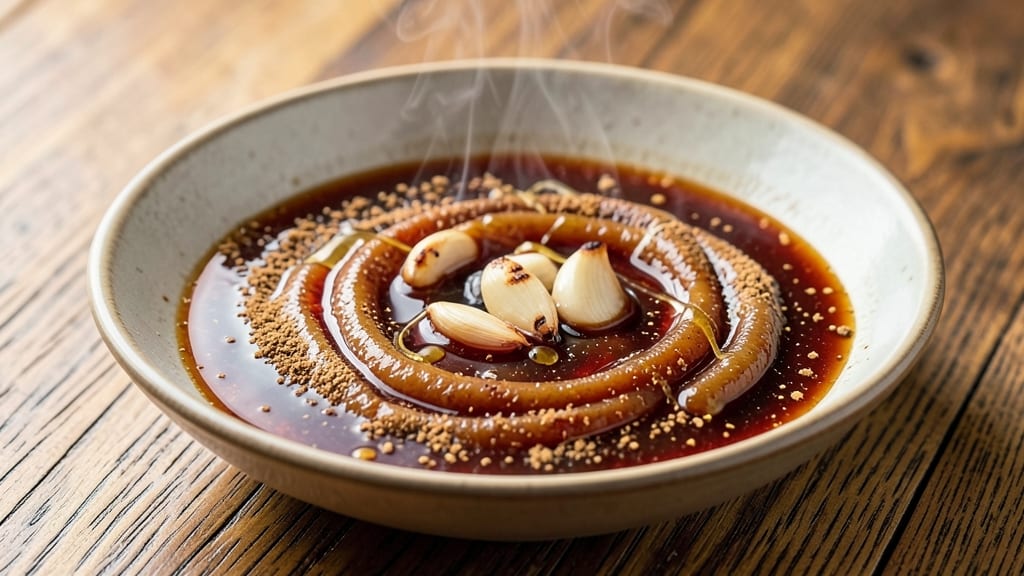
This authentic char siu sauce recipe unlocks the smoky-sweet glaze that transforms simple pork into Cantonese-style BBQ perfection. The secret lies in balancing five core ingredients—fermented bean paste, hoisin, honey, five-spice powder, and soy sauce—that create a sauce with deep umami and caramelized richness.
I developed this version after years of testing, ensuring every simmered batch delivers that signature glossy finish and aromatic complexity.
The magic happens in the reduction process, where the sauce thickens into a glossy, sticky glaze that clings beautifully to meat. What sets this apart is the five-spice powder, which infuses layers of cinnamon, star anise, and clove that define authentic char siu flavor.
Unlike commercial versions, this recipe builds flavor from scratch, with no artificial additives—just pure, concentrated umami and sweetness.
What you'll achieve is a sauce so versatile it elevates char siu pork to restaurant-quality while working as a glaze for chicken, tofu, or even vegetables. The smoky-honey balance creates a perfect harmony of sweet, salty, and aromatic notes that caramelize beautifully when brushed onto meat.
This isn't just a marinade—it's the foundation of Cantonese BBQ culture in your kitchen.
Ready in just 30 minutes with minimal prep, this sauce keeps well for up to a month in the fridge, making it perfect for meal prep or special occasions.
Whether you're grilling, roasting, or stir-frying, this authentic char siu sauce will become your go-to glaze for bold, restaurant-worthy flavors at home.
Ingredients for authentic char siu sauce
Five core ingredients transform into Cantonese BBQ magic—deep umami meets smoky-sweet perfection.
| Ingredient | Amount | Notes |
|---|---|---|
| Fermented Bean Paste (Douchi) 🥬 | ½ cup | Aged variety for deep umami |
| Hoisin Sauce 🍶 | ½ cup | Thick, traditional brand preferred |
| Honey 🍯 | ½ cup | Wildflower or clover preferred |
| Five-Spice Powder 🌶️ | 2 tbsp | Authentic blend with star anise |
| Light Soy Sauce 🥄 | ¼ cup | Kikkoman preferred for balance |
| Garlic Cloves 🧄 | 6 cloves | Freshly minced for aromatic punch |
| Fresh Ginger 🌿 | 1 tbsp | Finely grated, not powdered |
| Sesame Oil 🫒 | 1 tbsp | Toasted sesame for nutty depth |
| Cornstarch 🌾 | 1 tbsp | For thickening the glaze |
| Water 💧 | ¼ cup | For thinning and simmering |
The fermented bean paste is non-negotiable—look for aged douchi in Asian markets or specialty stores like H Mart. It delivers that signature funky depth commercial sauces can't replicate. Kikkoman hoisin is my go-to for authenticity, though any thick, traditional brand works. Honey should be wildflower or clover—avoid the overly processed kind. The five-spice powder? Penzeys or Spicewalla carry authentic blends with proper star anise ratios. Fresh ginger and garlic are musts here—powdered versions won't cut it for that aromatic punch.
No fermented bean paste? Double the hoisin and add 1 tsp fish sauce for umami, though it won't be identical. Substituting honey? Maple syrup works in a pinch, but the flavor profile shifts slightly. The sesame oil can be swapped for avocado oil if you're avoiding sesame, though you'll lose that nutty depth. For the five-spice, mix 1/2 tsp each cinnamon, cloves, and star anise if you can't find pre-blended. The cornstarch is crucial for that signature glossy finish—don't skip it.
This sauce thickens beautifully when reduced, so simmer uncovered until it coats the back of a spoon. Store in a clean glass jar in the fridge for up to 1 month. For longer storage, freeze in ice cube trays—perfect for glaze portions. The flavor actually improves after 24 hours as the spices meld. Double the batch if you're prepping for a crowd—the extra effort is worth it.
Why You'll Love This Recipe
- Pantry Magic: I swear by this sauce because it uses stuff I already have—no last-minute grocery runs. That fermented bean paste (douchi) adds funk without effort, and the hoisin and honey balance it out like a well-worn favorite.
- Sweet-Savory Bomb: The five-spice powder gives it that warm, aromatic depth, while the honey and soy sauce create this perfect sticky-sweet glaze. It’s the kind of flavor that makes you lick the spoon mid-stir.
- Weeknight Hero: This sauce works on rice bowls, stir-fries, or even drizzled over roasted chicken—no fancy plating needed. I’ve used it for lazy takeout nights and impressing in-laws, and it never lets me down.
- Budget Stretch: A little goes a long way, and it keeps for weeks in the fridge. Honestly, I make big batches because it’s cheaper than buying pre-made, and the leftovers turn bland proteins into something irresistible.
Step-by-step instructions for authentic char siu sauce
This five-ingredient glaze delivers Cantonese-style depth with perfect balance every time.
Bloom the Aromatics and Fermented Paste
Heat a small saucepan over medium-low heat and add the 1 tablespoon sesame oil. Once shimmering, add the 6 cloves minced garlic cloves and 1 tablespoon freshly grated ginger. Cook for 30 seconds until fragrant but not browned—this prevents bitterness while unlocking their full aroma.
Add the 0.5 cup fermented bean paste (Douchi) and stir continuously for 1-2 minutes until it darkens slightly and releases its funky, umami-rich essence. This step develops the sauce's signature smoky depth. If you notice the paste sticking, add 1 tablespoon of the 0.25 cup water to help it release properly. The paste should transform from chunky to a smooth, dark paste—this is your base flavor foundation.
Build the Sauce Base with Wet Ingredients
Pour in the 0.5 cup honey and 0.25 cup light soy sauce, stirring constantly to combine. Increase heat to medium and bring the mixture to a gentle simmer. Here's where the magic happens: let it cook uncovered for 5-7 minutes until it thickens slightly and coats the back of a spoon.
Watch closely as the honey caramelizes—you'll see it develop a glossy sheen and deepen in color. This is when the sauce develops its signature sticky, glossy texture. If it reduces too quickly, add another 1 tablespoon water to maintain balance. The sauce should smell complex, with notes of caramel, fermented funk, and subtle garlic-ginger warmth.
Incorporate the Spice Blend
Reduce heat to low and sprinkle in the 2 tablespoons five-spice powder, stirring continuously for 1-2 minutes until fully dissolved and aromatic. The spices should bloom beautifully, filling your kitchen with their warm, complex fragrance—think star anise, cinnamon, and clove notes mingling with the fermented bean aroma.
This is the moment that matters: the five-spice blend should integrate completely without settling at the bottom. If you see any undissolved particles, add 1 tablespoon water and stir vigorously. The sauce should now have a rich, molasses-like consistency with visible depth of color—deep reddish-brown with hints of caramel.
Thicken and Finish the Glaze
In a small bowl, whisk together the 1 tablespoon cornstarch with 2 tablespoons of the remaining 0.25 cup water until smooth. Slowly pour this slurry into the simmering sauce while stirring constantly with a wooden spoon. Increase heat to medium and cook for 2-3 minutes until the sauce thickens to a glossy, syrupy consistency that coats the spoon completely.
Here's the thing—you want the glaze to be thick enough to cling to meat but still flow smoothly when brushed on. It should coat the back of a spoon and hold its shape when drizzled. If it's too thick, add 1 teaspoon water at a time until you reach the perfect balance. The final sauce should have a mirror-like sheen with visible depth—dark red with caramel highlights and tiny specks of five-spice powder suspended throughout.
Test and Adjust for Perfection
Remove the sauce from heat and let it cool for 5 minutes. Taste and adjust seasoning—this is your quality control moment. If it needs more sweetness, add 1 teaspoon honey; if it needs more salt, add ½ teaspoon light soy sauce. The sauce should balance sweet, salty, umami, and aromatic notes perfectly—like a complex symphony on your tongue.
For the authentic char siu experience, strain the sauce through a fine-mesh sieve to remove any remaining ginger or garlic bits if you prefer ultra-smooth texture. Transfer to a clean jar and let it cool completely before using. This sauce keeps for 1 week refrigerated and develops even more complex flavors over time—making it perfect for marinating pork or brushing on roasted meats.
Pro Tips For Making Authentic Char Siu Sauce
- Bloom the Douchi First: Toss the fermented bean paste (douchi) into the pan before adding any liquid—let it sizzle for 30 seconds until it darkens and releases its funky aroma. I learned this the hard way: skipping this step means your sauce will taste like hoisin with a hint of "what even is this?" instead of that deep, umami punch.
- Simmer Low and Slow: After adding honey and soy sauce, drop the heat to actual low—just above a simmer. My first batches turned into sticky caramelized sludge because I kept it too hot. You want the sauce to reduce evenly, not seize up like glue. Stir occasionally, but don’t obsess.
- Toast the Five-Spice: Dry-toast the five-spice powder in the pan for 20 seconds before adding other ingredients—it’ll wake up the cinnamon and star anise flavors. I was skeptical until I tried it: the difference between "generic" and "authentic" char siu sauce is that little extra aroma boost.
- Balance the Sweet-Salty: Taste as you go, but wait until the sauce thickens slightly before adjusting. Too much honey too soon? Add a splash of light soy sauce. Too salty? A drizzle of honey fixes it. I skip this and end up with either candy or brine—neither cuts it for char siu.
Regional styles of authentic char siu sauce
Cantonese Roots
The char siu sauce we're making today traces directly back to Hong Kong's street food culture, where it was first used to glaze roasted pork in the 19th century.
The original version relied on fermented black beans (not the fermented bean paste we use) and was cooked in clay ovens for hours to achieve that signature caramelized crust. The five-spice powder became essential after Cantonese chefs adapted it from Sichuan peppercorns to create that warm, aromatic backbone. 🌶️
What makes this sauce distinctly Cantonese is the balance of sweet and funky—the honey provides the caramelized sweetness while the fermented bean paste delivers that unmistakable umami depth.
Unlike other Chinese BBQ sauces (like Sichuan's chili-based glazes), char siu sauce relies on honey and soy for its signature glossy finish. The original recipe was so revered that it became a staple in dim sum restaurants worldwide.
Taiwanese Adaptations
When char siu spread to Taiwan in the 20th century, chefs there amplified the sweetness and added pineapple juice to the marinade—a nod to Taiwan's tropical fruit culture. The result? A sauce with brighter, fruitier notes that still maintains the core umami from fermented beans.
Taiwanese versions often use more honey (sometimes up to ¾ cup) and reduce the soy slightly to prevent saltiness from overpowering the sweetness.
One key Taiwanese twist is the addition of orange zest to the sauce, which adds a citrusy brightness that cuts through the richness. You'll see this in many modern char siu recipes, especially in Taipei-style BBQ.
The texture also tends to be slightly thinner to accommodate the extra moisture from fruit juices.
Modern Fusion Takes
Today's chefs are putting their own spin on this classic sauce. Korean fusion versions often swap honey for gochujang (fermented chili paste) and add sesame seeds for a nutty crunch. The result is a spicy-sweet glaze that works beautifully on bulgogi-style pork.
Meanwhile, Vegan char siu sauces replace honey with maple syrup and fermented bean paste with miso paste, delivering similar umami without animal products.
For a smoky BBQ twist, some cooks add 1 teaspoon smoked paprika to the five-spice blend, giving the sauce a campfire-like depth that pairs perfectly with grilled meats.
The beauty of this sauce is its adaptability—whether you're keeping it traditional or experimenting with fusion flavors, the core technique of simmering and reducing remains the same.
Regional Fermented Bean Variations
The fermented bean paste in this recipe is crucial, but not all versions are created equal. In Guangdong province, cooks use aged black beans (dougan) for a darker, funkier profile.
Meanwhile, Fujian-style fermented bean pastes are lighter and slightly sweeter, making them ideal for poached dishes rather than BBQ glazes. For this recipe, I recommend H Mart's fermented black bean paste—it's the most accessible version that delivers authentic Cantonese depth.
If you can't find fermented bean paste, double the hoisin and add 1 teaspoon fish sauce for umami, though the flavor won't be identical. The paste's funk is what gives char siu sauce its signature complexity, so don't skip it if you're aiming for authenticity.
For a lighter umami profile, some regional versions use fermented soybean paste (douchi) instead, which has a softer, milder taste.
Dim Sum vs. Street Food
The char siu sauce you'd find in a Hong Kong dim sum restaurant is often thicker and more concentrated, designed to be brushed onto small, tender pork pieces that cook quickly. These versions prioritize glossy texture and intense flavor to shine on delicate cuts.
In contrast, street food vendors in Guangzhou make a lighter, more liquid sauce that's perfect for skewered pork cooked over open flames.
For home cooking, I recommend aiming for a medium-thick consistency—thick enough to cling to meat but still flow smoothly when brushed on. The sauce should coat the back of a spoon but not be so thick it resembles molasses.
This balance ensures it works for both dim sum-style roasting and street food grilling, making it incredibly versatile for any Cantonese BBQ project. 🔥
Nutrition facts
Frequently asked questions
Can I make this char siu sauce without fermented bean paste?
You can substitute it by doubling the hoisin sauce to 1 cup and adding 1 teaspoon fish sauce for umami depth. However, the fermented bean paste provides that signature funky complexity that's hard to replicate. For a milder version, try 1 tablespoon miso paste mixed with 1 tablespoon soy sauce instead.
How long should I marinate pork in this sauce?
For best results, marinate pork for at least 4 hours or overnight in the fridge. The longer it marinates, the more tender and flavorful the meat becomes. For quick cooking, 2 hours will work, but you may need to baste more frequently during cooking to prevent drying.
Can I use this sauce for non-pork meats?
This versatile glaze works beautifully on chicken, tofu, or even vegetables. For chicken, reduce the marinating time to 2-3 hours to prevent over-absorption. For tofu, use half the sauce amount and brush it on during the last 5 minutes of cooking to maintain texture.
Why did my sauce turn out too thick/thin?
If too thick, thin with 1 teaspoon water at a time while stirring. If too thin, simmer uncovered for 2-3 more minutes or make a cornstarch slurry (1 tsp cornstarch + 1 tbsp water) and stir in. The ideal consistency should coat the back of a spoon but still flow smoothly when drizzled.
How do I store leftover char siu sauce?
Store in a clean glass jar in the fridge for up to 1 month. For longer storage, freeze in ice cube trays—perfect for portion control. The flavor actually improves after 24 hours as the spices meld. Reheat gently on low heat, stirring constantly to maintain texture.