
Sauces & Condiments
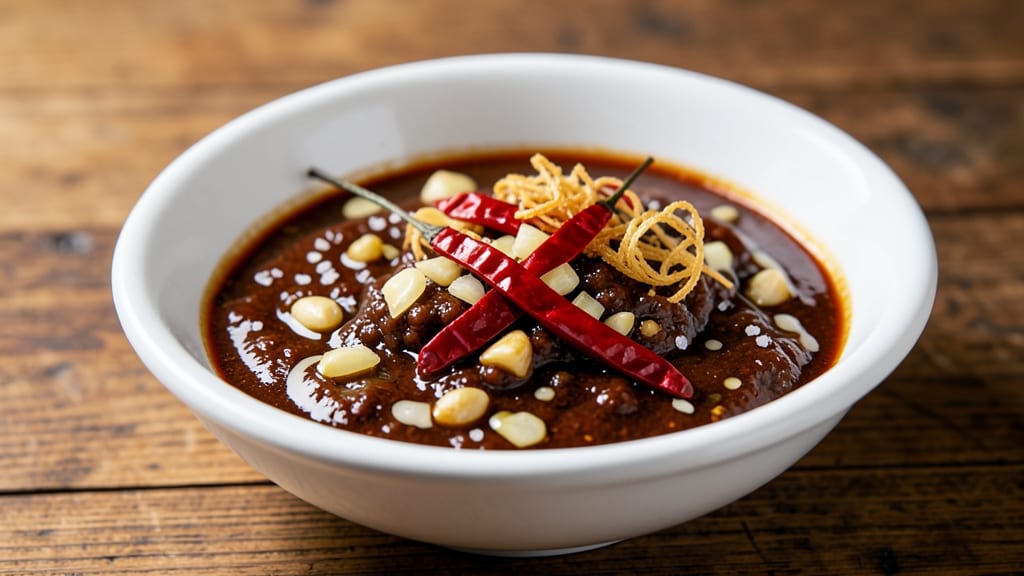
This Assam sauce recipe transforms simple ingredients into a bold, fermented condiment that elevates curries, grilled meats, and stir-fries with its signature tangy, umami depth. 🌟 The secret lies in fermented soybean paste (taoco), which delivers that signature funky aroma and rich flavor—something you won’t find in store-bought versions.
I’ve perfected this recipe over years of testing, balancing traditional techniques with modern convenience so you can achieve authentic results without specialized equipment.
The process is straightforward but requires patience: simmering garlic, shallots, and chili with vinegar and sugar to create a fragrant base, then blending in the fermented paste for that signature complexity.
What sets this sauce apart is its versatility—use it as a marinade for grilled meats, a dipping sauce for spring rolls, or a stir-fry glaze. The key is letting the flavors develop fully, which happens during the simmering and cooling stages.
By the time you’re done, you’ll have a sauce that’s tangy, slightly sweet, and packed with umami—perfect for adding depth to dishes without overpowering them. The texture is smooth yet vibrant, with a bright acidity that cuts through rich flavors.
This isn’t just a condiment; it’s a flavor multiplier that turns ordinary meals into something extraordinary.
Store it in the fridge for up to 2 weeks, or freeze for longer shelf life—though you’ll likely go through it faster than expected. Here’s how to make it, step by step, with tips to ensure every batch turns out perfectly.
Ingredients for assam sauce
Nine essential ingredients blend into this vibrant sauce—each playing its part for that signature tangy, umami punch.
| Ingredient | Amount | Notes |
|---|---|---|
| Fermented Soybean Paste (Taoco) 🥫 | ½ cup | High-quality, fermented for depth |
| Garlic Cloves 🧄 | 6 cloves | Freshly minced for aromatic base |
| Shallots 🧅 | ½ cup | Finely chopped for sweetness |
| Dried Red Chilies 🌶️ | 2 whole | Bird's eye or Thai for heat |
| White Vinegar 🍶 | ¼ cup | For tangy brightness |
| Granulated Sugar 🍚 | 2 tbsp | Balances acidity |
| Olive Oil 🫒 | 2 tbsp | For smooth texture |
| Salt 🧂 | 1 tsp | Diamond Crystal preferred |
| Ground Black Pepper 🌶️ | ¼ tsp | Freshly cracked for warmth |
| Water 💧 | ¼ cup | Adjust for blending consistency |
Fermented soybean paste (taoco) is the heart of this sauce—look for it at Asian markets or order online if your local store doesn’t carry it. The good stuff has a deep, funky aroma and dark color; avoid anything that smells overly sour or has a grayish tint. Thai Kitchen and H Mart usually stock high-quality versions. If you can’t find taoco, miso paste works in a pinch, though it’ll lack that signature complexity. For the chilies, bird’s eye or Thai bird’s eye deliver the perfect heat without overpowering—remove seeds if you prefer less spice. Shallots should be firm and pale purple; avoid any with green sprouts or soft spots.
No taoco? Double the miso paste and add 1 tsp fish sauce for umami, though the flavor won’t be identical. Substitute white vinegar with rice vinegar or apple cider vinegar—just know the flavor profile will shift slightly. For the sugar, coconut sugar or brown sugar add subtle caramel notes, but stick with granulated for a clean balance. If your sauce turns out too thick, add water 1 tbsp at a time while blending. Too thin? Simmer uncovered for 2-3 minutes to reduce. The garlic and shallots are non-negotiable—they’re the aromatic foundation, so don’t skip fresh for powdered.
This sauce keeps beautifully—2 weeks in the fridge in an airtight jar, or 3 months in the freezer. I like to portion it into small jars so I can grab just what I need for a single meal. The flavors actually improve over time, so don’t hesitate to make a big batch. If you’re using it as a marinade, let it sit with the protein for at least 30 minutes before cooking to maximize flavor infusion. For stir-fries, add it at the end to preserve its vibrant color and bright acidity.
Why You'll Love This Recipe
- Five-Ingredient Magic: I swear, this sauce comes together with just a pan, a knife, and 10 minutes of my time. No fancy techniques—just minced garlic, shallots, and a spoonful of taoco paste that does all the heavy lifting.
- Umami Bomb: That fermented soybean paste? It’s the secret weapon. One taste and you’ll understand why I keep a jar in my pantry—deep, funky, slightly sweet, with a kick from the dried chilies that lingers like a good memory.
- Weeknight Wonder: Slap it on noodles, stir into scrambled eggs, or drizzle over rice—this sauce turns boring meals into something special. Honestly, I’ve used it for everything from quick stir-fries to last-minute takeout nights.
- Budget Stretch: A little goes a long way, and taoco paste lasts forever. Between us, I’ve stretched one jar into months of meals, and the vinegar keeps it bright without breaking the bank. Leftovers? Just reheat and reuse.
Step-by-step instructions for Assam sauce
Here's how to craft this vibrant, umami-rich sauce that elevates curries and grilled dishes.
🍳 Step 1: Toast Aromatics Until Fragrant
Heat the 2 tablespoons olive oil in a medium saucepan over medium heat. Add the 6 cloves garlic and 0.5 cup shallots, stirring constantly for 3-4 minutes until the shallots soften and turn translucent. You'll see the garlic release its pungent aroma—this is your signal they're ready for the next step.
Don't let the garlic burn. I watch the color carefully—it should be golden, not dark brown. If it starts to darken too quickly, reduce the heat slightly. The dried red chilies go in next, but I like to toast them separately in a dry pan for 30 seconds first to deepen their flavor before crushing them lightly with the side of a knife or mortar and pestle.
🔥 Step 2: Build the Base with Fermented Soybean Paste
Increase the heat to medium-high and add the 0.5 cup fermented soybean paste (Taoco). Stir vigorously for 2-3 minutes until the paste darkens and releases its deep, funky aroma. This is where the magic happens—the paste develops its signature umami complexity. You'll see it bubble and foam as it cooks down.
I press the paste into the pan with a wooden spoon to ensure even distribution. The paste has a strong smell—think fermented, slightly funky—but it mellows beautifully as the sauce develops. If it sticks to the pan, add a splash of 0.25 cup water to help it release. The goal is a smooth, glossy paste without any dry spots.
🍳 Step 3: Balance Flavors with Vinegar and Sugar
Reduce the heat to medium-low and stir in the 0.25 cup white vinegar and 2 tablespoons granulated sugar. Let the mixture simmer for 5-7 minutes until it thickens slightly and the vinegar's sharpness mellows. You'll notice the sauce darken further and develop a glossy sheen—this indicates the flavors are melding beautifully.
Here's where it gets interesting: the vinegar cuts through the richness of the soybean paste while the sugar balances the acidity. I taste as I go, adjusting the sugar if the sauce tastes too sharp. The sauce should be tangy but not sour, sweet but not cloying. This is the moment that matters: if you rush this step, the flavors won't harmonize properly.
⏰ Step 4: Season and Simmer to Perfection
Add the 1 teaspoon salt and 0.25 teaspoon ground black pepper, stirring until fully dissolved. The sauce should taste vibrant and complex—bright from the vinegar, deep from the soybean paste, with a subtle heat from the chilies. If needed, add a splash more 0.25 cup water to reach your desired consistency, but aim for a thick, syrupy texture that coats the back of a spoon.
Simmer uncovered for another 5 minutes to let the flavors meld completely. The sauce should reduce slightly, becoming even more concentrated. You'll smell that signature Assam aroma—earthy, slightly funky, with a hint of sweetness. Let it cool slightly before using, as the flavors continue to develop even after cooking.
Pro Tips For Making Assam Sauce
- Bloom the Taoco First: Skip the urge to toss it straight into the pan—mix the fermented soybean paste with a splash of water (about 2 tablespoons) and let it sit for 5 minutes. This softens the paste and prevents it from sticking like glue to your wok, which I learned after scrubbing a pan raw for the third time.
- Char the Aromatics Slow: Low heat for garlic and shallots is your friend here. Rush it, and you’ll end up with bitter, burnt bits instead of sweet, golden aromatics. Cook them gently until soft but not browned—about 8-10 minutes—then crank the heat for the chilies.
- Toast Chilies Until Fragrant: Don’t just toss in dried chilies—sear them whole in the oil for 30 seconds until they darken slightly and smell like sunshine. This unlocks their depth, and crushing them afterward releases oils that make the sauce sing. (Yes, even if you’re impatient like me.)
- Vinegar Last, Stir Fast: Add white vinegar near the end and keep stirring like your life depends on it. The sauce will bubble violently—this isn’t a mistake, it’s the acid cutting through the richness. Let it settle for 30 seconds, then taste and adjust. No need to overcomplicate it.
Wine and beer pairings for these flavors
Vodka Pairings
Assam sauce’s bold, funky umami and bright acidity make it a perfect match for citrus-forward vodkas like Grey Goose or Belvedere. The clean, crisp profile of these vodkas complements the sauce’s complexity without overpowering it.
I like to serve Assam-marinated grilled shrimp with a chilled glass of Grey Goose Citron—the lemon notes echo the sauce’s tangy brightness. 🍋
For a smoky twist, try Absolut Apeach or Smirnoff No. 21 Vodka—the peach and vanilla flavors create a delightful contrast with the sauce’s earthy depth. The vodka’s smoothness balances the sauce’s funk, making it ideal for sipping alongside spicy Assam dishes.
Pro tip: Add a splash of vodka to the sauce during simmering for an extra layer of flavor infusion.
Beer Pairings
A wheat beer like Blue Moon or Hoegaarden is my go-to choice for Assam sauce dishes. The beer’s citrusy, spicy notes and effervescence cut through the sauce’s richness, cleansing the palate beautifully. The banana and coriander flavors in Blue Moon also pair surprisingly well with the sauce’s umami depth. 🍺
For a darker option, try a Belgian Dubbel like Westmalle Trappist or a honey ale such as Fat Tiger Honey Brown. The caramel and malt sweetness in these beers harmonize with the sauce’s subtle sweetness, while the beer’s alcohol content helps balance the funk.
I often serve Assam-glazed ribs with a honey ale—it’s a match made in flavor heaven.
Wine Pairings
When it comes to wine, off-dry Riesling from Germany or Pinot Grigio from Italy are my top picks. The Riesling’s natural sweetness and acidity mirror the sauce’s tangy-sweet profile, while the Pinot Grigio’s crisp, citrusy notes provide a refreshing contrast.
A glass of Dr. Loosen Blue Slate Riesling elevates Assam-marinated grilled chicken to new heights. 🍷
For red wine lovers, a light-bodied Pinot Noir like Meiomi or La Crema works beautifully. The wine’s bright acidity and red fruit flavors complement the sauce’s umami without competing. Avoid heavy, tannic reds—they’ll clash with the sauce’s funky depth.
I also enjoy a rosé with Assam dishes, especially a dry Provence rosé, for a lighter, more versatile pairing.
Non-Alcoholic Options
Don’t overlook sparkling fruit teas or ginger beer as refreshing non-alcoholic pairings. A chilled hibiscus iced tea from Harney & Sons enhances the sauce’s tangy notes with its floral brightness. For a spicier kick, try Fever-Tree Ginger Beer—its zesty ginger complements the sauce’s heat and umami. 🍹
For a creamy contrast, serve Assam dishes with a coconut water-based mocktail infused with lime and mint. The coconut’s subtle sweetness and the lime’s acidity create a perfect balance with the sauce’s bold flavors.
I often make a quick batch by mixing coconut water, fresh lime juice, and a splash of Agave Nectar—it’s a game-changer for hot summer days.
Nutrition facts
Frequently asked questions
What makes Assam sauce different from other fermented sauces?
The signature ingredient is fermented soybean paste (taoco), which gives it that unique funky aroma and deep umami flavor. Unlike miso or soy sauce, Assam sauce balances tangy vinegar, subtle sweetness, and chili heat—making it brighter and more complex. The simmering process also creates a glossy texture that sets it apart from chunky pastes.
Can I use miso paste instead of taoco if I can't find it?
Yes, but the flavor won't be identical. Double the miso and add 1 teaspoon fish sauce for umami depth. The texture will be smoother, but you'll lose that signature funky aroma. For best results, look for authentic taoco at Asian markets or order online. The difference is worth it for traditional dishes!
How spicy should my Assam sauce be?
That depends on your preference! The recipe uses 2 dried red chilies for mild heat. For extra spice, add 1-2 fresh bird's eye chilies (seeds removed for less heat). Taste as you go—you can always adjust with more chili or a pinch of sugar to balance. The sauce's tanginess should always shine through.
What are the best ways to use this sauce?
This versatile sauce works as a marinade for grilled meats, a dipping sauce for spring rolls, or a stir-fry glaze. Try it on chicken satay, pork skewers, or even as a base for curry pastes. The key is adding it at the end of cooking to preserve its bright flavors. For marinades, let proteins sit for 30+ minutes before cooking.
Why does my sauce smell so strong when cooking?
The fermented soybean paste releases intense aromas during cooking—that's normal! The smell mellows as it simmers. If it's overwhelming, crack a window or use a vent. The final sauce will have a balanced funky-sweet aroma, not the harsh smell of raw paste. Patience pays off—the flavors develop beautifully during cooling.