
Sauces & Condiments
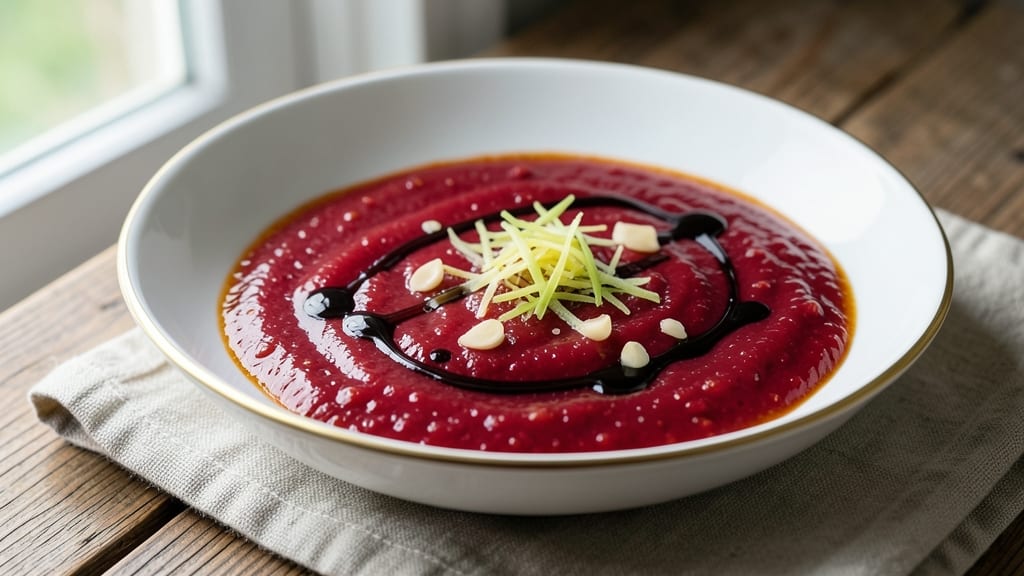
This Asian tomato sauce recipe transforms simple ingredients into a fragrant, umami-packed base that elevates stir-fries, noodles, and grilled meats. The secret lies in balancing sweet, tangy, and savory elements—ginger and garlic caramelize into the tomatoes, while soy sauce and a touch of sugar create depth without overpowering.
Professional chefs rely on this technique to build complex flavors quickly, and you can too with just 30 minutes of hands-on time.
The sauce starts with a aromatic base of garlic and ginger sautéed until golden, then simmered with crushed tomatoes until thickened into a glossy consistency. A splash of rice vinegar brightens the acidity, while a pinch of sugar rounds out the flavors.
The result is a versatile sauce that works as a dipping sauce, stir-fry glaze, or even a marinade—packed with layers of taste that make every bite memorable. No special equipment is needed beyond a skillet and a whisk.
What makes this sauce stand out is its adaptability—thin it with broth for a lighter consistency or reduce it further for a concentrated glaze. Store it in the fridge for up to 5 days or freeze for 3 months, making it perfect for meal prep.
The umami-rich profile cuts through rich dishes like fried rice or grilled proteins, while its natural sweetness balances spicy components in Asian-inspired meals.
For extra depth, finish with a sprinkle of sesame oil or a dash of chili flakes, but keep the base simple to let the ingredients shine. This sauce is the foundation of countless dishes, proving that a few well-chosen ingredients can create something truly special. Let’s get started!
Ingredients for asian tomato sauce
Simple pantry staples create this aromatic, umami-rich Asian tomato sauce base.
| Ingredient | Amount | Notes |
|---|---|---|
| Extra-Virgin Olive Oil 🫒 | 2 tbsp | High-quality for flavor |
| Garlic Cloves 🧄 | 4 cloves | Minced for aromatic base |
| Fresh Ginger 🌿 | 1 ½ tbsp | Grated, for zesty kick |
| Canned Crushed Tomatoes 🍅 | 15 oz | San Marzano preferred |
| Low-Sodium Soy Sauce 🥄 | 1 ½ tbsp | For umami depth |
| Rice Vinegar 🍶 | 1 tbsp | White or seasoned |
| Granulated Sugar 🍚 | 1 tsp | Balances acidity |
| Sesame Oil 🌰 | 1 tsp | Toasted for aroma |
| Diamond Crystal Kosher Salt 🧂 | ½ tsp | Adjust to taste |
| Fresh Chili Flakes 🌶️ | ¼ tsp | Optional for heat |
The tomatoes are the foundation—San Marzano cans deliver the sweetest, most flavorful results, but any high-quality crushed tomatoes work. For ginger, freshly grated is ideal, but powdered works in a pinch (use half the amount). Garlic should be minced finely to caramelize properly. Trader Joe's and Whole Foods carry excellent quality for all these ingredients. The sesame oil is non-negotiable for that signature aroma—skip the cheap stuff, trust me.
No rice vinegar? Substitute apple cider vinegar at the same amount. Fresh ginger unavailable? Ground ginger at one-third the amount works, but you'll lose that bright zing. The soy sauce can be swapped for coconut aminos if needed. For extra depth, add a splash of fish sauce or oyster sauce (just 1/2 tsp each). The sugar can be swapped for honey or maple syrup, but keep it minimal—this sauce should be tangy, not sweet.
This sauce thickens as it cools, so thin with water or broth if needed. Keeps 5 days refrigerated or 3 months frozen in airtight containers. For meal prep, freeze in ice cube trays—perfect for single-use portions. The flavor actually improves after 24 hours as the ingredients meld together. Store sesame oil separately and add fresh when using.
Why You'll Love This Recipe
- No-Chop Night Hero: I swear by this sauce when I’m too tired to dice anything—just smash garlic, grate ginger, and let the crushed tomatoes do the work. The olive oil sizzle alone makes it feel like a proper meal, even when I’m in pajamas.
- Umami Bomb: That combo of fresh ginger, garlic, and low-sodium soy sauce? It’s like a flavor grenade in the best way—bright, deep, and just a little tangy. The crushed tomatoes soften into a velvety base that clings to everything, from noodles to grilled chicken.
- Weeknight Swiss Army: This sauce is my secret weapon for busy nights: toss it with rice for a quick bowl, drizzle it over eggs, or use it as a marinade. Honestly, I’ve even dumped it into a blender with coconut milk for a soup when I’m desperate. It adapts without begging.
- Pantry Goldmine: A single can of tomatoes and a jar of ginger last me weeks—I make big batches and freeze portions. It’s the kind of recipe that turns a $3 bag of rice into a full meal, and the leftovers? Even better the next day when the flavors meld. Budget-friendly doesn’t get much tastier.
Step-by-step instructions for Asian tomato sauce
This method delivers a balanced sauce with vibrant aromatics and perfect acidity every time.
Sauté Aromatics Until Fragrant
Heat the 2 tablespoons extra-virgin olive oil in a medium saucepan over medium heat. Add the 4 minced garlic cloves and 1.5 tablespoons grated fresh ginger, stirring constantly for 2-3 minutes until the garlic turns golden and the ginger becomes translucent.
Watch closely—ginger burns quickly. If the mixture darkens too much, reduce the heat slightly. This step builds the aromatic foundation of your sauce, so don't rush it. The oil should shimmer but not smoke, and you'll smell that unmistakable garlic-ginger perfume filling your kitchen.
Add Tomatoes and Umami Base
Pour in the 15 ounces canned crushed tomatoes, scraping up any browned bits from the bottom of the pan. Stir in the 1.5 tablespoons low-sodium soy sauce and 1 tablespoon rice vinegar, then bring the mixture to a gentle simmer over medium-low heat. Let it cook uncovered for 10-12 minutes, stirring occasionally, until the sauce thickens slightly and the raw tomato flavor mellows.
This simmering time is crucial—it allows the acidity to mellow while developing complex flavors. You'll notice the sauce reduce by about 20% and the tomatoes break down into a smoother consistency. If it starts sticking, add 1-2 tablespoons water to keep it moving.
Balance Flavors with Sugar and Seasoning
Add the 1 teaspoon granulated sugar, 0.5 teaspoon diamond crystal kosher salt, and 0.25 teaspoon fresh chili flakes, stirring well to combine. Taste the sauce and adjust the seasoning if needed—this is where you refine the balance between sweet, salty, and spicy elements. The sugar should mellow the acidity while the salt and chili flakes add depth.
Here's the thing—this sauce should taste vibrant, not bland. If it needs more acidity, add a splash of rice vinegar. If it needs more umami, add a pinch more soy sauce. The goal is a well-rounded flavor profile that works as a base for noodles, meats, or vegetables.
Finish with Sesame Oil for Aroma
Remove the pan from heat and stir in the 1 teaspoon sesame oil. This final step adds a nutty aroma that elevates the sauce from good to exceptional. Let the sauce sit off the heat for 2-3 minutes to allow the flavors to meld completely.
For the best texture, you can strain the sauce through a fine-mesh sieve if you prefer a smoother consistency, or leave it slightly chunky for more texture. Either way, the sauce should be glossy with a velvety finish. Store any leftovers in an airtight container in the refrigerator for up to 5 days, or freeze for up to 3 months.
Pro Tips For Making Asian Tomato Sauce
- Sweat, Don’t Burn, the Aromatics: I learned this the hard way—ginger and garlic turn bitter fast. Cook them in olive oil over medium-low heat until garlic’s golden (not brown) and ginger’s just translucent. High heat means charred bits that’ll make your sauce taste like a campfire.
- Peel Ginger Like a Pro: Use a spoon to scoop out the skin instead of peeling with a knife—it’s faster and less messy. Then, slice it thinly (1-2mm) so it dissolves into the sauce without leaving tough chunks. (Yes, even if you’re impatient like me.)
- Simmer, Don’t Boil, the Tomatoes: Crushed tomatoes foam up like crazy. Let the sauce bubble gently (small, frequent bubbles) for at least 15 minutes—this deepens the flavor and thickens it naturally. Skimp here, and you’ll end up with a watery, one-dimensional sauce.
- Balance the Soy Early: Add half the soy sauce upfront, then taste before adding the rest. The sauce should taste savory but not salty—you can always adjust, but fixing oversalted sauce is a nightmare. (Pro move: Add a pinch of sugar too, if you’re using it, to cut the acidity.)
Essential equipment for perfect results
Skillet Essentials
Start with a 10-inch stainless steel skillet like the All-Clad Stainless—it distributes heat evenly and handles the sauce's acidity without reacting. Avoid nonstick pans for this recipe, as they can't withstand the simmering time needed to develop flavors.
A heatproof silicone spatula (I love OXO Good Grips) is perfect for scraping up those flavorful browned bits from the bottom.
Whisk for Consistency
A balloon whisk (like the Cuisinart Stainless Steel) helps emulsify the sauce as it thickens, preventing lumps and creating that silky texture. I keep mine within arm's reach when simmering—it's the most underrated tool for sauces.
For smaller batches, a small whisk (around 8 inches) works just as well without taking up counter space.
Measuring Tools
Precision matters here—use a stainless steel measuring spoons set (like Tramontina) for the soy sauce, rice vinegar, and sesame oil. A digital kitchen scale (I prefer OXO Good Grips) ensures accurate measurements for the sugar and salt, especially when adjusting flavors.
For the tomatoes, a medium-sized ladle helps control pouring without splashing.
Storage Containers
Transfer leftovers to glass airtight containers (I use Pyrex with snap-on lids) for fridge storage—they preserve flavor better than plastic. For freezing, silicone ice cube trays are my secret weapon—they let you portion sauce for single-use applications.
Label containers with dates to track freshness, as the sauce's texture changes over time.
Optional Upgrades
For professional results, add a small fine-mesh strainer (like Heston Blumenthal's) to remove any ginger or garlic bits if you prefer a smoother sauce. A microplane (I use Mikado) is essential for freshly grating ginger—it creates more surface area for better flavor extraction.
For heat control, a kitchen torch can lightly toast sesame seeds for garnish if you want extra texture.
Nutrition facts
Frequently asked questions
Can I substitute canned tomatoes for fresh?
Fresh tomatoes work but require extra prep—peel, seed, and chop 1.5 cups of ripe tomatoes to match the 15 oz canned equivalent. Canned crushed tomatoes are ideal because they're already concentrated and consistent. If using fresh, simmer them slightly longer (15 minutes) to break down their texture properly.
How can I make this sauce spicier?
Double the chili flakes to 0.5 tsp or add 1 tsp gochujang (Korean chili paste) for depth. For heat lovers, stir in 1/2 tsp sriracha after removing from heat. Always taste first—spices intensify as the sauce cools.
Why did my sauce turn bitter?
Overcooking or using too much vinegar creates bitterness. Keep heat at medium-low and simmer only 10-12 minutes. If it happens, balance with 1/2 tsp sugar or a splash of fish sauce (just 1/4 tsp) to restore harmony.
Can I use this sauce as a marinade?
Yes! Thin it with 1/4 cup water or broth and marinate proteins like chicken or tofu for 30-60 minutes. The acidity tenderizes while the umami flavors penetrate. For fish, use 15 minutes max to avoid overcooking.
How do I adjust for a vegetarian/vegan version?
Replace sesame oil with 1 tsp neutral oil and skip fish sauce. Use vegan soy sauce (like tamari) and add 1/2 tsp nutritional yeast for umami depth. The sauce remains fully plant-based while keeping all the flavor.