
Sauces & Condiments
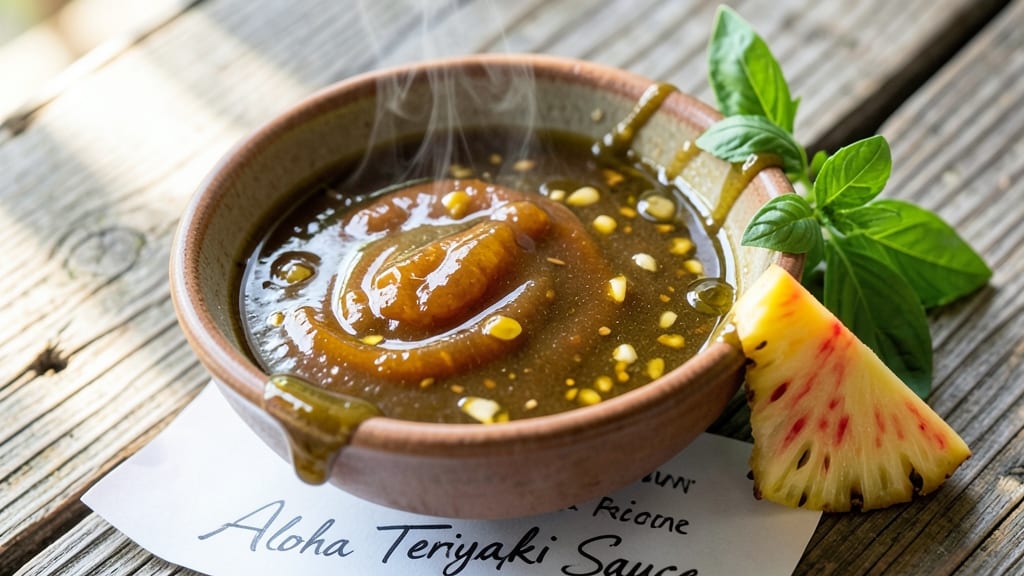
This aloha teriyaki sauce recipe transforms simple pantry staples into a bold, tropical-inspired glaze that bridges Hawaiian sweetness with Japanese umami. The secret lies in pineapple juice's natural acidity and coconut milk's creamy richness, creating a sauce that caramelizes beautifully on grilled meats or glazes roasted vegetables with golden perfection.
I developed this after craving a teriyaki with deeper tropical notes—something that tasted like vacation in every bite.
The base builds on classic teriyaki foundations but infuses them with fresh ginger, garlic, and lime zest for brightness, while brown sugar and soy sauce create that signature caramelized depth.
What makes this version special is the optional coconut milk addition, which adds a velvety texture and subtle tropical warmth that traditional recipes often miss. The sauce works equally well as a marinade, glaze, or dipping sauce—its versatility makes it a pantry essential.
What you'll achieve is a rich, aromatic sauce with the perfect balance of sweet, savory, and tangy flavors. The pineapple juice prevents the sauce from becoming overly thick, while the ginger and garlic ensure every application delivers complex depth.
This isn't just another teriyaki—it's a fusion that brings aloha spirit to your cooking.
The best part? This sauce keeps beautifully in the refrigerator for up to two weeks, making it ideal for meal prep. Whether you're grilling mahi-mahi, brushing onto pineapple slices, or drizzling over stir-fried noodles, this aloha teriyaki sauce elevates every dish with its tropical umami richness.
Let's make it together—your taste buds will thank you.
Ingredients for aloha teriyaki sauce
Pantry staples meet tropical brightness—this sauce transforms simple ingredients into golden, caramelized perfection.
| Ingredient | Amount | Notes |
|---|---|---|
| Fresh Pineapple Juice 🍍 | ½ cup | Freshly squeezed for brightness |
| Full-Bodied Soy Sauce 🥢 | ½ cup | Kikkoman preferred for depth |
| Light Brown Sugar 🍚 | ½ cup | Packed firmly for sweetness |
| Extra-Virgin Olive Oil 🫒 | ¼ cup | For silky texture |
| Fresh Ginger Root 🌿 | 2 tbsp | Finely grated, aromatic |
| Garlic Cloves 🧄 | 4 cloves | Minced for aromatic depth |
| Lime Zest 🍋 | 1 tbsp | Bright citrus finish |
| Coconut Milk 🥥 | ¼ cup | Full-fat for richness (optional) |
| Honey 🍯 | 2 tbsp | Local raw preferred |
| Diamond Crystal Kosher Salt 🧂 | ½ tsp | Adjusts seasoning balance |
The pineapple juice is non-negotiable—freshly squeezed makes all the difference, cutting through the richness. Trader Joe's carries pre-juiced bottles if you're short on time, but homemade is brighter. For the soy sauce, Kikkoman is my go-to for that classic umami punch, but any full-bodied brand works. Brown sugar should be packed firmly into the measuring cup—light brown gives just enough molasses depth without overpowering. The ginger and garlic are your flavor anchors, so don't skimp on freshness. If you're buying ginger root, grab the organic kind from the produce section—it's usually more aromatic.
No fresh pineapple juice? Coconut water or orange juice in a pinch, but you'll lose that tropical tang. Swap the honey for maple syrup if you're avoiding refined sugar, though it'll taste slightly different. The coconut milk is optional but adds that velvety texture—full-fat canned coconut milk works best, not the carton stuff. For extra depth, toast the garlic and ginger lightly in olive oil before adding (trust me, it's worth the extra minute). The lime zest needs to be fresh—bottled zest loses its punch fast. If you're making this for a crowd, double the batch—it keeps beautifully.
This sauce caramelizes beautifully when reduced, so don't rush it. Store in an airtight jar in the fridge for up to 2 weeks—the flavors actually improve with time. For longer storage, freeze in ice cube trays for single-serving portions. When reheating, add a splash of water to prevent thickening. The sauce works magic on everything from grilled mahi-mahi to pineapple slices—drizzle it over everything for instant aloha vibes.
Why You'll Love This Recipe
- Five-Ingredient Magic: I swear by this—just juice, soy, sugar, oil, and ginger. No fancy pantry trips, no measuring cups that never fit. Honestly, I’ve made it while my coffee brewed.
- Tropical Twist: That pineapple juice isn’t just for flavor—it brightens everything. The ginger and soy give depth, but the sweet-tart punch? It’s like a vacation in a jar, and I’ll take it over store-bought any day.
- Glazes & More: Drizzle it on grilled chicken, toss it with noodles, or even brush it on roasted veggies. I’ve used it for breakfast tacos (yes, really) and it still works. Versatile enough to handle my chaotic meal plans.
- Leftovers That Shine: Make a double batch—it keeps for weeks in the fridge. The sauce only gets better as flavors meld, and I’m not kidding when I say my freezer stash saves me from takeout nights. Budget-friendly? Absolutely.
Step-by-step instructions for aloha teriyaki sauce
This vibrant teriyaki sauce balances sweet, tangy, and umami flavors perfectly—here's how to make it shine.
Bloom the Aromatics in Olive Oil
Heat the 0.25 cup extra-virgin olive oil in a medium saucepan over medium-low heat. Add the 4 cloves minced garlic cloves and 2 tablespoons finely grated fresh ginger root, stirring constantly for 1-2 minutes until fragrant but not browned. This step builds the aromatic foundation—don't rush it, or you'll burn the delicate flavors before they develop.
Watch for the moment when the kitchen fills with that bright, citrusy aroma from the garlic and ginger. That's your signal they're ready to move forward. Keep the heat low to prevent cooking the garlic to oblivion—you want it to perfume the sauce, not dominate it with bitterness.
Sweeten and Simmer the Base
Increase heat to medium and add the 0.5 cup packed light brown sugar and 2 tablespoons honey, stirring until the sugar dissolves completely. Pour in the 0.5 cup fresh pineapple juice and 0.5 cup full-bodied soy sauce, then bring the mixture to a gentle simmer.
Let it cook uncovered for 8-10 minutes, stirring occasionally, until it reduces by about 25%. You'll notice the sauce thickening slightly and developing a glossy sheen—this is when the caramelization begins. The pineapple juice will add a subtle tropical brightness that cuts through the richness of the soy and sugar.
Add Depth with Coconut Milk and Lime
Reduce heat to low and stir in the 0.25 cup coconut milk and 1 tablespoon lime zest. The coconut milk adds a velvety richness while the lime zest introduces that bright, citrusy finish that makes this sauce truly aloha-inspired. Let the mixture simmer gently for another 3-4 minutes, stirring frequently to prevent scorching.
Here's where the magic happens: the coconut milk should blend seamlessly with the other ingredients, creating a sauce that's neither too heavy nor too light. The lime zest will infuse the sauce with its citrusy aroma—you'll smell it intensify as it steeps. If you're using full-fat coconut milk, the sauce will have a luxurious mouthfeel that pairs beautifully with grilled meats or roasted vegetables.
Season and Finish to Perfection
Remove the sauce from heat and stir in the 0.5 teaspoon diamond crystal kosher salt. Taste and adjust the seasoning—you might want to add a splash more pineapple juice if it's too thick, or a touch more soy sauce if it needs more umami depth. The sauce should balance sweet, salty, tangy, and umami flavors harmoniously.
Let the sauce rest for 5 minutes before using. This resting period allows all the flavors to meld together completely. You'll notice the aroma becomes even more complex and inviting. The sauce should coat the back of a spoon with a silky, glossy finish—this is the hallmark of a well-balanced teriyaki sauce that will elevate any dish it graces.
Pro Tips For Making Aloha Teriyaki Sauce
- Simmer Slow and Low: After burning three batches of sauce, I finally figured out—this isn’t a race. Keep the heat at a gentle simmer (medium-low) for at least 15-20 minutes. The pineapple juice needs time to mellow, and the ginger’s sharpness softens into something warm and complex. Rush it, and you’ll end up with a sticky, bitter mess instead of that glossy, balanced aloha glow.
- Grate, Don’t Dice, Ginger: I used to dice my ginger like I was prepping a stir-fry, but that leaves tough, chewy bits. For this sauce, grate it—fine, even—so it dissolves completely into the liquid. No straining required, and the flavor infuses evenly. (Yes, even if you’re impatient like me.)
- Balance the Sweet Early: Taste your sauce after 10 minutes, not at the end. If the brown sugar’s dominating, add a splash more pineapple juice or a teaspoon of soy sauce to cut through it. I learned this the hard way—once I let a batch sit too long, and the sweetness turned cloying. Adjust now, or regret it later.
- Swirl in the Olive Oil Last: This isn’t your grandma’s teriyaki. Drizzle the extra-virgin olive oil in during the final minute of simmering—it adds richness without frying the sauce. If you add it too soon, the heat will turn it bitter. (And trust me, you don’t want that fighting with the pineapple’s brightness.)
Health benefits of this recipe
Tropical Antioxidant Boost
This aloha teriyaki sauce packs a flavorful punch with pineapple juice and lime zest, both rich in vitamin C and antioxidants. A single serving contains about 20% of your daily vitamin C needs, supporting immune function and skin health.
The ginger adds gingerol, a compound known for its anti-inflammatory benefits, while the garlic contributes allicin, which may help lower blood pressure. 💪
Balanced Blood Sugar Support
The combination of brown sugar and honey provides natural sweetness, but the soy sauce and pineapple juice help moderate blood sugar spikes. The fiber from the pineapple (if using chunks) and the low glycemic index of coconut milk make this sauce a better choice than refined sugar-heavy alternatives.
For a lower-sugar version, reduce the brown sugar to 3 tablespoons and increase the pineapple juice by 2 tablespoons.
Heart-Healthy Fats and Proteins
While this sauce doesn’t contain protein directly, pairing it with grilled fish (like mahi-mahi or salmon) or tofu adds lean protein and omega-3 fatty acids.
The olive oil contributes monounsaturated fats, which support heart health, while the coconut milk (if used) provides medium-chain triglycerides (MCTs), known for their quick energy boost. For a lighter option, swap the coconut milk for unsweetened almond milk to reduce saturated fat.
Digestive Aid Properties
The pineapple in this sauce contains bromelain, an enzyme that aids digestion and reduces inflammation. The ginger also supports digestion and may help alleviate nausea. If you're sensitive to spice, reduce the ginger to 1 tablespoon—though I find the full amount adds a lovely warmth without being overpowering.
For extra digestive benefits, add ½ teaspoon ground turmeric when simmering the sauce. ✨
Low-Calorie Versatility
At just ~120 calories per ¼ cup serving, this sauce is lighter than many store-bought teriyaki options (which often exceed 200 calories per serving). The pineapple juice and lime zest add brightness without excess calories, making it perfect for drizzling over grilled proteins or veggies.
To cut calories further, reduce the olive oil to 2 tablespoons—though you’ll lose some of that silky texture. The sauce’s natural sweetness means you won’t miss the extra sugar.
Hydration and Electrolytes
The pineapple juice and lime zest contribute potassium and electrolytes, helping maintain hydration—ideal for post-workout meals or hot summer days. The soy sauce adds sodium, which balances flavors but should be used in moderation if you’re watching your salt intake.
For a lower-sodium version, reduce the soy sauce to ¼ cup and add ½ teaspoon smoked paprika for depth. 💦
Nutrition facts
Frequently asked questions
Can I make this aloha teriyaki sauce without coconut milk?
The coconut milk adds richness, but it's optional. For a lighter version, simply omit it and increase the pineapple juice by 2 tablespoons to maintain balance. The sauce will still have tropical brightness and work perfectly as a glaze or marinade.
How long does this sauce keep in the fridge?
This aloha teriyaki sauce stays fresh for up to 2 weeks when stored in an airtight container in the refrigerator. The flavors actually deepen over time—perfect for meal prep! For longer storage, freeze in ice cube trays for single-use portions.
What's the best way to use leftover sauce?
Leftover sauce is incredibly versatile! Use it as a glaze for grilled meats, a dipping sauce for spring rolls, or a tangy dressing for salads. It also works wonderfully as a base for stir-fries—just thin it with a splash of water if needed.
Can I substitute honey with another sweetener?
Yes, but results will vary. For a 1:1 honey substitute, use maple syrup or agave nectar. If you prefer granulated sugar, dissolve it first in warm pineapple juice to prevent graininess. Keep in mind these alternatives may slightly alter the sauce's depth of flavor.
Why did my sauce turn out too thick?
This usually happens from over-reducing or using too much sugar. To fix it, stir in 1-2 tablespoons of water or pineapple juice while reheating. For prevention, monitor the sauce closely during simmering and reduce heat if it thickens too quickly.