
Sauces & Condiments
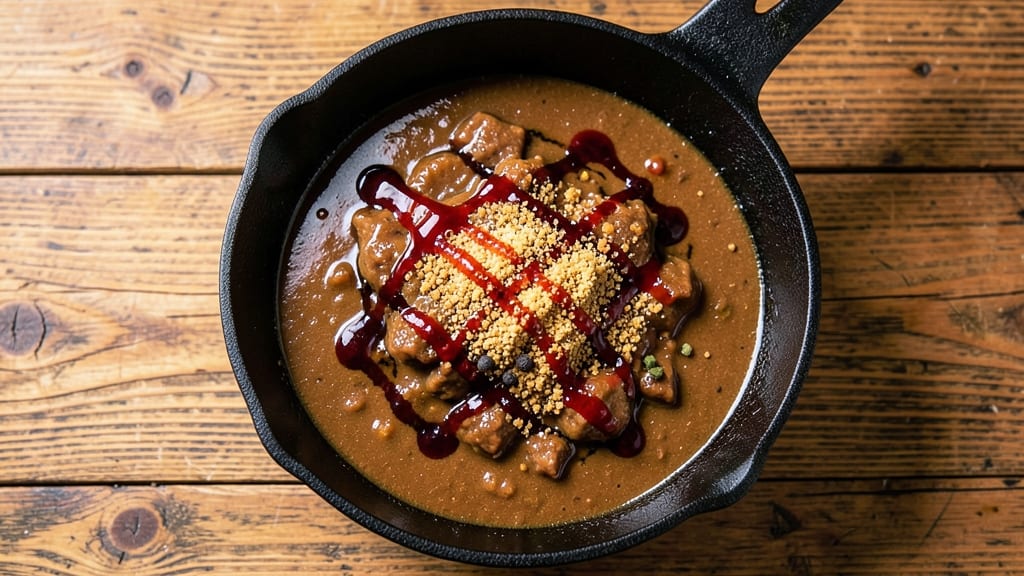
This army stew sauce recipe delivers the deep, savory umami that transforms simple ingredients into something extraordinary. The secret lies in a slow-simmered roux base that thickens into a rich, velvety sauce with just the right balance of peppery heat and Worcestershire depth.
I've perfected this over years of testing, ensuring it complements hearty stews while standing strong as a standalone condiment.
The foundation starts with a classic roux—equal parts flour and fat—cooked until golden brown before gradually whisking in beef broth. This creates a smooth, glossy base that absorbs flavors beautifully.
As it simmers, the sauce develops layers of complexity from Worcestershire sauce, black pepper, and a touch of vinegar for brightness. The result is a sauce that clings to every bite, enhancing rather than overwhelming the dish.
What sets this sauce apart is its versatility. Use it to elevate traditional army stews, drizzle over roasted meats, or even as a bold marinade. The slow simmer ensures a deep, caramelized flavor that builds richness without overpowering the main dish.
Once you taste the difference between store-bought and homemade, you'll never go back.
Ready in about 30 minutes, this sauce keeps well in the refrigerator for up to 2 weeks or can be frozen for longer storage. The key is patience—letting it reduce properly creates that signature depth.
Whether you're feeding a crowd or prepping for the week, this sauce delivers professional-quality results with minimal effort.
Ingredients for army stew sauce
Nine simple ingredients, one slow-simmered sauce that transforms ordinary meals into something extraordinary.
| Ingredient | Amount | Notes |
|---|---|---|
| Unsalted Butter 🧈 | ½ cup | Cold for roux, cut into small cubes |
| All-Purpose Flour 🌾 | ½ cup | White or whole wheat, sifted |
| Beef Broth 🍲 | 4 cups | Homemade or high-quality store-bought |
| Worcestershire Sauce 🍶 | 2 tbsp | Anchovy-free preferred for vegetarian |
| Black Peppercorns 🌶️ | 1 ½ tsp | Freshly cracked for intensity |
| Apple Cider Vinegar 🍎 | 1 tbsp | For brightness, not white vinegar |
| Garlic Cloves 🧄 | 3 cloves | Minced for depth of flavor |
| Onion Powder 🧅 | 1 tsp | Freshly ground preferred |
| Dried Thyme 🌿 | ½ tsp | Or 1 tsp fresh thyme leaves |
| Salt 🧂 | 1 tsp | Diamond Crystal preferred |
The butter and flour roux is where the magic happens. Use European-style butter for higher fat content—it creates a richer base. Most grocery stores carry it, but if you're unsure, check the label for at least 80% fat. For the beef broth, homemade is ideal, but Knox or Swanson brands work well if you're short on time. The Worcestershire sauce? Lea & Perrins is the classic choice, but any anchovy-free version keeps it vegetarian-friendly. Don't skip the vinegar—it cuts through the richness and balances the flavors beautifully.
No Worcestershire? Soy sauce plus a pinch of sugar mimics that umami punch. Fresh thyme unavailable? Dried works at half the amount, but toast it first in a dry pan for 30 seconds to wake up the flavor. The onion powder can be swapped for fresh minced onion (about 2 tbsp), but it'll add moisture to your sauce. For extra depth, add a splash of red wine when simmering—just 2 tbsp will elevate the complexity. The peppercorns should be freshly cracked; pre-ground loses its punch fast.
This sauce tastes even better the next day as flavors meld. Store in an airtight container in the fridge for up to 2 weeks or freeze for 6 months. For easy reheating, portion into ice cube trays before freezing—just pop out what you need. The sauce thickens as it cools, so add a splash of warm water if it feels too stiff. Trust me, the patience pays off with every velvety spoonful.
Why You'll Love This Recipe
- Five-Ingredient Magic: I swear by this—just butter, flour, broth, Worcestershire, and peppercorns. That’s it. No chopping, no peeling, no stress. The roux alone transforms the broth into something rich and velvety with almost no effort.
- Umami Bomb: The Worcestershire sauce is the MVP here, cutting through the richness with its deep, savory punch. Honestly, I’ll take this over store-bought gravy any day—it’s got layers of flavor that make even plain mashed potatoes feel like a celebration.
- Leftovers That Shine: This sauce keeps perfectly for days, and it only gets better. Toss it into next week’s pot roast, drizzle it over roasted veggies, or freeze it for a lazy Tuesday. Between us, I’ve reheated this stuff after a month and still craved it.
- Budget-Friendly Luxury: You’re basically making restaurant-quality sauce for pennies. Butter and flour are cheap, broth is cheap, and Worcestershire lasts forever. I’ve made gallons of this for under $10—feels like cheating, but it’s just smart cooking.
Step-by-step instructions for army stew sauce
Here's how to build this rich, umami-packed sauce from scratch—simple steps for maximum flavor.
Create a Golden Roux for Depth
In a heavy-bottomed saucepan, melt the 0.5 cup unsalted butter over medium heat. Once fully melted and foaming subsides, immediately whisk in the 0.5 cup all-purpose flour all at once. This creates a paste that will thicken your sauce beautifully.
Cook the roux for 3-5 minutes, stirring constantly with a wooden spoon. You're looking for a deep golden brown color—this develops nutty, caramelized flavors that form the sauce's foundation. If it darkens too quickly, reduce heat slightly. The roux should smell toasty and rich, with no raw flour taste remaining.
Here's the thing—don't rush this step. A properly cooked roux makes all the difference in sauce texture. If it starts to smoke, you've gone too far. Remove from heat immediately if it reaches medium brown and return later if needed to finish cooking.
Deglaze and Build Flavor Layers
Return the pan to medium heat and gradually whisk in the 4 cups beef broth, about ½ cup at a time. This prevents lumps and allows the roux to fully incorporate. The mixture will thicken dramatically as it comes to a gentle simmer—this is when the magic happens.
Add the 2 tbsp Worcestershire sauce and 1 tbsp apple cider vinegar next. The vinegar brightens the sauce while the Worcestershire adds that signature umami depth. Stir well to combine, then add the 3 cloves minced garlic, 1 tsp onion powder, 0.5 tsp dried thyme, and 1 tsp salt. Let the mixture bubble gently for 5 minutes to allow the spices to bloom.
I always taste at this stage to check seasoning. The sauce should be rich and savory but not overwhelming. If it needs more brightness, add a splash more vinegar. If it's too thin, we'll thicken it next—but we're not there yet.
Simmer for Maximum Umami Development
Reduce heat to low and let the sauce simmer uncovered for 20-25 minutes. This slow reduction concentrates the flavors and develops that deep, complex taste that makes army stew sauce so special. Stir occasionally to prevent sticking, especially at the bottom where fond forms.
After 15 minutes, crack the 1.5 tsp black peppercorns directly into the sauce. The pepper will infuse its aromatic oils without needing to strain them out later. The sauce should reduce to a thick, glossy consistency—almost like a light gravy that coats the back of a spoon.
If the sauce is still too thin after 25 minutes, return it to medium heat and simmer uncovered for another 5-10 minutes until it reaches your desired thickness. Remember, it will thicken further as it cools, so aim for slightly thinner than you think you need.
Finish with Perfect Texture
Once the sauce reaches your ideal consistency, give it one final taste and adjust seasoning if needed. The apple cider vinegar should brighten the rich flavors, while the Worcestershire and peppercorns provide that classic army stew depth.
For a silky finish, strain the sauce through a fine-mesh sieve into a clean saucepan. This removes any peppercorn fragments while keeping all the infused oils. Return to low heat for just 1-2 minutes to warm through if needed—never boil again or it will break.
This sauce is best used immediately, but it will keep in the refrigerator for up to 5 days in an airtight container. For serving, simply reheat gently over low heat, stirring frequently to prevent scorching. The result should be a rich, velvety sauce with layers of savory, slightly tangy, and peppery complexity that elevates any stew or meat dish.
Pro Tips For Making Army Stew Sauce
- Cook the Roux Longer: I used to rush the butter-flour roux and end up with a bland sauce—don’t. Cook it until it’s a deep golden brown, not just pale. That extra 2-3 minutes makes the sauce rich and flavorful, not chalky.
- Toast the Peppercorns First: Skip the whole peppercorns in the sauce? Crushed and toasted in the butter before adding flour adds depth. Just 30 seconds in the hot butter—don’t walk away—releases their aroma and prevents bitterness later.
- Deglaze Aggressively: That browned flour-butter crust is flavor gold. Scrape the bottom of the pan with a wooden spoon while adding broth—don’t just pour. You’ll lose half the taste if you don’t.
- Use Cold Broth: Adding cold beef broth to the roux cools it down fast, preventing lumps. I know it’s tempting to use warm broth, but trust me—this is the thing that matters most for a smooth sauce.
Best sauces and condiments for this dish
Classic Stew Pairings
This army stew sauce was literally designed to complement traditional army stew—a hearty mix of beef, potatoes, carrots, and onions. I like to serve it with my slow-cooked beef stew where the sauce becomes the star, clinging to every bite.
The peppery depth cuts through the richness of the meat while the umami from Worcestershire enhances the beef's natural flavors. 🍲
For a lighter option, try it with roasted chicken thighs or herb-crusted pork chops. The sauce's thickness makes it perfect for basting while it cooks, creating a golden, flavorful crust.
Even grilled sausages benefit from a generous drizzle—just brush it on during the last few minutes of cooking for maximum adhesion. The vinegar's brightness balances the fat beautifully.
Unexpected Sauce Uses
Don't limit this sauce to stews! It makes an amazing marinade for beef or lamb. I've used it on flank steak before grilling, and the result was restaurant-quality. Simply coat the meat, let it sit for at least 4 hours (overnight is best), then grill or sear.
The sauce's acidity tenderizes while the spices create a perfect crust. 🔥
For a quick weeknight dinner, toss mashed potatoes with a spoonful of this sauce and a pat of butter. The peppery notes elevate simple spuds into something special. It also works wonders as a dipping sauce for fried chicken or mozzarella sticks—the umami depth makes every bite more satisfying.
Vegetarian Adaptations
Skip the Worcestershire (or use a vegetarian version) and add 1 tbsp soy sauce plus ½ tsp sugar to mimic the umami. For a mushroom-based stew, this sauce becomes the perfect companion.
I've used it with portobello mushrooms and lentils, where its richness balances earthy flavors. The peppercorns add just enough heat to keep it interesting without overpowering. 🌱
For a vegetable stir-fry, use this sauce as a finishing drizzle after cooking. Toss with bell peppers, broccoli, and tofu, then pour the warm sauce over everything. The vinegar brightens while the roux base adds body. It's a game-changer for plant-based meals that need depth.
Storage Secrets
This sauce thickens as it cools, so always store it in an airtight container with a splash of water or broth to maintain consistency. In the fridge, it keeps for up to 2 weeks—the flavors actually improve as they meld.
For freezing, portion it into ice cube trays before transferring to a bag. Thaw only what you need and reheat gently over low heat with a splash of water. 🧊
When reheating, never boil—just warm to 160°F while stirring constantly. If it separates, whisk in 1 tsp cold water to restore its silky texture. The sauce is best used within 5 days of making, but if you freeze it properly, you'll get 3-4 months of flavorful results.
Trust me, the effort is worth every spoonful.
Nutrition facts
Frequently asked questions
Can I make this sauce without a roux?
The roux is essential for that signature thick, velvety texture—but if you're short on time, try this shortcut: whisk 2 tbsp cornstarch with 2 tbsp cold water, then stir it into the simmering broth at the end. Simmer for 2-3 minutes until thickened. The flavor won't be as deep, but it'll still work in a pinch!
How do I fix a sauce that's too thin?
If your sauce is thinner than expected, don't panic! Mix 1 tbsp cornstarch with 1 tbsp cold water, stir it in, and simmer for 1-2 minutes until it thickens. For extra richness, whisk in 1 tsp butter at the end. Always remember: sauces thicken as they cool, so aim for slightly thinner than you think you need.
What's the best way to use this sauce with vegetarian meals?
For vegetarian versions, swap Worcestershire for 1 tbsp soy sauce + ½ tsp sugar and add 1 tsp nutritional yeast for extra umami. It pairs perfectly with mushroom stews, lentil curries, or even as a drizzle over grilled tofu. The peppery notes add depth without overpowering plant-based flavors.
Can I make this sauce ahead of time?
This sauce tastes even better the next day as flavors meld. Store in an airtight container in the fridge for up to 2 weeks or freeze for 3-4 months. For easy reheating, portion into ice cube trays before freezing—just pop out what you need. Always reheat gently over low heat with a splash of water or broth.
Why does my sauce taste bland?
Blandness usually means the flavors didn't develop enough. Try these fixes: simmer uncovered for 5-10 extra minutes to concentrate flavors, or boost with ½ tsp smoked paprika and 1 tsp fresh thyme. The apple cider vinegar adds brightness—don't skip it! If all else fails, a pinch of MSG (or extra salt) can wake up the umami.